
Oberstdorf Town Centre (Marktplatz)
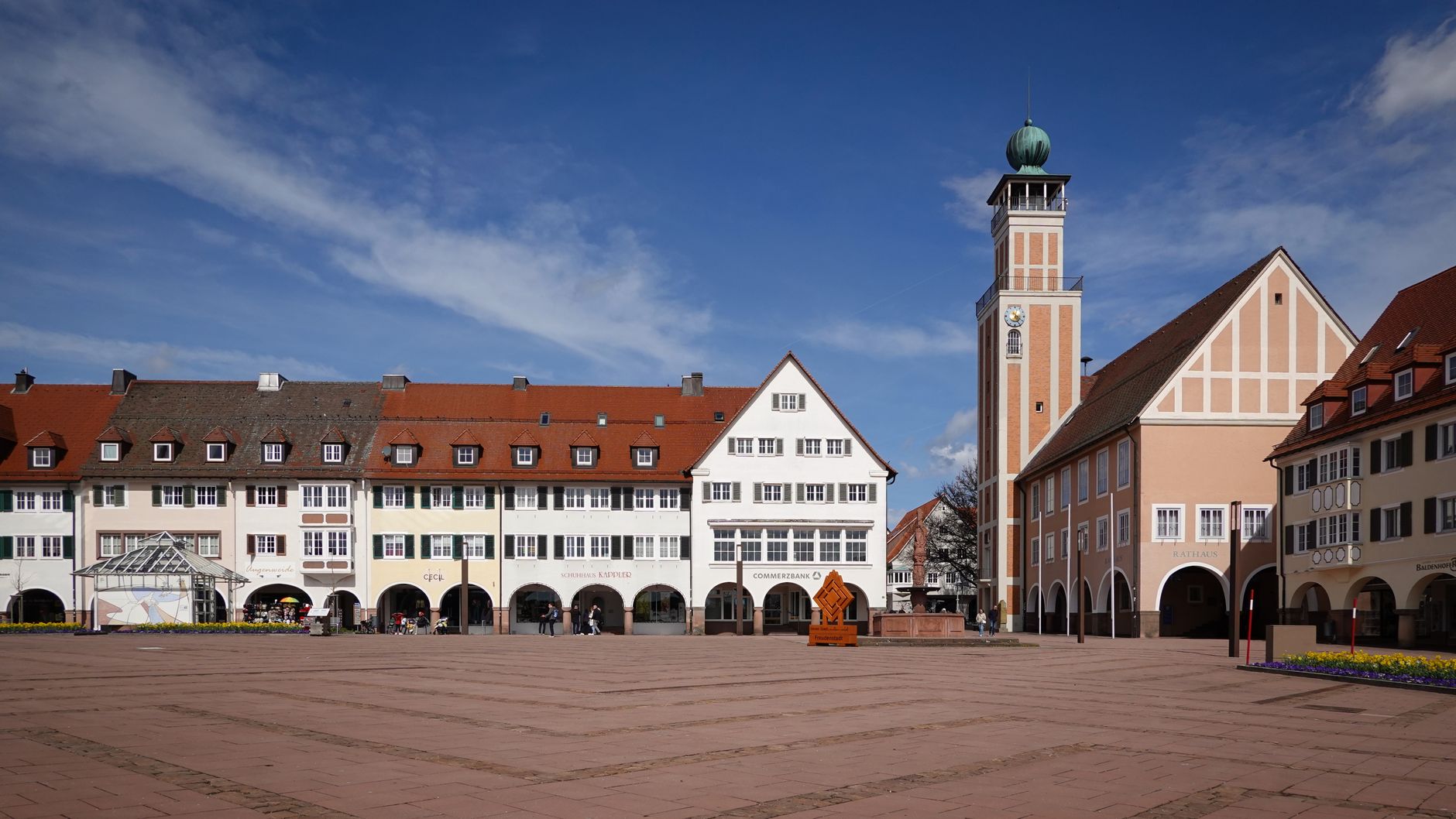
The spire of St. Johann Baptist rises above Oberstdorf's Marktplatz like a compass needle, and most people use it as exactly that — a landmark to find their way back from whichever valley or ridge they've wandered into. The square itself is compact, framed by the church, the town hall, the Bergschau Museum and the Hotel Mohren, and the whole centre is small enough to cross in a few minutes on foot.
What you notice quickly is that this isn't a medieval streetscape. A fire on 20 April 1865 took most of the village, and what replaced it was rebuilt in a consistent late-nineteenth-century style that gives Oberstdorf its particular, slightly formal character — a mountain town that looks like it was planned rather than accumulated.
💛 What travellers fall for
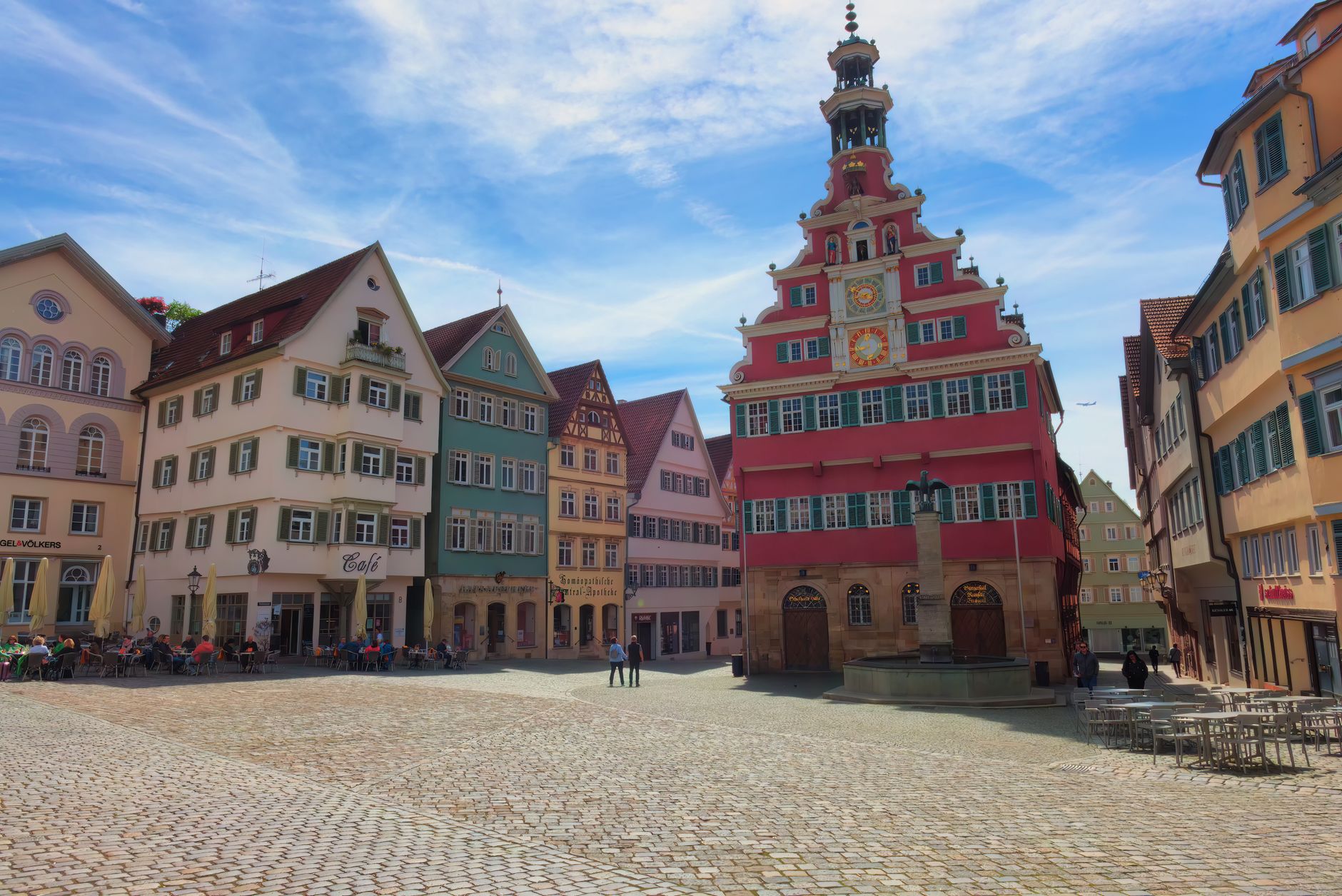
People who come back tend to time a visit for mid-September, when the Viehscheid cattle drive brings bells and brass bands into the square. Others make a habit of picking up the local dialect — Griaß di for hello, Pfüat di for goodbye — and using it at the bakeries and sports shops ringing the Marktplatz. The world's largest ski boot, housed in the local history museum, earns a reliable second look.
The story behind Oberstdorf Town Centre (Marktplatz)
Oberstdorf appears in records as far back as 1141, but it was King Maximilian's grant of market rights in 1495 that gave the Marktplatz its purpose — a weekly hub for trading cheese, cattle and flax that set the commercial rhythm the square still follows today. The town also gained High Court status that year, cementing its role as the administrative centre of the southern Allgäu.
The 1865 fire erased most of what had accumulated over those centuries. The rebuilding was swift and fairly uniform, which is why the centre reads as a coherent late-nineteenth-century ensemble rather than a layered medieval one. The railway arrived in 1888, connecting Oberstdorf to Immenstadt and beyond, and shifted the economy decisively toward the visitors who have been arriving by train ever since.
Good to know
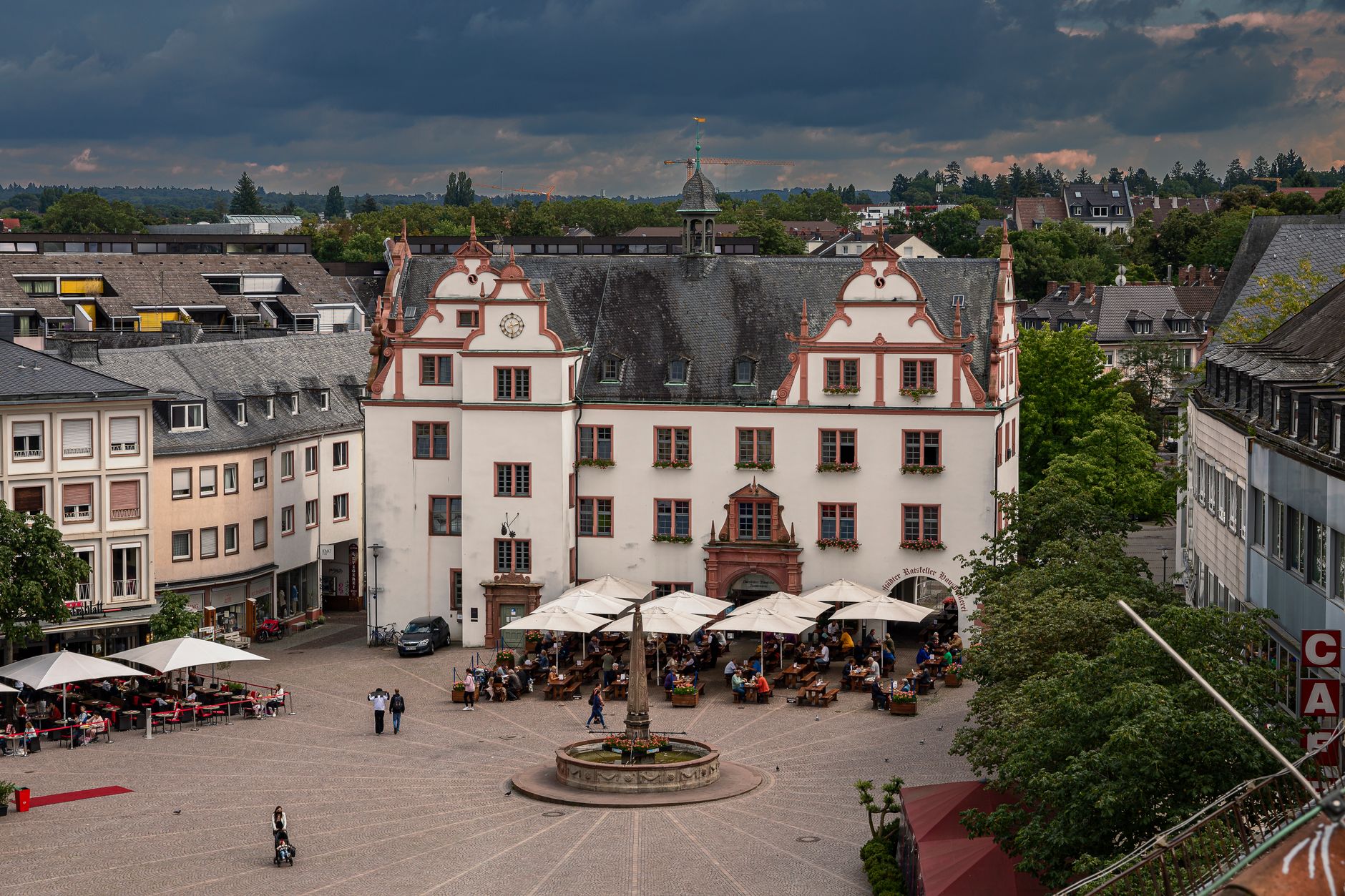
Oberstdorf sits at the end of a Deutsche Bahn line, about 2.5 hours from Munich. The town centre is largely car-free, with car parks on the outskirts. The tourist office at Oberstdorf Haus is weekdays only; the railway station office opens seven days a week in the mornings. Three main sights fall within a five-minute walk of each other.
Summers are mild and wet, with rainfall peaking from orographic cloud build-up over the Alps — useful to know if you're planning an afternoon in the square. Winters are cold and snowy, with January averages around -2°C; the Marktplatz looks its most photogenic under fresh snow, though the mountain roads and lifts take priority for most visitors then.
Where is Oberstdorf Town Centre (Marktplatz)?
Location
- In Oberstdorf
- 47.4069, 10.2797
- Open in Google Maps
More tickets & tours for Oberstdorf Town Centre (Marktplatz)
Book directly at the provider
More of Oberstdorf
Discover where to stay, what to do and the best deals for your trip.
Explore Oberstdorf →More attractions in Oberstdorf
All of Oberstdorf →
Background adapted from Wikipedia (CC BY-SA) · map data © OpenStreetMap contributors · ratings & place photos via Google · other photos with per-image credit. Ticket links may earn us a commission at no extra cost to you.