
Fellhorn
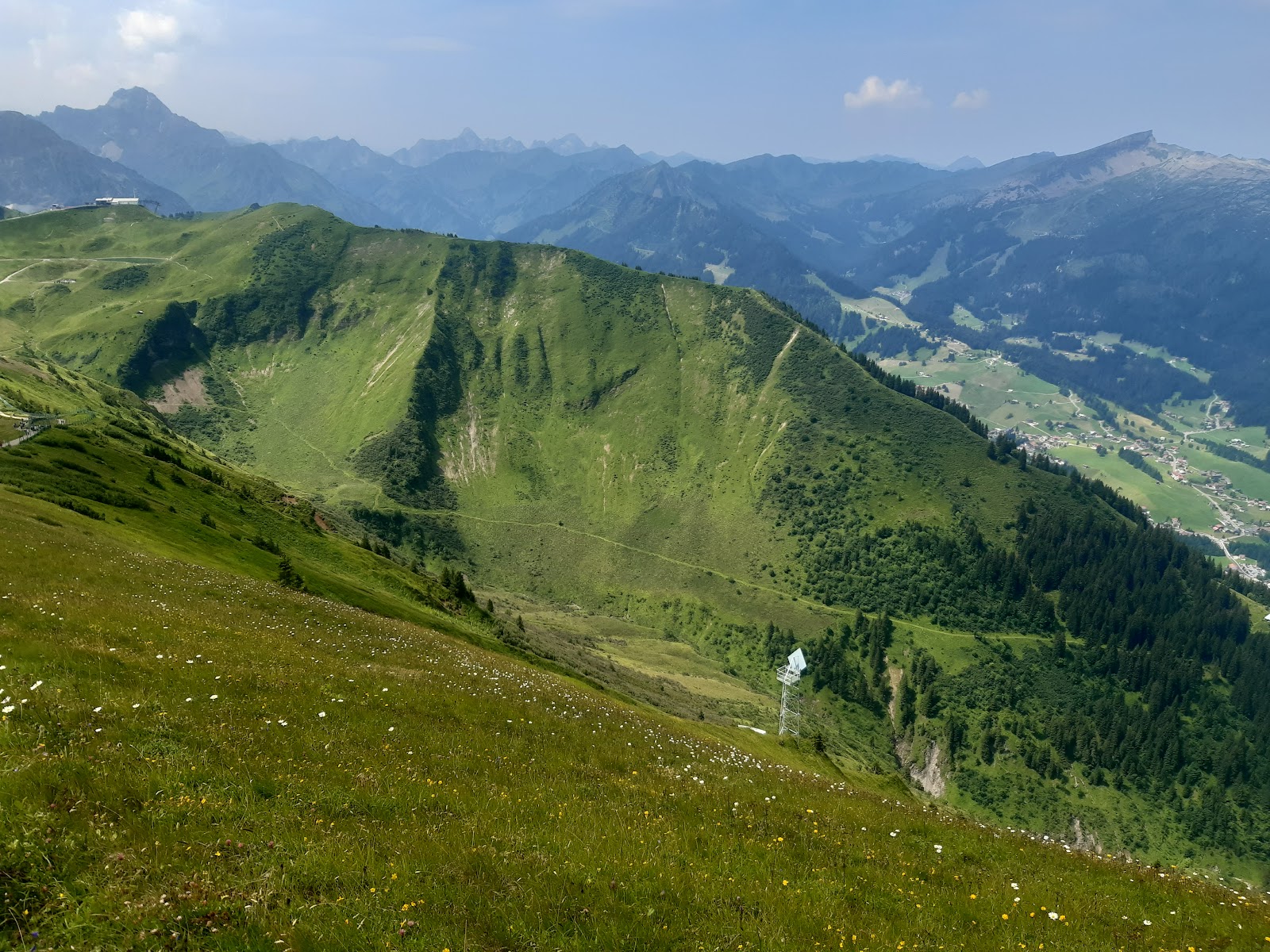
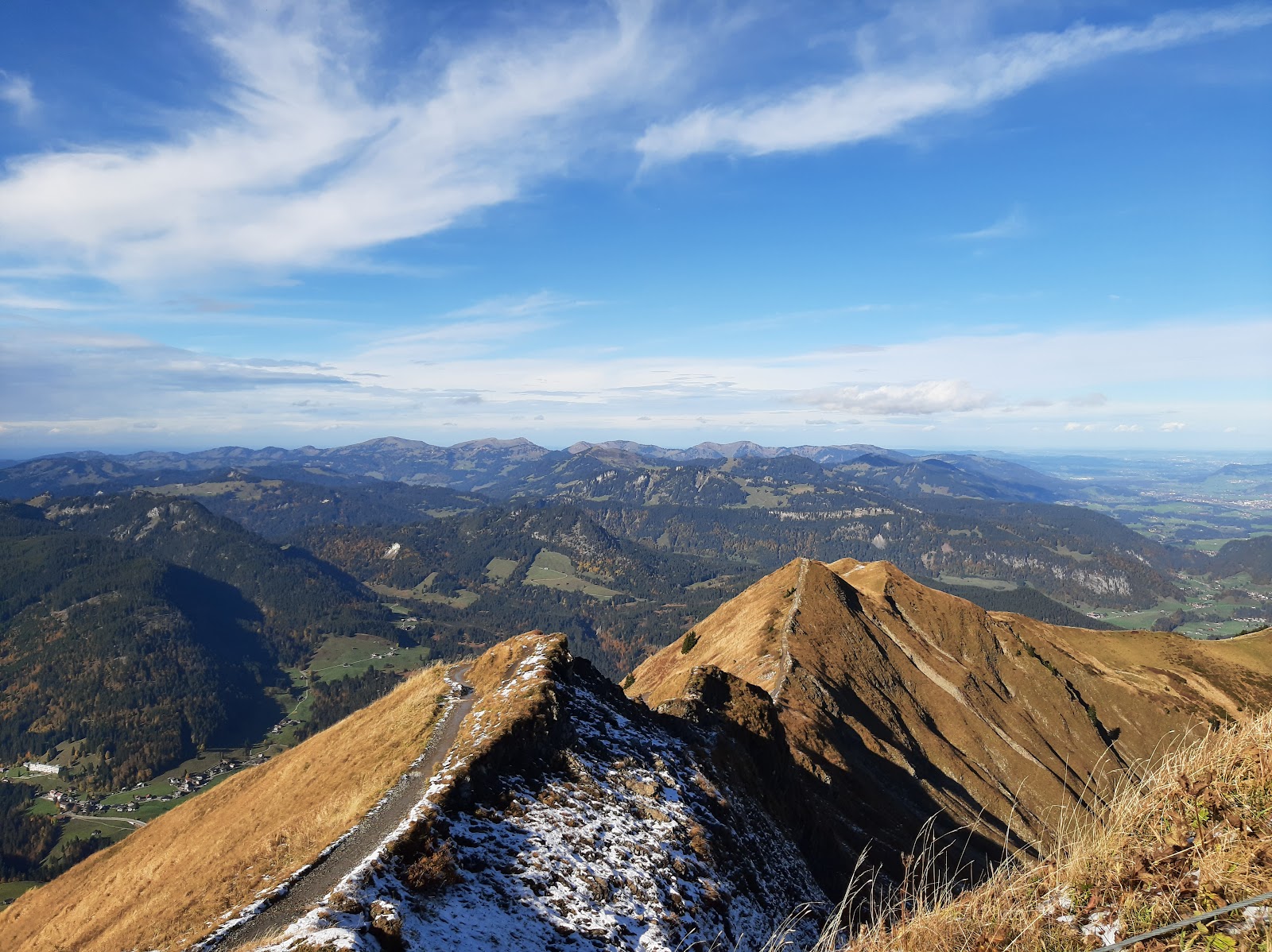
The ridge between Fellhorn's summit and the Kanzelwand forms a natural border — one foot in Germany, the other in Austria — and the alpenroses that line it in late June don't seem to know or care which side they're on. At 2,037 metres, the views reach across a landscape of Main Dolomite limestone and high pasture that has been here far longer than any cable car.
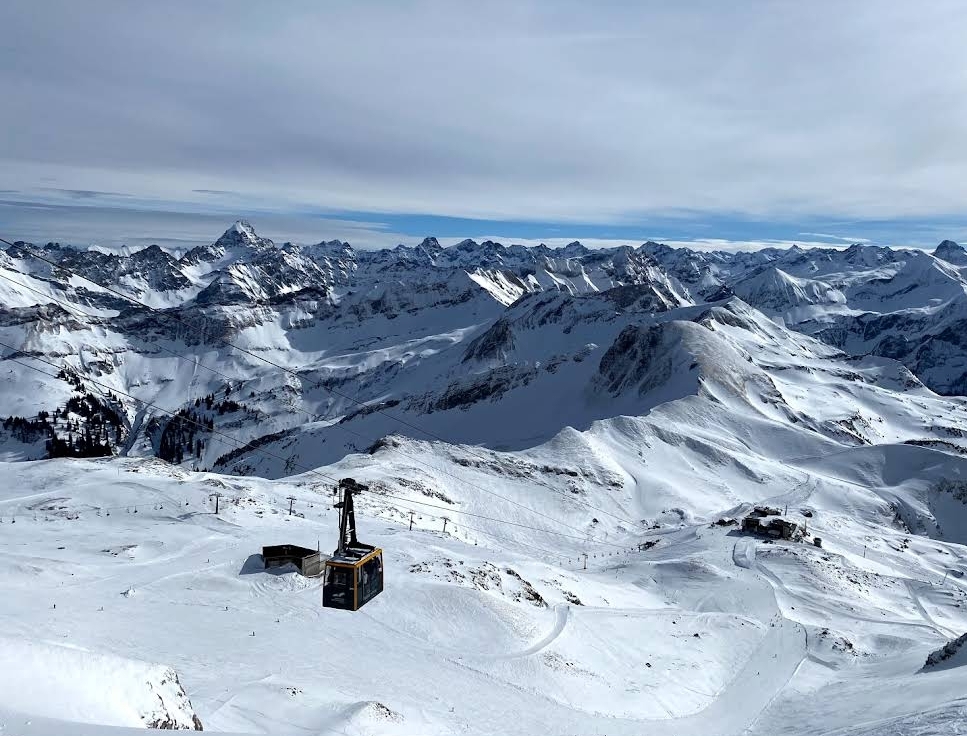
The Fellhornbahn lifts you from the valley floor at 927 metres to the summit station in two sections, bypassing the long switchback paths that hikers still use. The Bergschau 2037 natural discovery centre at the top gives the mountain's geology and flora some context before you step out onto the ridge.
💛 What travellers fall for
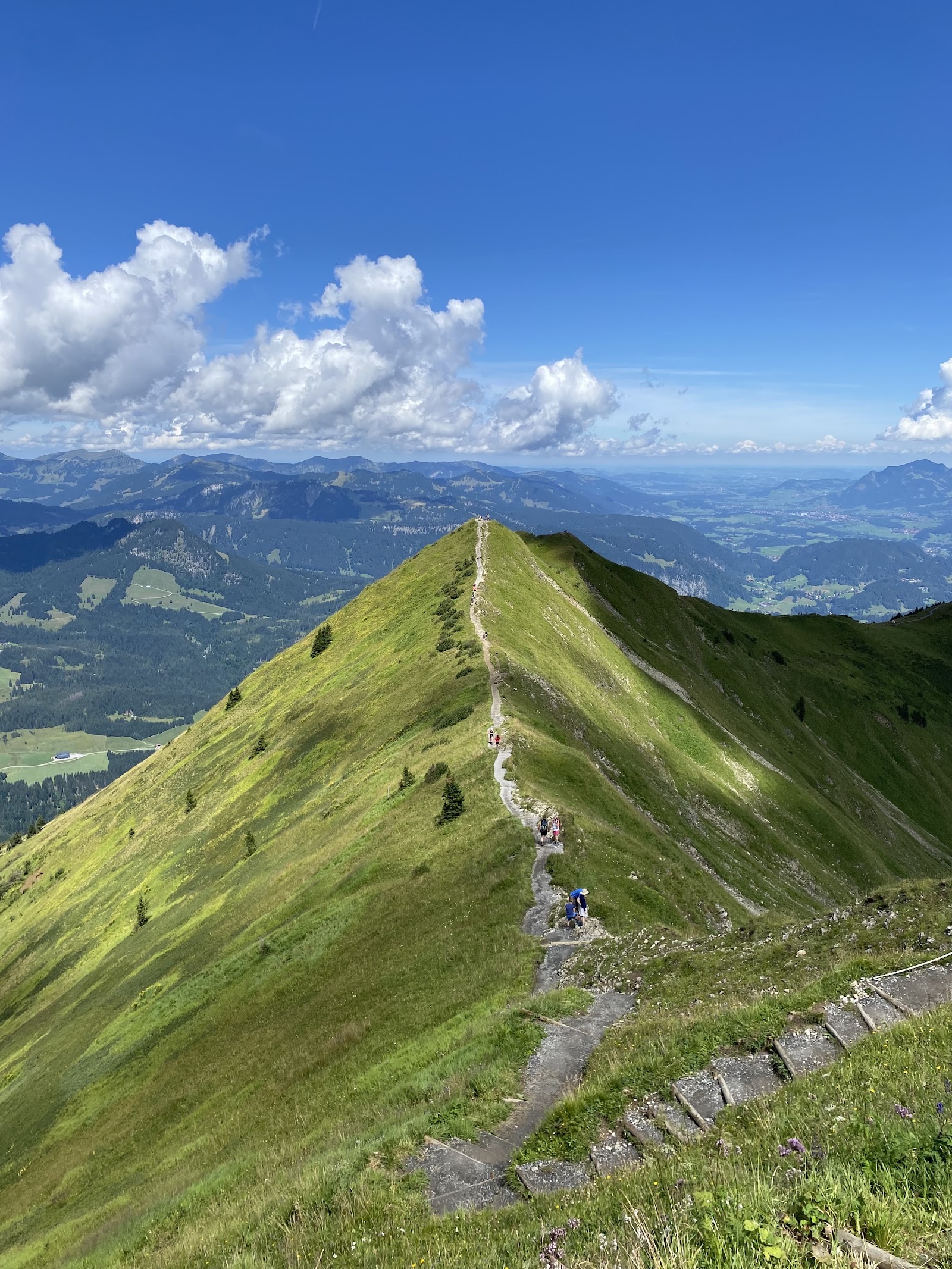
People who come back tend to time it for a weekday in early July, when the alpenrose fields are at their peak and the trails aren't three abreast with day-trippers. The ridge walk to Kanzelwand — about an hour, with fixed steel cables on the exposed section — is the thing they actually return for, not the summit itself.
The story behind Fellhorn
The Fellhornbahn GmbH was founded in April 1970, and the groundbreaking for the first lift followed in 1971. Swiss manufacturer Willy Habegger erected the initial section in 1972; the upper Gipfelbahn came the following year. The two-stage system opened the mountain to visitors who had previously needed a full day's walking to reach the summit ridge.
The original gondola was replaced in winter 2006–2007 when Leitner built the Fellhornbahn II — at 2,813 metres Germany's longest single-cable gondola lift, rising 855 metres from the valley. Six information pillars along the Fellhornweg trail, and the Bergschau 2037 centre at the summit station, were added to explain the landscape the infrastructure had made accessible.
Good to know
Take Bus 7 from Oberstdorf bus station toward Fellhornbahn Brücke for the direct cable car. Last ascent is typically around 16:50. Parking at the base costs €5. Weekdays are noticeably quieter. Check whether your accommodation includes a guest card covering the cable car.
Summer (June–August) brings the warmest days — up to 22°C in the valley — but also the heaviest rainfall; June averages 232 mm over 19 days, so a waterproof layer is not optional. Snow typically covers the mountain from December through April, with the snowiest period in early January.
Where is Fellhorn?
More tickets & tours for Fellhorn
Book directly at the provider
What travellers say about Fellhorn
Amazing view! Hike from the bottom is very steep and takes 3-4h. You could also take the gondola up and then hike another 1h to the top. The path is also pretty steep with lots of steps but the view is amazing. You have a 360° view at the top! There is also a restaurant halfway.
On the third day of the hike, everyone thought that today's Fellhorn was the most beautiful hiking trail in the Allgu mountains. And the ridge in Figure 3 is the boundary line between Germany and Austria, I walked with trepidation and excitement. Because walking between the clouds, see the scenery is too valuable, which year in May must come to see the sea of flowers
A beautiful place that offers lots of hiking trails. Also accessible by cable car.
Very beautiful location for hiking
This was a challenge but it was a beautiful one.
More of Oberstdorf
Discover where to stay, what to do and the best deals for your trip.
Explore Oberstdorf →More attractions in Oberstdorf
All of Oberstdorf →
Background adapted from Wikipedia (CC BY-SA) · map data © OpenStreetMap contributors · ratings & place photos via Google · other photos with per-image credit. Ticket links may earn us a commission at no extra cost to you.