
Museo dei Grandi Fiumi

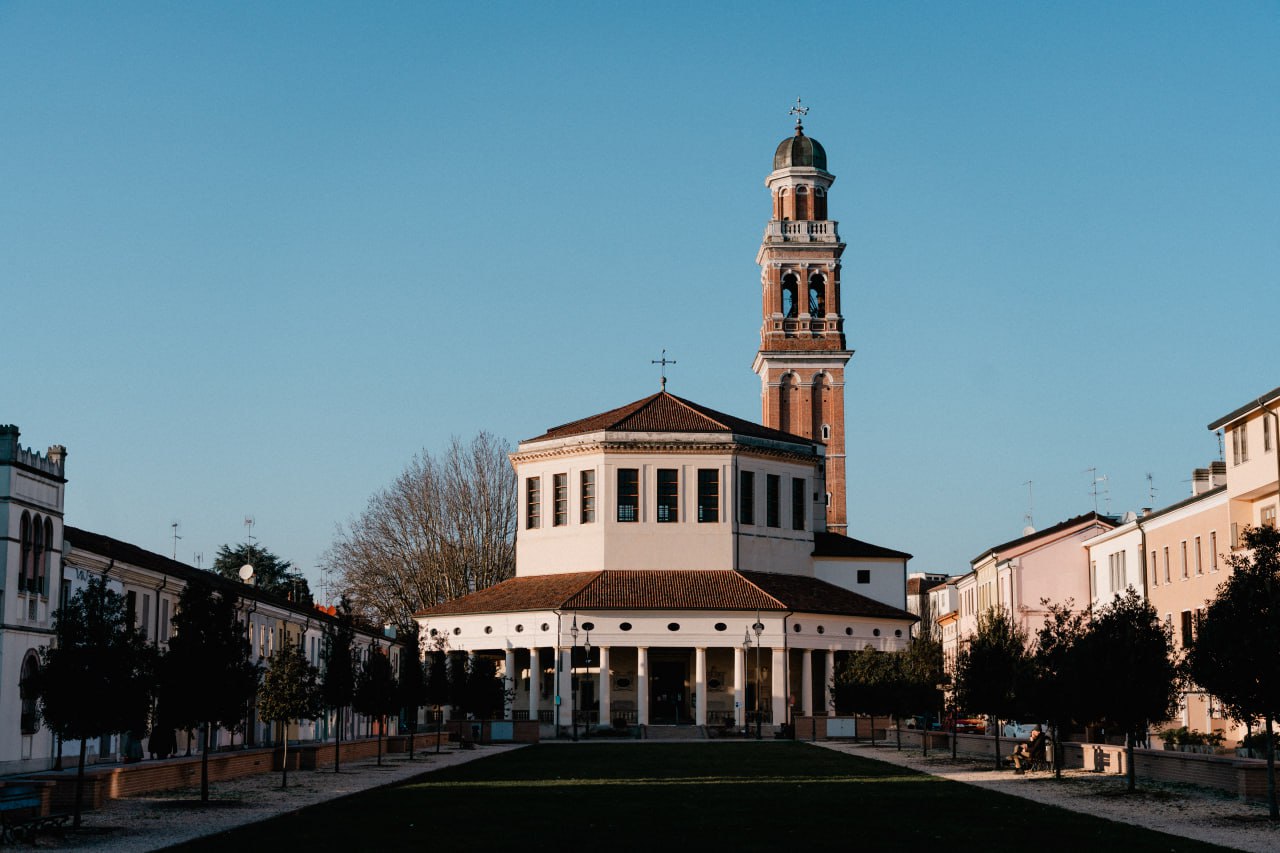
The former Monastery of San Bartolomeo sits on its own piazza in Rovigo, two cloisters and a well-worn courtyard announcing that something substantial happened here long before the museum moved in. What's inside now is a walk through 3,500 years of life along the Po and Adige — the two rivers that made this flat corner of the Veneto one of the most continuously inhabited places in northern Italy.
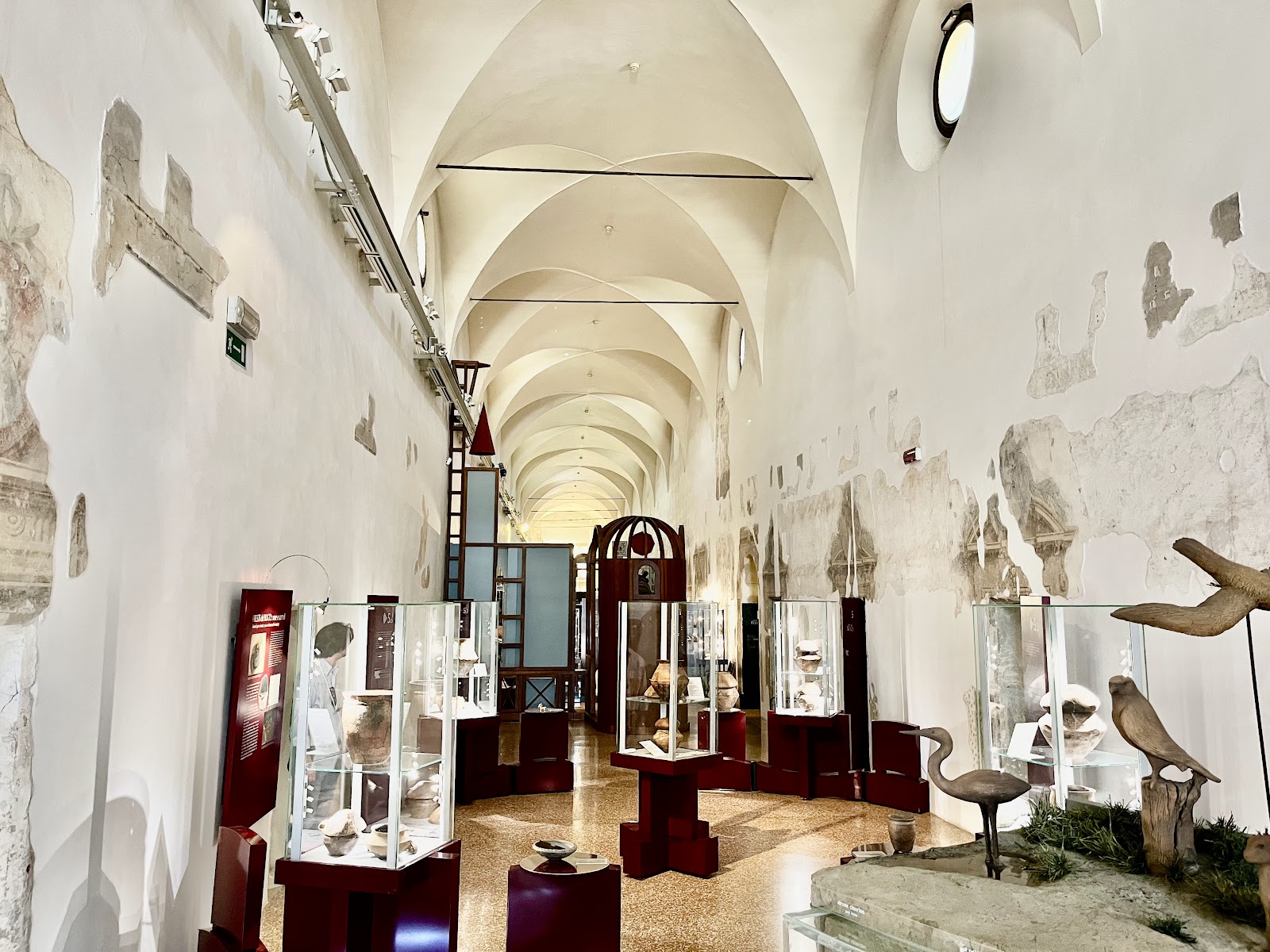
The Museo dei Grandi Fiumi earns its name. Civilisations along great rivers are its subject, and Polesine — sometimes called the Mesopotamia d'Italia — is its proof. Dioramas reconstruct Bronze Age dwellings at near-human scale; some artefacts are reproduced as copies you can actually handle.
💛 What travellers fall for
People who come back tend to linger in the Roman Age rooms, where scenic design by theatrical scenographer Gabbris Ferrari gives the archaeology an almost stage-set quality that shouldn't work but does. The Renaissance section's backdrop — a full-scale reconstruction of the Pomposa bell tower — stops most visitors mid-sentence.
The story behind Museo dei Grandi Fiumi
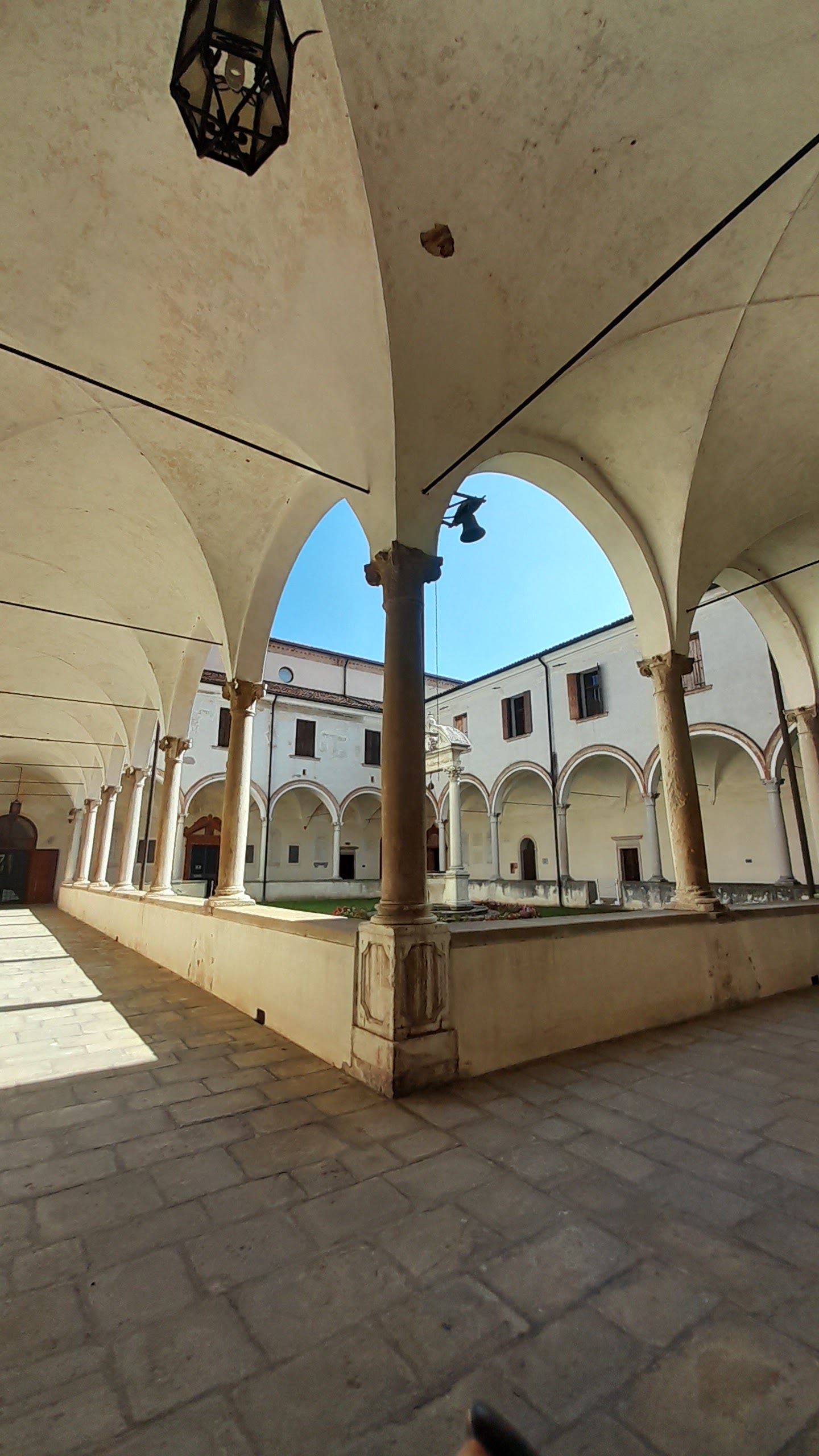
The monastery on Piazza San Bartolomeo dates to the thirteenth century and was expanded substantially in the sixteenth and seventeenth centuries under the Olivetani order. Like so many Italian religious houses, it was suppressed during the Napoleonic period and eventually repurposed. A civic museum — the Museo Civico delle Civiltà in Polesine — had occupied the space since 1978.
The current institution was formally constituted in 1998 and opened to the public on 20 April 2001, with the Bronze Age section first. The Iron Age followed in 2002, the Roman Age in 2004, and the Medieval and Renaissance sections arrived in 2012 and 2014 respectively — a museum that has been steadily building itself out for over two decades.
Good to know
Rovigo's railway station is well-connected on the Padua–Bologna line; the museum is a short walk or bus ride from there. Tuesday through Thursday the museum closes at 13:00 with no afternoon session, so aim for a Friday–Sunday visit if you want the full day. The Rovigocard (€12) covers multiple sites and is valid 30 days.
Where is Museo dei Grandi Fiumi?
More tickets & tours for Museo dei Grandi Fiumi
Book directly at the provider
What travellers say about Museo dei Grandi Fiumi
Not too expensive, enjoyable collection of local history. It is quite noticeable that most photos / videos / electronics are quite old. There is a heavy late 90s vibe to this place, but that is reflected in the low ticket price. What adds a lot of atmosphere to this museum is that it is located in an old monastery. As all of the monasteries in my own country got destroyed (protestantism happened, monasteries were outlawed) it was a great bonus to have most of the museum located in the second floor hallways. Perhaps I would advice the museum to advertise itself a bit better, I only went there because a friend of mine who is a local knew about it. Even the entrance is a bit hard to find with very scarce signage. PS All the texts are in Italian and English, so that shouldn't stop a foreign visitor.
Great museum especially for the Bronze and Iron ages.
Fabulous venue, I recently was at my friends wedding here and it's perfect for photos - such a wonderful building
Great museum. Very interesting insights into the history of the area (Etruscan particularly).
it will tell you a lot of the troubled history of this part of the Veneto where the water of its great rivers has been its curse and saving grace.
More of Rovigo
Discover where to stay, what to do and the best deals for your trip.
Explore Rovigo →More attractions in Rovigo
All of Rovigo →

Background adapted from Wikipedia (CC BY-SA) · map data © OpenStreetMap contributors · ratings & place photos via Google · other photos with per-image credit. Ticket links may earn us a commission at no extra cost to you.