
Museo Civico Ebraico di Pitigliano
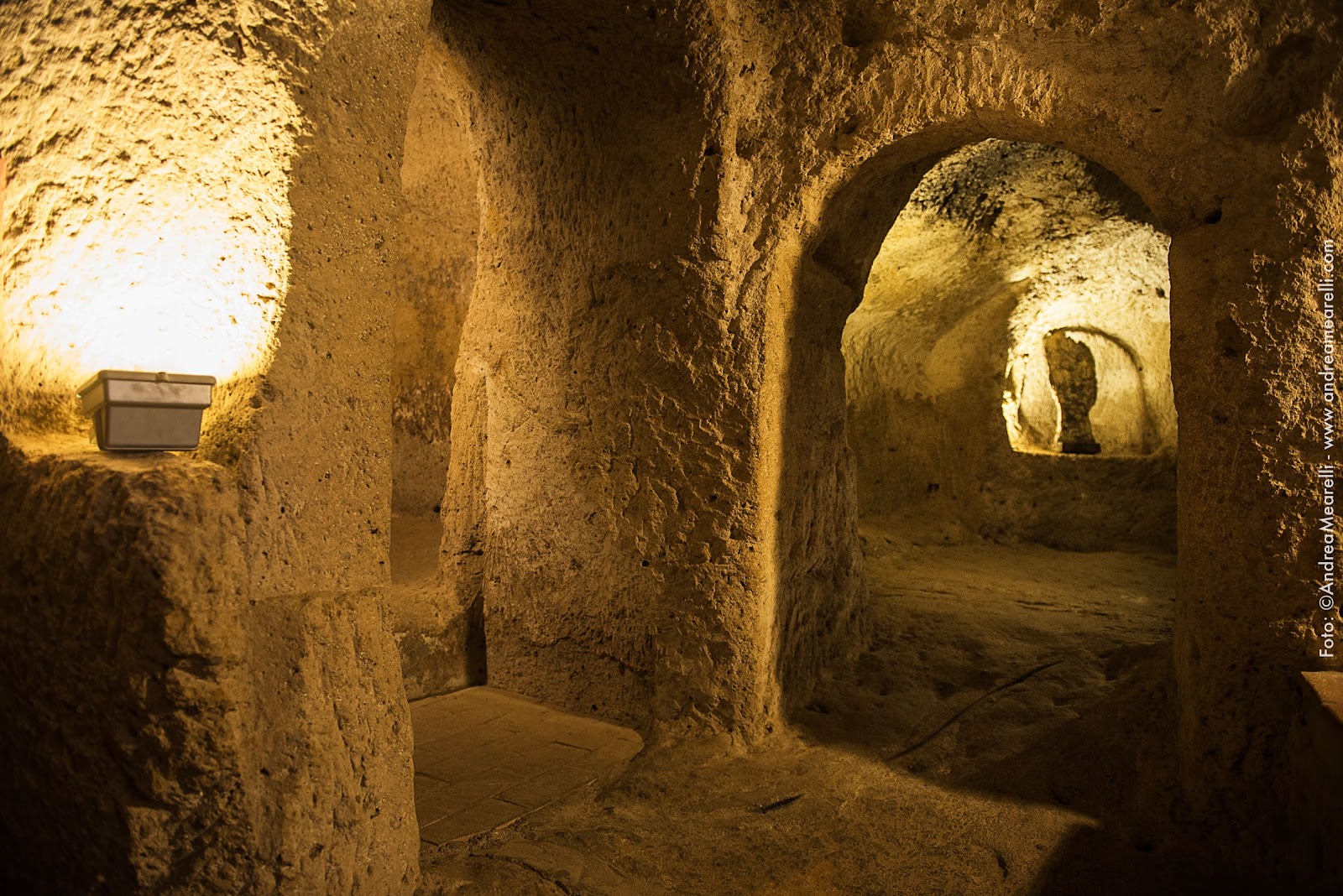
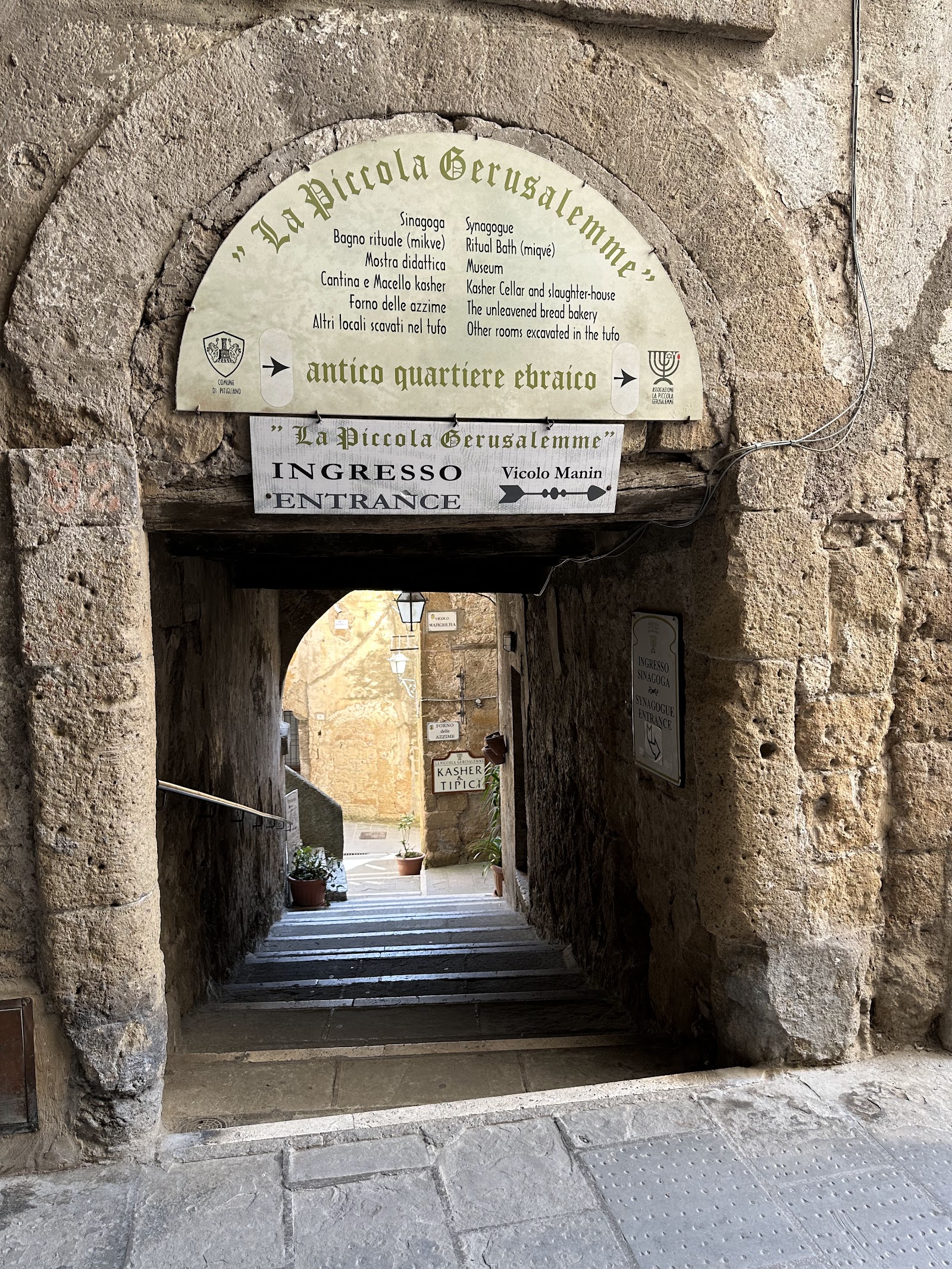
Below the Cathedral of Saints Peter and Paul, carved into the volcanic tuff on which Pitigliano stands, a sequence of underground rooms holds the material life of a community that once made up a quarter of this town's population. You descend into a ritual bath, a kosher butcher's space, a matzoh oven that last fired in 1939, and a dye-works — all cut from the same soft stone as the cliff itself.
The Museo Civico Ebraico opened in 2002, built around the restored synagogue of 1598 and the ghetto lanes between Via Zuccarelli and Vicolo Goito. Its director, Elena Servi — over ninety years old and the last Jewish resident of Pitigliano — is the living thread connecting this place to everything it documents.
💛 What travellers fall for
People who come back tend to mention Elena Servi in the same breath as the matzoh oven. If she is present, take the time. She and her son Enrico Spizzichino founded the Associazione La Piccola Gerusalemme in 1996 specifically to keep this memory intact, and what she carries is not in any display case.
The story behind Museo Civico Ebraico di Pitigliano
The first Jewish families reached Pitigliano in the late fifteenth century. In 1556, Count Niccolò IV Orsini granted land to his personal physician, David de Pomis, to establish a Jewish cemetery — an early sign of the community's standing. The synagogue followed in 1598. When the Medici absorbed the county in 1608 and formalised the ghetto in 1622, they also inadvertently concentrated a community that would grow to represent a fifth or more of the local population by the nineteenth century, earning Pitigliano the name La Piccola Gerusalemme.
Italian unification in 1861 opened the wider world, and many families left for Livorno, Rome, and Florence. By 1938, roughly seventy people remained; by the war's end, around thirty — sheltered by Catholic neighbours in the surrounding countryside. The synagogue partially collapsed in the 1960s. It was restored and reopened in 1995, and the museum followed seven years later, founded by Elena Servi and her son to ensure the record did not disappear with the community itself.
Good to know
The museum is closed Saturdays. Summer hours run to 18:00; winter hours cut off earlier, so plan accordingly. Entry is €6, with reductions for students and seniors. The full tour runs about an hour and fifteen minutes. Book ahead for guided visits.
Where is Museo Civico Ebraico di Pitigliano?
More tickets & tours for Museo Civico Ebraico di Pitigliano
Book directly at the provider
What travellers say about Museo Civico Ebraico di Pitigliano
Overrated museum. It's small and you can see a lot of similar or more beatiful things in this town for free. Also, it's a very uncomfortable feeling to walk through a quiet and tranquil town and then see two heavily armed soldiers guarding this museum. No thank you... We prefer places that are not so hostile.
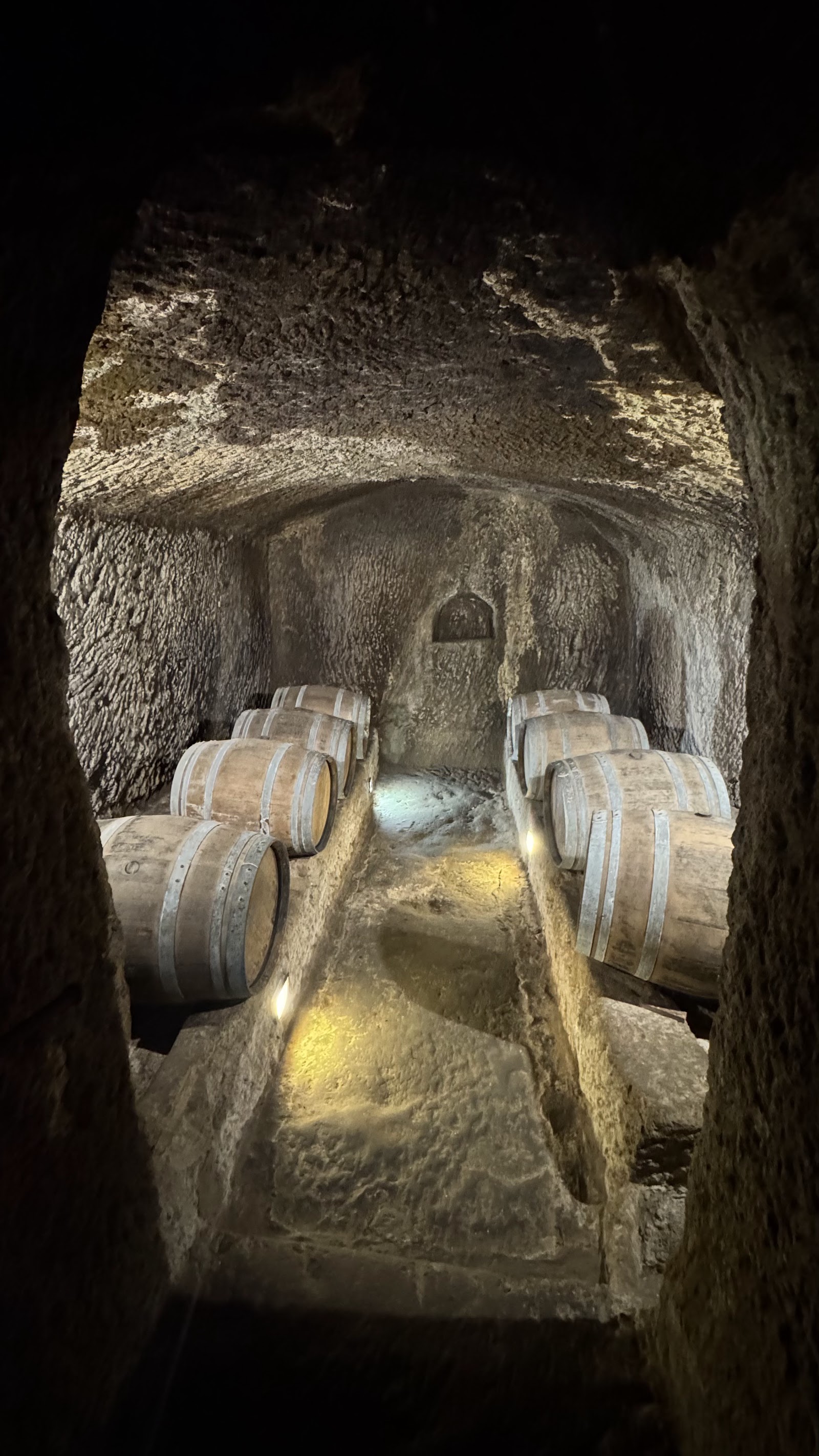
Fabulous museum from the ghetto starting back to 1555 where the village of Pitigliano nicknamed "the small Jerusalem" was a place of refuge for the Jewish community, seeking to flee the city of Rome so as not to be subject to Catholic authority. The ghetto as such was formed at the beginning of the 17th Century which the Medici dynasty took command of the city and restricted Jewish mobility. Yet still the community was well integrated and respected, collaborating in the economic, social and cultural fabric of the town. Prior to the 2nd World War, the community was numerous and active. Throughout the 19th Century when there was greater freedom of movement, many members of the community left Pitigliano for the more economically attractive cities of Rome, Florence, Lucca or Livorno. By 1938, however, after Nazi racial laws took effect only 60 members of the community remained, many escaping capture thanks to their neighbors, but forced to hide with farming families in the valley. A plaque in the Ghetto commemorates the 22 Jews born in Pitigliano who were killed in concentration camps. The town of Pitigliano sided strongly against deportation and in 2002 the Yad Vashem Institute in Jerusalem, the honor of the "Righteous Among the Nations" was conferred to some Pitigliano families for their attempt to save their fellow citizens. The Synagogue was built in 1598 and following a landslide rebuilt in 1995 by the town. This visit include the synagogue (restored in 1995), Cultural center, ritual bathhouse, wine cellar, bakery, dye-works, all of which are dug into the native tufa stone, as well as the the fairly non-traditional Jewish cemetery tucked in a cypress grove below the town.
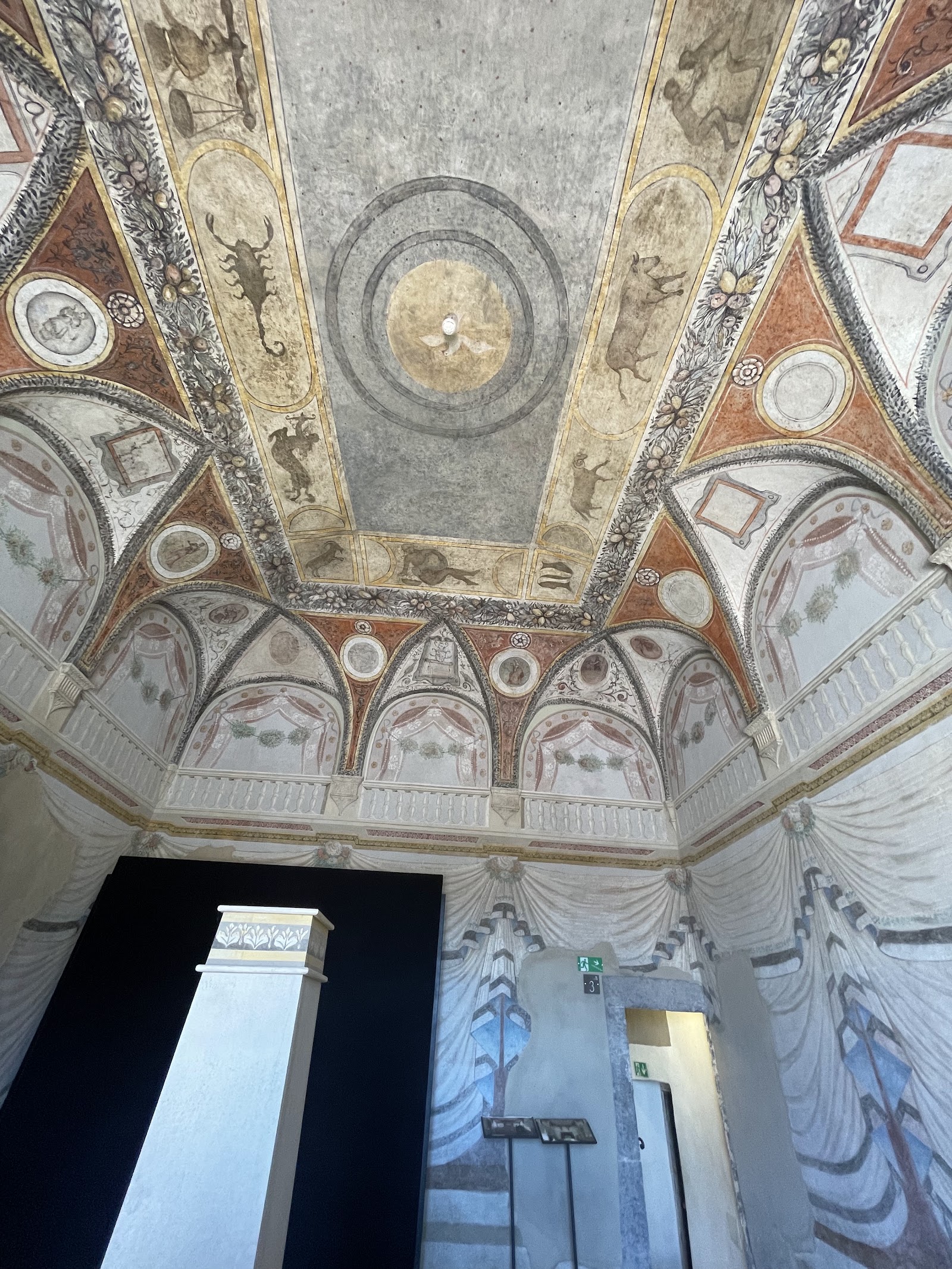
Fantastic history and well-appointed. Don’t miss the fantastic paintings on display as well. A truly wonderful experience that takes about forty-five minutes to fully absorb.
1598 a synagogue was built here, in 1622 ghetto created, in 19 century 1/4 of population were Jews- city was known for Jews as little Jerusalem. During the war 30 remaining Jews were helped by locals and hidden in the countryside
Small but very complete and informative museum with content in both Italian and English. As an American Jew, I found it interesting to read the descriptions of things I already know, to see how they are explained to others. I would recommend this visit as a wonderful learning experience for those who want to know more about the Jewish religion.
More of Pitigliano
Discover where to stay, what to do and the best deals for your trip.
Explore Pitigliano →More attractions in Pitigliano
All of Pitigliano →
Background adapted from Wikipedia (CC BY-SA) · map data © OpenStreetMap contributors · ratings & place photos via Google · other photos with per-image credit. Ticket links may earn us a commission at no extra cost to you.