
Mittenwald
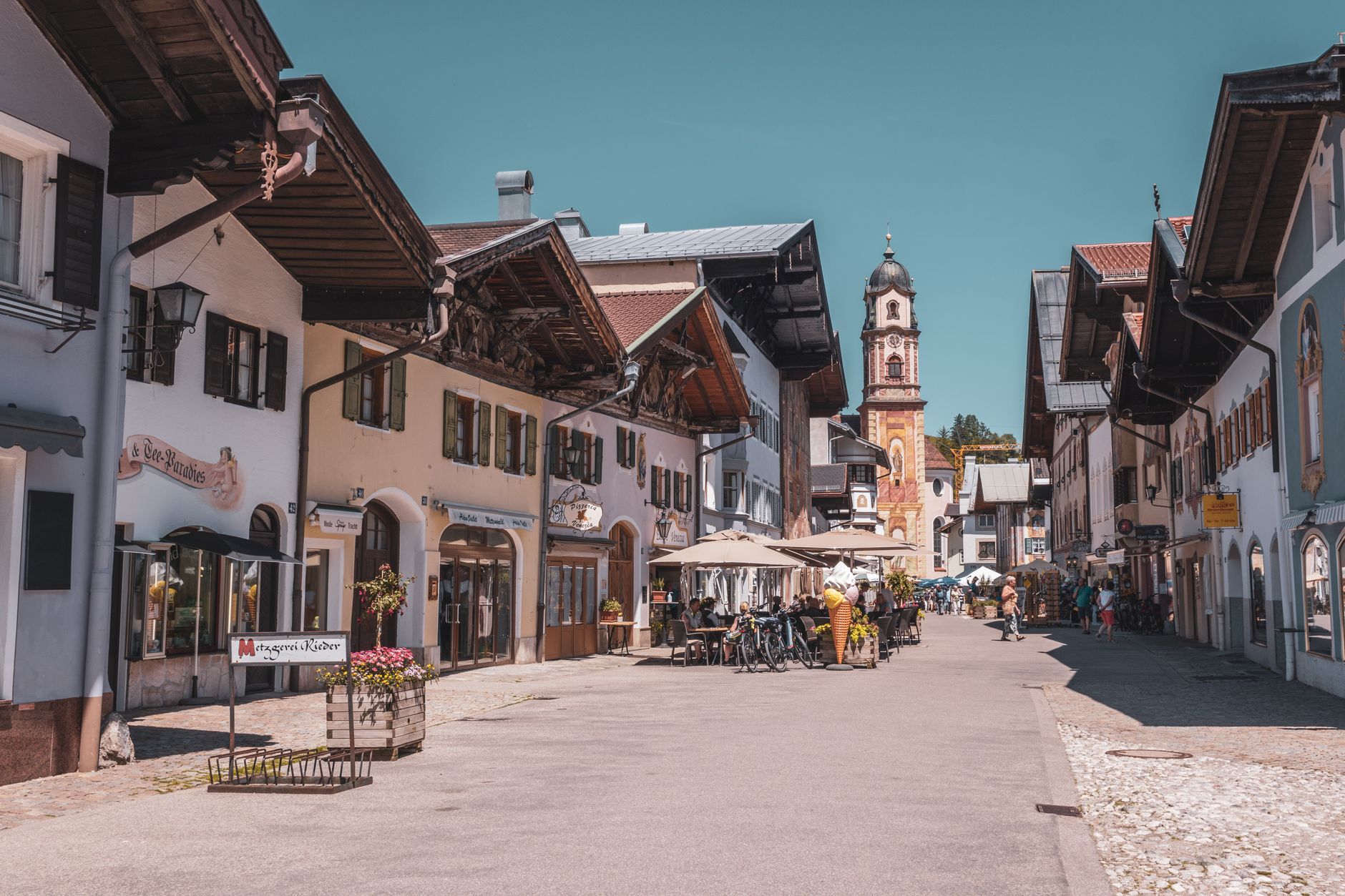
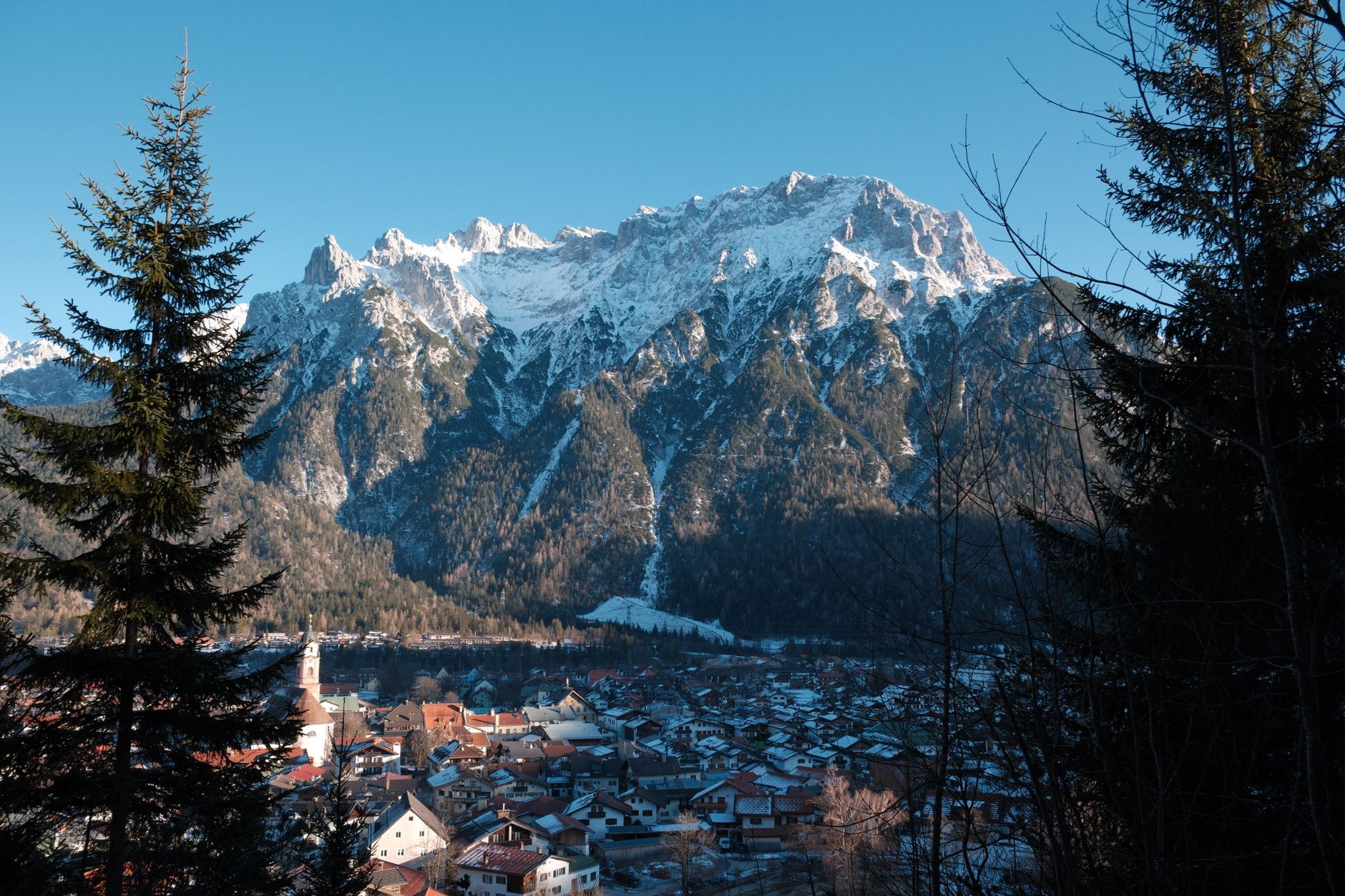
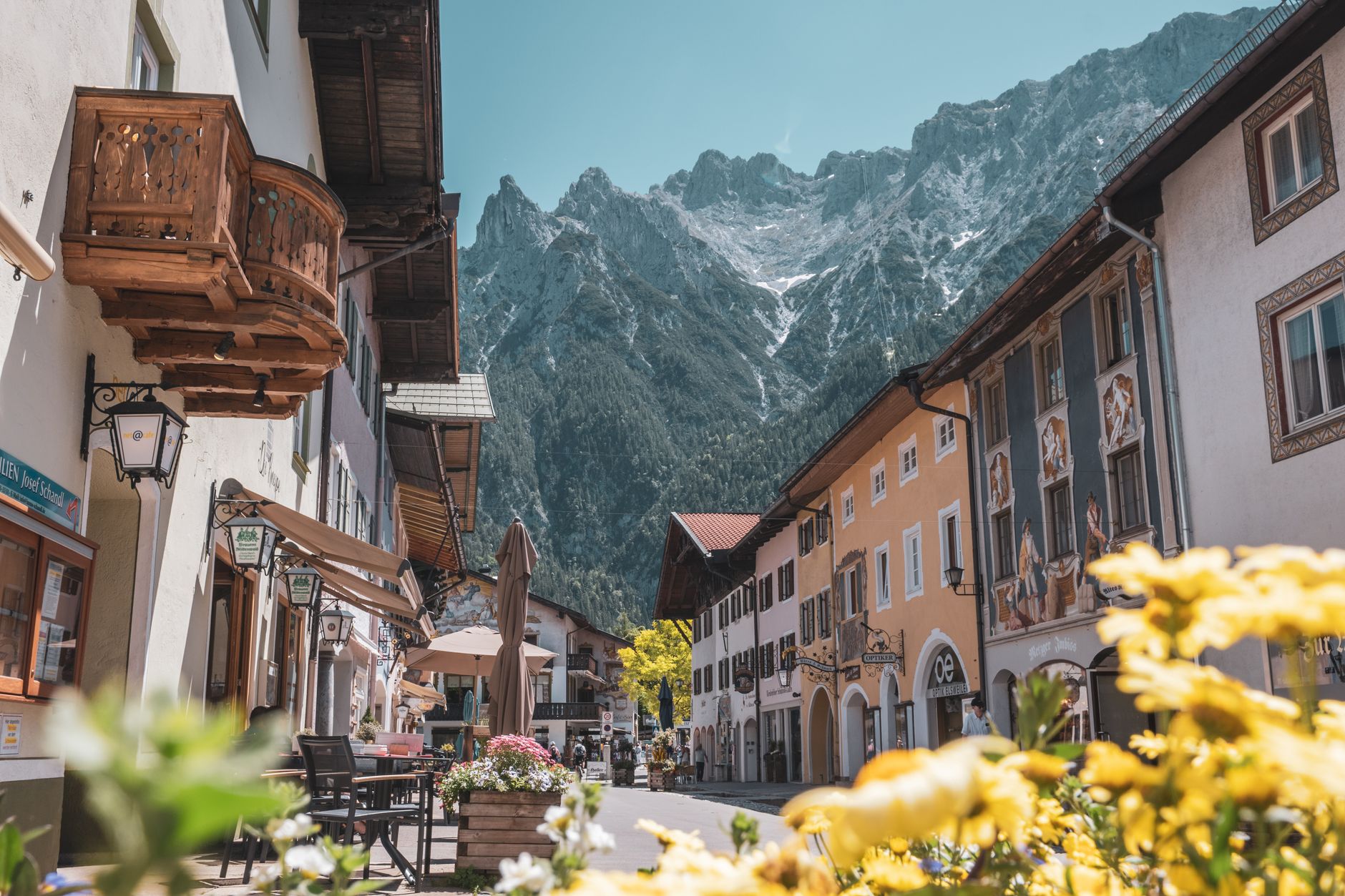
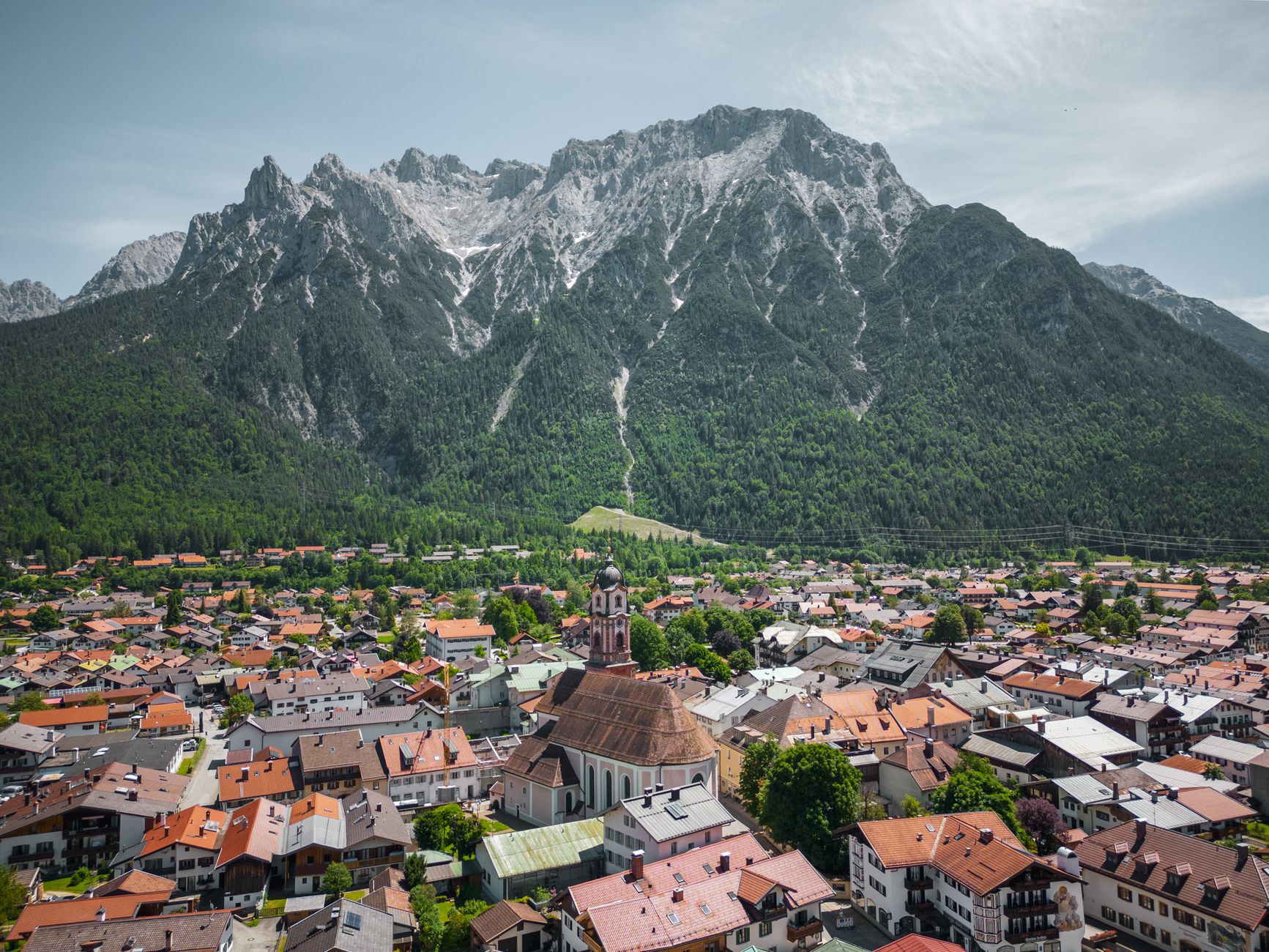
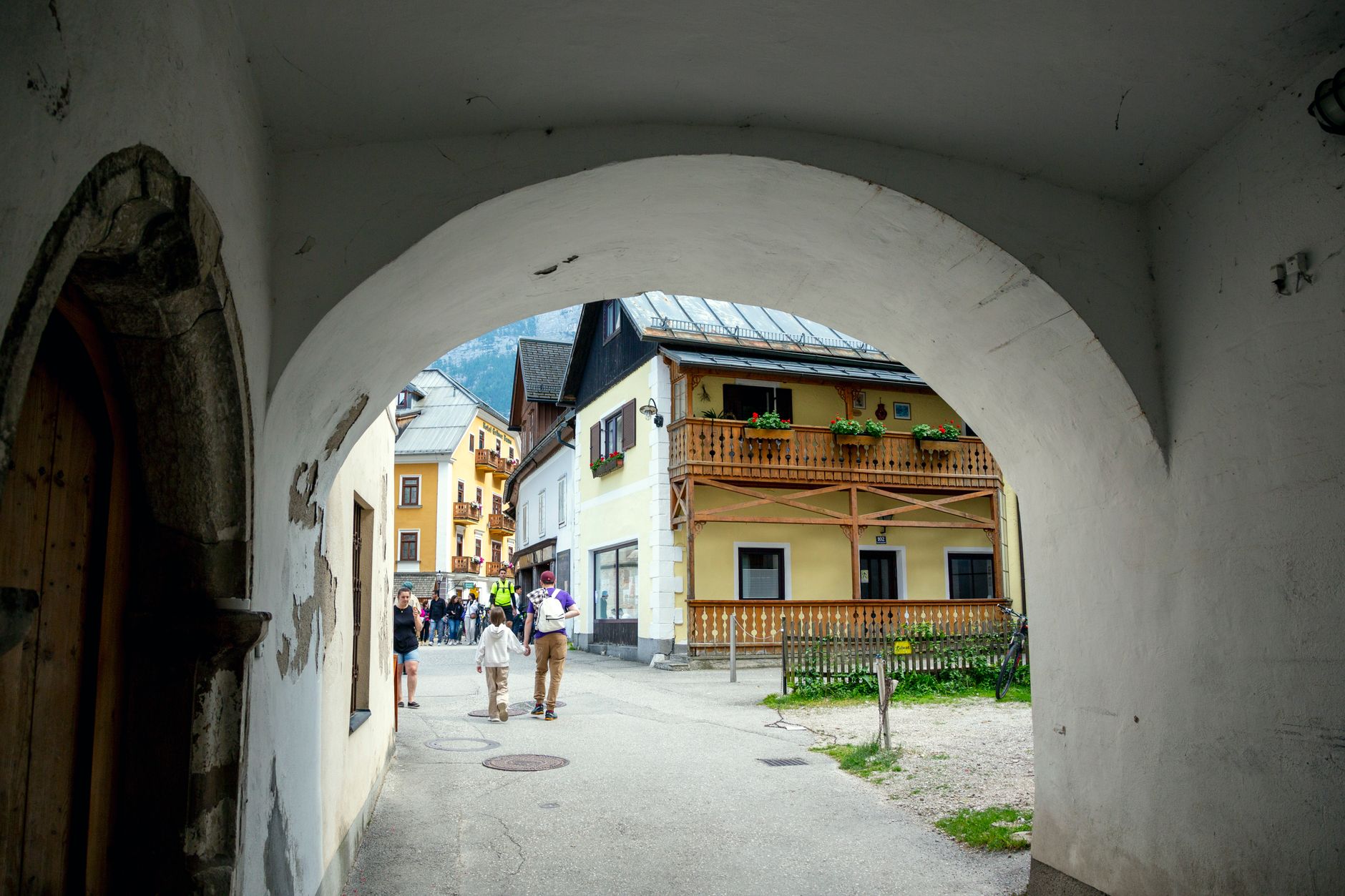
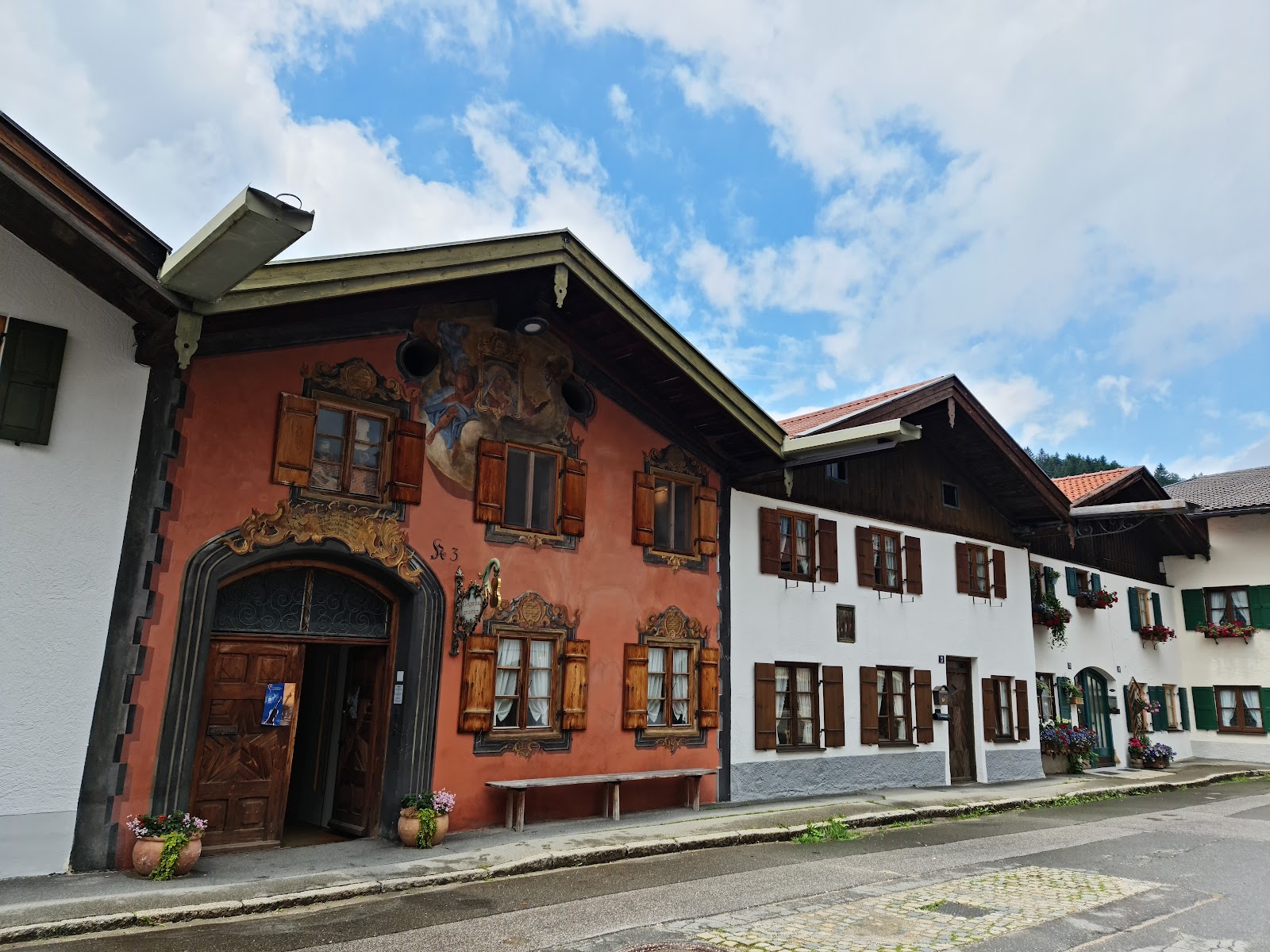
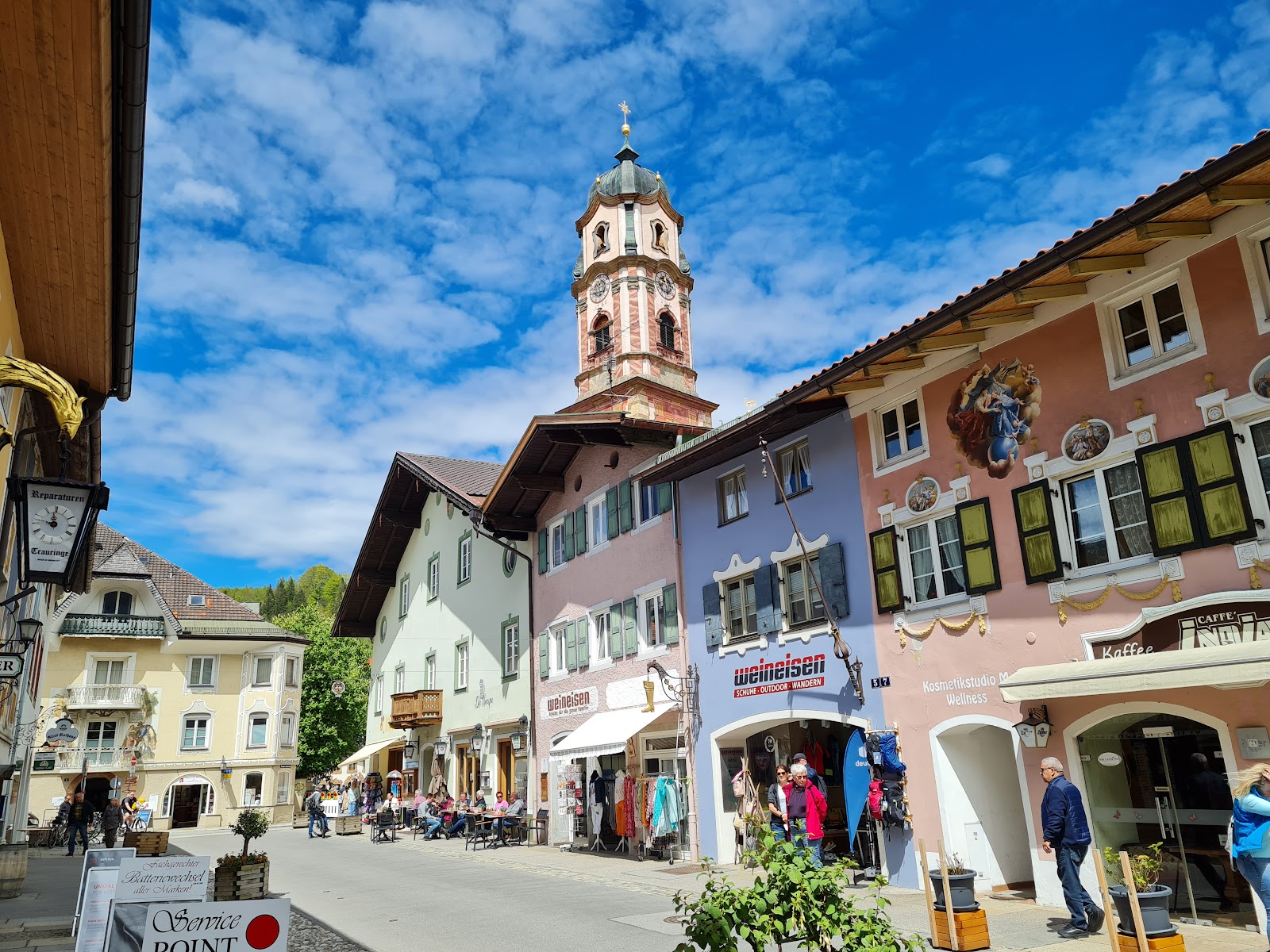
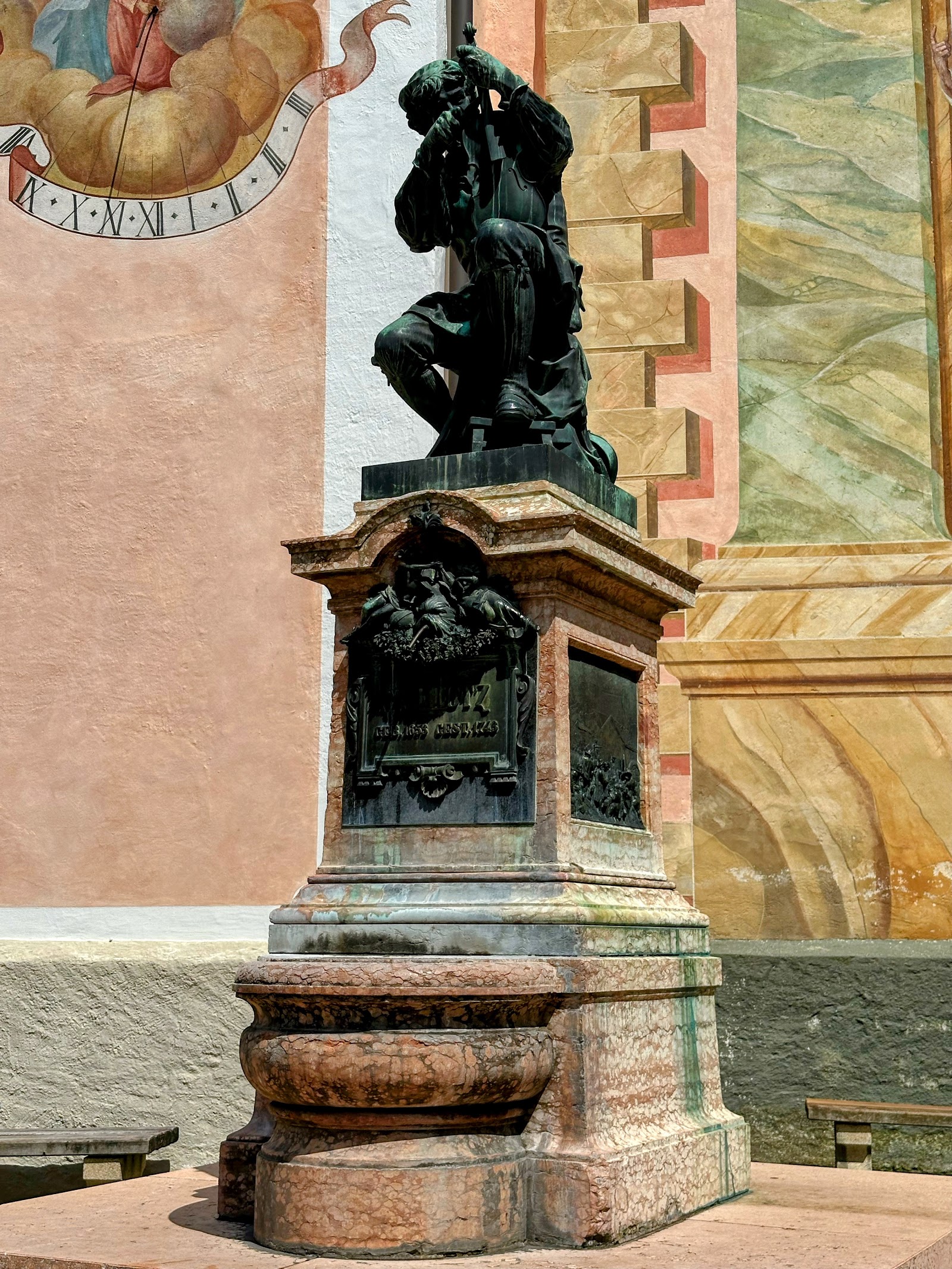
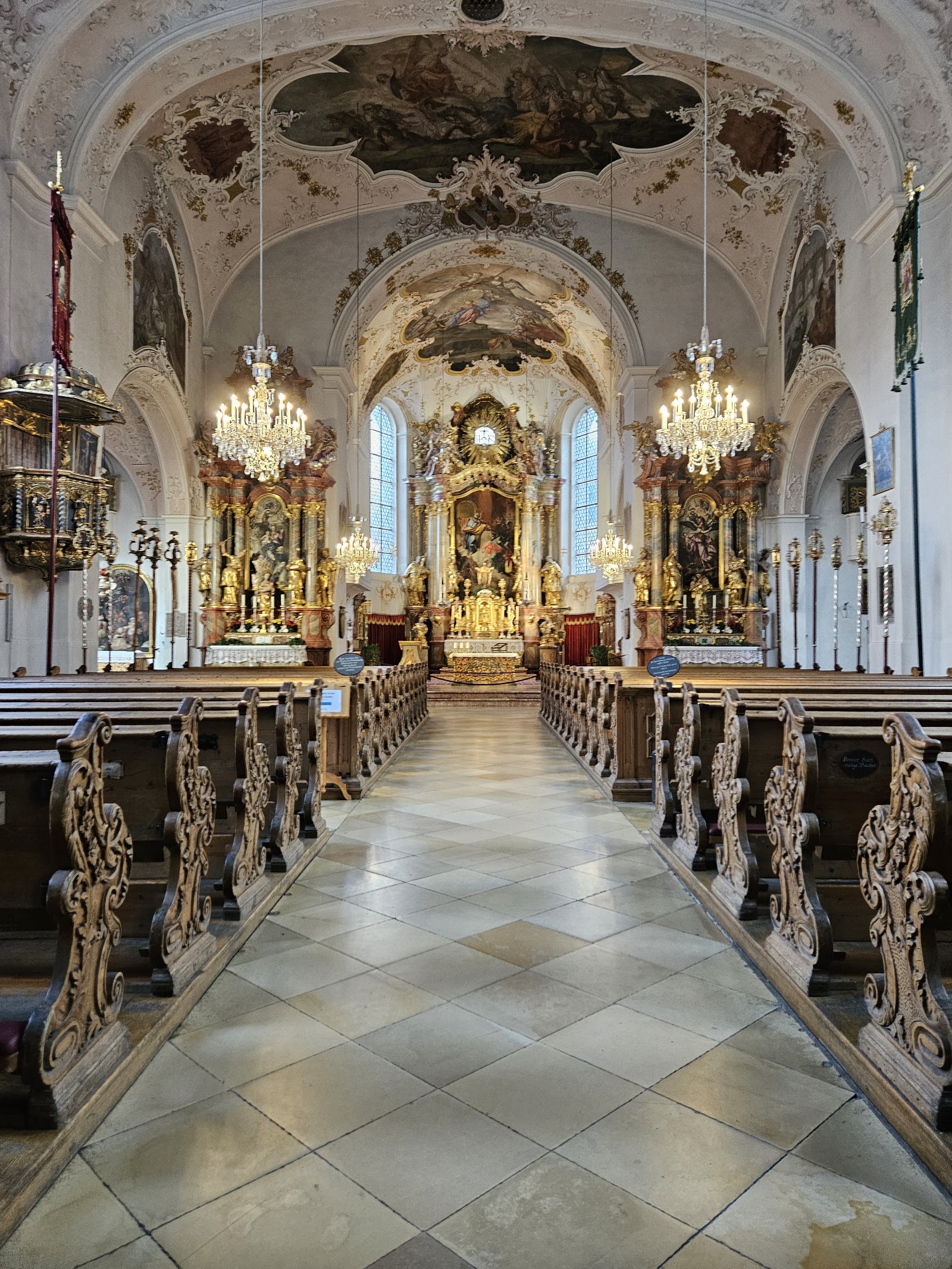
Stand at the centre of Mittenwald on a clear morning and the Karwendel range fills the sky so completely it seems the mountains were arranged for the view. The town has been making violins since the 1680s, when Matthias Klotz came home from an apprenticeship in Italy and set up a workshop here — and the craft never left. Walk any street and you'll pass painted façades, lüftlmalerei frescoes depicting saints and hunters, and the pink towers of St. Peter and Paul rising above the rooftops.
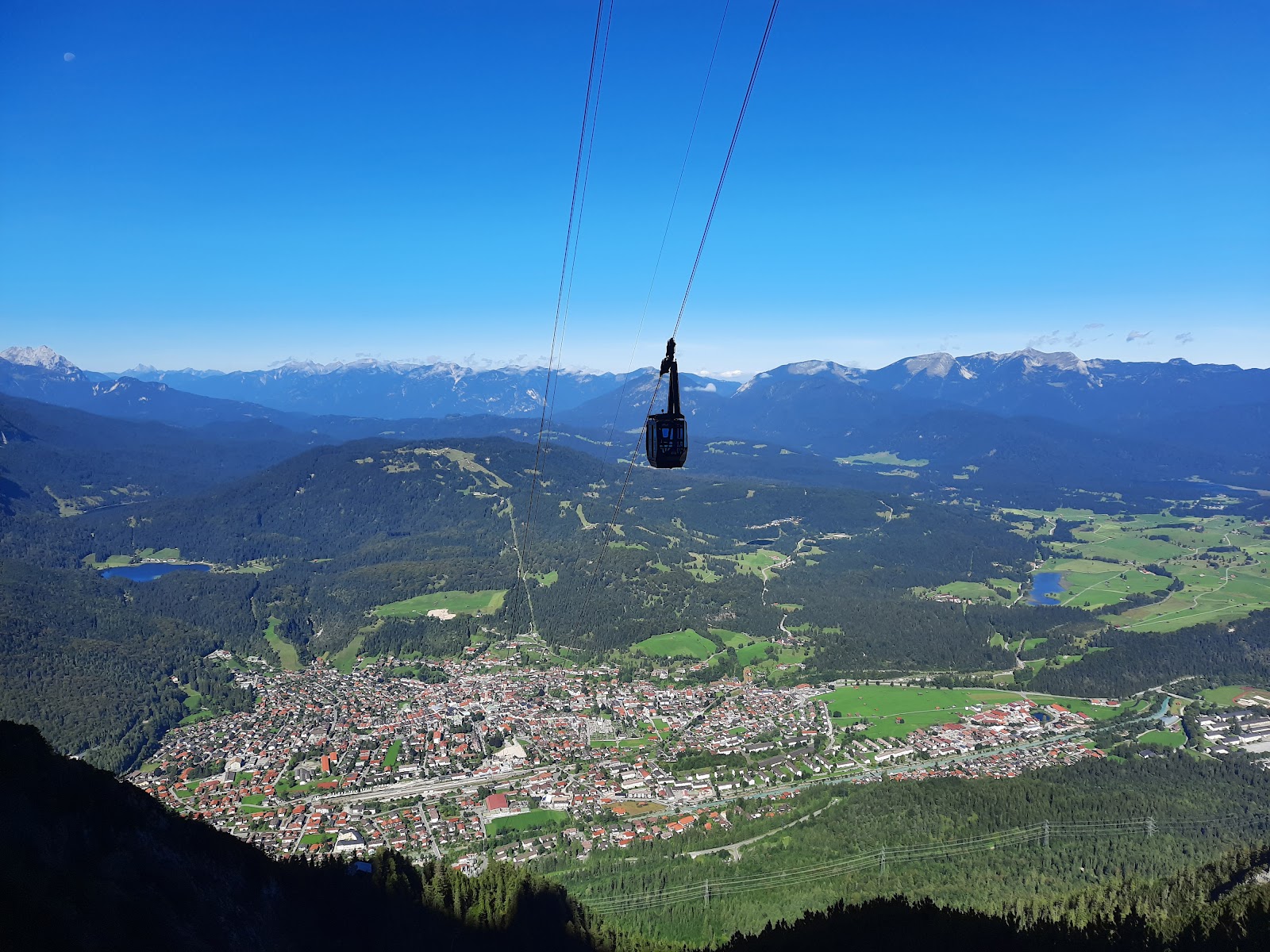
This is a small Bavarian town that earned its character through trade and craft rather than tourism, and that distinction still shows. The Geigenbaumuseum holds over 700 instruments made within a few kilometres of where you're standing, one Klotz violin reportedly served as Mozart's concert instrument, and the cable car up to the Karwendel takes minutes to reach 2,000 metres.
💛 What travellers fall for
People who return tend to mention the same things: arriving by train from Innsbruck with the border crossing barely registering, spending longer than planned in the Geigenbaumuseum, and walking the Leutaschklamm gorge in the afternoon when the light drops into the canyon. The €5.50 museum admission is among the better-spent money in the Alps.
Deals in Mittenwald
Book directly at the provider
How Mittenwald came to be
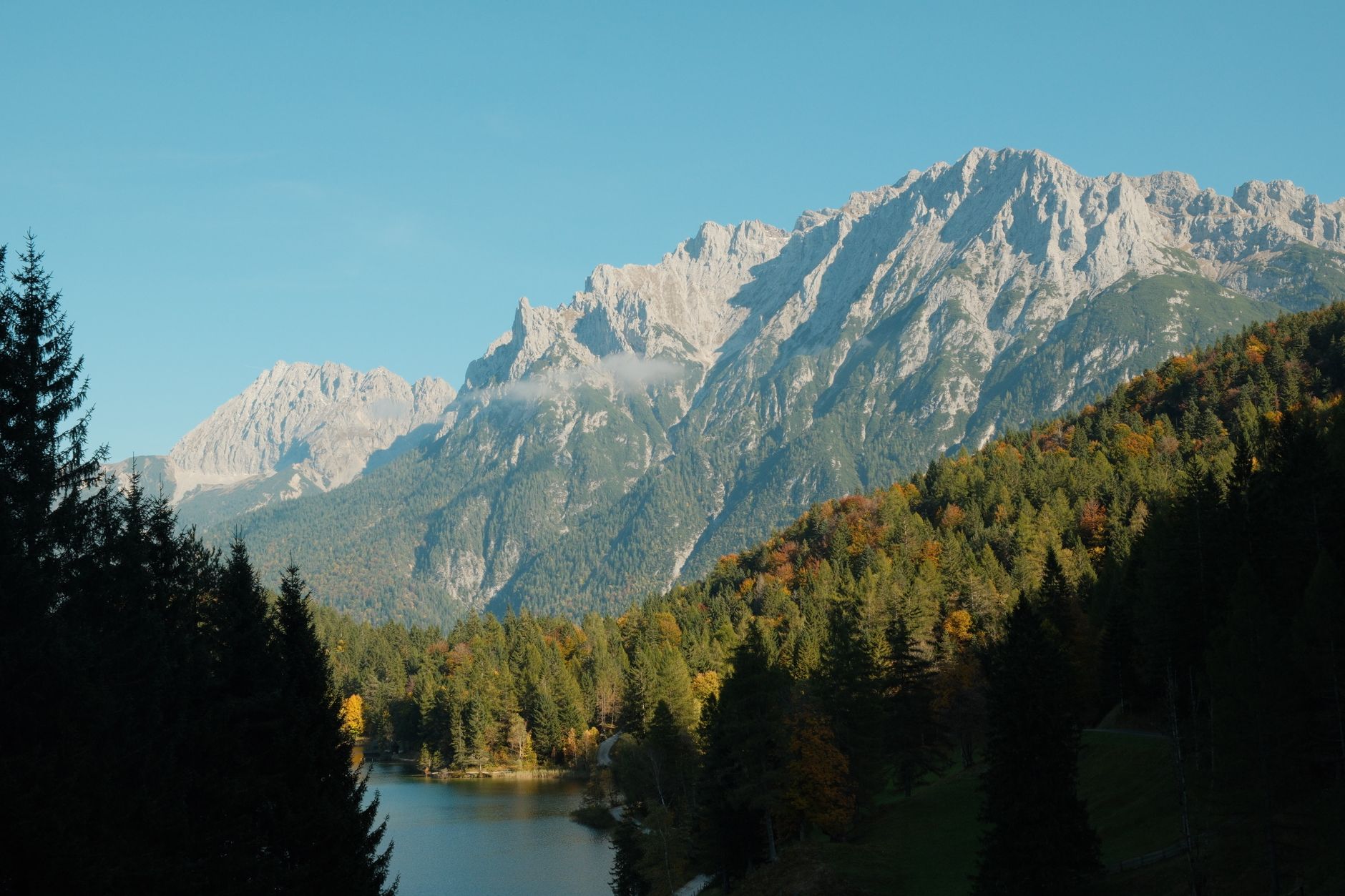
The name appears in documents as early as 1080 — 'in media silvia,' in the midst of forests — and the town received its market charter in 1307. Its real prosperity came in the 15th century when the Bozner Markt, a major South Tyrolean trading fair, relocated here for roughly two centuries, turning Mittenwald into a commercial hub between Italy and northern Europe. When the market returned to Bozen in the 17th century, the town's fortunes contracted.
What filled the gap was lutherie. Matthias Klotz (1640–1696) brought violin-making techniques back from Italy and trained his sons — Georg, Sebastian and Johann Carol — in the craft. Sebastian Klotz became the most celebrated of the family, adopting Cremonese varnish and arching methods. The tradition was formalised in 1858 when King Maximilian II of Bavaria founded the Mittenwald Violin Making School, which continues today. The Geigenbaumuseum, established in 1930, documents four centuries of that output.
Who and what shaped it
People who shaped it
Landmark buildings
See Mittenwald in motion
Plan your visit
On the map
When to go
Winters are cold and reliably snowy — January averages a high of -1°C with over 16 days of snowfall — while July is mild at around 20°C, though the mountains can push heavy rain into May and June. The annual rainfall of 1,734 mm means a waterproof layer earns its place in your bag in any season.
Right now
↡ Attractions
Background & history adapted from Wikipedia (CC BY-SA) · specs from Wikidata (CC0) · weather from Open-Meteo · map data © OpenStreetMap contributors · photos from Wikimedia Commons / Unsplash with per-image credit. No third-party reviews or social posts reproduced.