
Matthias Klotz Denkmal
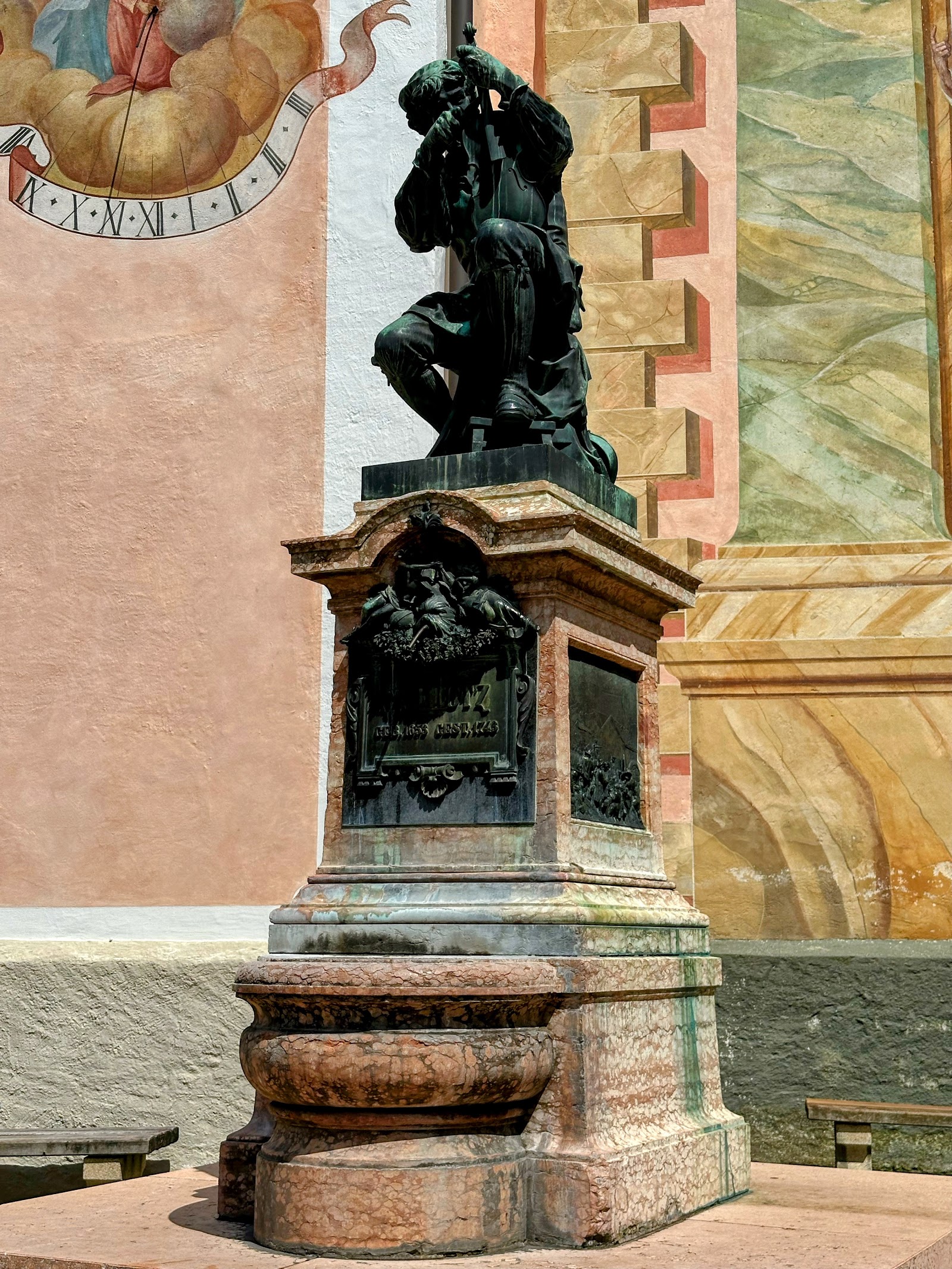
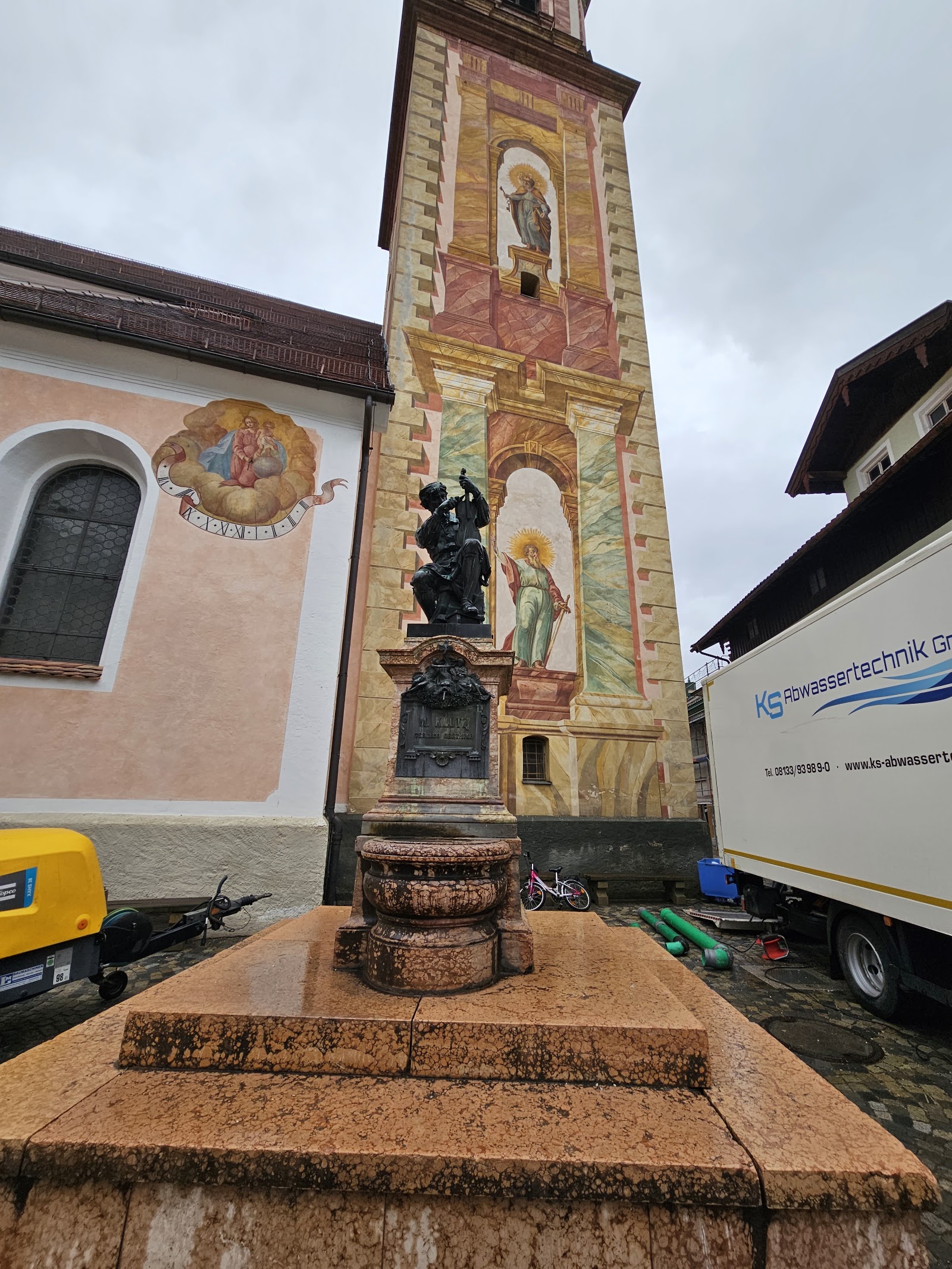
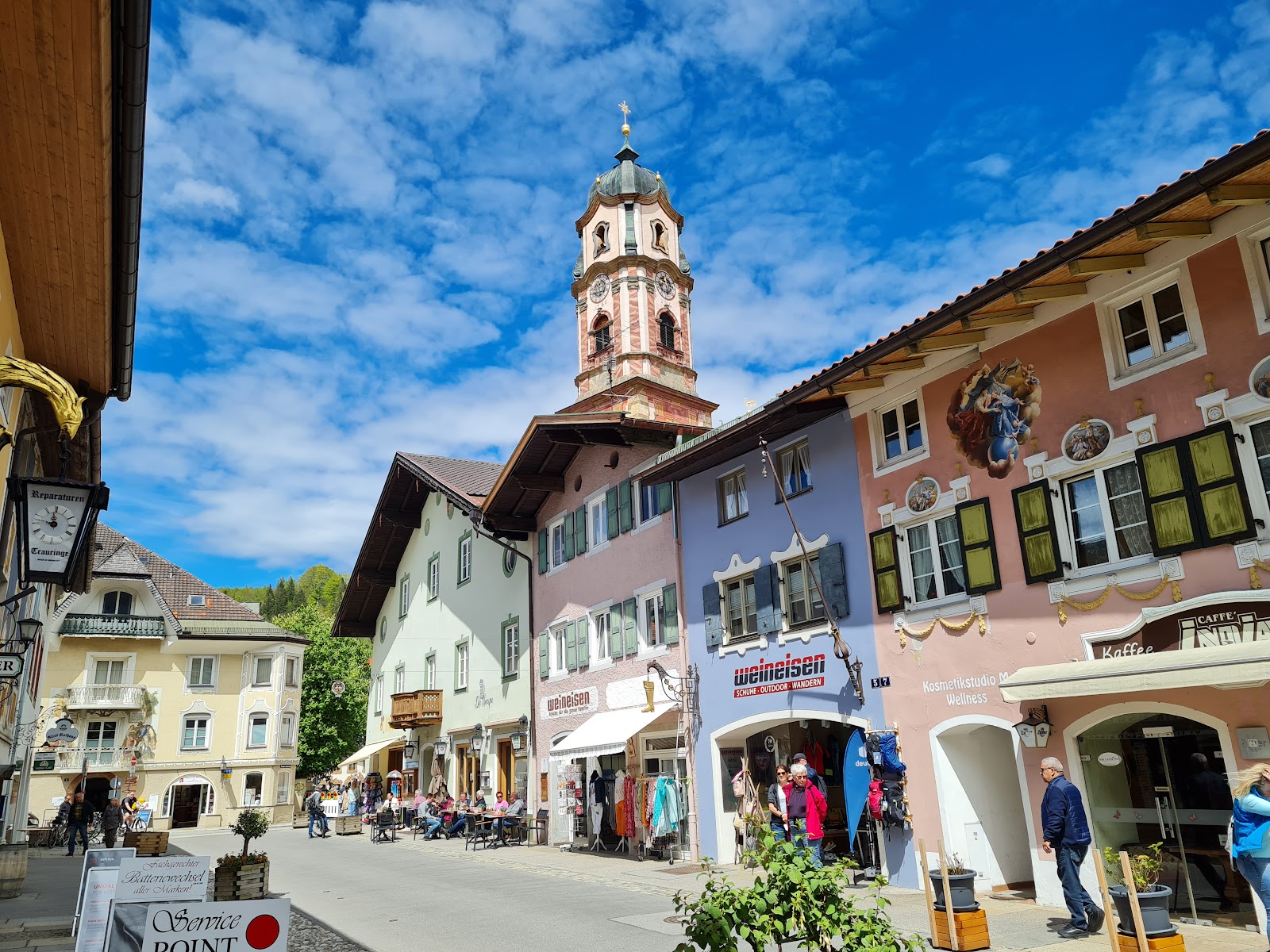
In the square in front of the Church of St. Peter and Paul, a bronze man bends over his work — violin neck in hand, caught mid-craft for well over a century. This is Matthias Klotz, and the monument to him, cast in 1890, stands at the point where Mittenwald's whole identity converges: the church behind it, the painted facades of the Obermarkt around it, the mountains overhead.
Klotz spent years learning his trade under Pietro Railich in Padua before returning to Mittenwald in the 1680s and establishing a violin-making tradition that shaped the town's economy and character for generations. The statue is a quiet anchor for all of that.

💛 What travellers fall for
People tend to pause here longer than the ten minutes it officially warrants. The bronze detail repays a close look — the posture of someone absorbed in their work, not posed for posterity. Coming from the Geigenbaumuseum a short walk away, the monument lands differently once you've seen what the craft actually involves.
The story behind Matthias Klotz Denkmal
Matthias Klotz was born in Mittenwald in 1653 and spent his journeyman years, 1672 to 1678, working under the Paduan luthier Pietro Railich. He returned home in the 1680s and around 1686 began building violins in Mittenwald, founding a tradition that would define the town's craft economy for centuries.
The monument came two hundred years later. Commissioned by Mittenwald's violin-making association along with merchants Neuner and Baader, it was cast by Ferdinand von Miller the Younger — a Munich bronze-caster who later said he considered it his finest work. The statue was erected in 1890, directly in front of the Church of St. Peter and Paul where Klotz himself would have worshipped.
Good to know
The monument is in open public space at Obermarkt — no entry, no hours, no ticket. Mittenwald station is about 400 metres away on the Garmisch-Partenkirchen–Innsbruck line. July through September gives the most reliable weather for lingering outdoors.
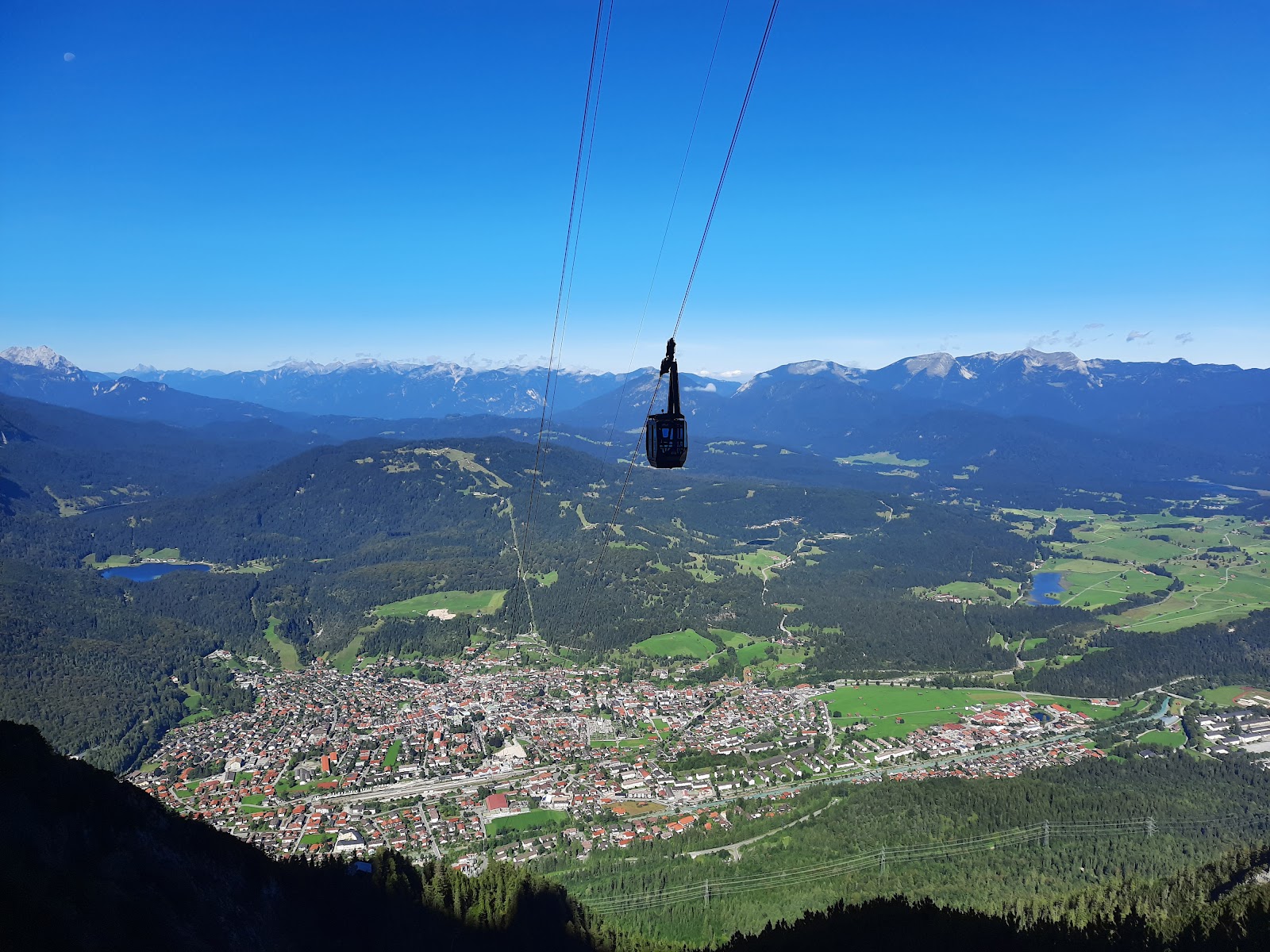
Mittenwald sits in an Alpine valley with heavy annual precipitation — May through August brings the most rain, and snow is possible from October through May. July and August are warm and clear more often than not, making them the most comfortable months to stand in the square and take your time.
Where is Matthias Klotz Denkmal?
More tickets & tours for Matthias Klotz Denkmal
Book directly at the provider
What travellers say about Matthias Klotz Denkmal
The memorial statue of Mathias Klotz, founder of the Mittenwald luthier school, is located just next to St. Peter & Paul.
He is the cultural icon of Mittenwald, with monuments, museums, and violin sculptures everywhere. Violin lovers will adore this place, much like Cremona in Italy. However, it's less well-known, as M. Klotz isn't particularly famous, and few renowned violinists use or listen to Klotz or family-made violins. It's truly frustrating to compare yourself to others.
Monument to Mathias Klotz, founder of the Mittenwald school of violin making. Mathias Klotz began the manufacture of violins and stringed instruments in the Alpine region. It is believed that he learned the craft as an apprentice in the Füssen region. His knowledge is attributed to his teachers Pietro Ralich in Padua and/or Nicolo Amati in Cremosa, Italy. Returning to Mittenwald, his birthplace, he opened his own workshop around 1685.
You must visit this place if you are in Mittenwald.
More of Mittenwald
Discover where to stay, what to do and the best deals for your trip.
Explore Mittenwald →More attractions in Mittenwald
All of Mittenwald →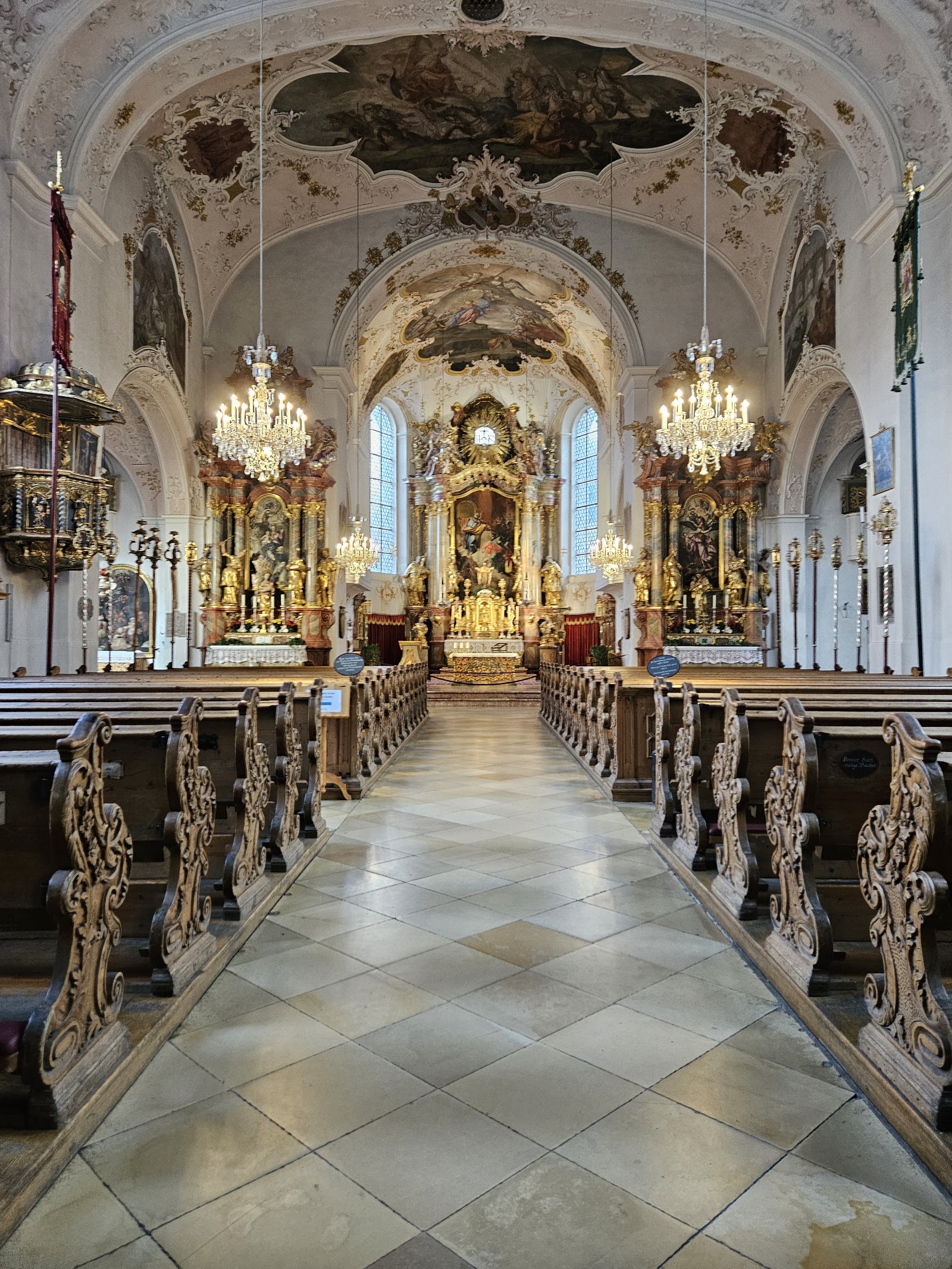
Background adapted from Wikipedia (CC BY-SA) · map data © OpenStreetMap contributors · ratings & place photos via Google · other photos with per-image credit. Ticket links may earn us a commission at no extra cost to you.