
Himeji Castle
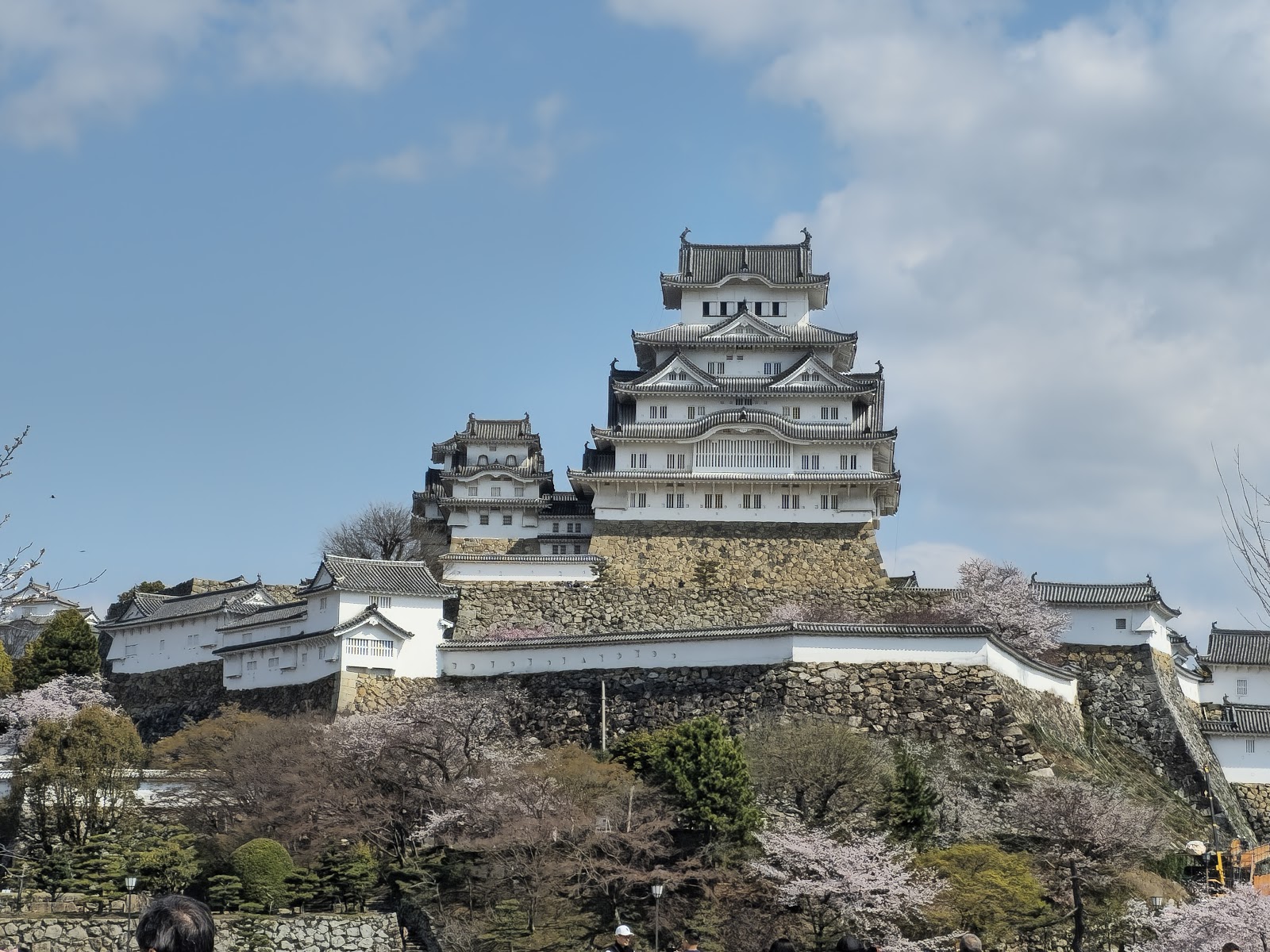
From the platform at Himeji Station, the castle appears at the end of the main boulevard like something a child drew from memory — white, layered, improbably tall. Up close, the scale shifts again. The main keep stands 152 feet high across six interior floors, its roofline mixing curved kara hafu gables with triangular chidori hafu in a rhythm that somehow reads as both deliberate and organic.
The complex spreads across 83 buildings — storehouses, turrets, corridors, gates — of which 74 carry designation as Important Cultural Assets. The walls, running 4.8 kilometres in total and rising to 26 metres at their tallest, were built without mortar, so they flex rather than crack under seismic pressure. That detail, quiet and structural, tells you a lot about how this place has lasted.
💛 What travellers fall for
People who return tend to arrive just after opening at 09:00, when the queues inside the keep are shortest and the light on the white plaster is still cool. The English guided tours at 10:00 are capped at ten people and go fast — first-come at the gate, ¥1,500 separate from admission. Worth it for the loophole geometry alone.
The story behind Himeji Castle
A fort first rose on Himeyama hill in 1333, when Akamatsu Norimura fortified the site during the Genkō War. His son Sadanori rebuilt it as Himeyama Castle in 1346, and two centuries of clan transitions followed before Toyotomi Hideyoshi remodeled it in 1581, adding the first proper castle keep.
The structure you walk through today is largely Ikeda Terumasa's work. Rewarded with the castle after the Battle of Sekigahara in 1600, he spent eight years rebuilding it from the ground up, completing the complex by 1609. Honda Tadamasa added further buildings in 1617–18, including a dedicated tower for Princess Sen. Designated a national treasure in 1931, restored between 1956 and 1964, and registered as one of Japan's first UNESCO World Heritage Sites in 1993, the castle reopened after a second major restoration in March 2015.
Good to know
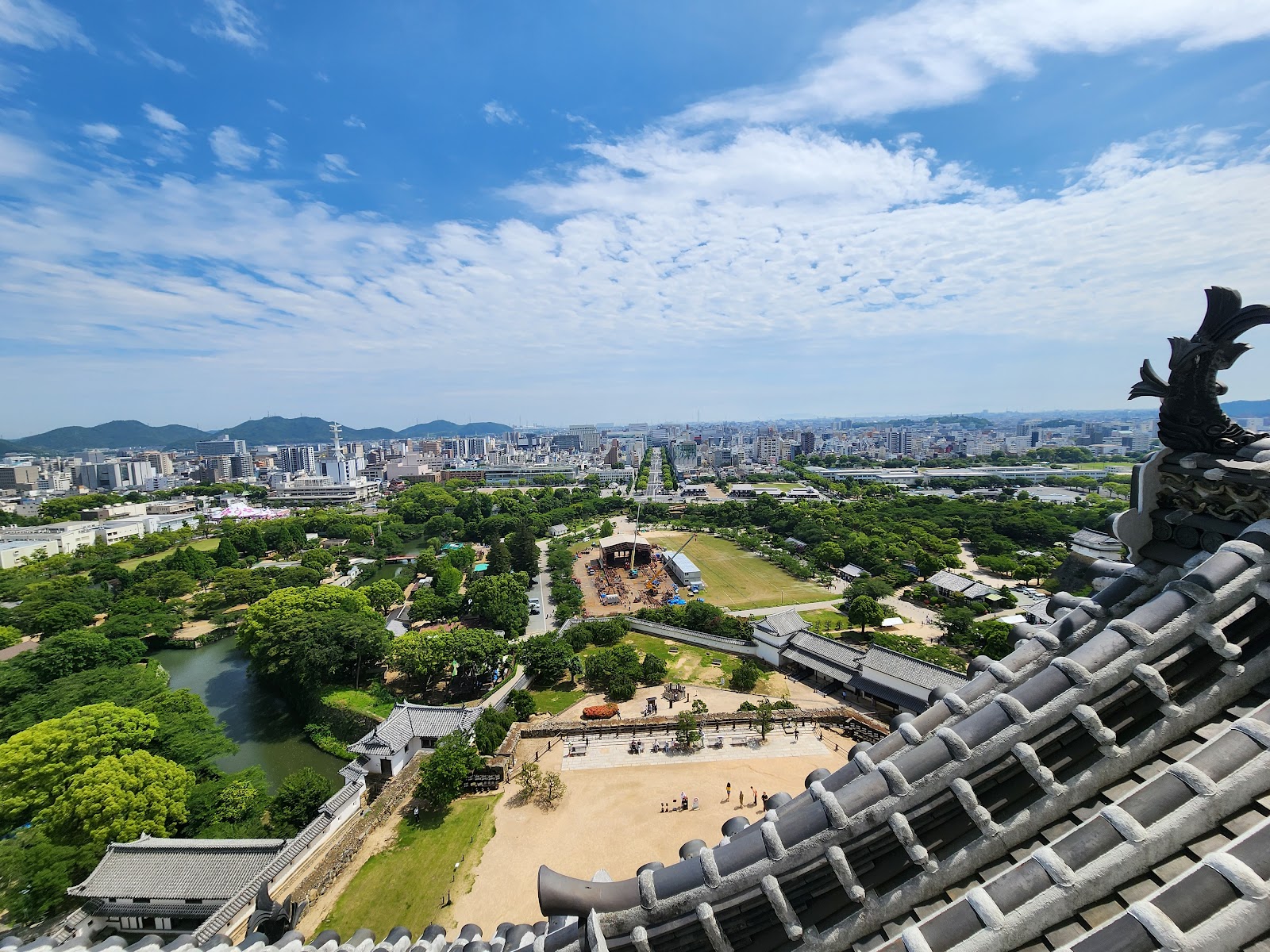
From Kyoto, the JR Sanyo Shinkansen runs about 55 minutes to Himeji Station; from Osaka, a direct Hikari takes 30–45 minutes. Walk 20 minutes straight up Otemade-dori, or catch the Shinki Bus to Otemon-mae. Allow 1.5–2 hours inside, more in peak season. The castle closes December 29–30; last entry is 16:00.
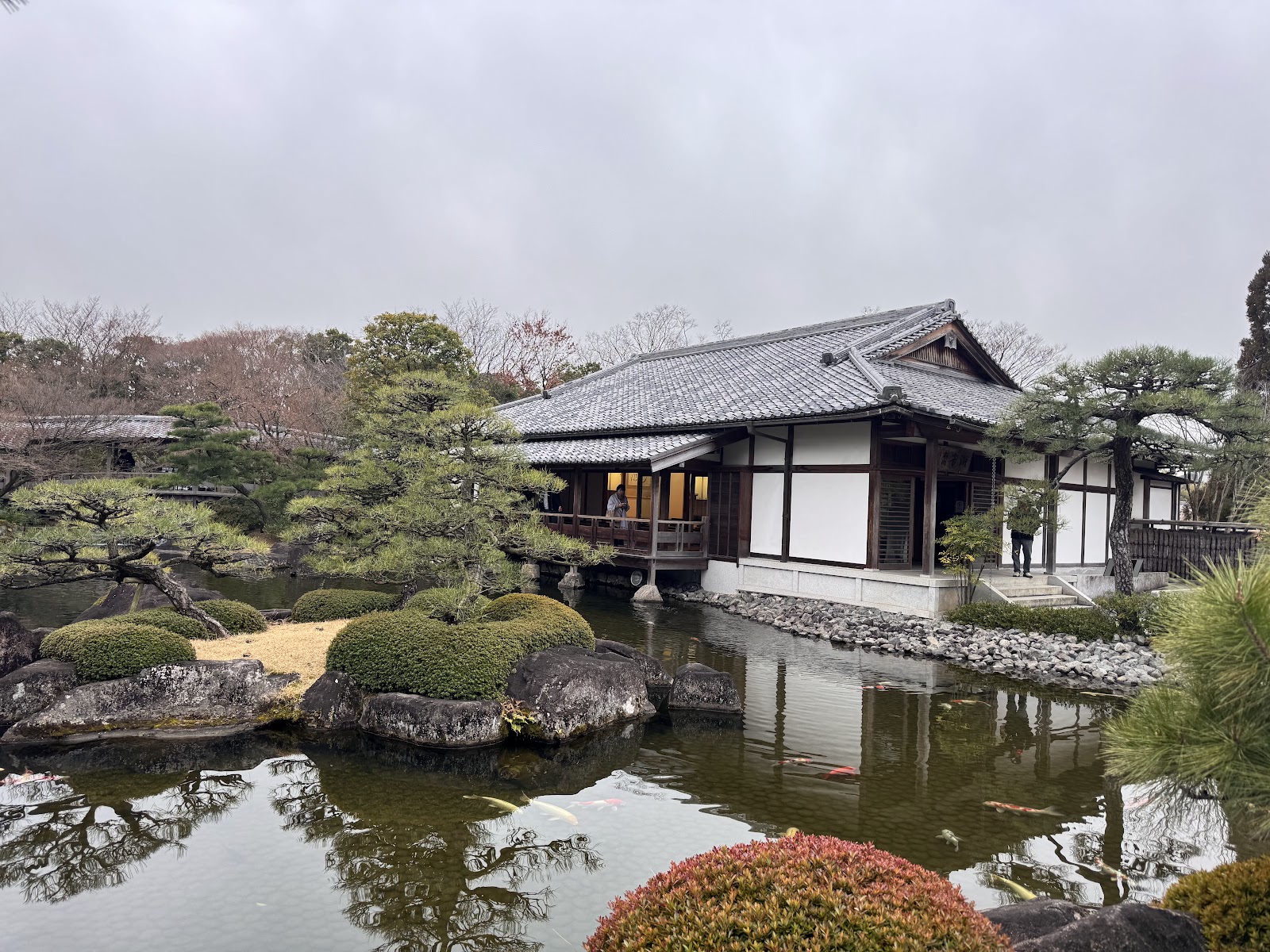
Spring brings the castle's most photographed weeks, when cherry trees along the approach are in bloom — crowds follow accordingly. Summer is hot and humid; the interior stays cooler than outside but the queues lengthen. Autumn softens the heat and turns the surrounding garden copper; winter mornings can be sharp but the grounds are quiet.
Where is Himeji Castle?
More tickets & tours for Himeji Castle
Book directly at the provider
What travellers say about Himeji Castle
Fantastic experience. Beautiful and impressive to see such a massive wooden castle. Just know they close at 4pm. If you want to get in/close, get a ticket in advance and you will have a great experience. We were there during the Himeji festival and it was a lot of fun. Make sure to check out the gardens next door too - absolutely beautiful!
Arguably the most famous Japanese castle (known as the white heron castle), it’s possibly the most picturesque too. It’s easy to find as you can see it from the JR/Shinkansen station and will take 10-15 minutes to walk there (pretty much in a straight line too). As an aside it’s only around 30 minutes from Osaka by Shinkansen, so very easy for a day trip. The castle itself (especially the keep) was a lot bigger than I expected. The castle grounds are pretty big and originally they were a lot bigger, reaching far towards where the station is now. When inside a lot of the castle buildings you will have to take your shoes off and you will be given a bag to carry them in on the way around. The floors are wooden and fairly smooth and there are some very steep stairs, so make sure you wear your best and grippiest socks! I had a very fun and informative few hours walking around the castle and its grounds. I’d recommend it to anyone interested in Japanese history and architecture.
The Himeji Castle is one of the most famous and notorious castles in Japan. The walking grounds of the castle are eloquent and beautiful. The view the castle there is a fee to pay BUT there are free tour guides. My family and I had about 2 hours to spend there and the tour guide really made the experience worth it. If you have time to visit and explore definitely do it. Be aware you will have to take your shoes off inside the castle, they provide a plastic bag for your shoes. 10/10 would visit again.
One of the most beautiful and best-preserved castles in Japan, also known as the “White Heron Castle” because of its elegant white plaster walls. ✨ Why visit: • Stunning white architecture • Rich samurai history • Impressive stone walls • Many great photo spots The stone walls are especially interesting — some of the stones are old grinding stones donated by local people when building materials were scarce. It’s fun to look for these hidden details while walking around the castle grounds. 📸 Tip: Visit early in the morning to avoid crowds and get the best photos. There is also a small zoo next to the castle, and the entrance fee is under about $2, so it’s worth a quick visit if you have extra time. After sightseeing, try local specialties like Himeji oden or almond toast. If you have extra time, I highly recommend Mount Shosha (Shoshazan Engyo-ji Temple). It’s a peaceful mountain temple used as a filming location for The Last Samurai, with a magical atmosphere. Perfect for history lovers and first-time visitors to Japan.
Definitely worth the title of being the best castle both in general and original castles category. Stunning white beauty and has very charming history, sometimes an interesting and haunted one. Despite being overflown by tourist and any kind of mankind, this still radiates its own charm in any season. I’ve visited in early june and weather temperature is perfect, although cloudy. Definitely worth a visit, the most stunning castle i’ve visited in japan by far.
More of Kyoto
Discover where to stay, what to do and the best deals for your trip.
Explore Kyoto →More attractions in Kyoto
All of Kyoto →
Background adapted from Wikipedia (CC BY-SA) · map data © OpenStreetMap contributors · ratings & place photos via Google · other photos with per-image credit. Ticket links may earn us a commission at no extra cost to you.