
Gion District
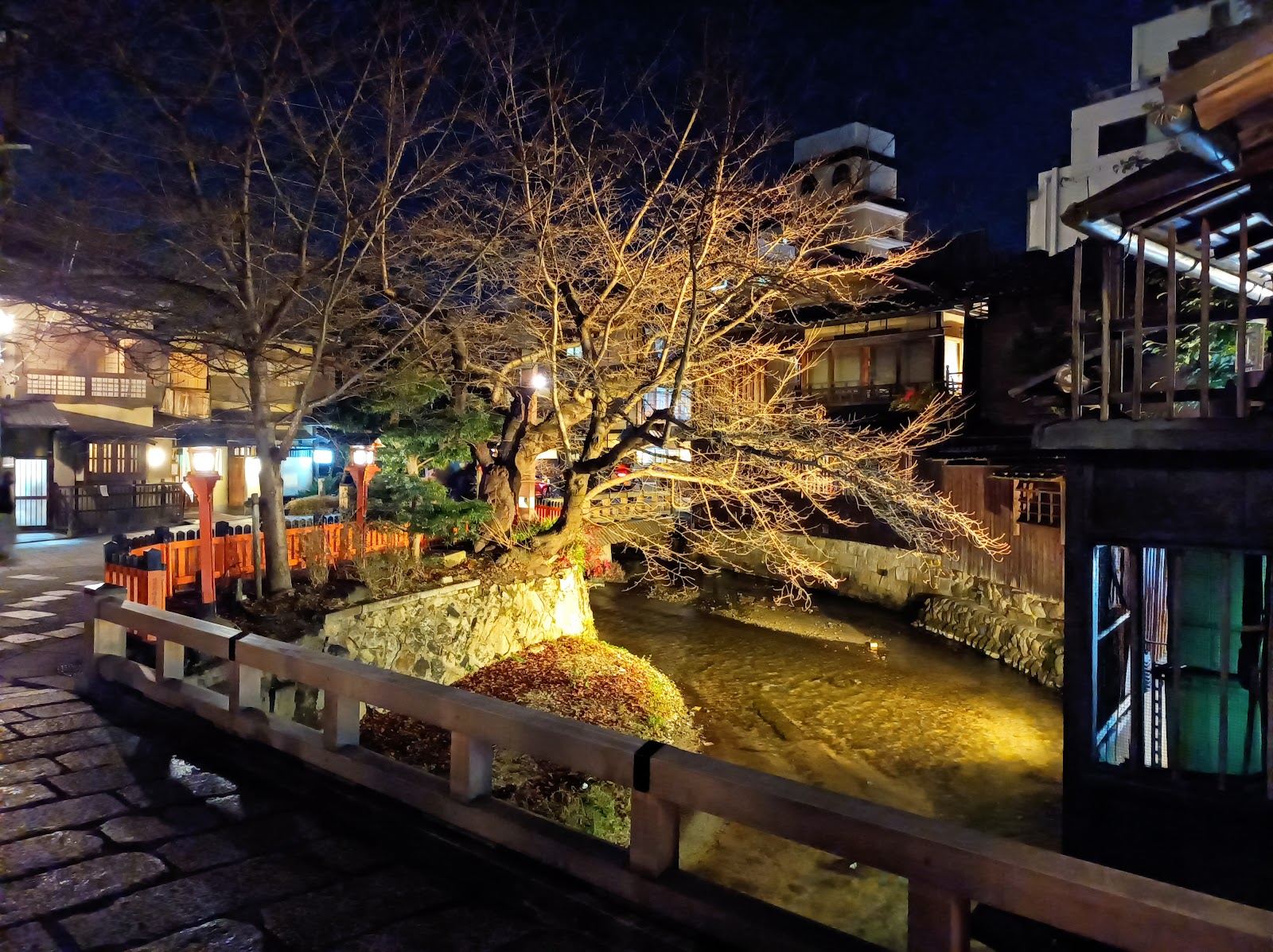
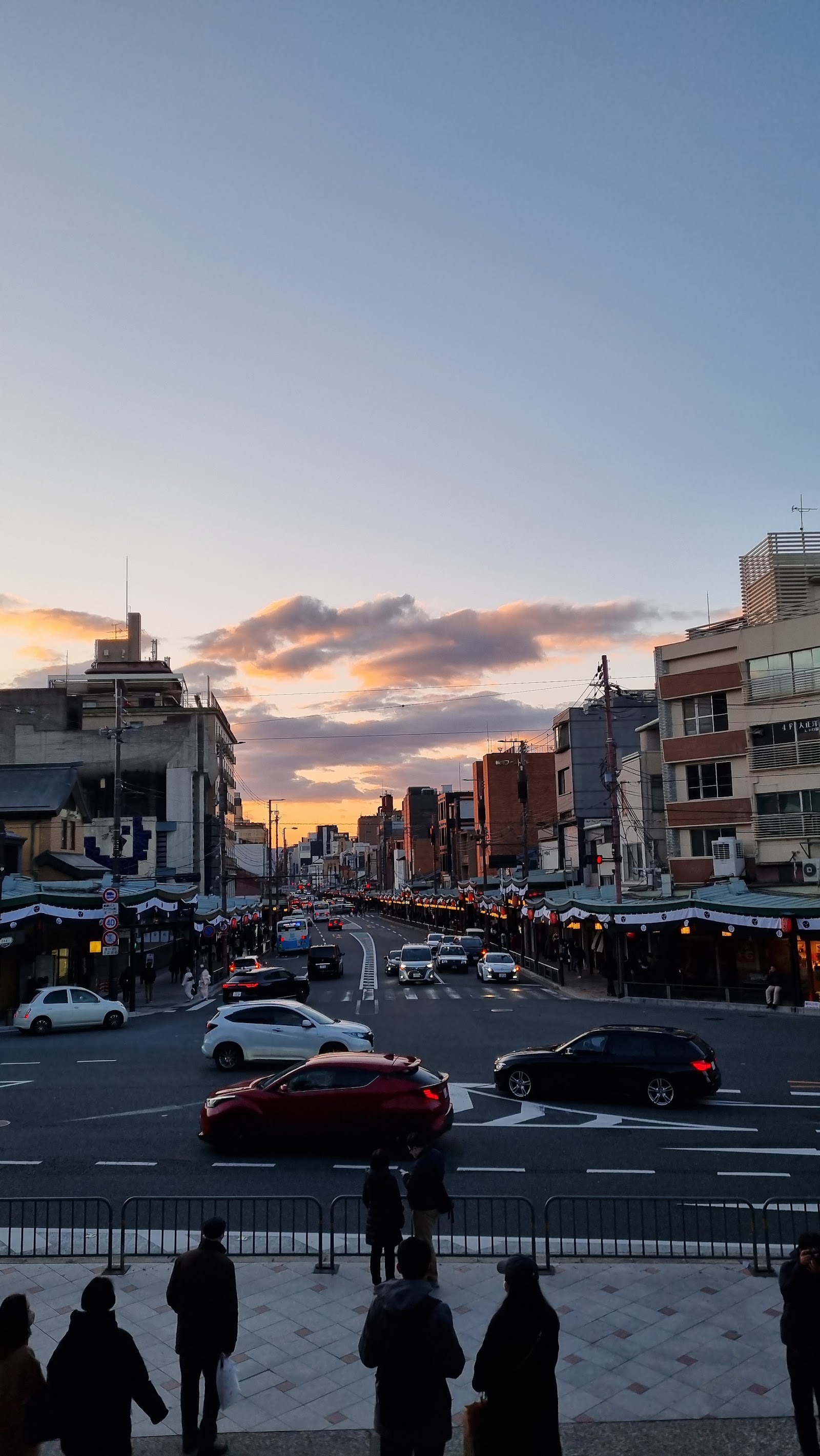
Walk south down Hanamikoji Street in the early evening and the wooden facades narrow to five or six metres wide, yet each one runs twenty metres back from the street — long, secretive buildings that once housed teahouses serving Yasaka Shrine's pilgrims. The lanterns at the shrine itself come on every night without fail, casting a low amber light over the stone forecourt.
Gion is Kyoto's best-preserved hanamachi, a geisha quarter that still functions as one. The ochaya (teahouses) along Hanamikoji are working establishments, not museums, which is why the southern half of the street now restricts pedestrian access to private alleys.
💛 What travellers fall for
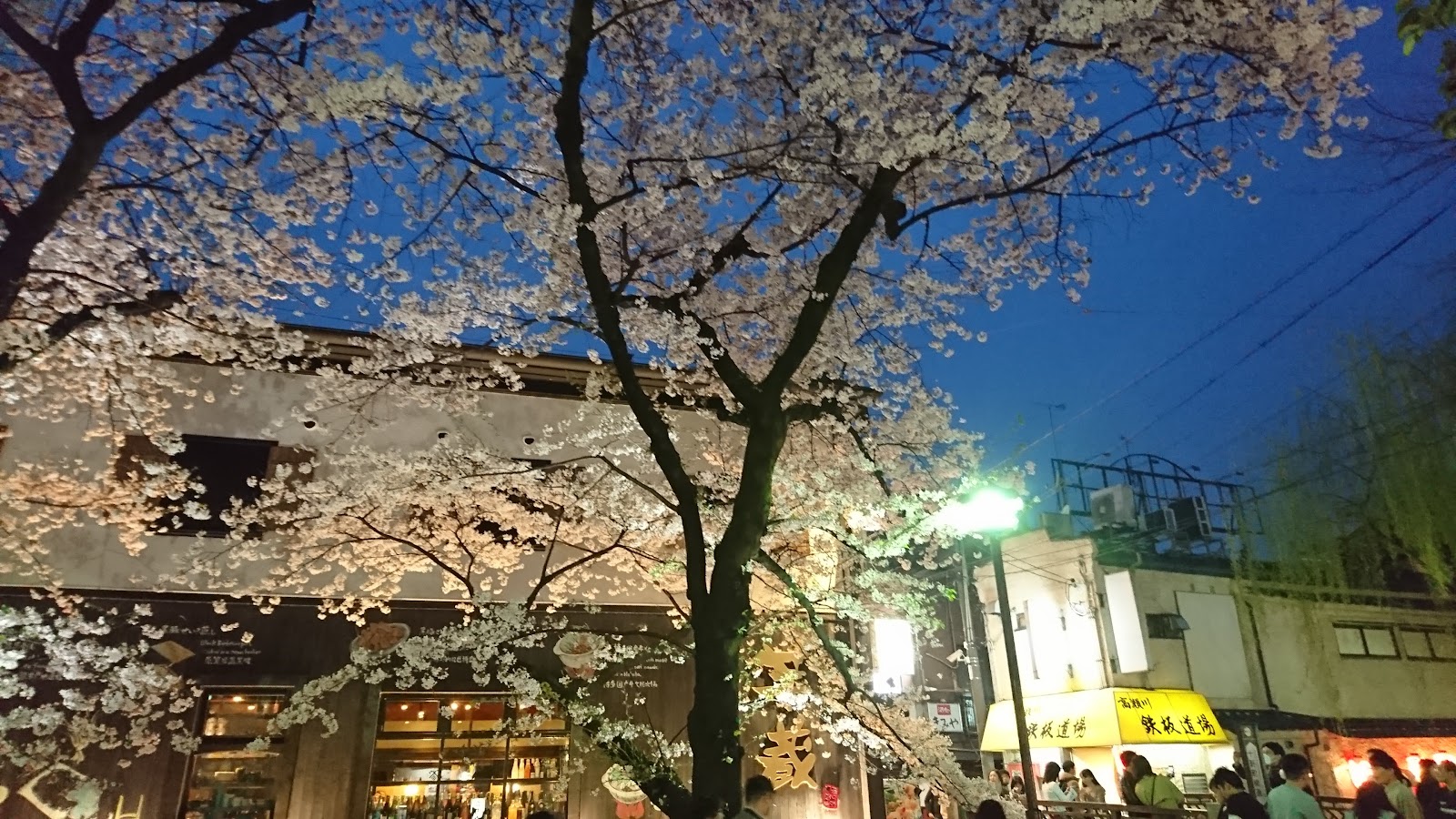
Return visitors tend to drift toward Gion Shirakawa rather than Hanamikoji — the stone path along the canal, the wooden Tatsumi Bridge from the Edo period, the sound of water underneath. Kennin-ji Temple at the far southern end of Hanamikoji is worth the walk: the Twin Dragons ceiling painting alone earns the entry fee.
The story behind Gion District
Gion grew up in the shadow of Yasaka Shrine, which was already established around 656. By the late 14th century a district of inns and teahouses had formed to serve the shrine's steady flow of pilgrims. In 1732 — the 17th year of the Kyoho era — the government formally authorised the construction of teahouse quarters, and six designated towns were developed. By the final years of the Edo period trade was substantial enough to support roughly 500 teahouses.
A great fire swept through in 1865, and much of what you see today was rebuilt in the years that followed. The two hanamachi — Gion Kobu and Gion Higashi — were originally one district until they split in 1881. Hanami-koji Street took its current form in the early Meiji period. The Minamiza, Kyoto's principal kabuki theatre, has occupied its corner of Shijo-dori since 1610, though the present building dates to 1929.
Good to know
From Kyoto Station, bus 100 or 206 reaches Gion in about 20 minutes (230 yen flat fare); the Sightseeing Express EX100 takes 17 minutes for 500 yen. By rail, change at Tofukuji onto the Keihan Line for Gion-Shijo (330 yen total). Most shops close by 6 PM. Allow three to four hours minimum.
Spring (late March to April) brings cherry blossoms along the Shirakawa canal and draws large crowds. Summer is hot and humid; the Gion Matsuri festival fills July with processions. Autumn colour peaks in November and the district is at its most atmospheric. Winter mornings are cold but quiet, with far fewer visitors.
Where is Gion District?
Location
- In Kyoto
- 35.0038, 135.7772
- Open in Google Maps
More tickets & tours for Gion District
Book directly at the provider
More of Kyoto
Discover where to stay, what to do and the best deals for your trip.
Explore Kyoto →More attractions in Kyoto
All of Kyoto →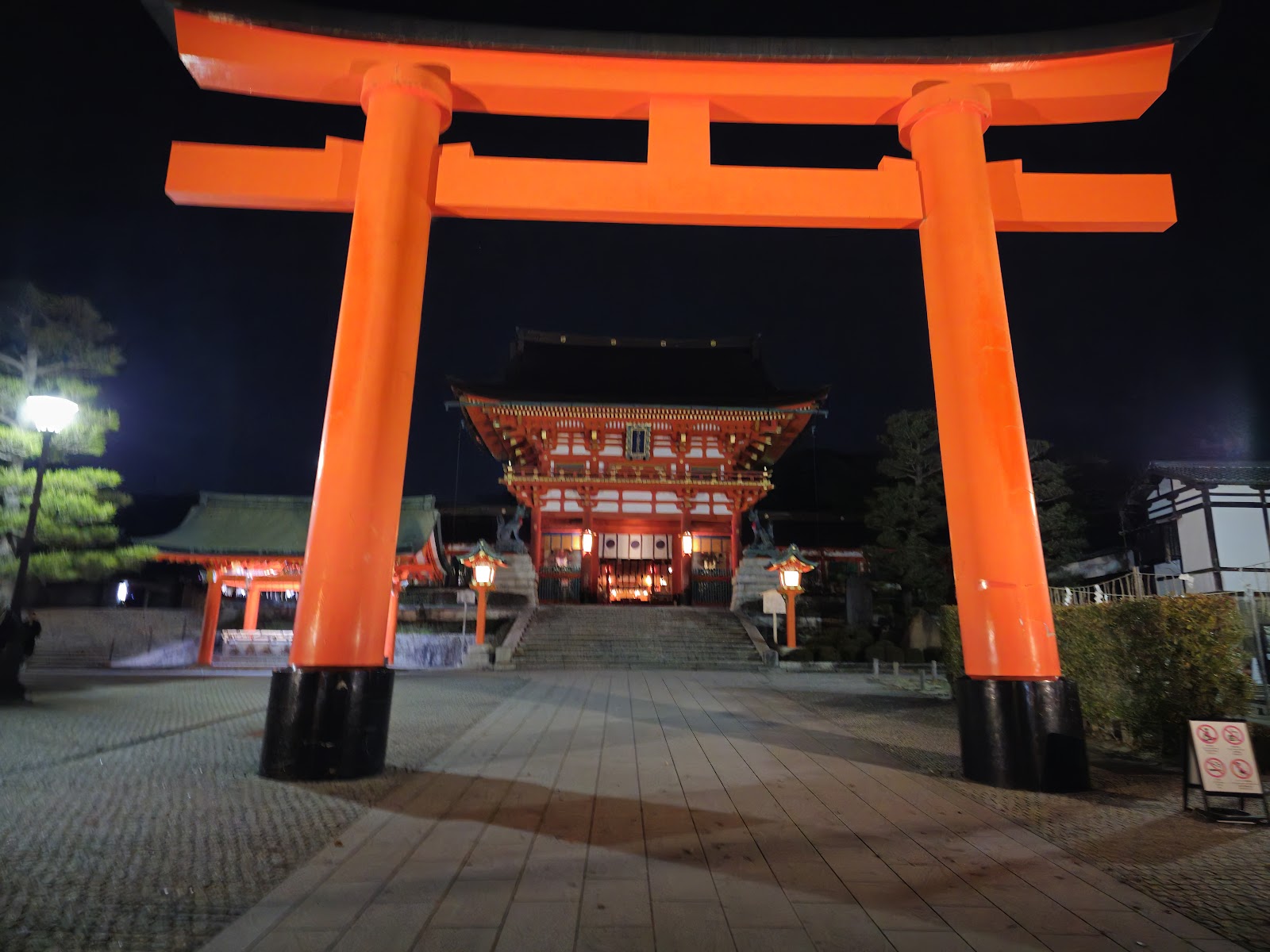
Background adapted from Wikipedia (CC BY-SA) · map data © OpenStreetMap contributors · ratings & place photos via Google · other photos with per-image credit. Ticket links may earn us a commission at no extra cost to you.