
Garmisch-Partenkirchen
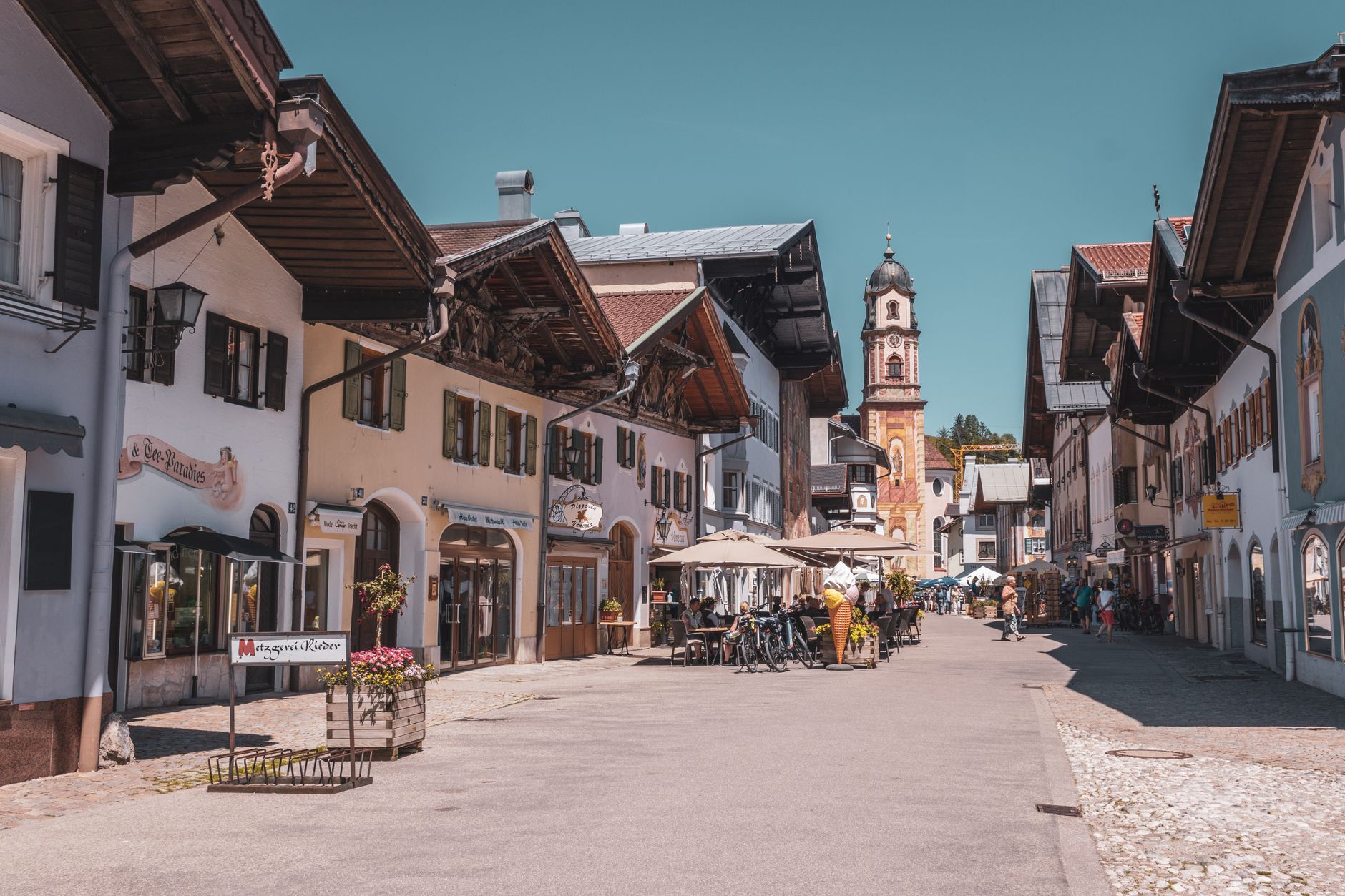
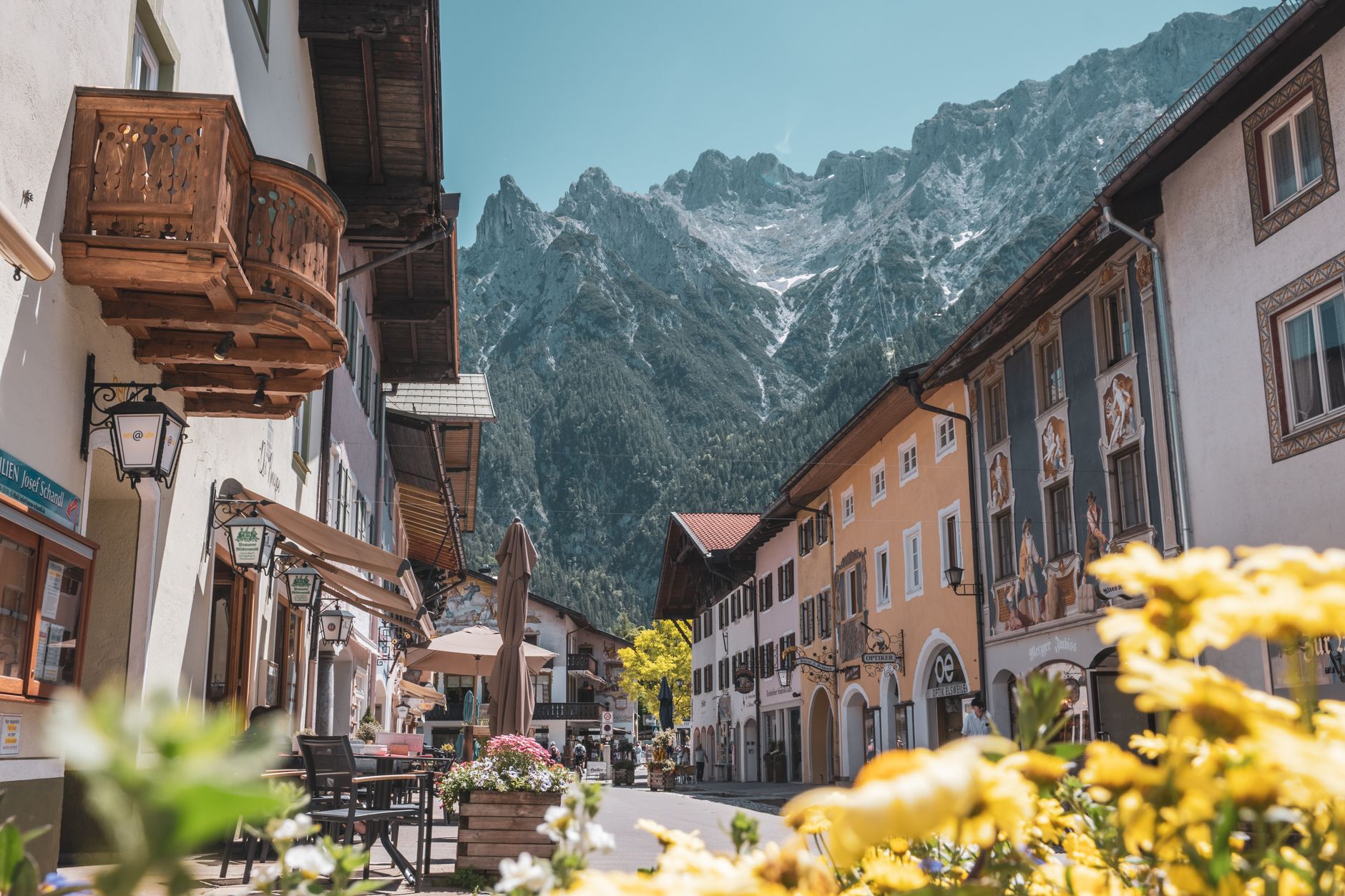
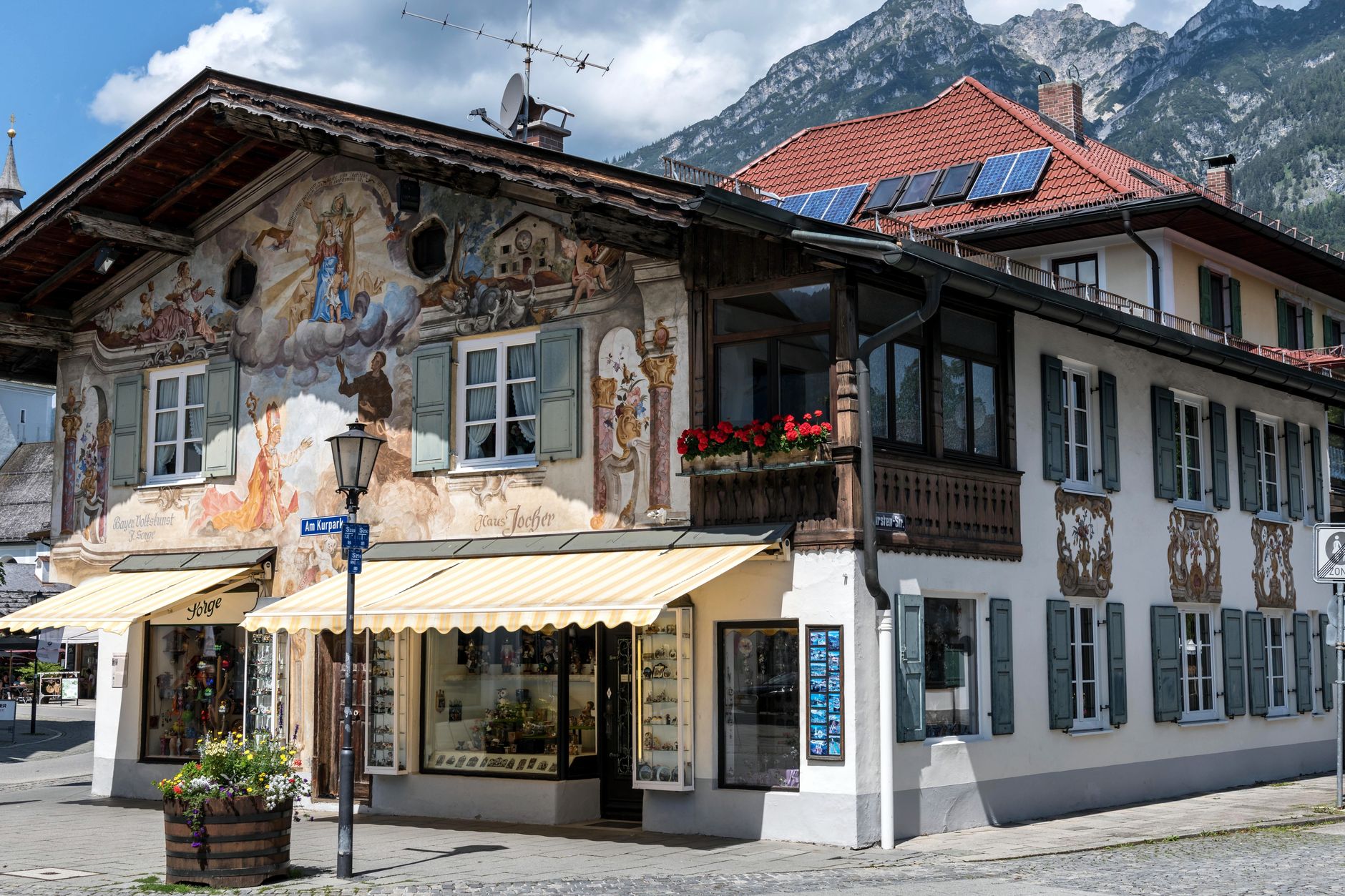
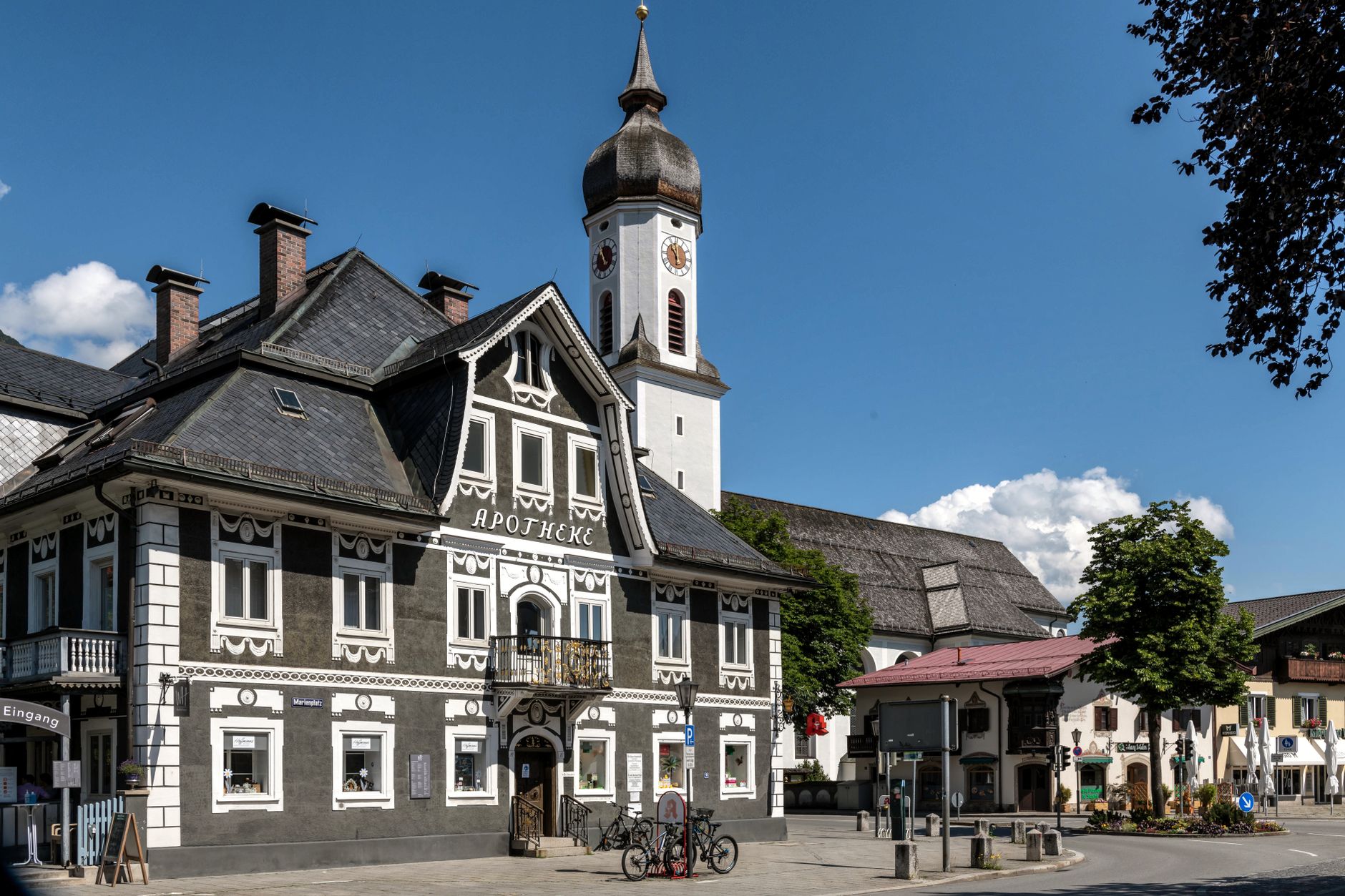
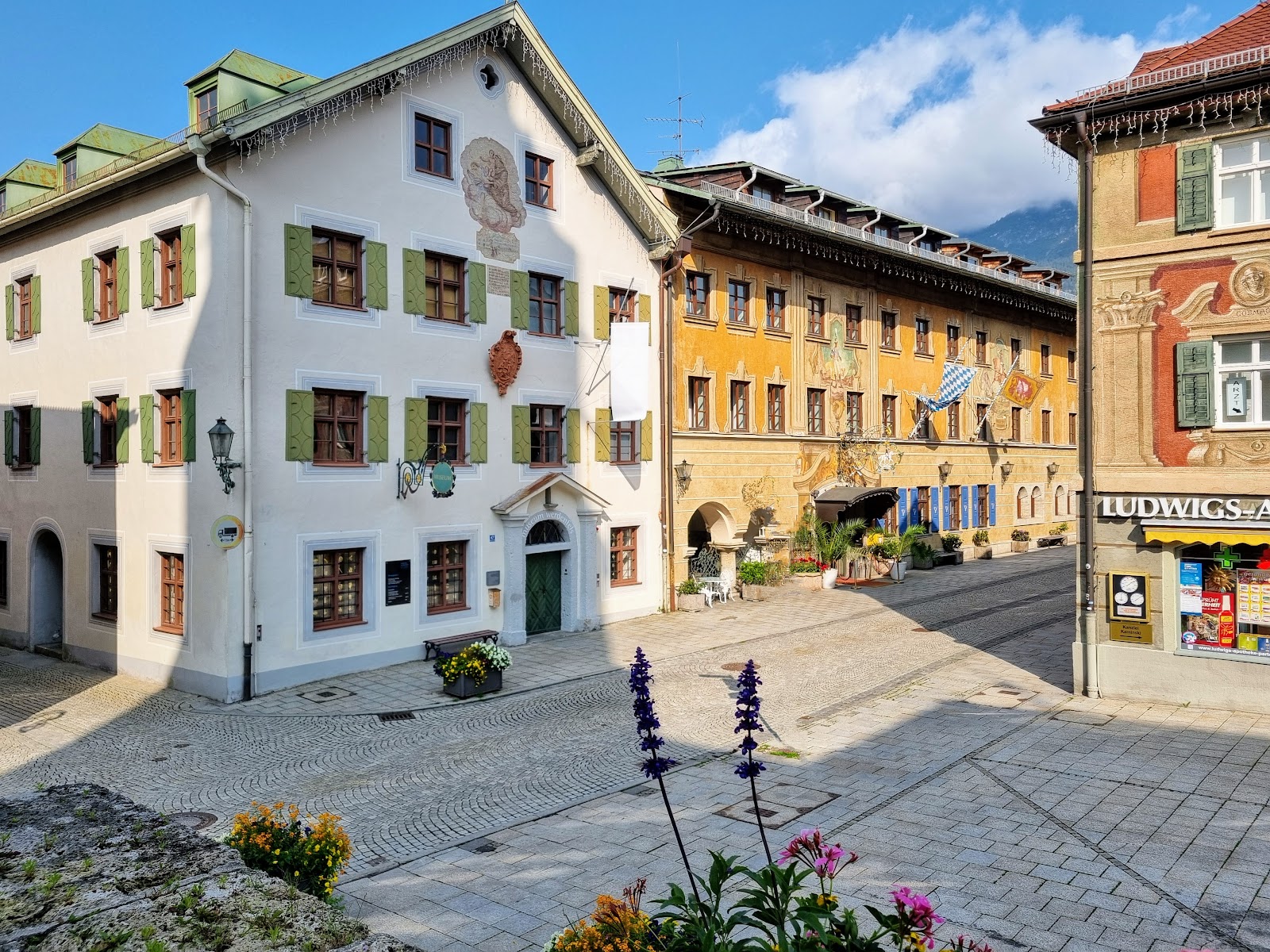
Two towns that refused to merge until a dictator forced the issue in 1935 — that friction still shows, pleasantly, in the way Garmisch and Partenkirchen each hold their own character on either side of the Partnach river. Walk Ludwigstraße in the Partenkirchen half and the painted facades tell you exactly where you are: Lüftlmalerei frescoes of saints and folk tales climbing the walls of houses that line a road the Romans laid down two thousand years ago.
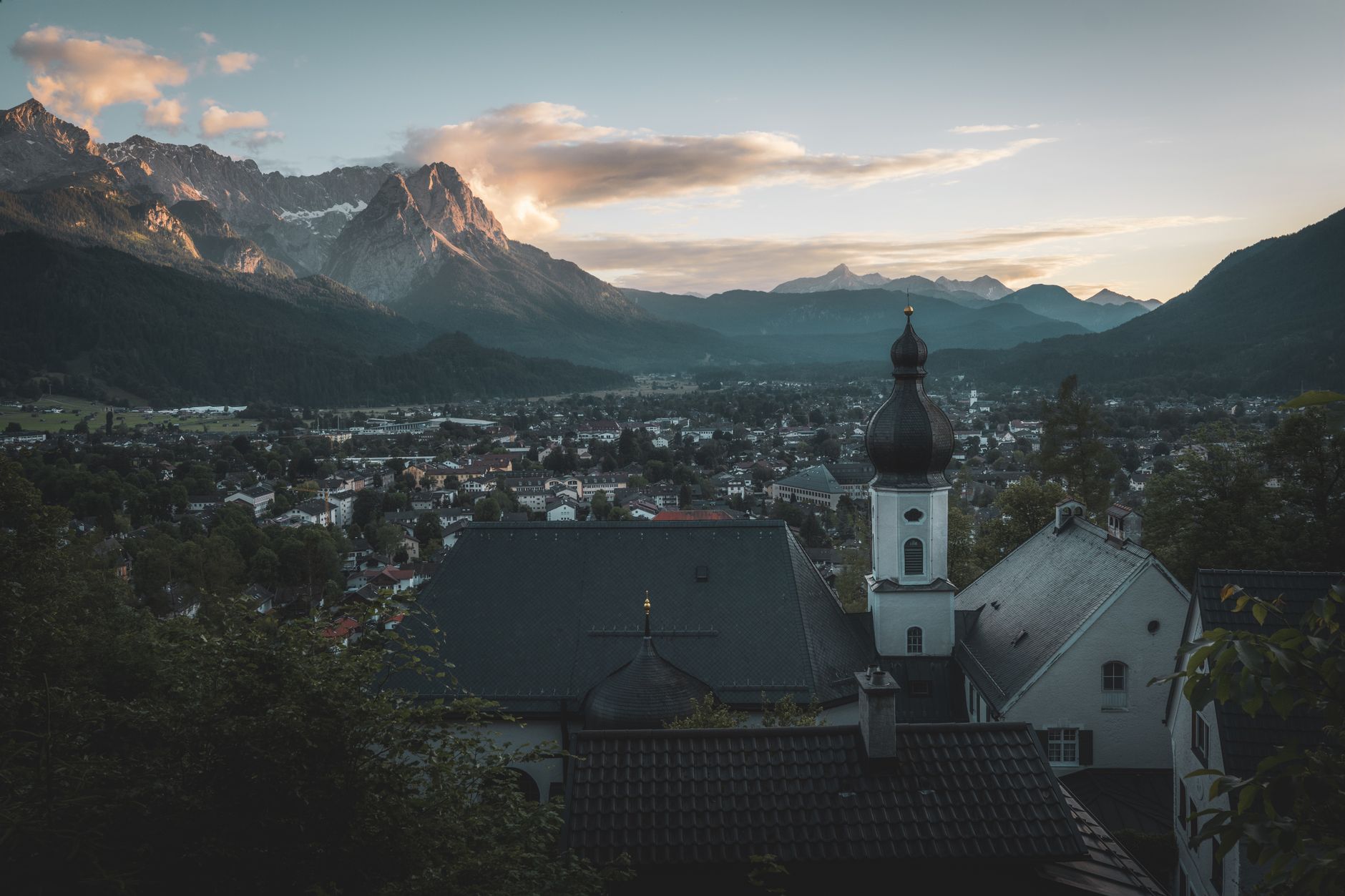
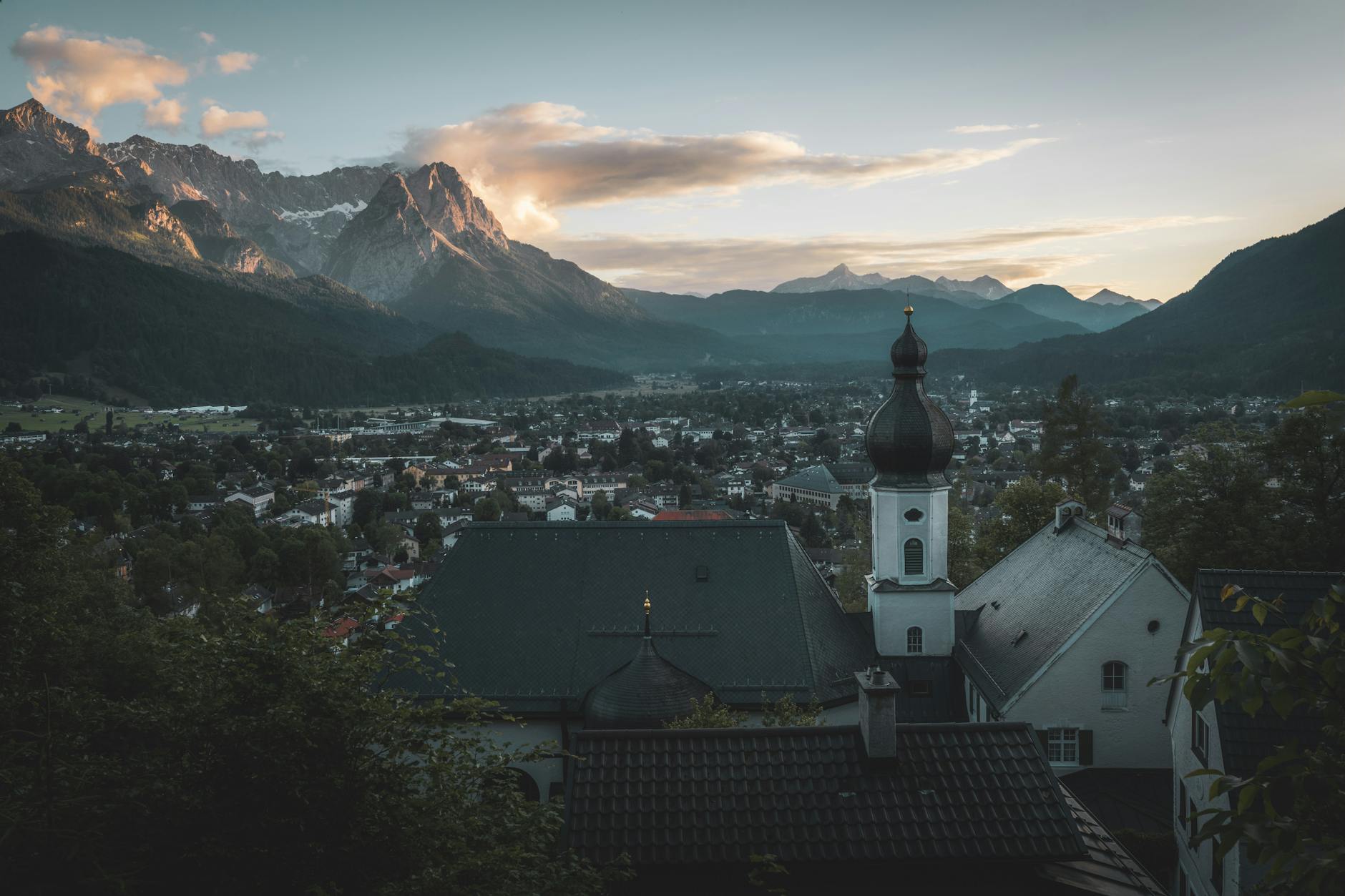
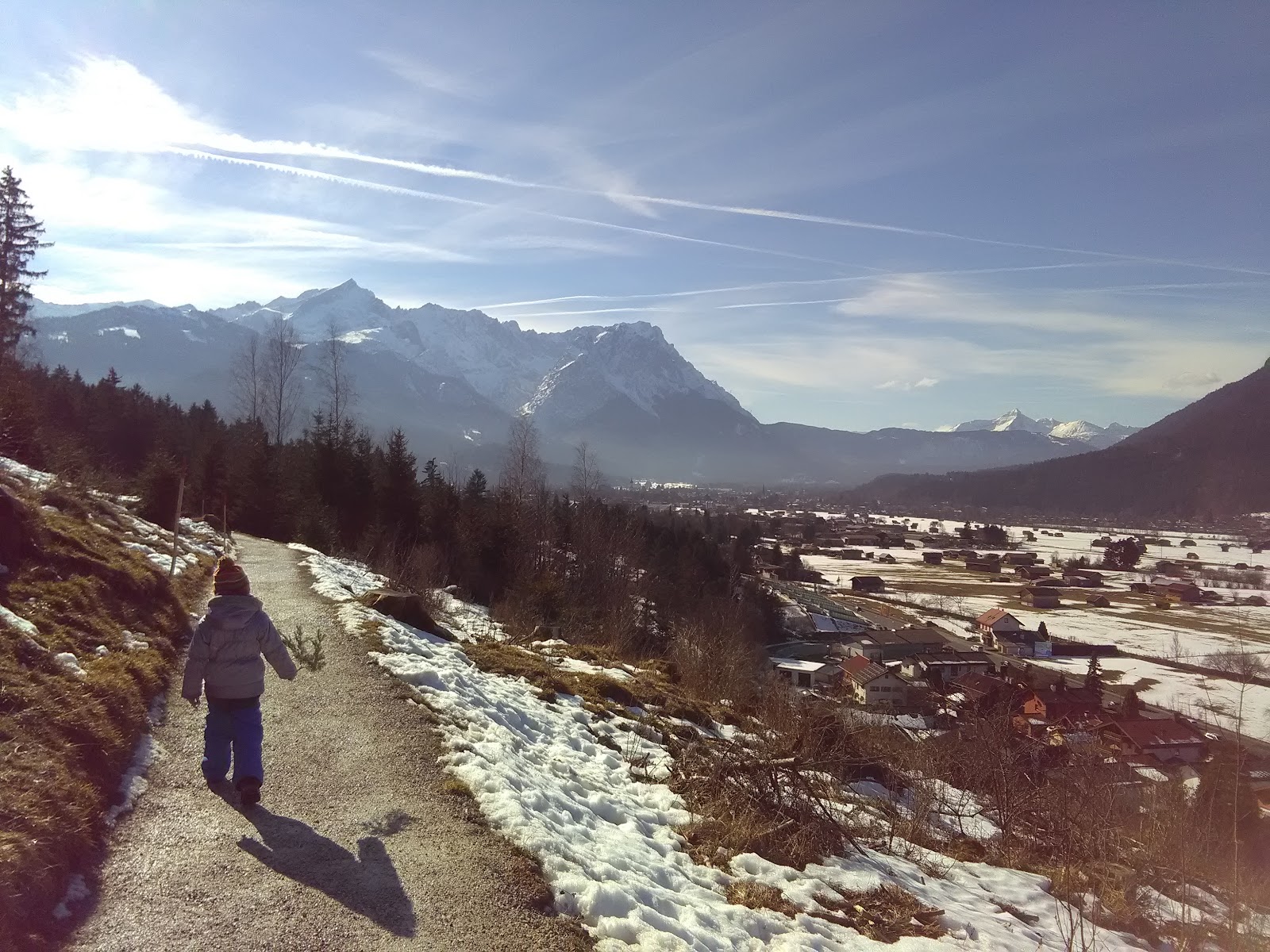
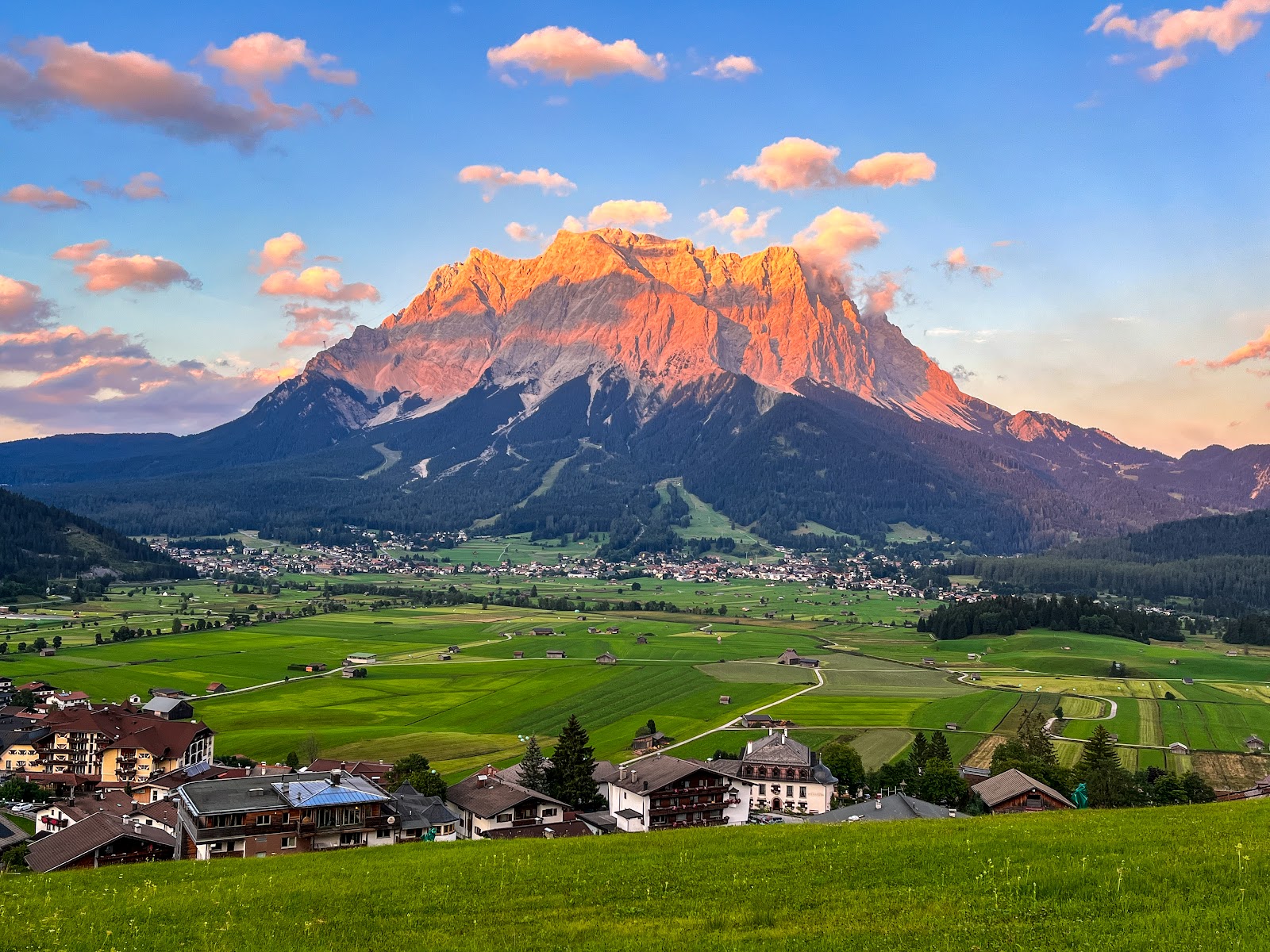
The Zugspitze, Germany's highest peak, closes off the southern skyline. The Olympic ski jump from 1936 still fires up every New Year. The whole place operates at an altitude and a tempo that is its own.
💛 What travellers fall for
People who come back tend to mention Ludwigstraße early in the conversation — specifically the way the frescoes read differently once you know they're depicting local history, not just decoration. The Philosophenweg out to St. Anton is the other constant: quiet enough on a weekday morning that you can hear the Partnach below.
Deals in Garmisch-Partenkirchen
Book directly at the provider
How Garmisch-Partenkirchen came to be
Partenkirchen has the longer paper trail — documented in A.D. 15 as Partanum, a Roman staging post on the trade route linking Venice to Augsburg. Garmisch appears later, first recorded in 802 under the Bishopric of Freising, whose Prince-Bishops governed the region from Werdenfels Castle from the 13th century until the early 19th. The castle, built between 1180 and 1230, fell into disuse in the 17th century and survives only as ruins above the valley.
The two market towns remained legally separate until 1 January 1935, when Adolf Hitler ordered their merger to present a single, larger host city for the 1936 Winter Olympics. The Olympic ski stadium and the ski jump date from that period. On 29 April 1945, the town was handed over to the US Army without a fight and came through the war intact.
Who and what shaped it
People who shaped it
Landmark buildings
See Garmisch-Partenkirchen in motion
Plan your visit
On the map
When to go
Winters here run colder and wetter than the rest of Bavaria — cold snaps can push below −15°C, and the record low sits at −29.3°C from February 1956, so layer accordingly for the ski season. July and August are the warmest months, averaging around 21°C, though the whole stretch from May through August carries a genuine rainy season, with June the wettest month of the year.
Right now
↡ Attractions

Background & history adapted from Wikipedia (CC BY-SA) · specs from Wikidata (CC0) · weather from Open-Meteo · map data © OpenStreetMap contributors · photos from Wikimedia Commons / Unsplash with per-image credit. No third-party reviews or social posts reproduced.