
Olympia-Skistadion Garmisch-Partenkirchen

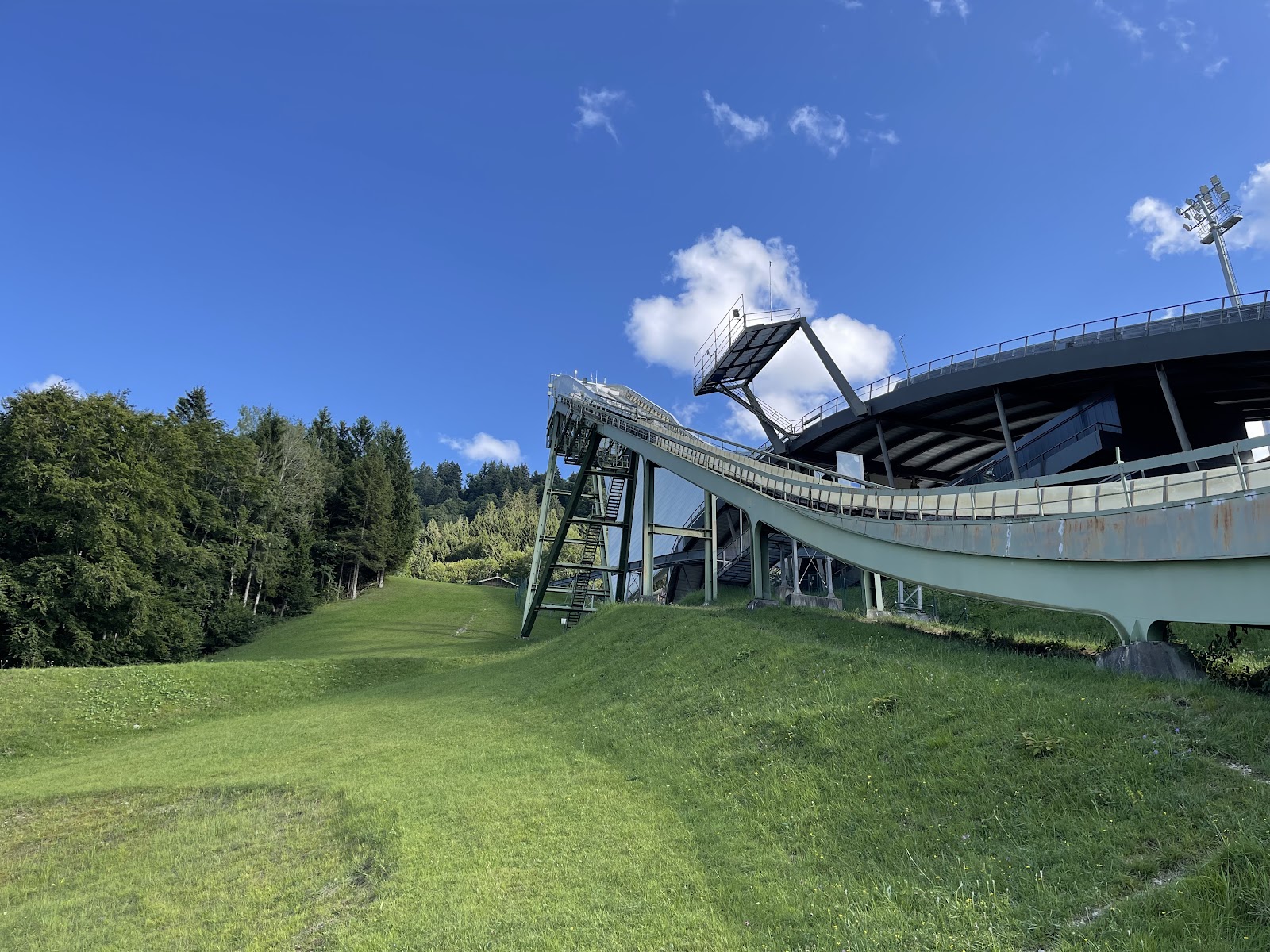
The Große Olympiaschanze rises from the Gudiberg hill south of Partenkirchen, its inrun tower lifting 100 metres before the jump itself floats — quite literally — 62 metres above the terrain on a cantilevering steel frame that touches the ground as lightly as it can. Every New Year's Day since 1953, ski jumpers have launched from this hill as part of the Four Hills Tournament, and up to 100,000 people have packed the stadium bowl below to watch.
The grounds around the jump carry an older weight. The stadium here was built for the 1936 Winter Olympics, and the Art Deco stone statues still lining it carry small absences in their hands — the symbols once held there were removed after the war.
💛 What travellers fall for
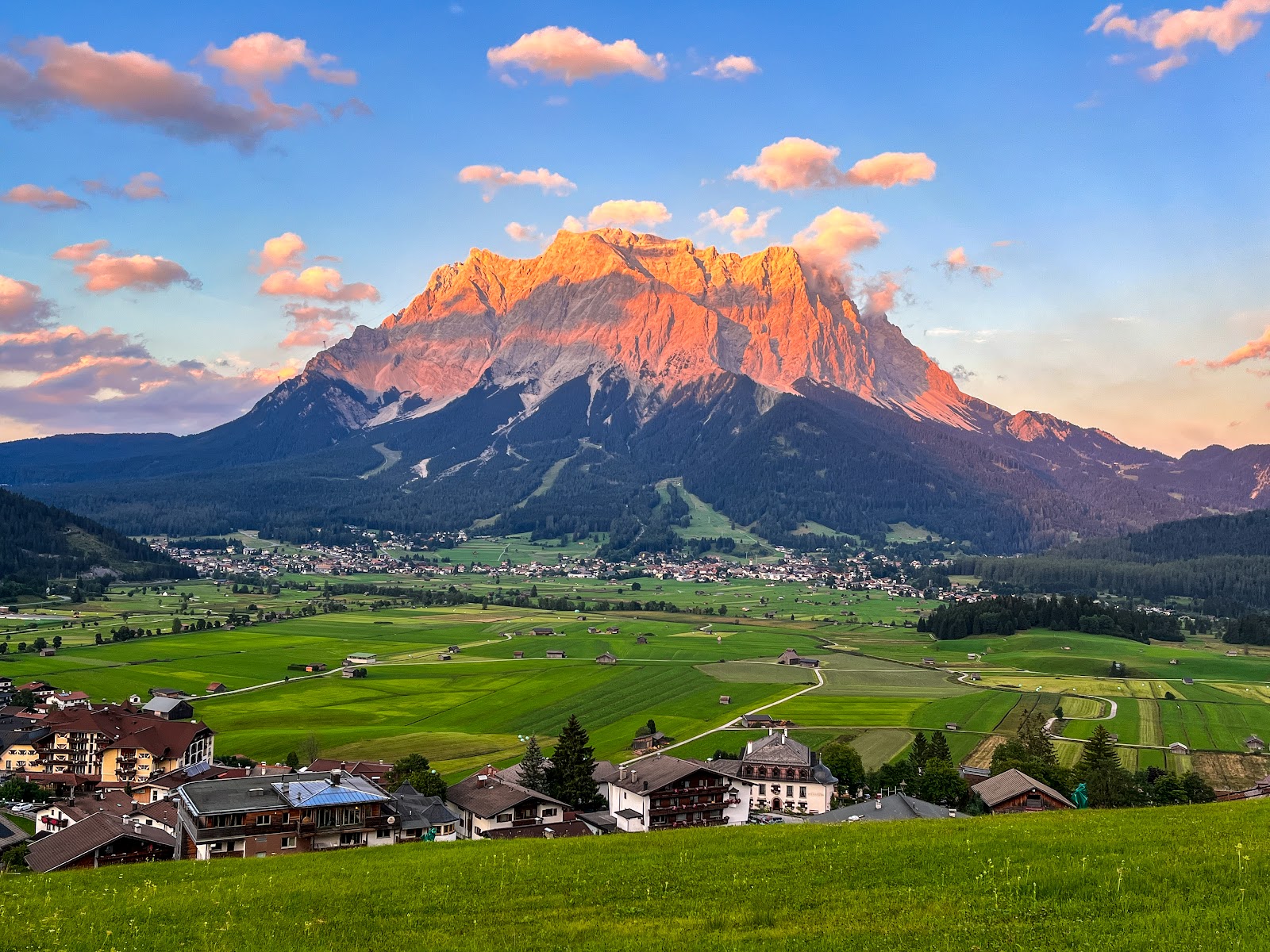
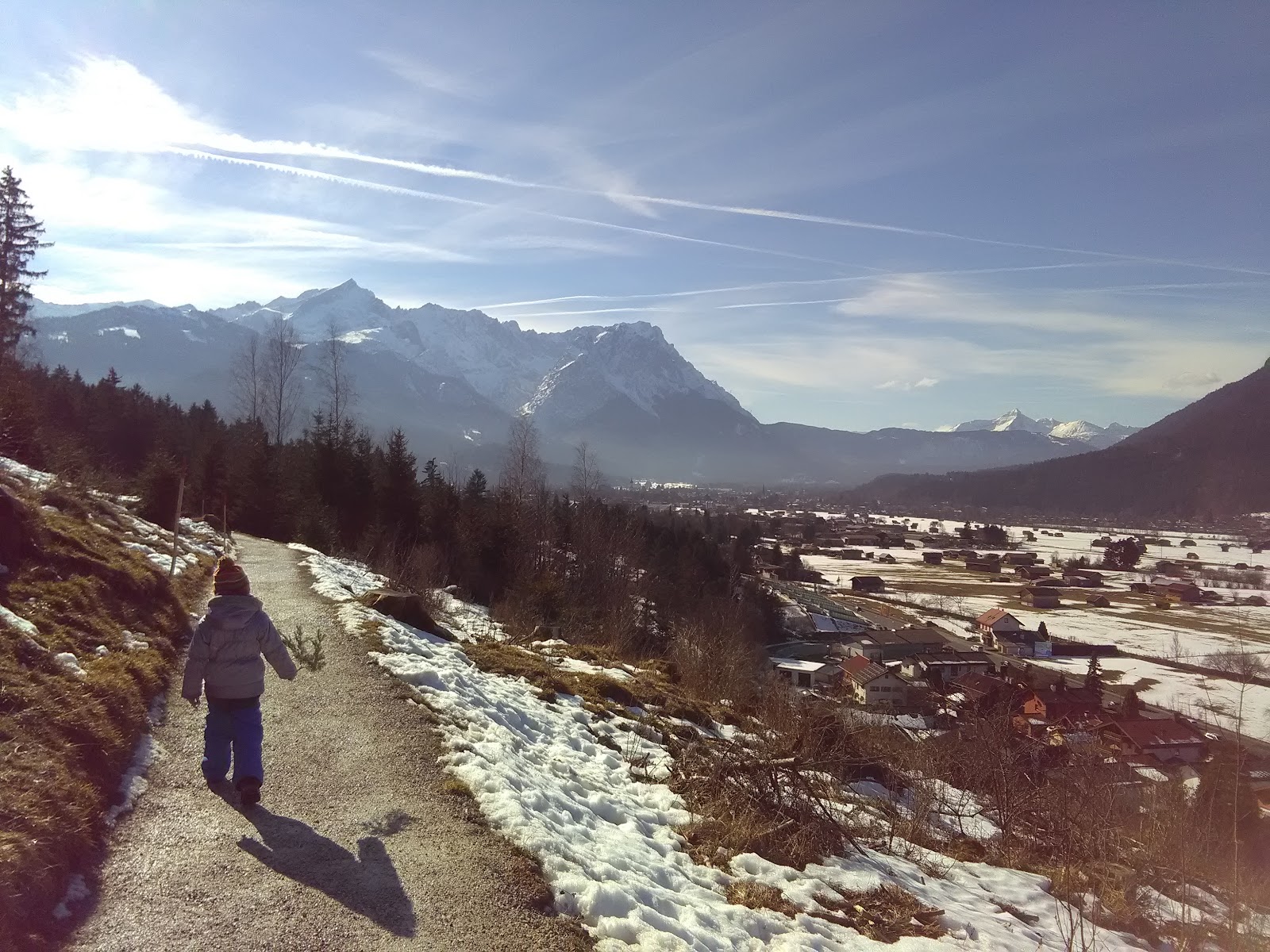
People who come back tend to do so on a Saturday afternoon for the guided jump tower tour: the view from the top across the valley toward the Zugspitze is the payoff, and at €16 it's unhurried. If you're here outside of competition season, the stadium grounds are free and quiet — worth the walk just for the scale of the structure.
The story behind Olympia-Skistadion Garmisch-Partenkirchen
A ski jump first stood on the Gudiberg in 1921. When Germany was awarded the 1936 Winter Olympics, that original structure was cleared and a purpose-built Olympic hill constructed in its place; the stadium opened in 1935 with a capacity of 130,000. The Games ran 6–16 February 1936, with ski jumping and the jumping leg of Nordic combined held here, and the stadium bowl serving as the site for the opening and closing ceremonies.
The Olympic jump was renovated in 1978 and stood until April 2007, when it was demolished following an international architectural competition. The Munich firm terrain:loenhart&mayr won the commission over more prominent competitors including Zaha Hadid Architects and Behnisch Architects. Construction began 26 April 2007; the new jump opened New Year's Day 2008. A permanent exhibition, "Spuren im Schnee" (Traces in the Snow), is planned for the east curve of the stadium with a target opening of 2026.

Good to know
Take the Regionalbahn from Munich (about 90 minutes) then local bus line 1 or 2 to Skistadion. Tower tours run Saturdays at 3 p.m. year-round; adults €16. Grounds are free and open outside events. Parking is available nearby for €2–€5.
Winter visits — especially around the New Year's Day competition — mean temperatures near or below freezing and reliable snow on the surrounding hills; dress accordingly. Summer and early autumn (July through September) bring warmer days around 17–21°C, though the stretch from May to August is the wettest part of the year.
Where is Olympia-Skistadion Garmisch-Partenkirchen?
Location
- In Garmisch-Partenkirchen
- 47.4833, 11.0667
- Open in Google Maps
Rating
4.6 ★ · 196 Google reviews
More tickets & tours for Olympia-Skistadion Garmisch-Partenkirchen
Book directly at the provider
What travellers say about Olympia-Skistadion Garmisch-Partenkirchen
I am sure in the winter it would be much more beautiful with the skiers using the jumps. Site of the Ski Jumps for the 1934 Olympics. The stone statues adorning the stadium are products of the Art Deco era in Germany, look for the missing pieces in their hands as the symbols were removed. Neat place to see, but not much to see when it is not snowing.
Setting of the 1936 Winter Olympics & doesn’t look too different now from back then. Historical buildings.
Historical architectural stadium! Great restaurant! Must visit when in the area!
Very cool place to stop by if you're around - and you will be around as you can't miss Partnachklamm :) - in particular for a sports enthusiast!
Magnificent stadium right here in the mountains!
More of Garmisch-Partenkirchen
Discover where to stay, what to do and the best deals for your trip.
Explore Garmisch-Partenkirchen →More attractions in Garmisch-Partenkirchen
All of Garmisch-Partenkirchen →
Background adapted from Wikipedia (CC BY-SA) · map data © OpenStreetMap contributors · ratings & place photos via Google · other photos with per-image credit. Ticket links may earn us a commission at no extra cost to you.