
Werdenfelser Museum
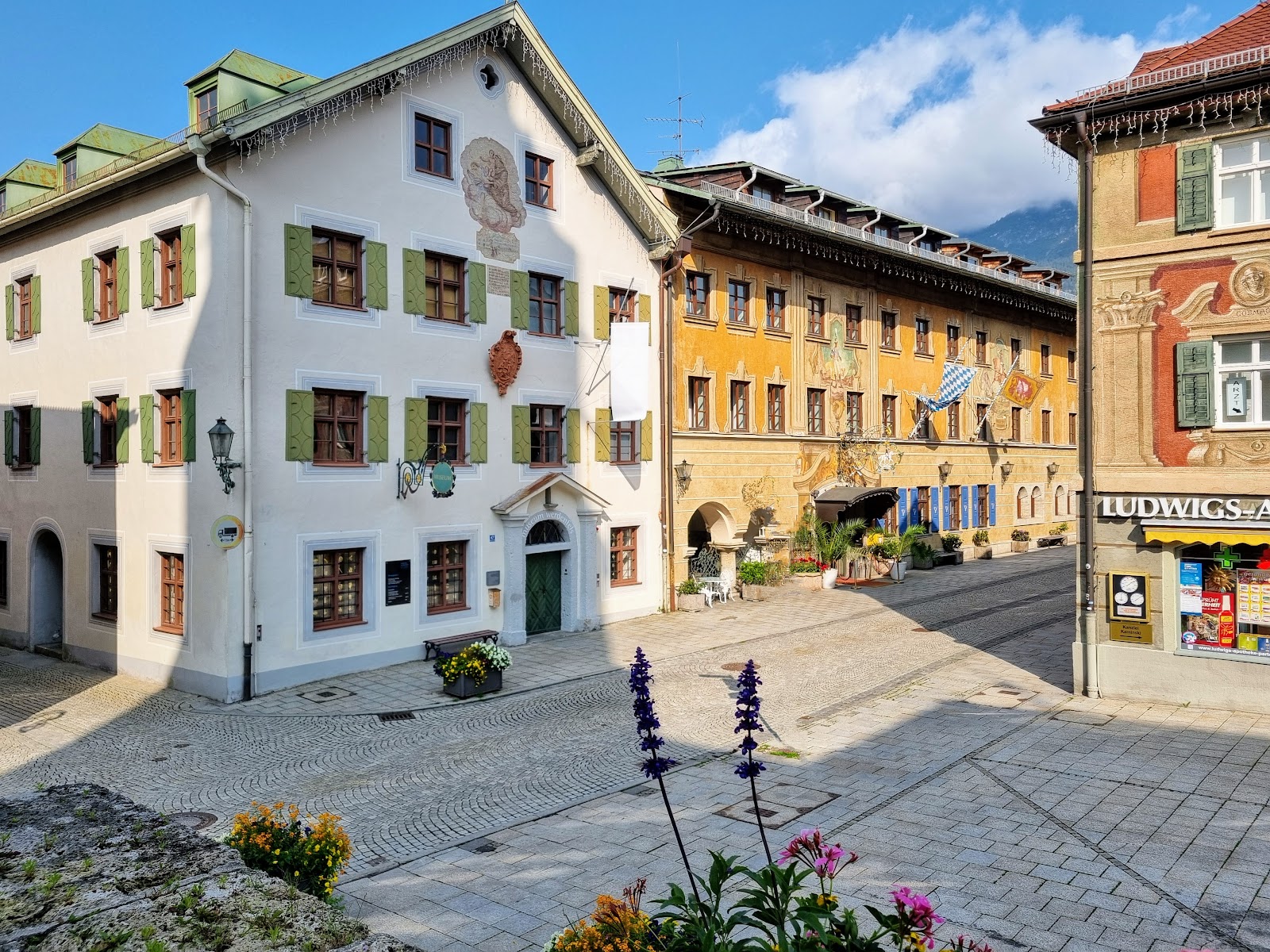
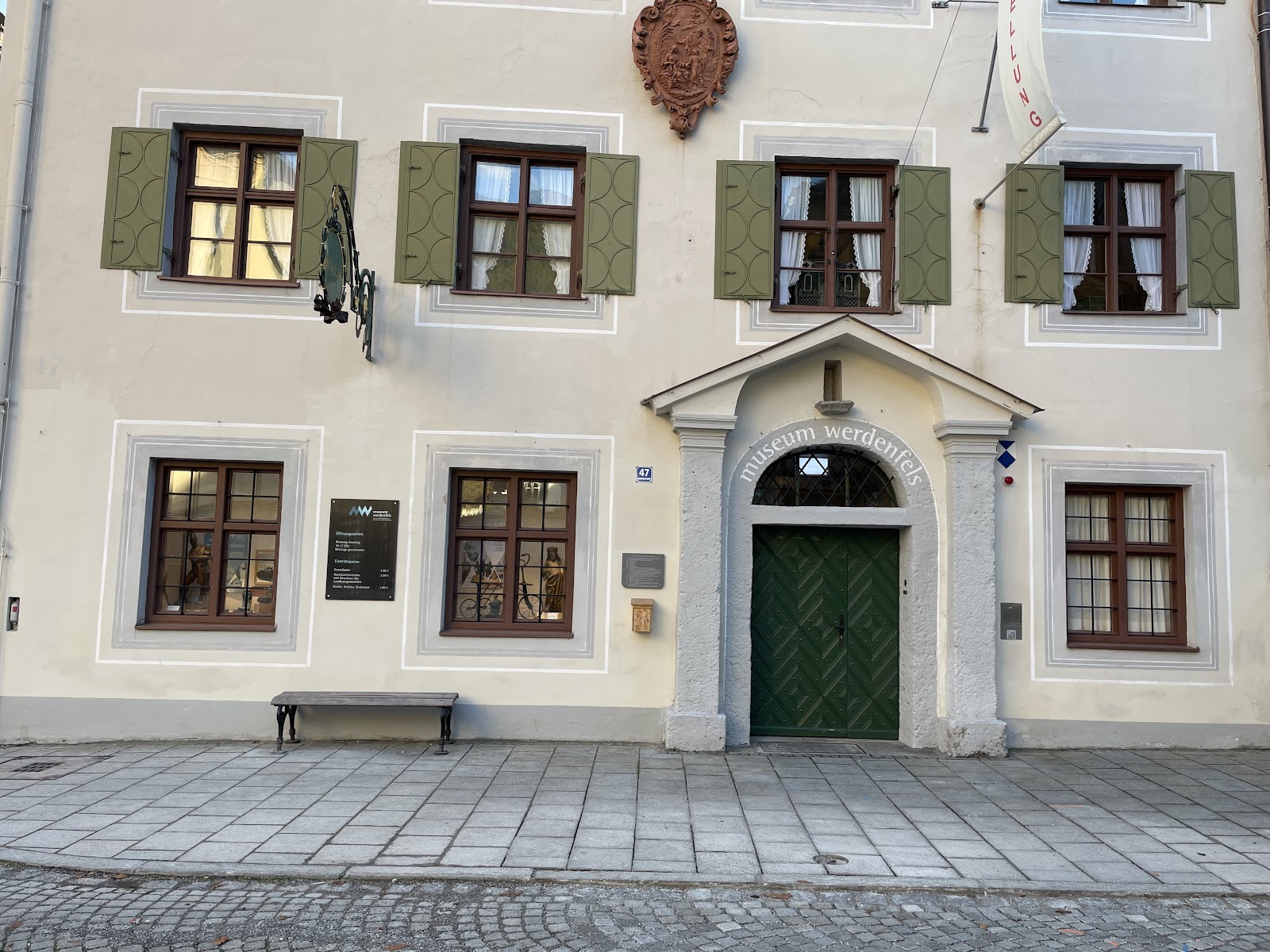
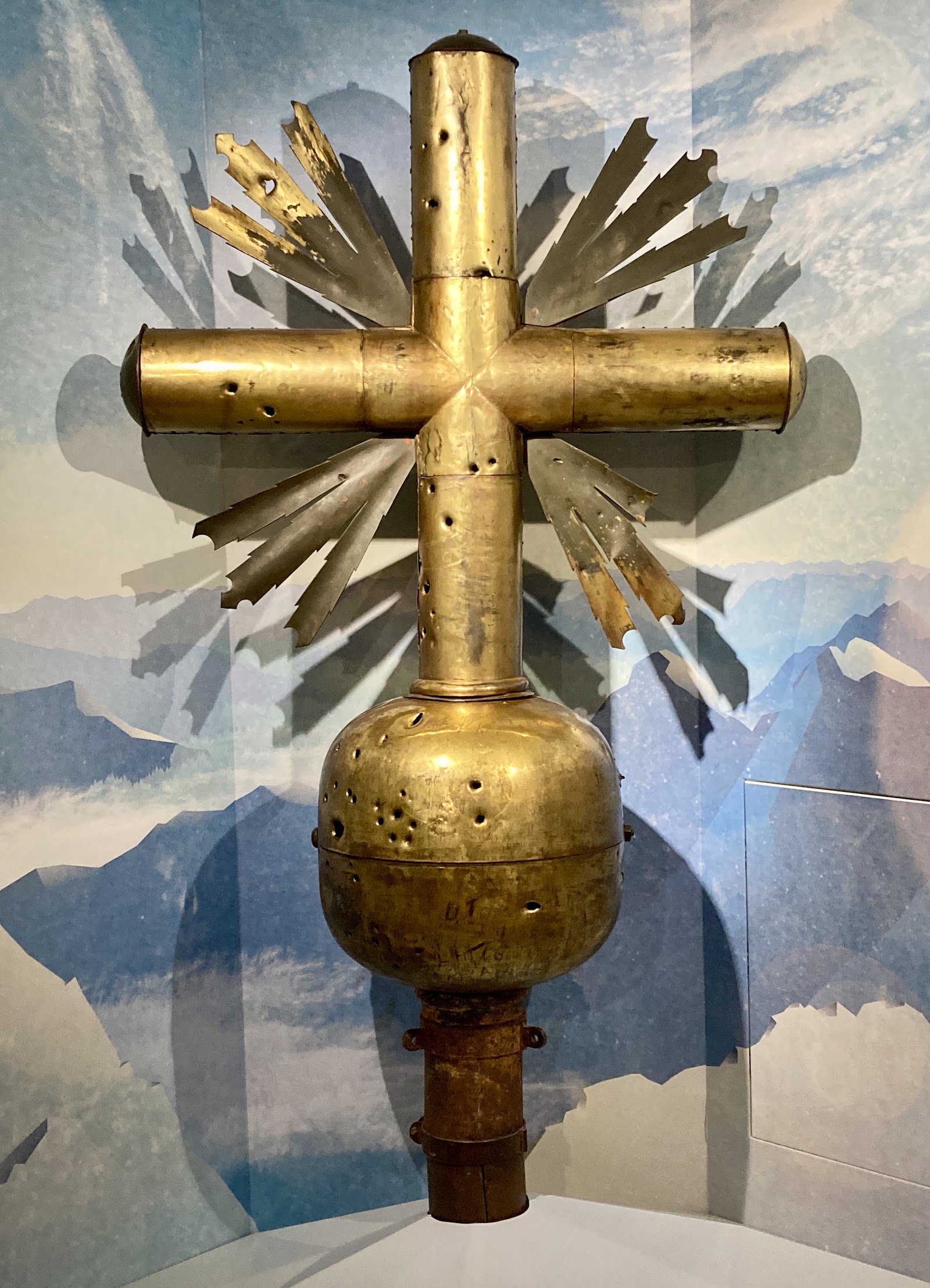
The building on Ludwigstraße has stood on a historic trade route since around 1200, and its bones show it: thick walls, a 17th-century frame that once served as a warehouse, and a canopy bed inside dated 1583. This is the Werdenfels Museum, and it holds more than 10,000 objects drawn from the life of the Werdenfels region — carnival masks, a smoke kitchen with a built-in hearth, a Mittenwald violin-making workshop frozen around 1900, and the original Zugspitze summit cross from 1851.
The collection began not as a tourist attraction but as a teaching tool. A woodcarving school director named Anton Kiendl started gathering objects in 1895 because he worried traditional craft knowledge was disappearing. That founding urgency still shapes what the museum feels like: less a trophy cabinet, more a working archive of how people actually lived here.
💛 What travellers fall for
Regulars tend to linger longest in the rear extension — the gallery bridge with its framed view of the Wettersteingebirge is a quiet reward after the packed permanent rooms. The Zugspitzraum draws people back too, especially those who've just come down from the mountain itself and want the longer story. Entry is free with a Garmisch-Partenkirchen guest card.
The story behind Werdenfelser Museum
Anton Kiendl, director of the Partenkirchen woodcarving school, began the collection in 1895 with a practical aim: assemble enough authentic regional objects to teach students what was vanishing from everyday life. By 1920 he had around 300 pieces. His successor Otto Blümel opened the collection to the public in 1925, housed in a separate building on Partenkirchner Rathausplatz, backed by a newly formed association of local donors.
As the collection grew toward 3,000 objects, the museum moved in 1973 to the Wackerlehaus on Ludwigstraße — a 17th-century former warehouse and the birthplace of sculptor Josef Wackerle. A rear extension and adjacent building, designed by Atelier Lüps, were added between 2016 and 2018. The museum reopened on 9 July 2019 under its current name, Museum Werdenfels, with holdings now exceeding 10,000 objects.
Good to know
Open Tuesday through Sunday, 10:00–17:00 (and on legal holidays that fall on a Monday). Adults pay €5.50; bring your district guest card and it's free. An underground garage on-site offers two hours free parking. Budget a couple of hours for the 15 permanent rooms plus the special exhibition spaces.
Where is Werdenfelser Museum?
Location
- In Garmisch-Partenkirchen
- 47.4936, 11.0956
- Open in Google Maps
Rating
4.6 ★ · 232 Google reviews
More tickets & tours for Werdenfelser Museum
Book directly at the provider
What travellers say about Werdenfelser Museum
Housed in a 17th-century mansion belonging to a merchant, the Werdenfels Museum was created in 1895 from a private collection. Currently, the place consists of historic artifacts, documents, folk art, religious and sacred objects, art décor items and also prehistoric and archaeological relics from the Werdenfelser region. Walk in and you see just how the Alpine life was a couple of centuries back. The everyday objects reconstruct the bygone era. You can find old wagons, chariots, photographs, beautiful wooden furniture, personally owned objects, and tools that were used by the people of the region. The crafts section and the carnival exhibit that is showcased here that includes colorful masks and portrays the history of the festival are the highlights of the museum.
Excellent collection of period art and furniture... and now there's also a small, modern art room attached. Well worth the admission charge and an hour or two of your time.
Wonderful collection, I honestly did not expect it to be so large and was pleasantly surprised.
Interesting and educational. The staff was very kind. I loved it!
Not great if your a tourist with zero German. 90% of the info has no translation. Nice to visit on a wet day all the same. Entry was only €4
More of Garmisch-Partenkirchen
Discover where to stay, what to do and the best deals for your trip.
Explore Garmisch-Partenkirchen →More attractions in Garmisch-Partenkirchen
All of Garmisch-Partenkirchen →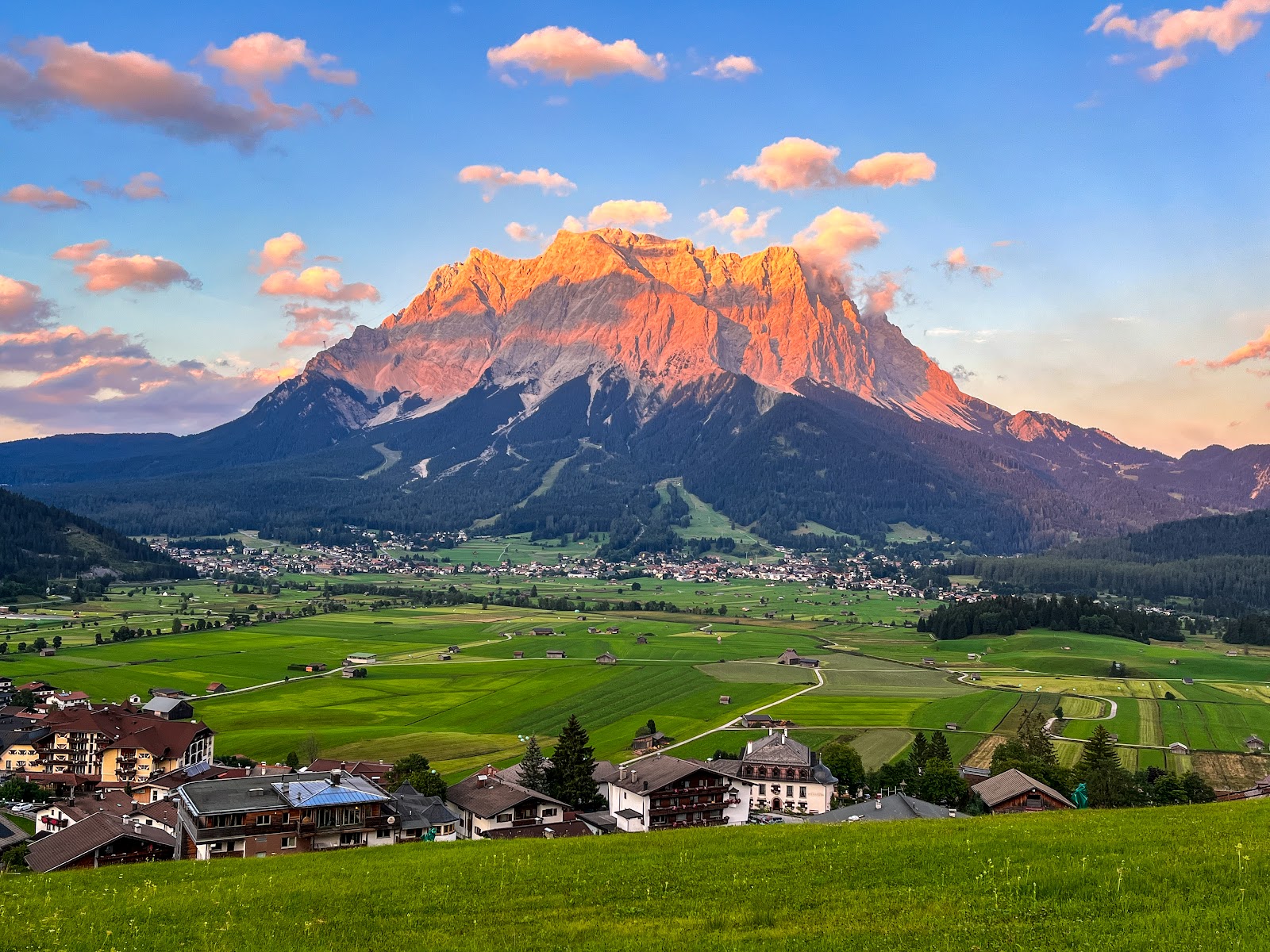

Background adapted from Wikipedia (CC BY-SA) · map data © OpenStreetMap contributors · ratings & place photos via Google · other photos with per-image credit. Ticket links may earn us a commission at no extra cost to you.