
Philosophenweg Garmisch-Partenkirchen
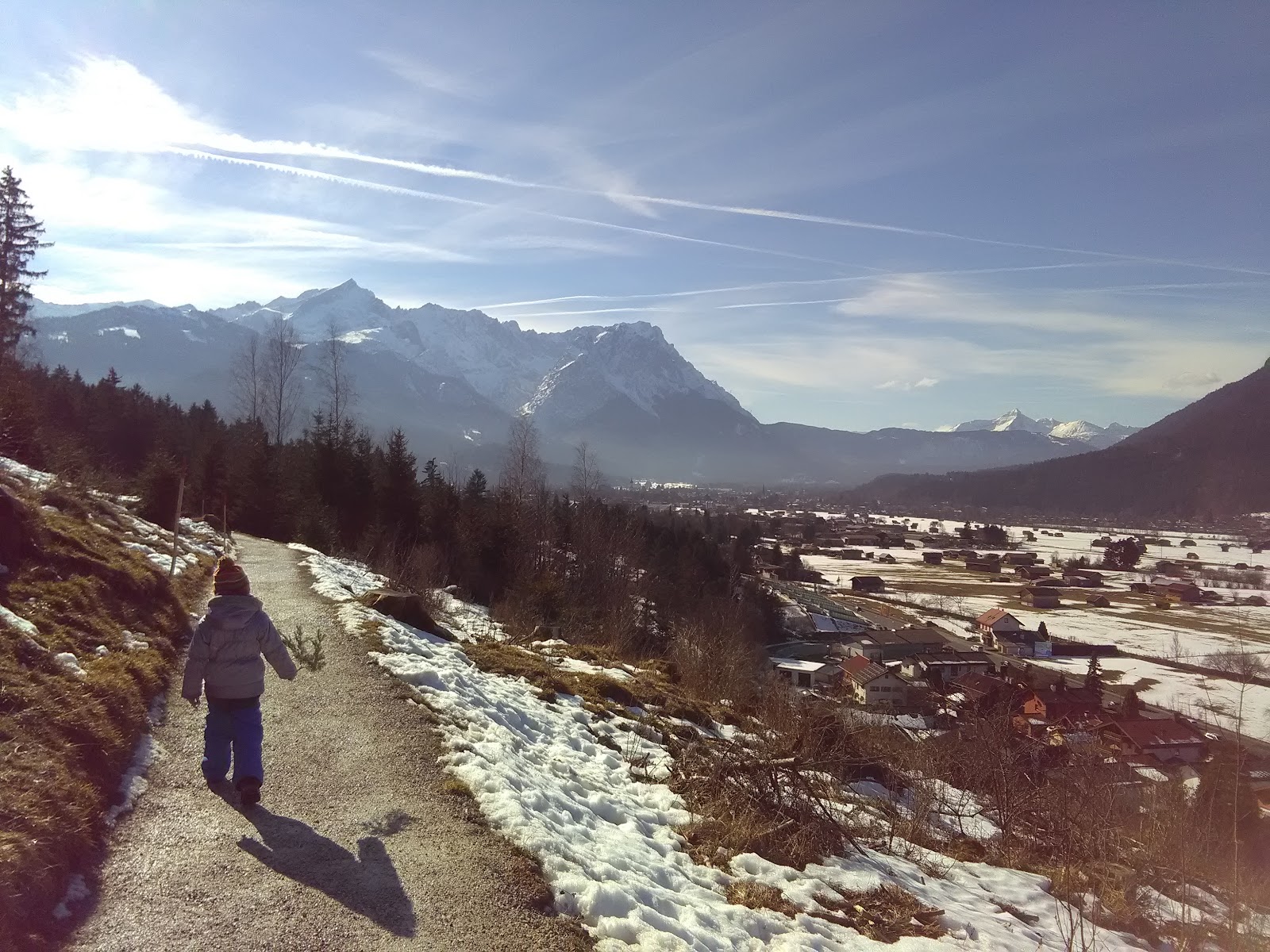
The benches along this 4.6-kilometre path are what give it away. Each one carries a quote — Plato, Nietzsche, Schopenhauer — carved or fixed into the wood, so that walking here has a loose, unhurried rhythm: a few minutes of forest, a bench, a sentence to sit with, then the mountains sliding back into view.
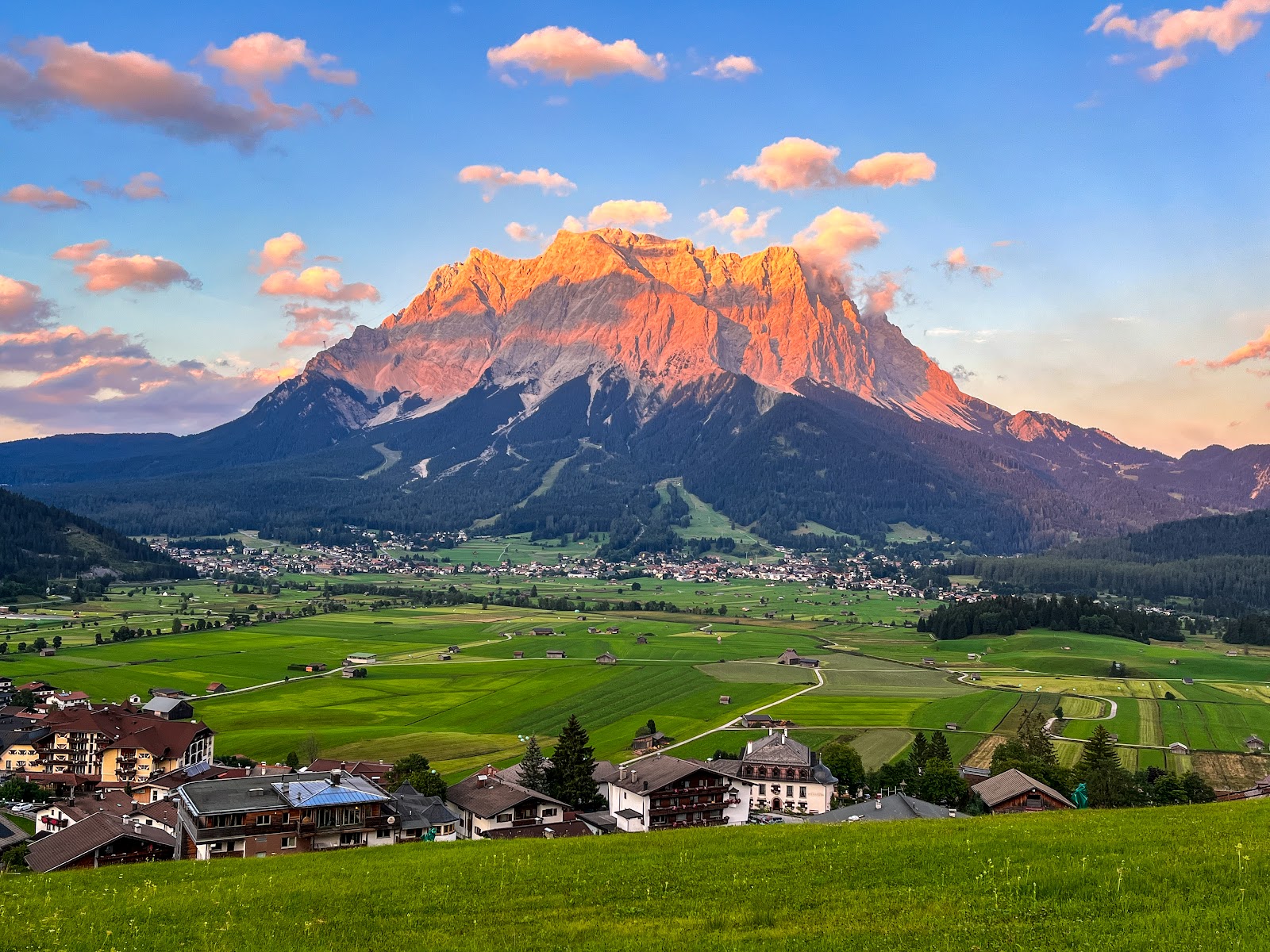
The trail runs from the edge of Partenkirchen through mixed woodland to the Loisach riverbank and the village of Farchant, gaining only 130 metres in the process. The Zugspitze and Alpspitze appear and disappear between the trees as you go.
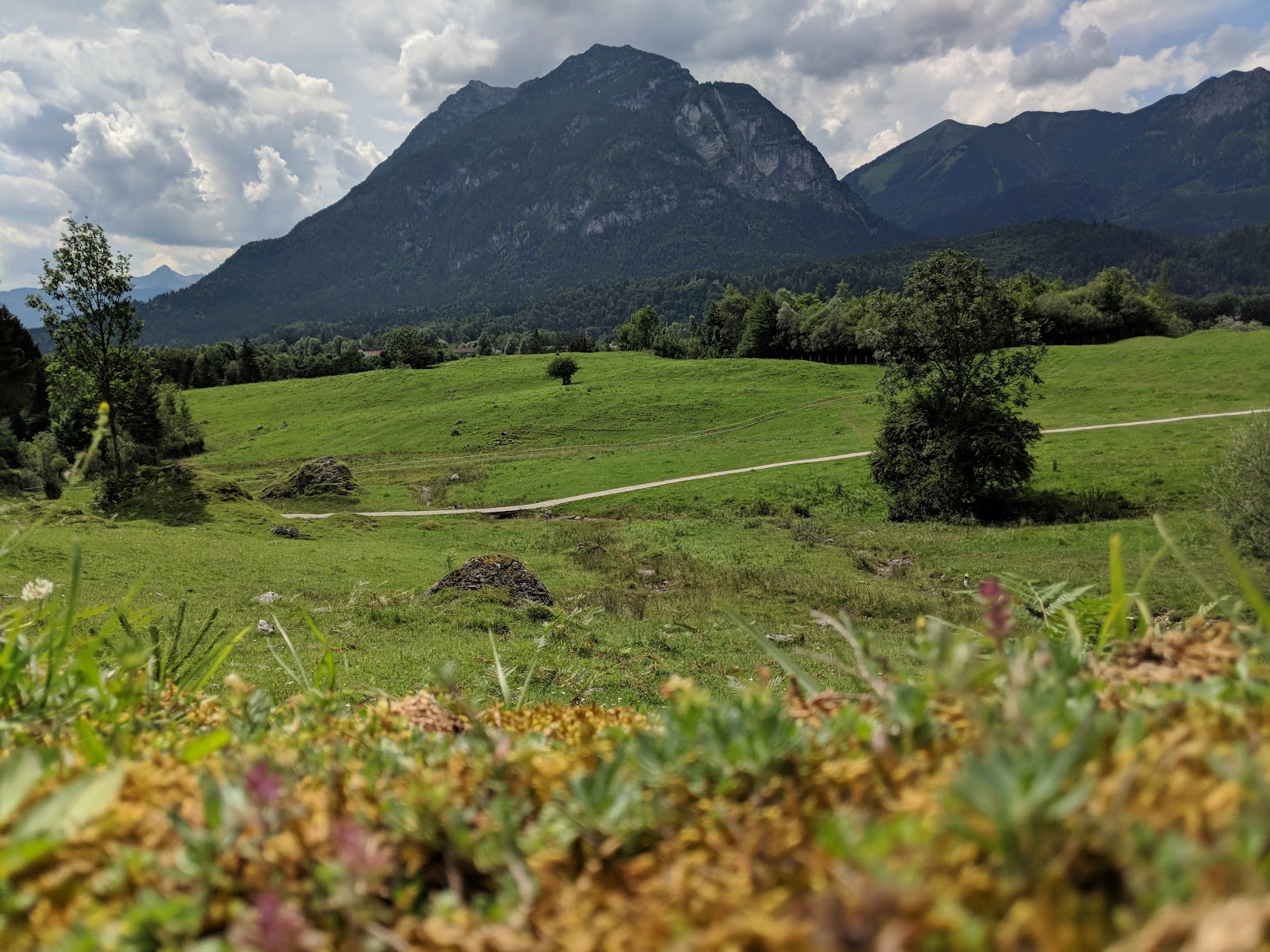
💛 What travellers fall for
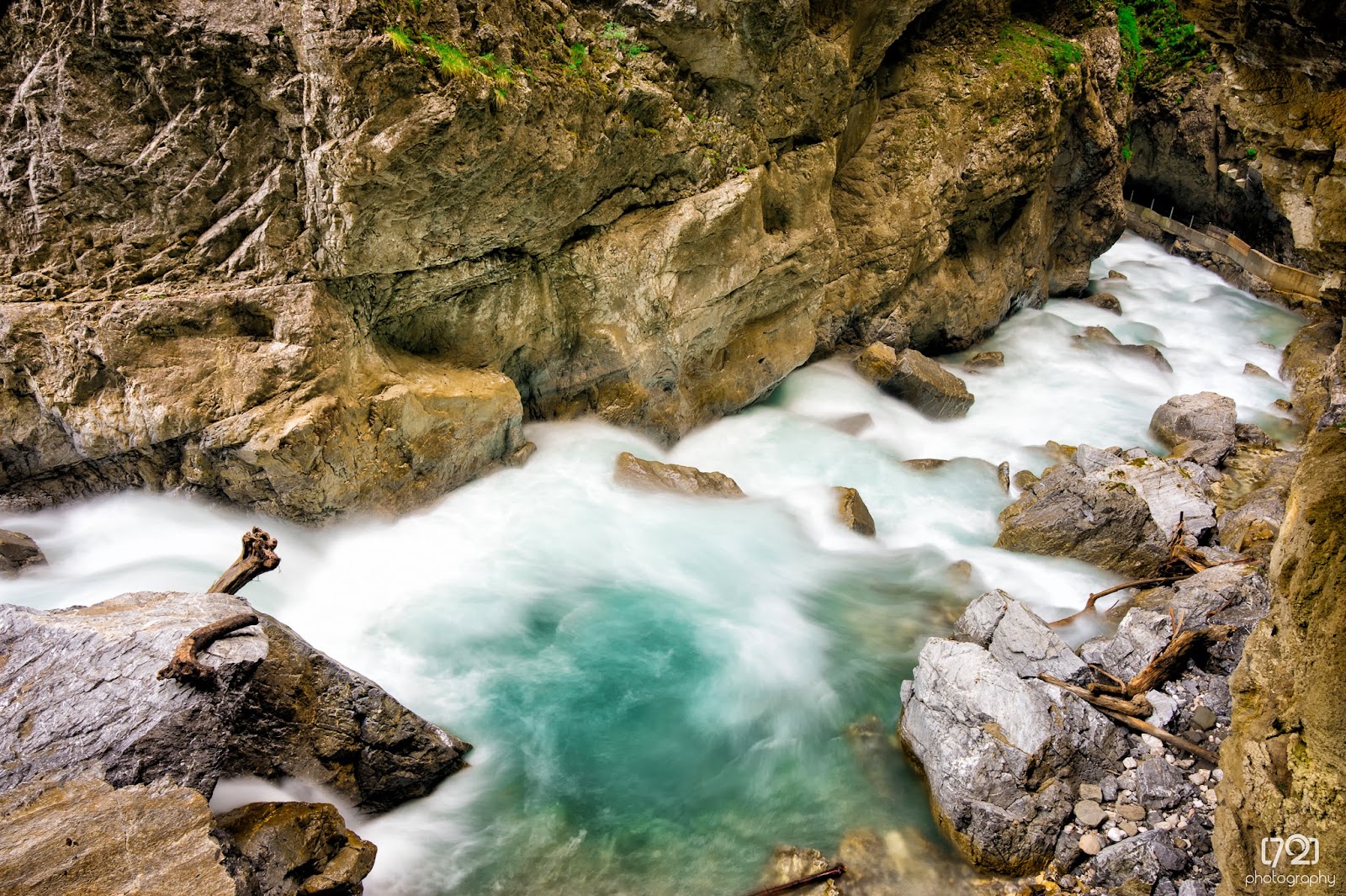
People who return tend to start early, stop at the Schützenhaus terrace for coffee with the Alpspitze directly ahead, and then continue down to the Loisach. The path to the Kuhflucht waterfalls branches off near the Farchant bridge — worth noting if you have an extra hour. The local bus back to Partenkirchen saves you retracing your steps.
The story behind Philosophenweg Garmisch-Partenkirchen
In 1890, the citizens of Garmisch-Partenkirchen established the St. Anton site as, in their own words, a place of peace and rest. The pilgrimage church that anchors the upper section of the trail — the Wallfahrtskirche St. Anton, an early 18th-century Baroque structure with an onion dome — predates that civic moment, its interior frescoes attributed to Johann Evangelist Holzer. The Stations of the Cross are carved into the landscape along the approach.
The trail itself accumulated its philosophical character over time, the benches and their quotes becoming the feature that defines it. Since 1998, a citizen initiative has kept the path maintained — among its active members, Ferdinand Schmid, a Partenkirchen-born textile merchant who has worked on it since the beginning.
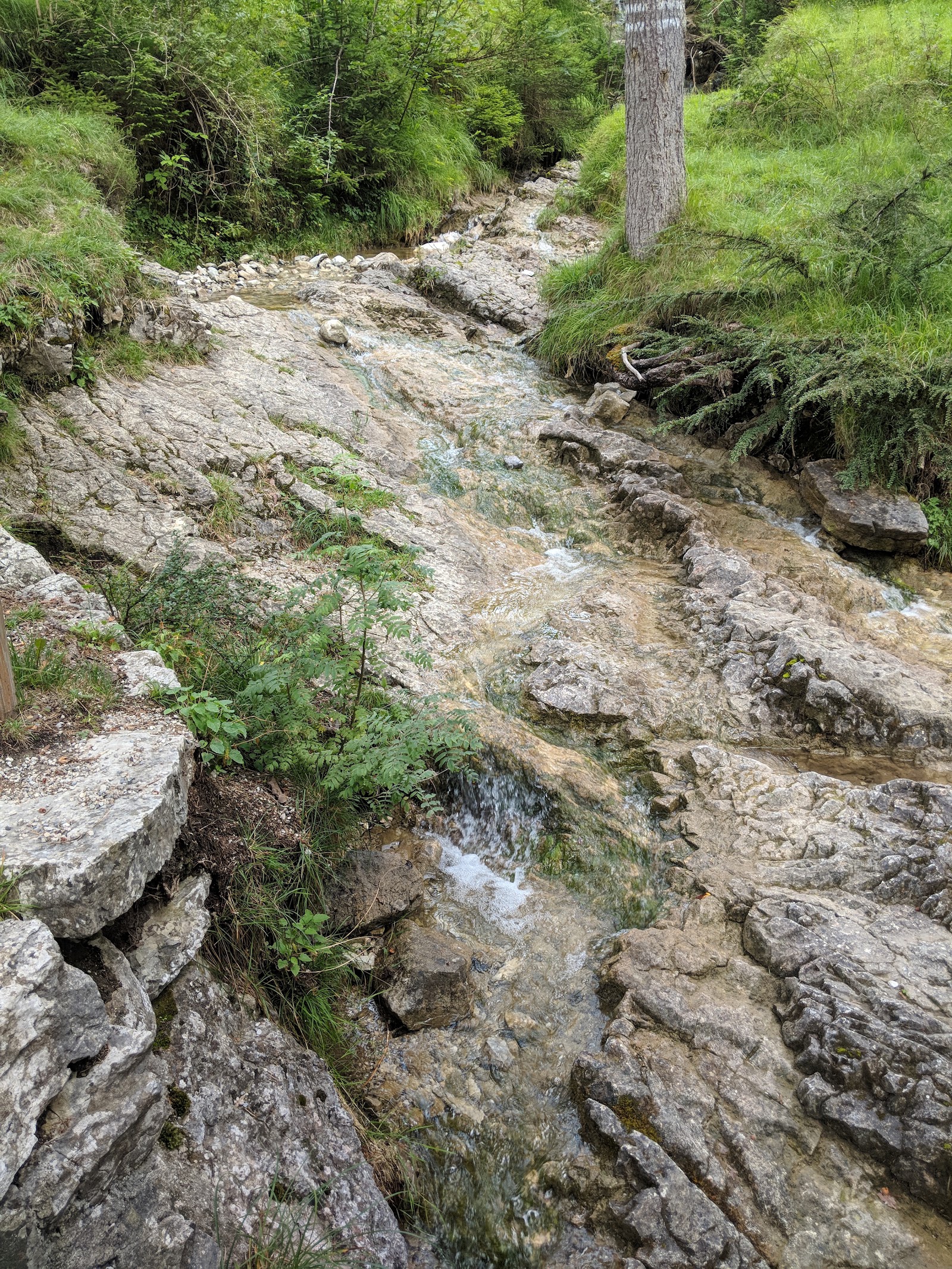
Good to know
Start at the bus stop on Schnitzschulstraße/Ludwigstraße in Partenkirchen and follow the short ascent to Floriansbrunnen. The trail is barrier-free and cleared in winter. July through September offers the most reliable weather; June brings heavy rain. Parking is available at the Farchant Schwimmbad.
Summer days from July to September are warm and clear, with temperatures reaching around 21°C — ideal for the walk. June is the wettest month, with heavy afternoon downpours likely. In winter the trail is cleared of snow and well-maintained, though temperatures regularly drop below freezing.
Where is Philosophenweg Garmisch-Partenkirchen?
Location
- In Garmisch-Partenkirchen
- 47.4950, 11.0900
- Open in Google Maps
More tickets & tours for Philosophenweg Garmisch-Partenkirchen
Book directly at the provider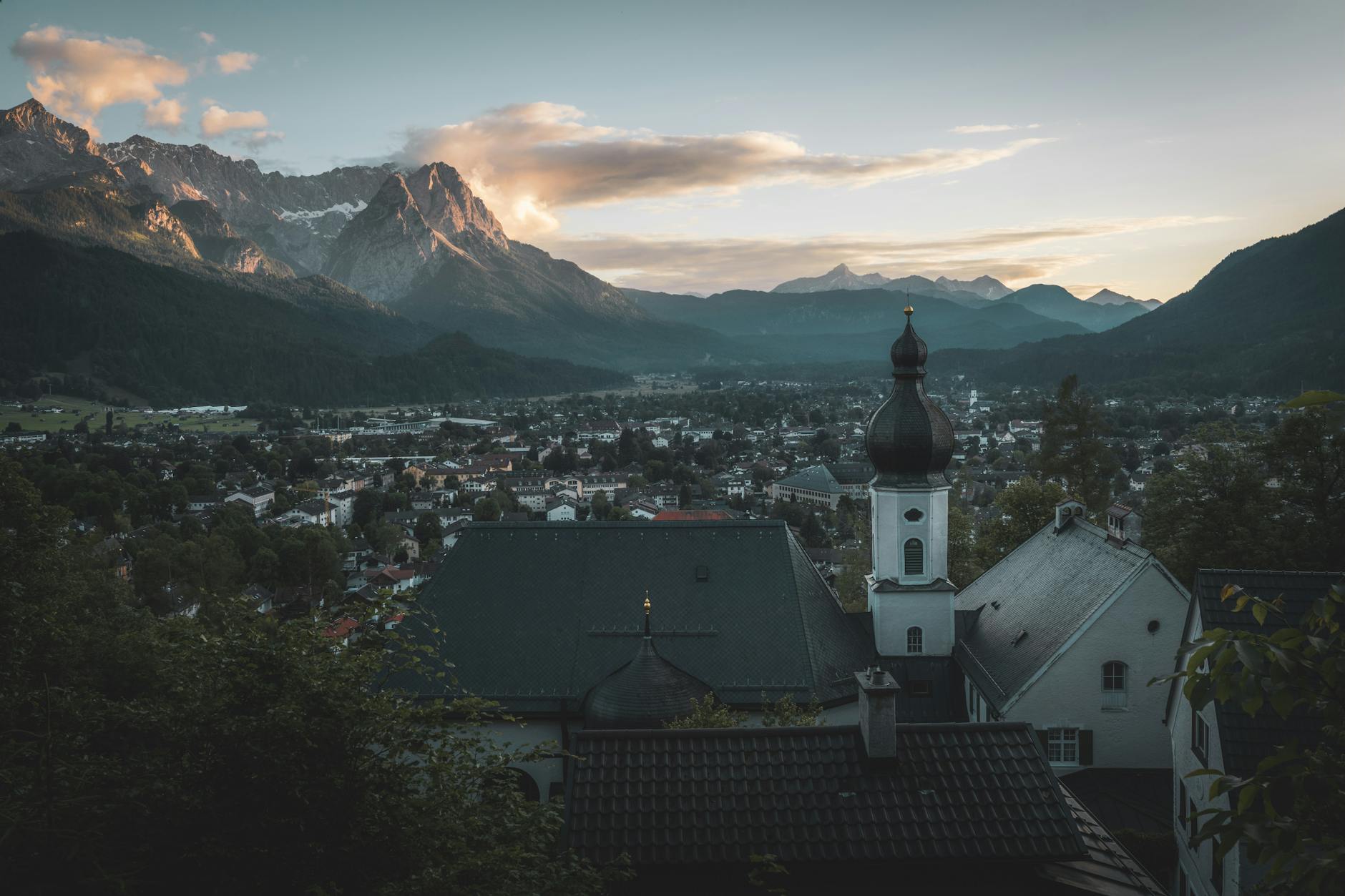
More of Garmisch-Partenkirchen
Discover where to stay, what to do and the best deals for your trip.
Explore Garmisch-Partenkirchen →More attractions in Garmisch-Partenkirchen
All of Garmisch-Partenkirchen →

Background adapted from Wikipedia (CC BY-SA) · map data © OpenStreetMap contributors · ratings & place photos via Google · other photos with per-image credit. Ticket links may earn us a commission at no extra cost to you.