
Füssen
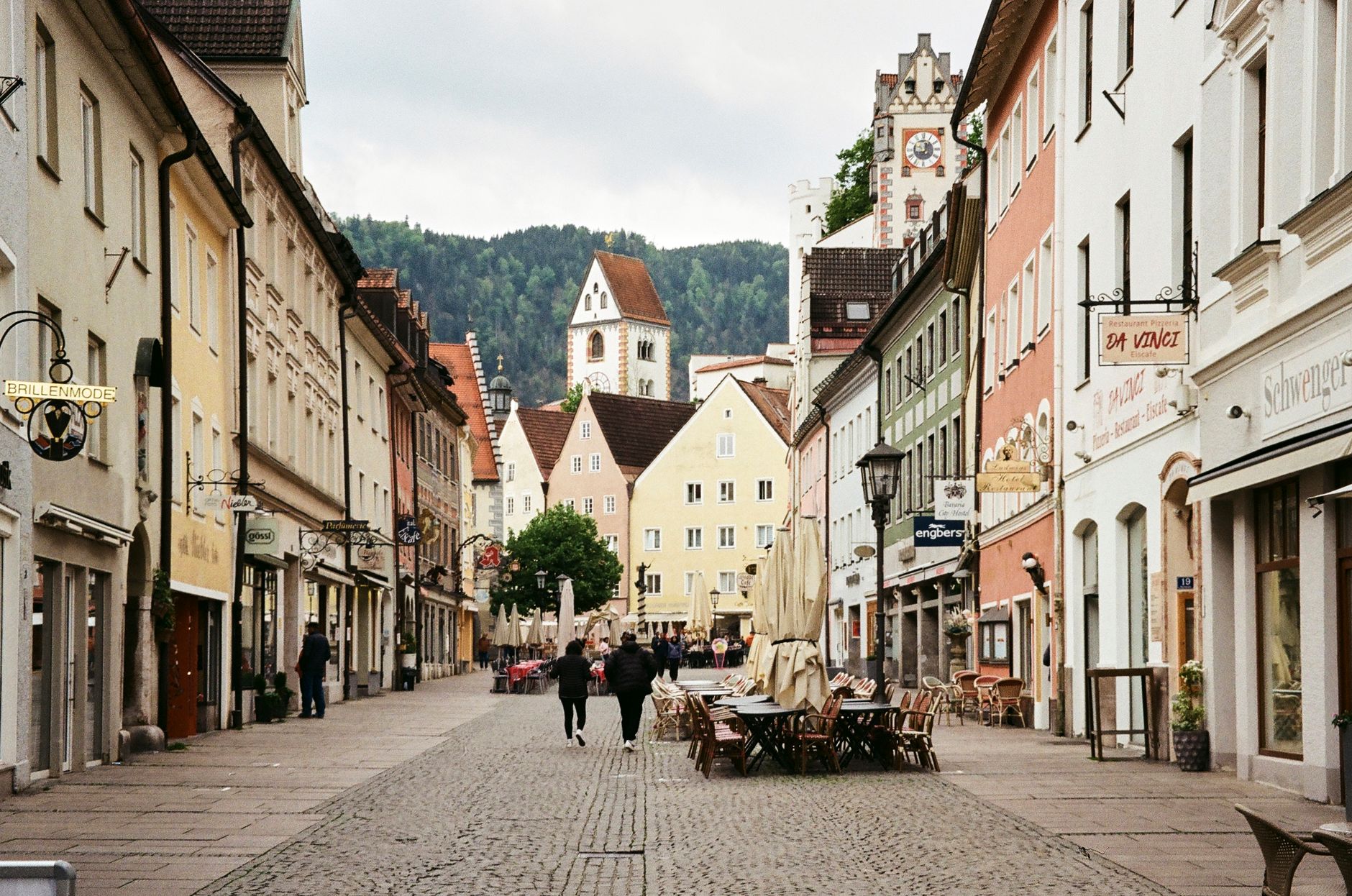
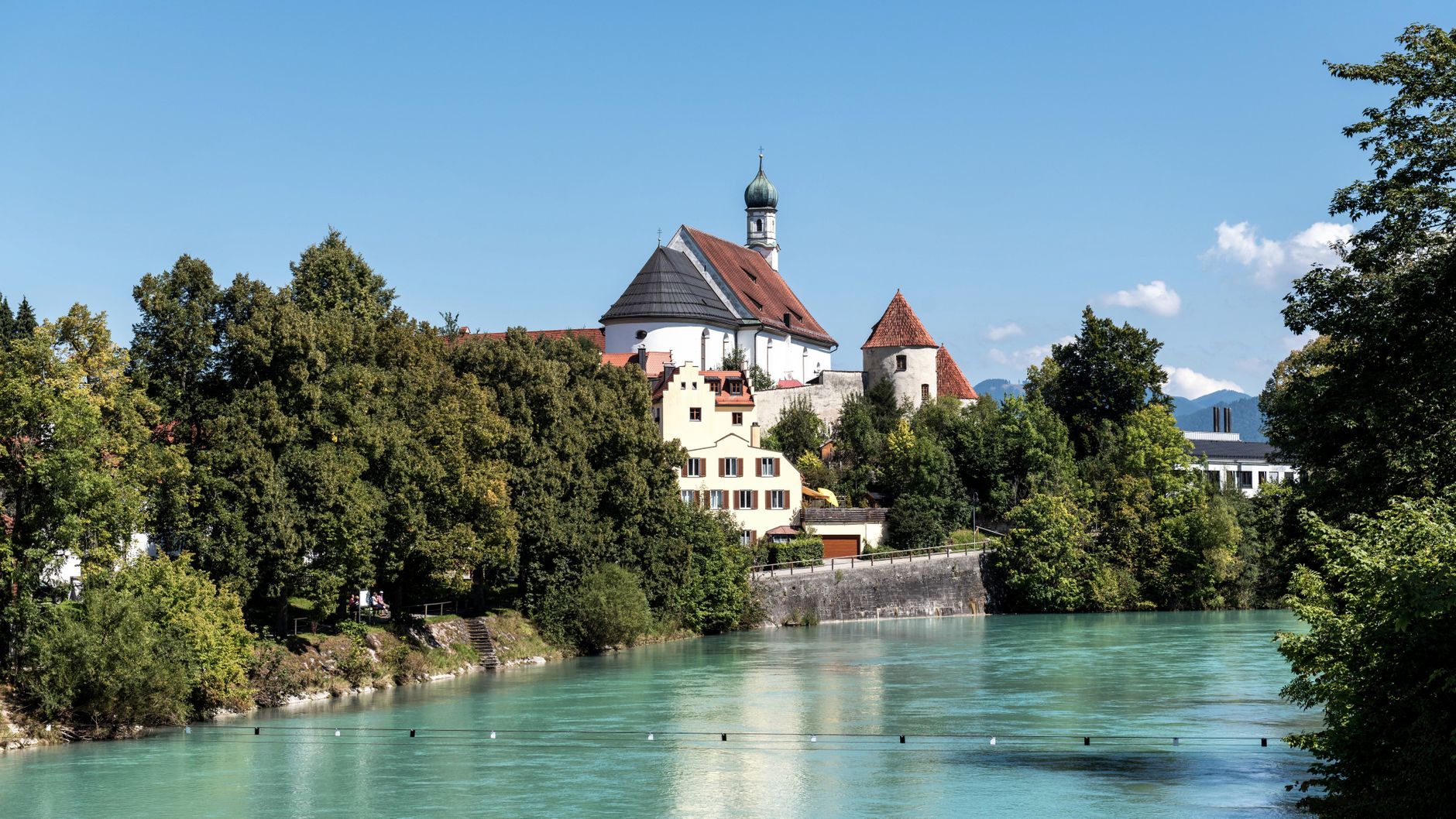
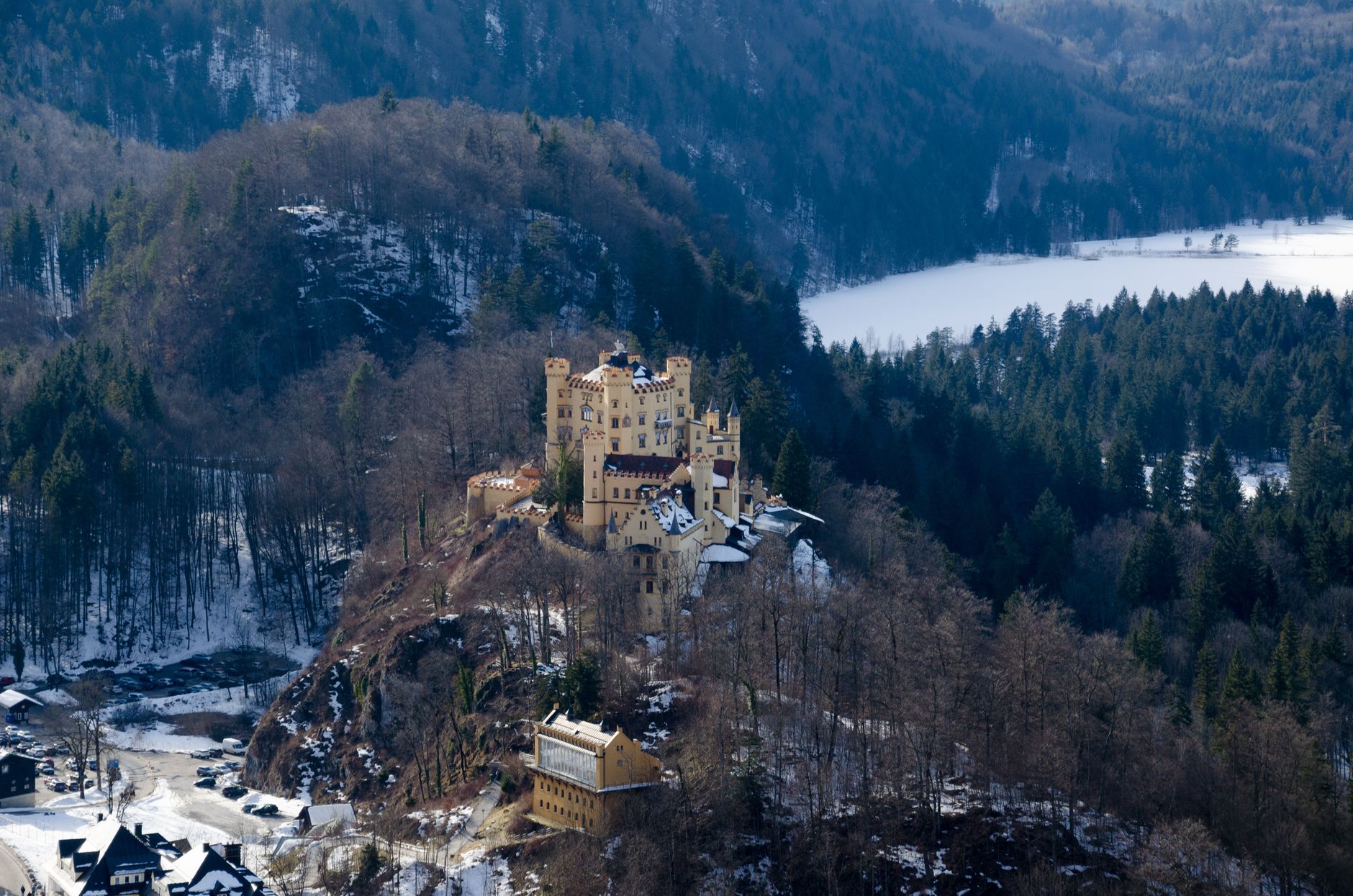
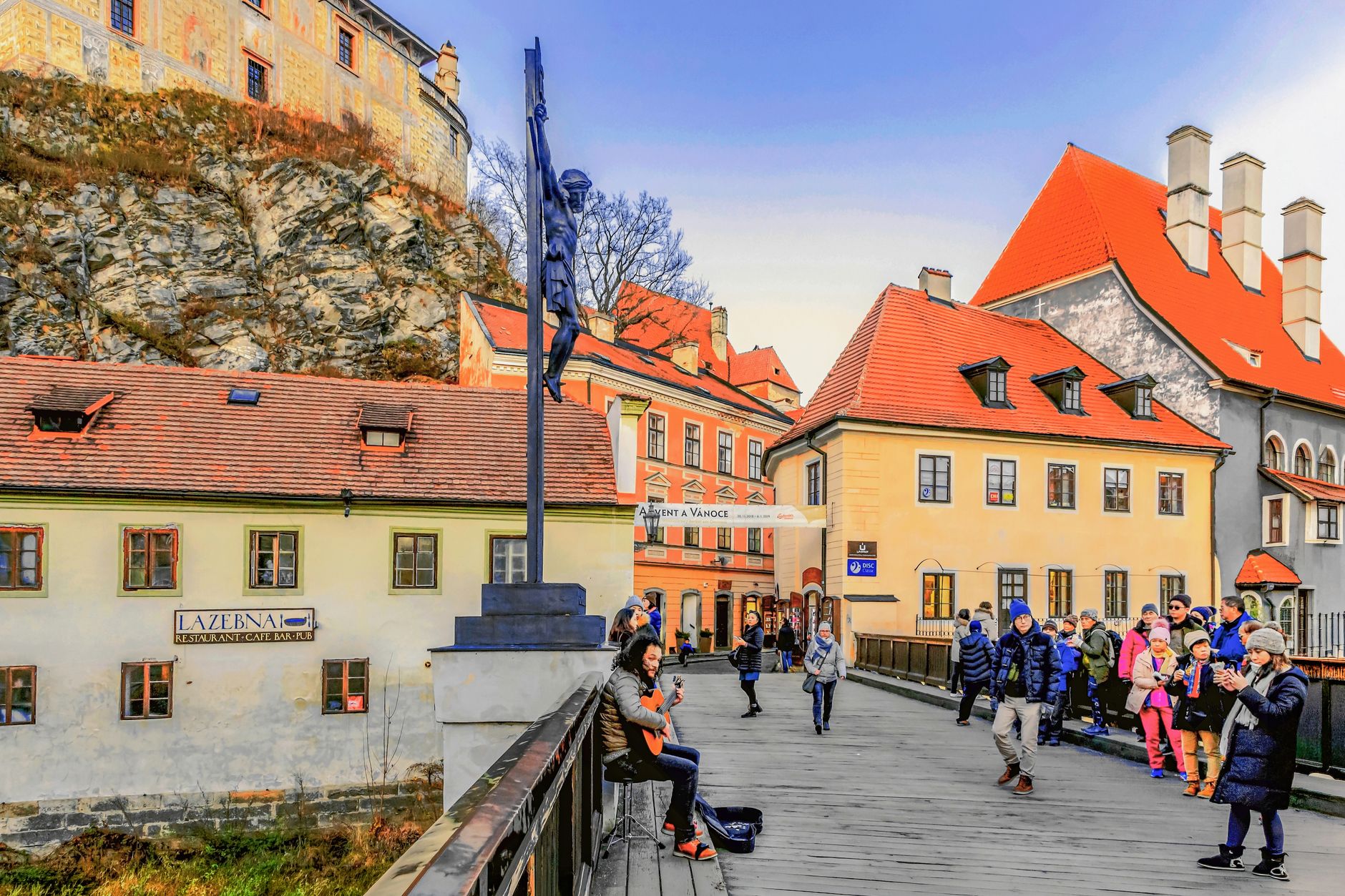
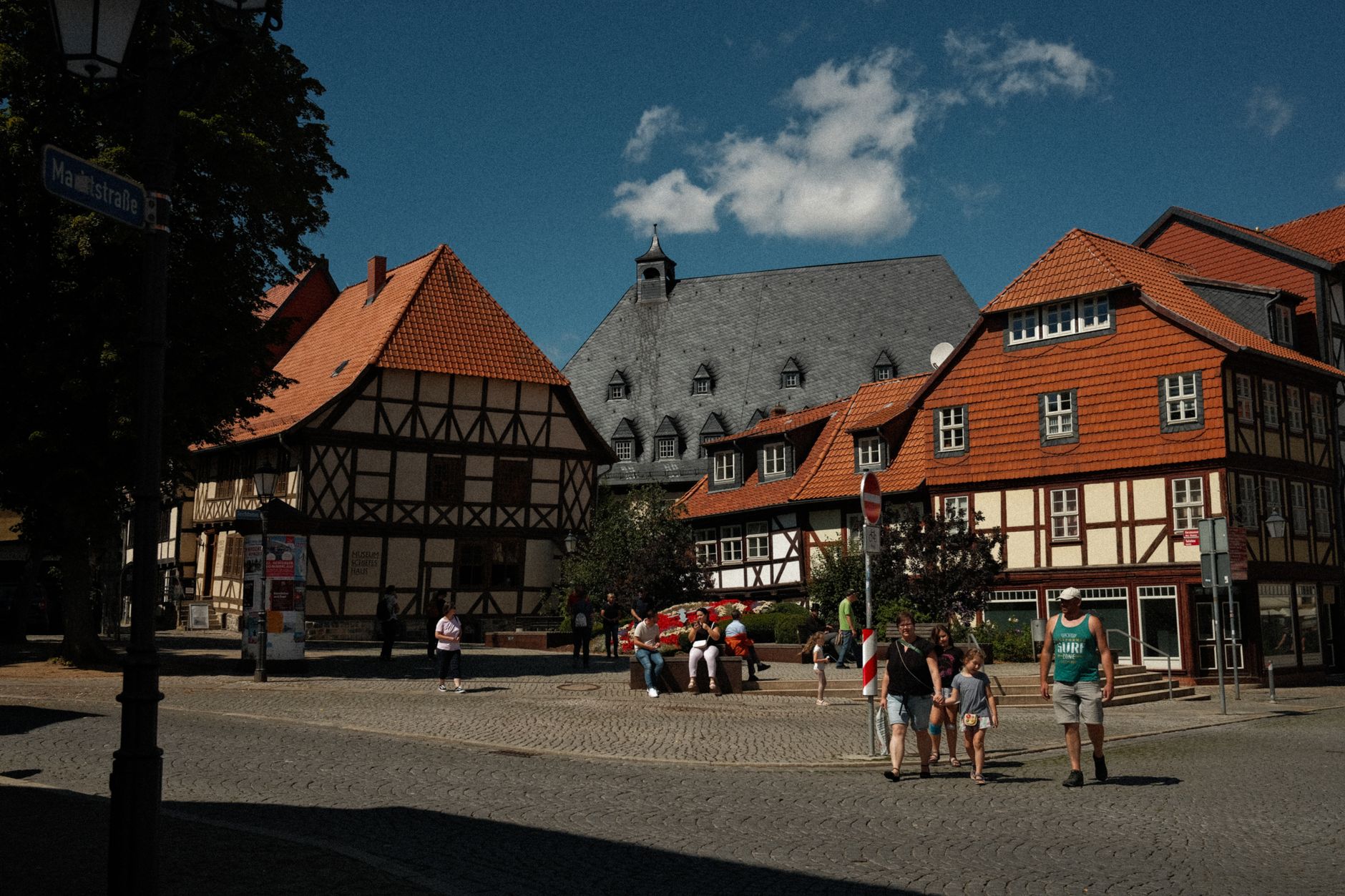
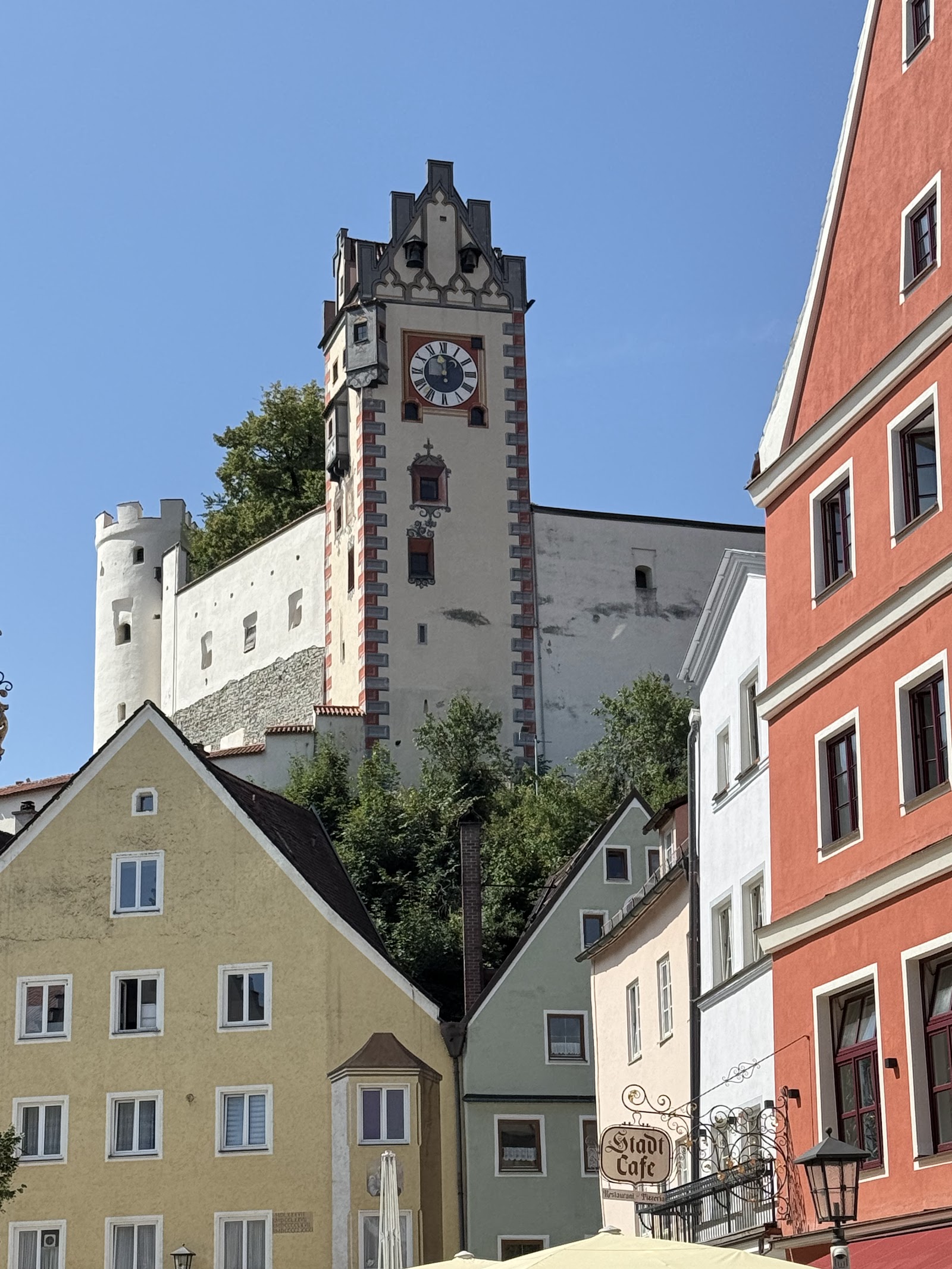
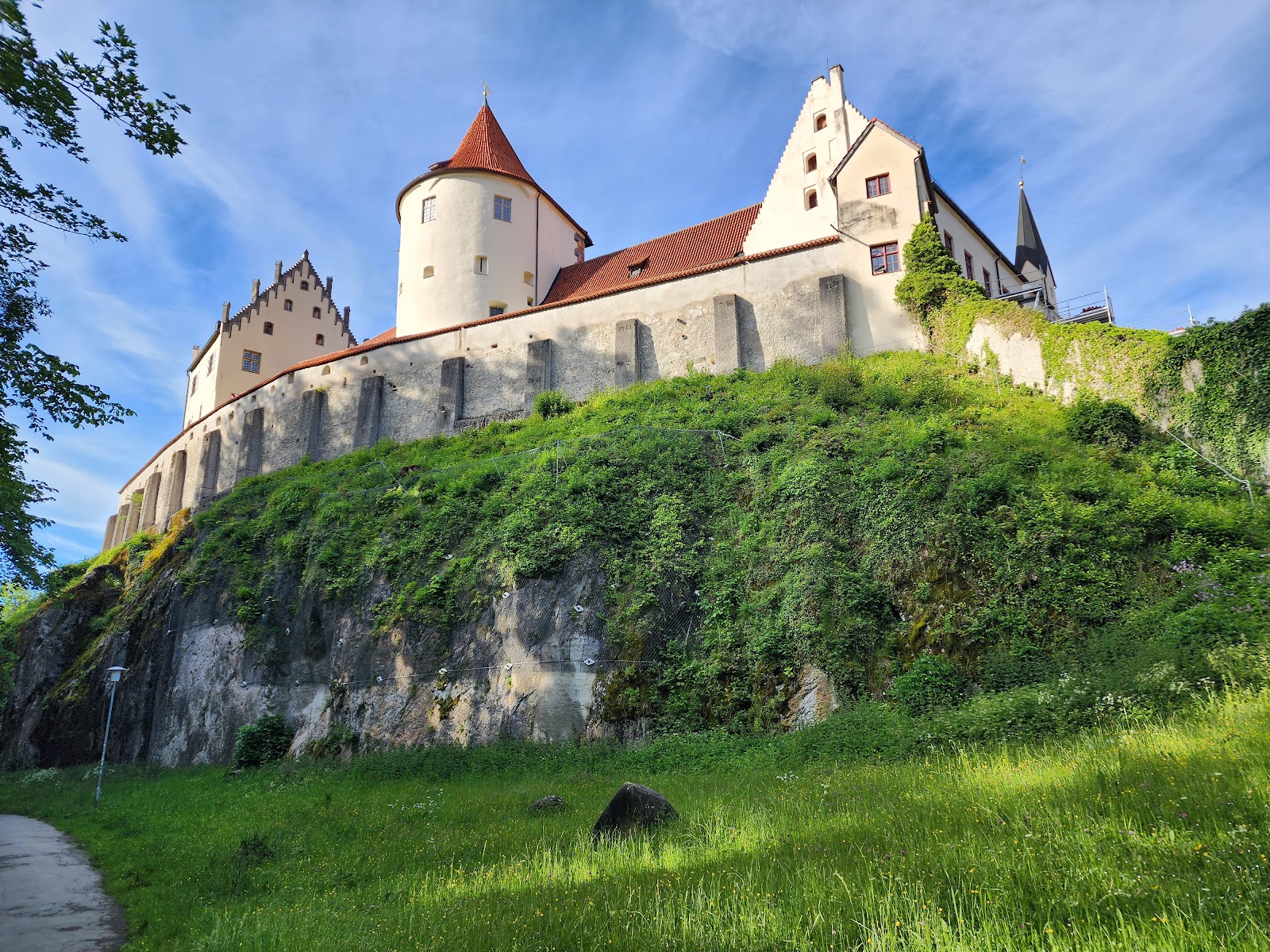
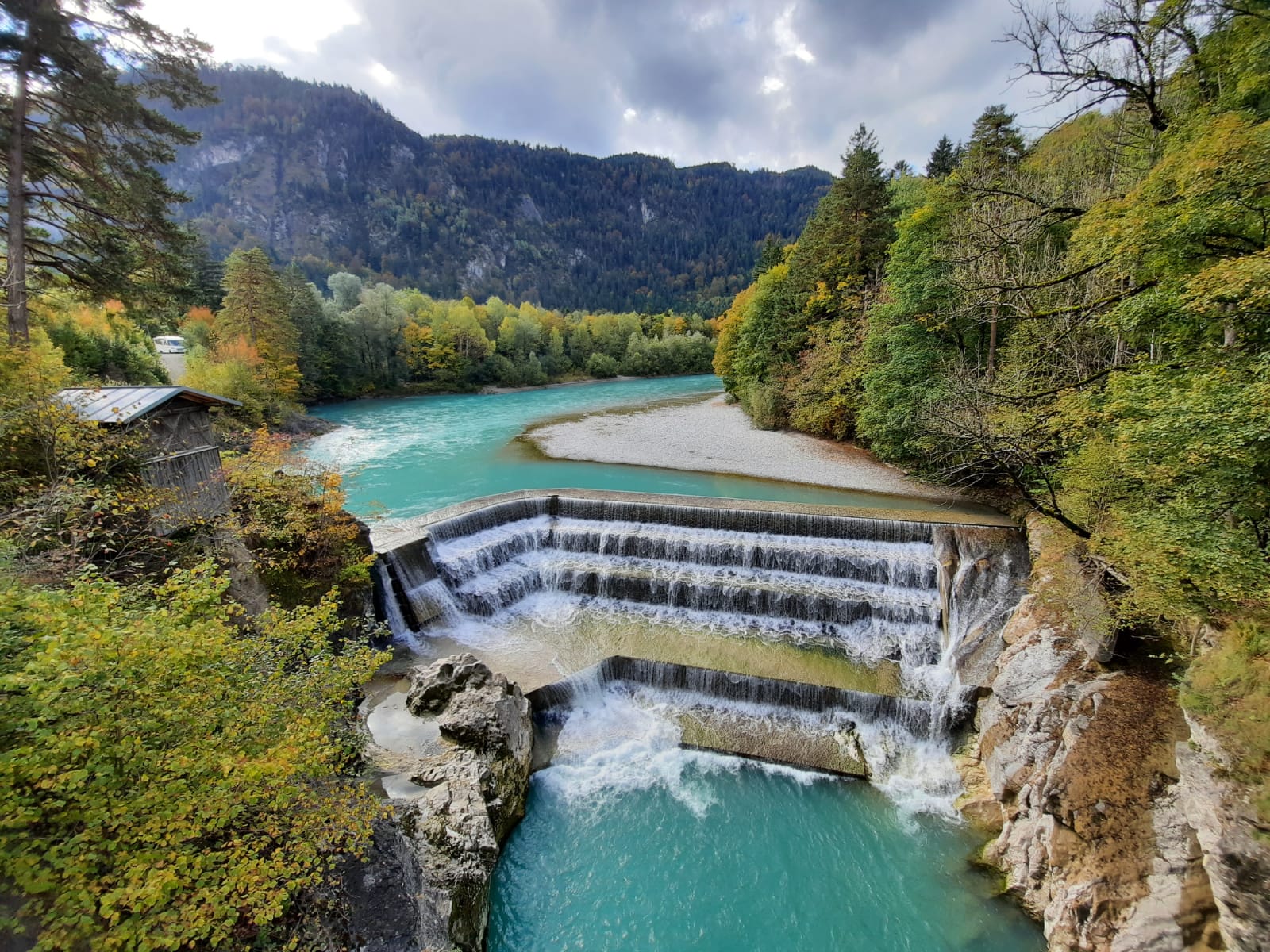
The last stop on the railway line from Munich, Füssen sits where the Alps begin to mean business — the Lech River drops over a man-made waterfall at the edge of the old town, and the Hohes Schloss rises on the rock above it, its inner courtyard painted with trompe l'oeil windows that have been fooling visitors since the late Gothic period. Most people pass through on their way to Neuschwanstein, eight minutes by bus up the valley. That's their loss.
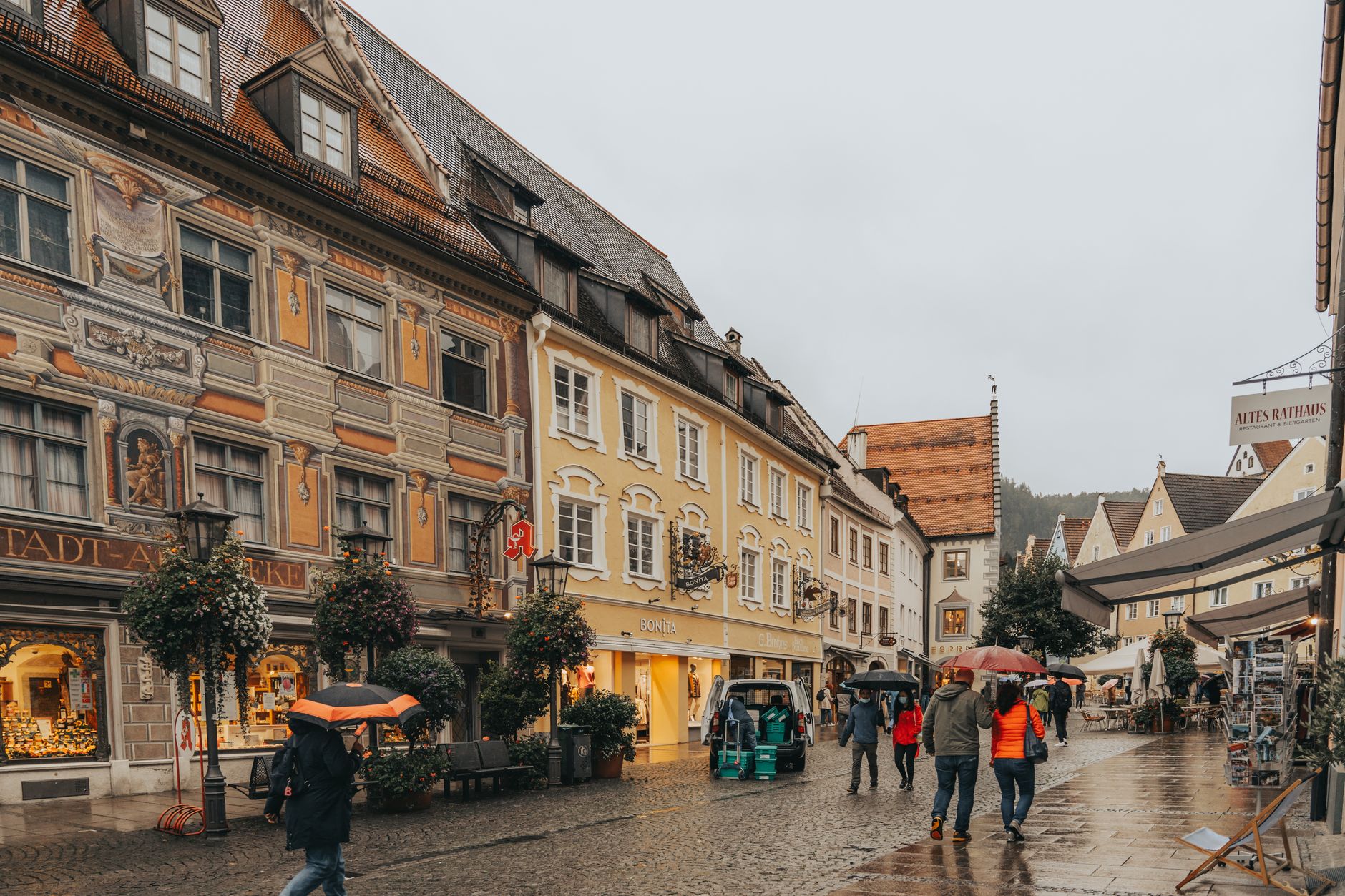
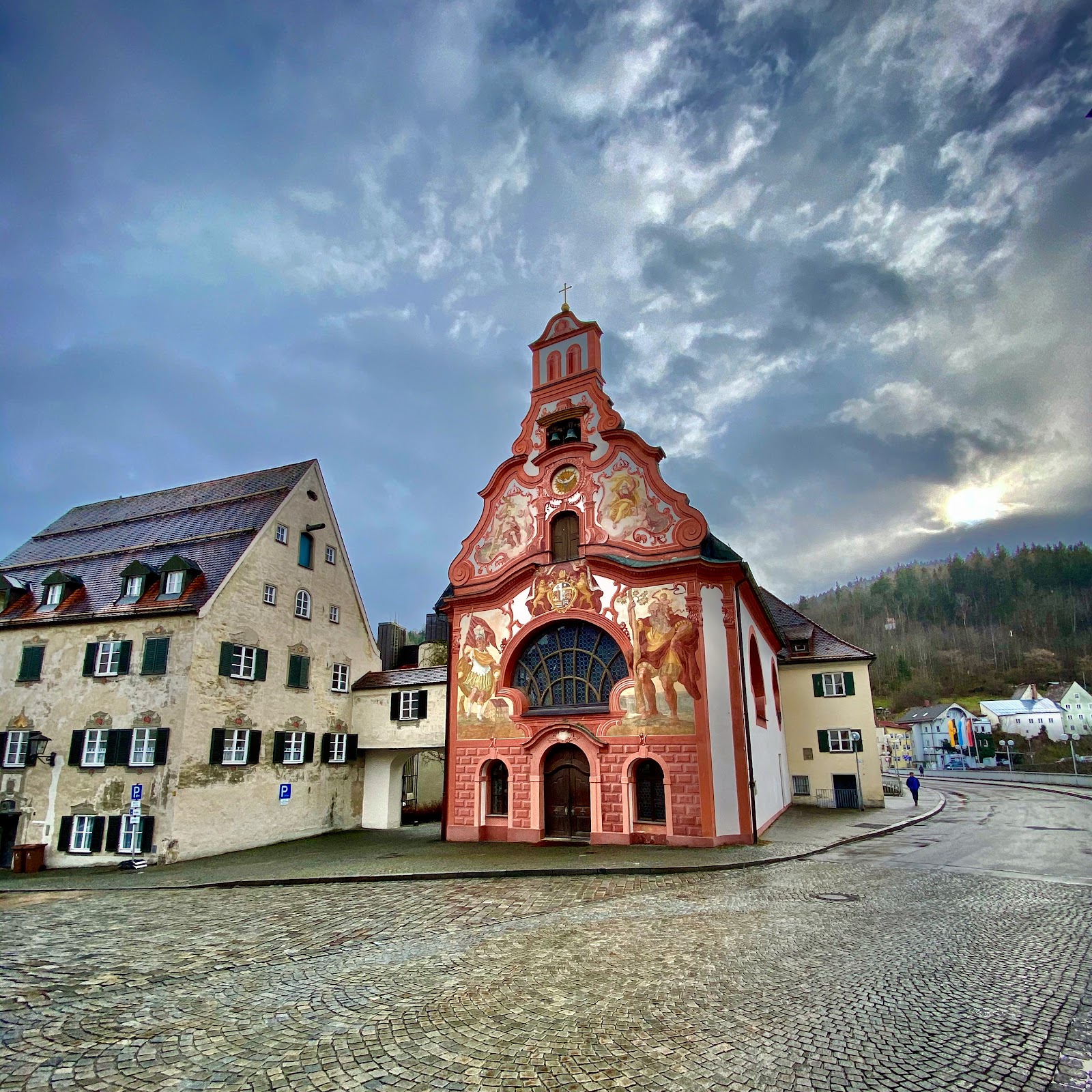
Füssen was, for two centuries, the lute-making capital of Europe. The guild founded here in 1562 was the continent's first, and the craft shaped the town's economy and self-image long before any fairy-tale castle appeared on the ridge nearby. That layered past — Roman road, Benedictine monastery, instrument-makers' quarter — is still legible if you walk slowly along Reichenstraße and look up at the painted facades.
💛 What travellers fall for
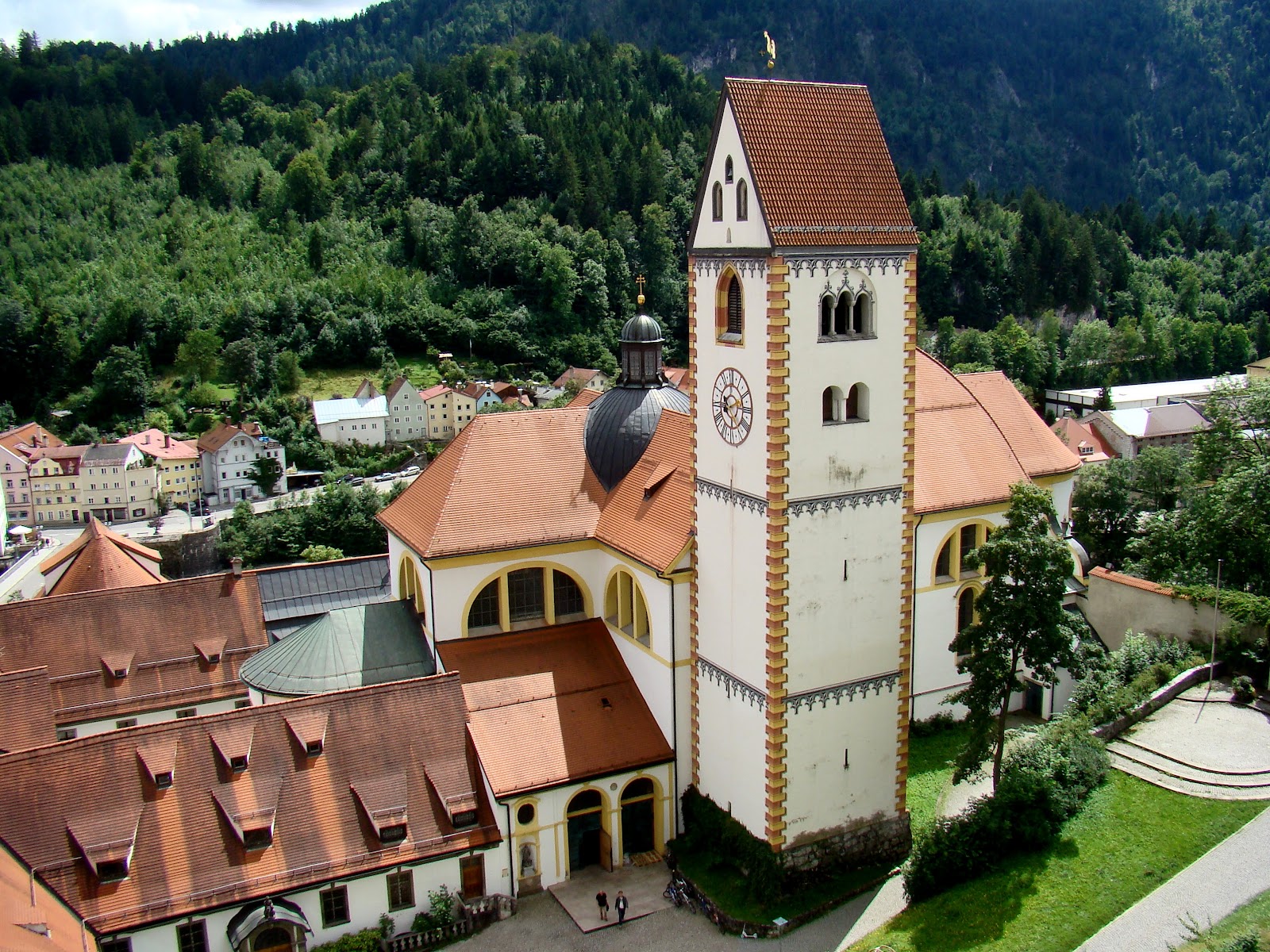
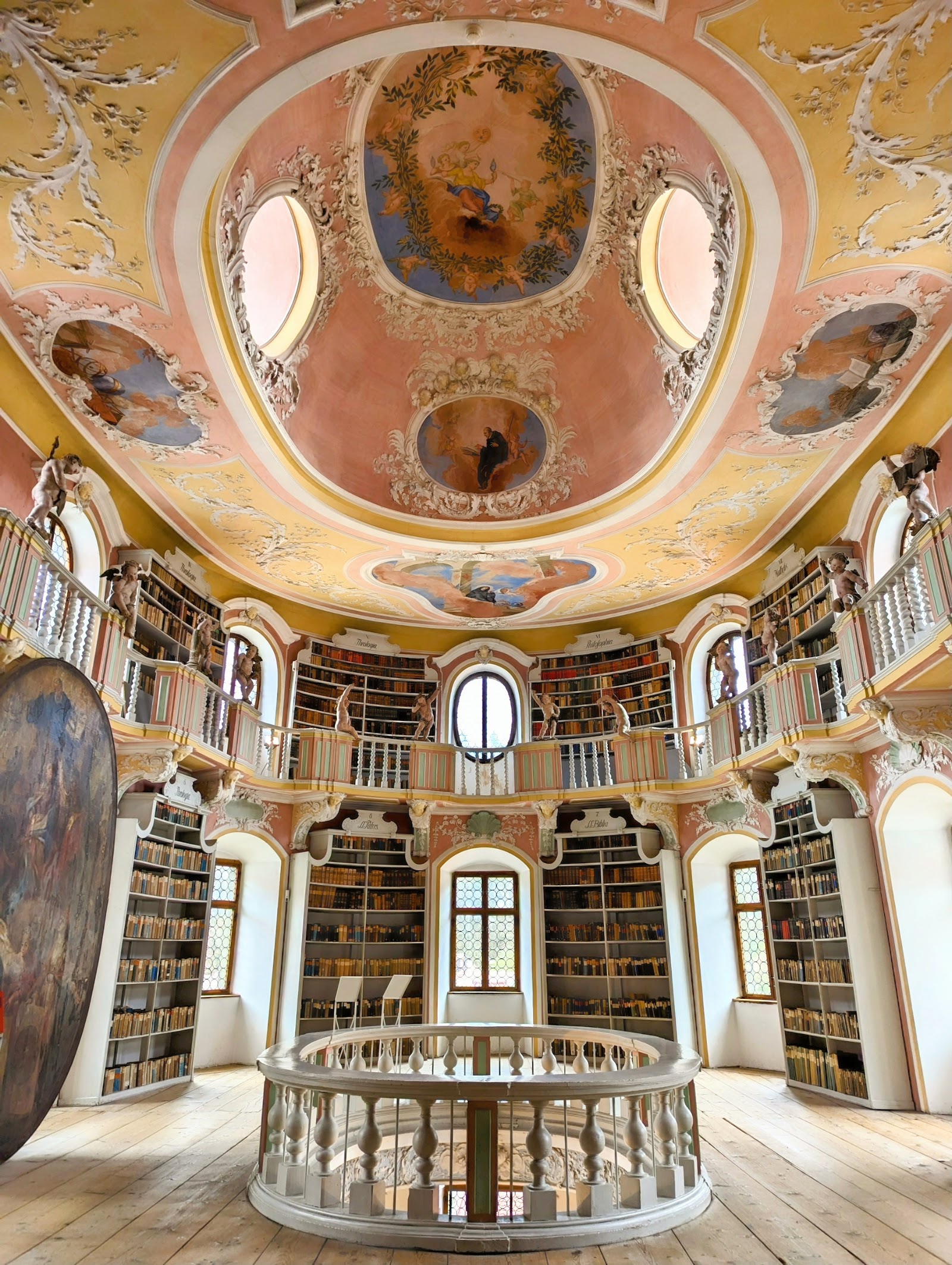
People who come back tend to arrive on a weekday, spend the morning in St. Mang Monastery's crypt — where the oldest fresco in Germany dates to around 980 AD — and save the Hohes Schloss for the afternoon light. The castle's branch of the Bavarian State Collections is rarely crowded, and the late Gothic panels are worth the €6 without any asterisk.
Deals in Füssen
Book directly at the provider


How Füssen came to be
The Romans called it Foetes — from 'fauces,' the Latin for gorge — and ran the Via Claudia Augusta trade route through it on the way across the Alps. The town's Christian story begins in the 9th century, when the monk Magnus of Saint Gall settled here; a church was built on the site by 850 AD, and a Benedictine monastery followed. The current name, Füssen, appears in 12th-century records; a town charter came around 1294.
The Hohes Schloss was built up between 1270 and 1505 as a summer residence for the prince-bishops of Augsburg — Emperor Maximilian I is said to have stayed roughly forty times. The Thirty Years' War hit the town hard, but its other great chapter had already been written: by 1562, Füssen's lute and violin makers were organised into Europe's first guild of their kind, a distinction the town still quietly carries.
Who and what shaped it
People who shaped it
Landmark buildings
See Füssen in motion
Plan your visit
On the map
When to go
Summers are mild but genuinely wet — Füssen receives around 1,684 mm of rain annually, so a layer and an umbrella belong in the bag even in July, when daytime highs reach about 21°C. Winters are cold and snowy, with January nights dropping well below freezing, but the old town looks the part and the crowds thin considerably.
Right now
↡ Attractions
Background & history adapted from Wikipedia (CC BY-SA) · specs from Wikidata (CC0) · weather from Open-Meteo · map data © OpenStreetMap contributors · photos from Wikimedia Commons / Unsplash with per-image credit. No third-party reviews or social posts reproduced.