
Füssen Old Town (Altstadt)
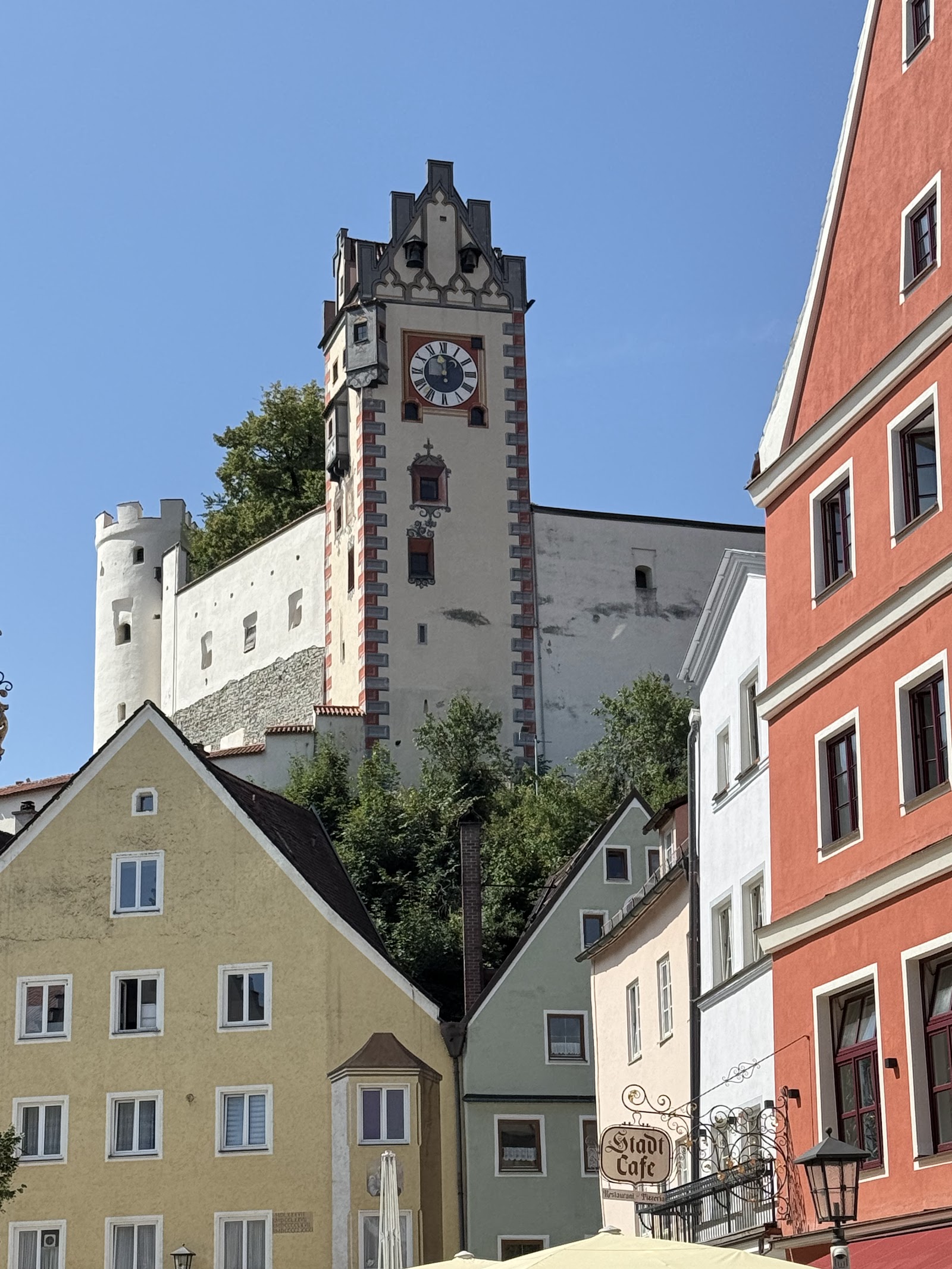
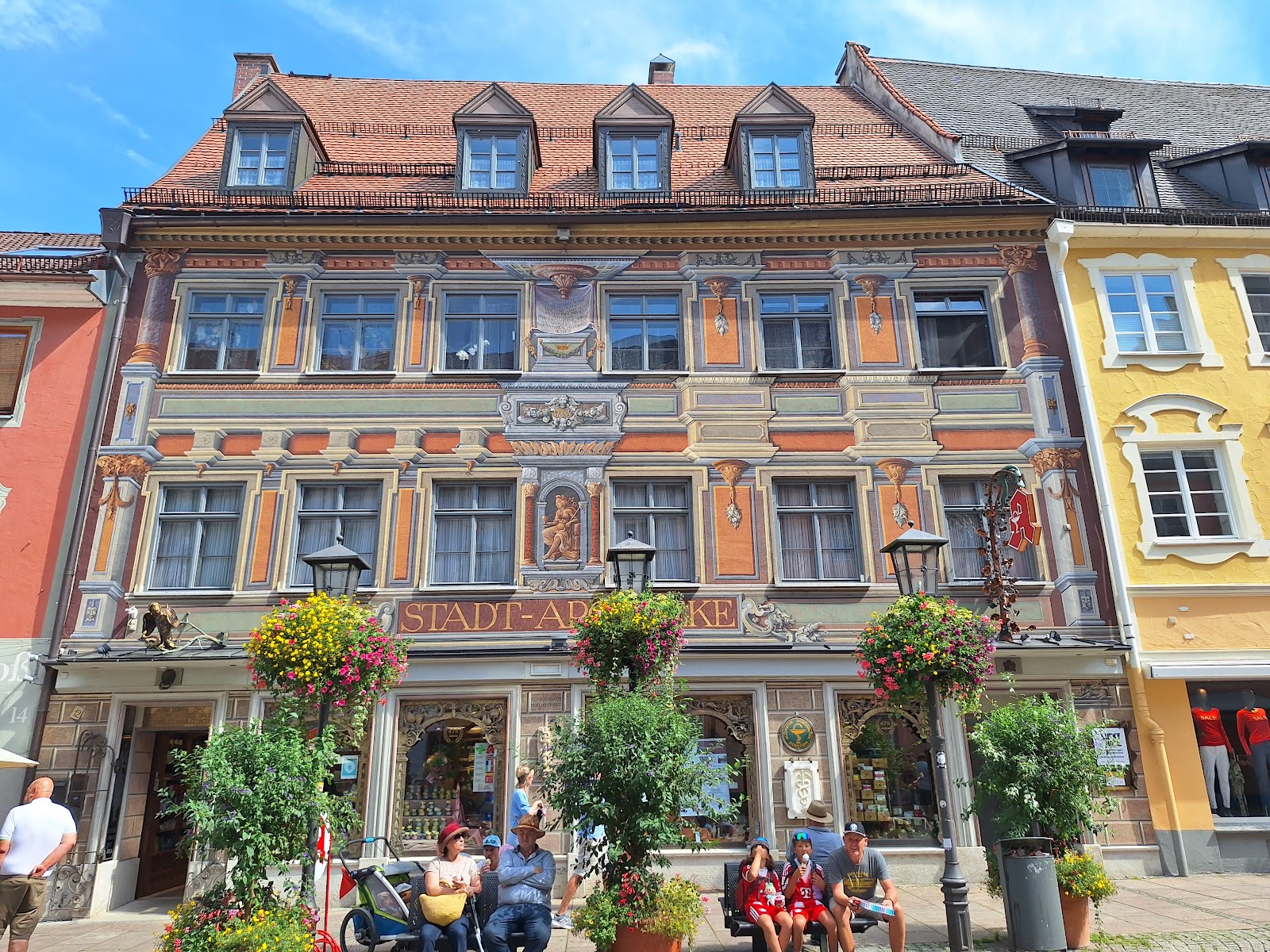
Füssen's Altstadt earns its keep on a single walk down Reichenstraße, where painted facades carry fragments of the town's own history and the shadow of the Hohes Schloss falls across the lane at midday. The name itself is older than the German word for feet it now resembles — it traces back to the Latin *fauces*, gorge, a nod to the Lech cutting through rock just below town.
This was a Roman waypoint on the Via Claudia Augusta before it was anything else, and the layers have never quite been smoothed over. A Dance of Death fresco survives in St. Anna Chapel. A lute-maker's fountain marks what was once the bread market. The medieval walls still stand near Baumgarten.
💛 What travellers fall for
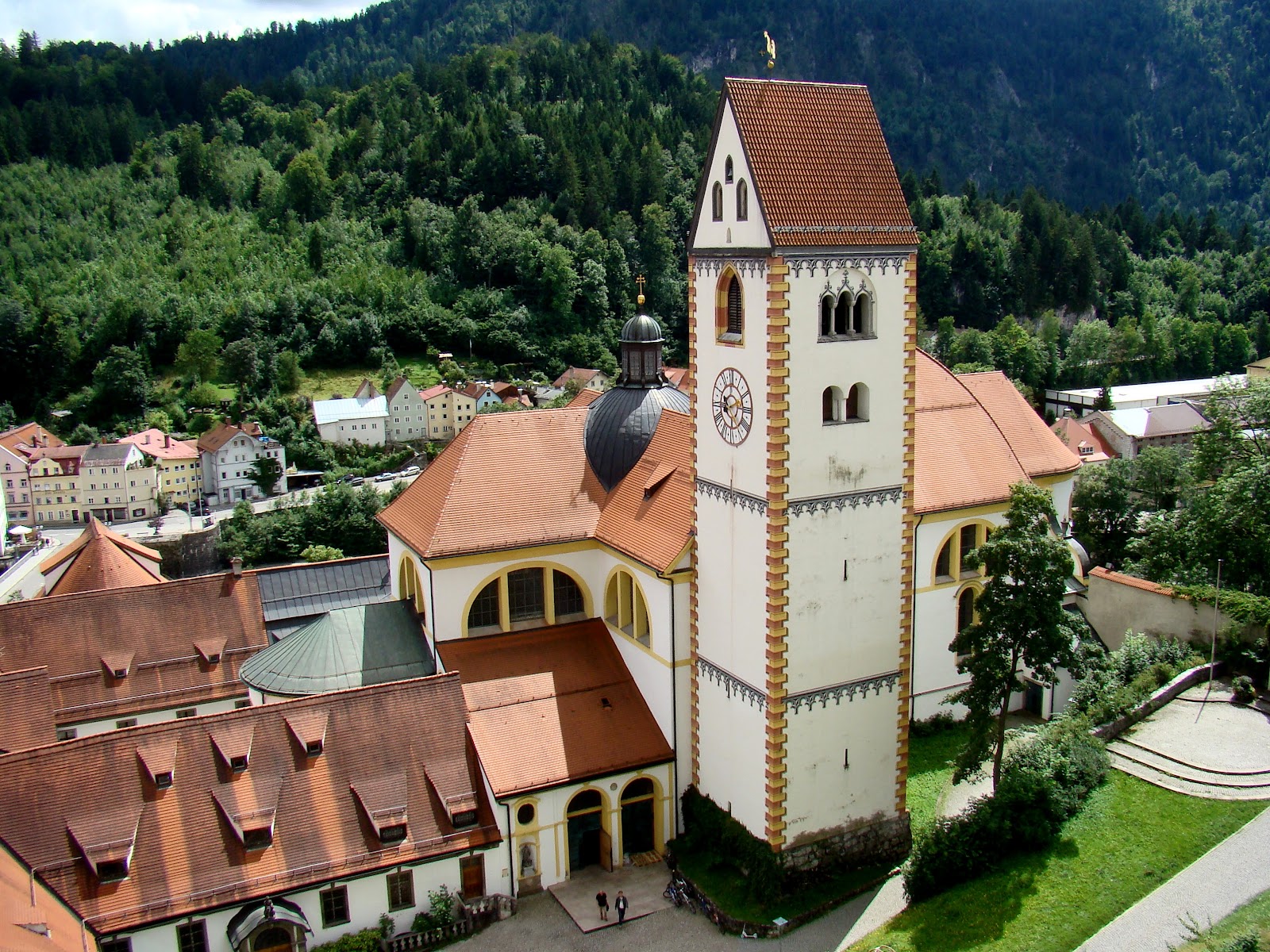
Return visitors tend to anchor their mornings at a café table on the Stadtbrunnen square, where the statue of Saint Magnus presides without demanding attention. The free audio city tour is worth downloading before you arrive — it reframes the painted courtyard of the Hohes Schloss and the crypt at St. Mang's in ways a glance alone won't give you.
The story behind Füssen Old Town (Altstadt)
Roman legionaries guarded the Lech crossing here, and a settlement called Foetes grew around that strategic pinch point. In the 8th century the missionary Magnus founded a monastic cell; the abbey that followed, established around 830 CE under the Bishops of Augsburg, would define the town's character for the next millennium. The current name Füssen appeared in the 12th century, and by the 14th the Habsburgs had ringed it with walls and towers to protect the trade routes running north from Italy.
The 16th century brought an unlikely distinction: Füssen became the birthplace of European lute-making, home to the continent's first lute-builder guild. The Hohes Schloss was completed in those same years, its trompe l'oeil courtyard windows painted in 1499. In 1745, the Treaty of Füssen — ending a chapter of Austro-Bavarian conflict — was signed here, a reminder that this small town once sat at the centre of larger negotiations.
Good to know
The train station sits right at the edge of the Altstadt, so you can arrive and be walking cobblestones within minutes. The old town is compact — two to three hours covers the core comfortably. Come outside winter if you want museums on weekdays; many shift to weekend-afternoon hours from late autumn onward.
Summers are mild, with July averaging around 21°C — comfortable for walking the old town in the morning before day-trippers arrive from the Neuschwanstein direction. January sits near 2°C, and while the streets are quieter, expect reduced museum hours and a significant number of restaurants closed or running shortened schedules.
Where is Füssen Old Town (Altstadt)?
More tickets & tours for Füssen Old Town (Altstadt)
Book directly at the provider
What travellers say about Füssen Old Town (Altstadt)
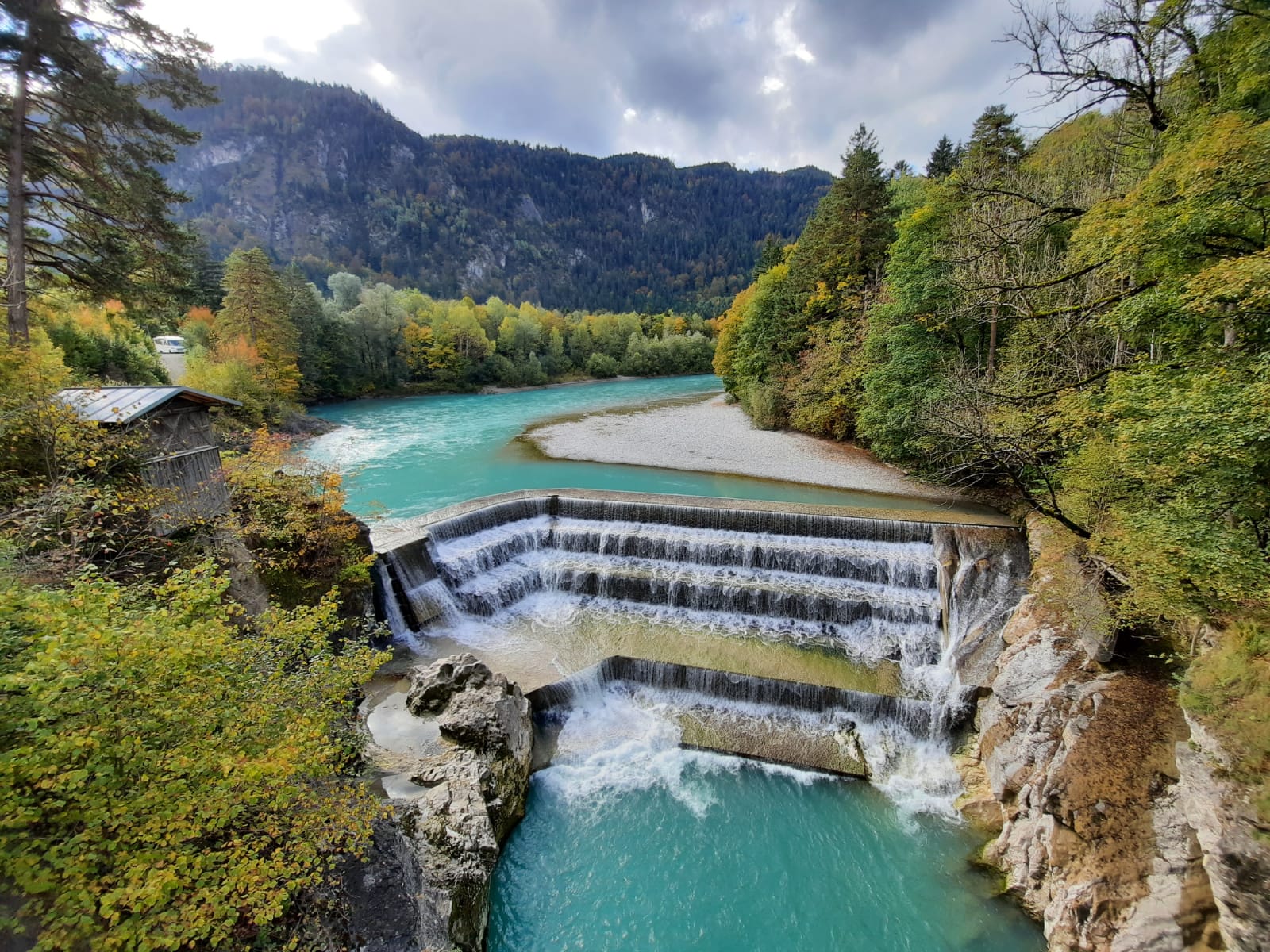
The old town is a nice place. Just like so many other villages in this area. We were here on sunday. As we assumed, every shop was closed (but restaurants and the like) but we came for the Schloß and for Lechfall (just 5min. up the road at the back-end/side of this village. The Schloß has a great view upon the area and the view of this building itself is great. Lechfall is fantastic. Very beautiful (though crowded to park). So for the village and Schloß I give 4 stars, for Lechfall 5.
Fussen is one of the charming medieval Old Towns in Bavaria with the added benefit of being in the foreground of lovely mountain ranges nearby. Within Old Town there are cobblestone streets lined with colourful, traditional half-timbered houses that today host cafes, bakeries, coffee shops, souvenir and craft stores to go along with the handful of small squares, museums, historic churches and fountains. There are hotels within Old Town for those interested in staying overnight or a couple nights. Convenient car parks are also available for those driving in for day trips while staying elsewhere. A Tourist Information Office can also be found just north of the Old Town at Kaiser-Maximilian-Platz.
Small little town or city center to walk around. Have coffee or tea, or snacks from cute little French style cafe
Füssen honestly feels like one of those places you don’t expect to find so easily in Germany 🇩🇪 It’s small, calm, surrounded by mountains! And in summer, it just feels so alive seeing people by the river, cycling around, and those insanely blue lakes nearby. 🫶🏻 What I loved the most is how simple it is. You don’t need a car, you don’t need a plan, just walk around, sit for a bit, and take it all in. ✨❤️ Also, it’s super easy to get here from Munich by train! Perfect for a one-day trip. 🤗 And the best part? One of the most famous castles in the world is literally a few minutes away
Very beautiful, a must see. Enjoy! 😉
More of Füssen
Discover where to stay, what to do and the best deals for your trip.
Explore Füssen →More attractions in Füssen
All of Füssen →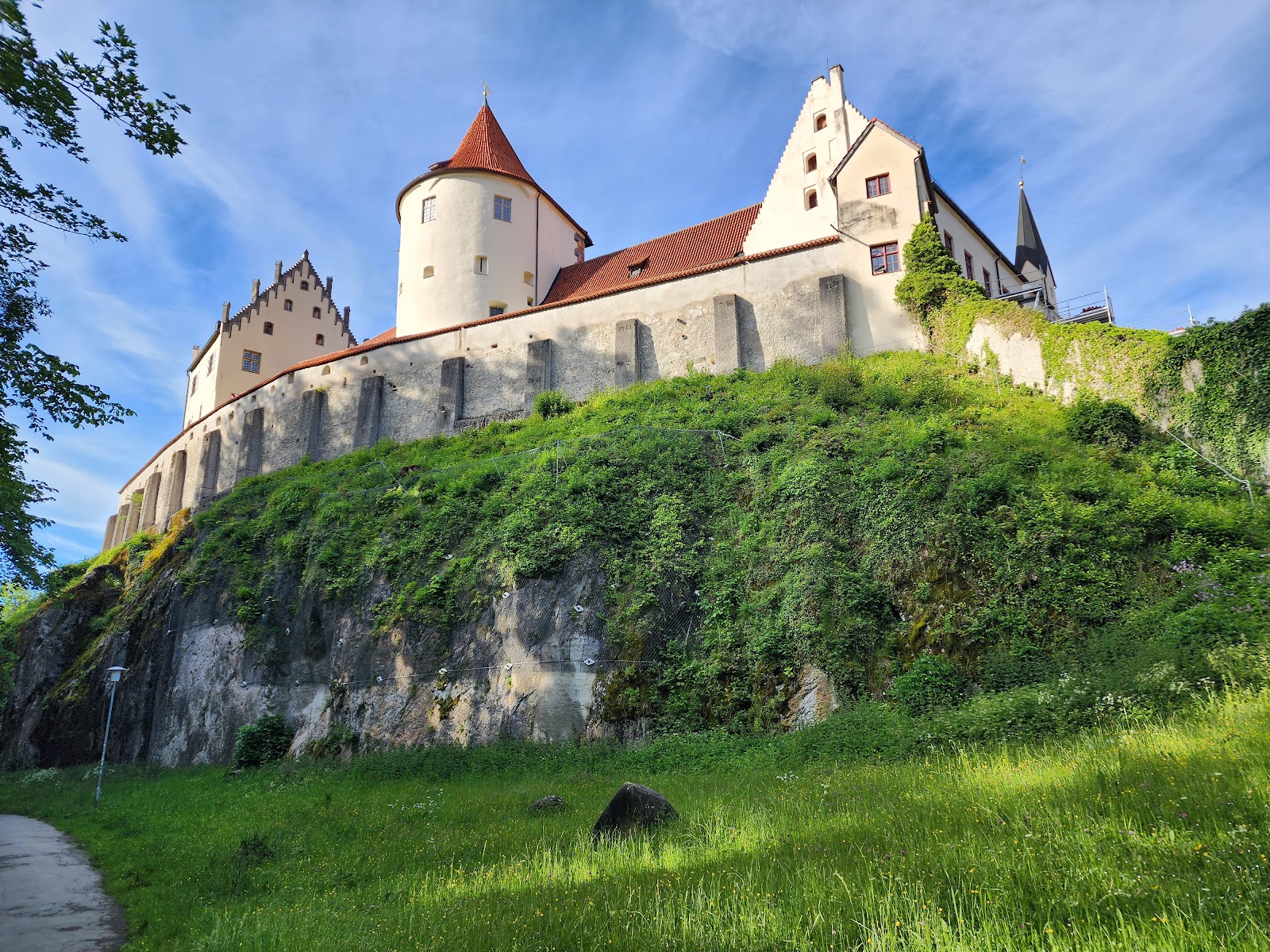
Background adapted from Wikipedia (CC BY-SA) · map data © OpenStreetMap contributors · ratings & place photos via Google · other photos with per-image credit. Ticket links may earn us a commission at no extra cost to you.