
Museum der Stadt Füssen
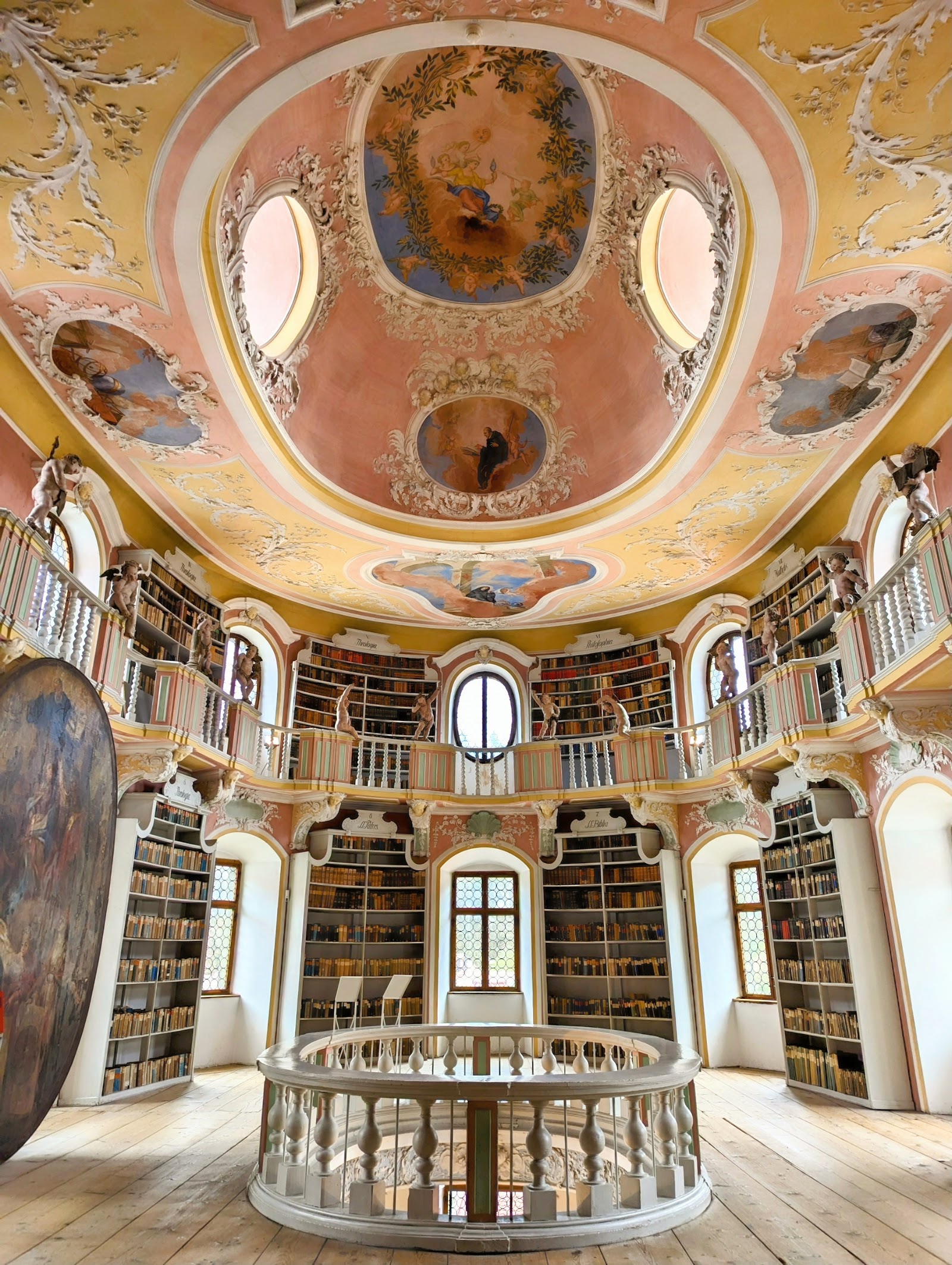
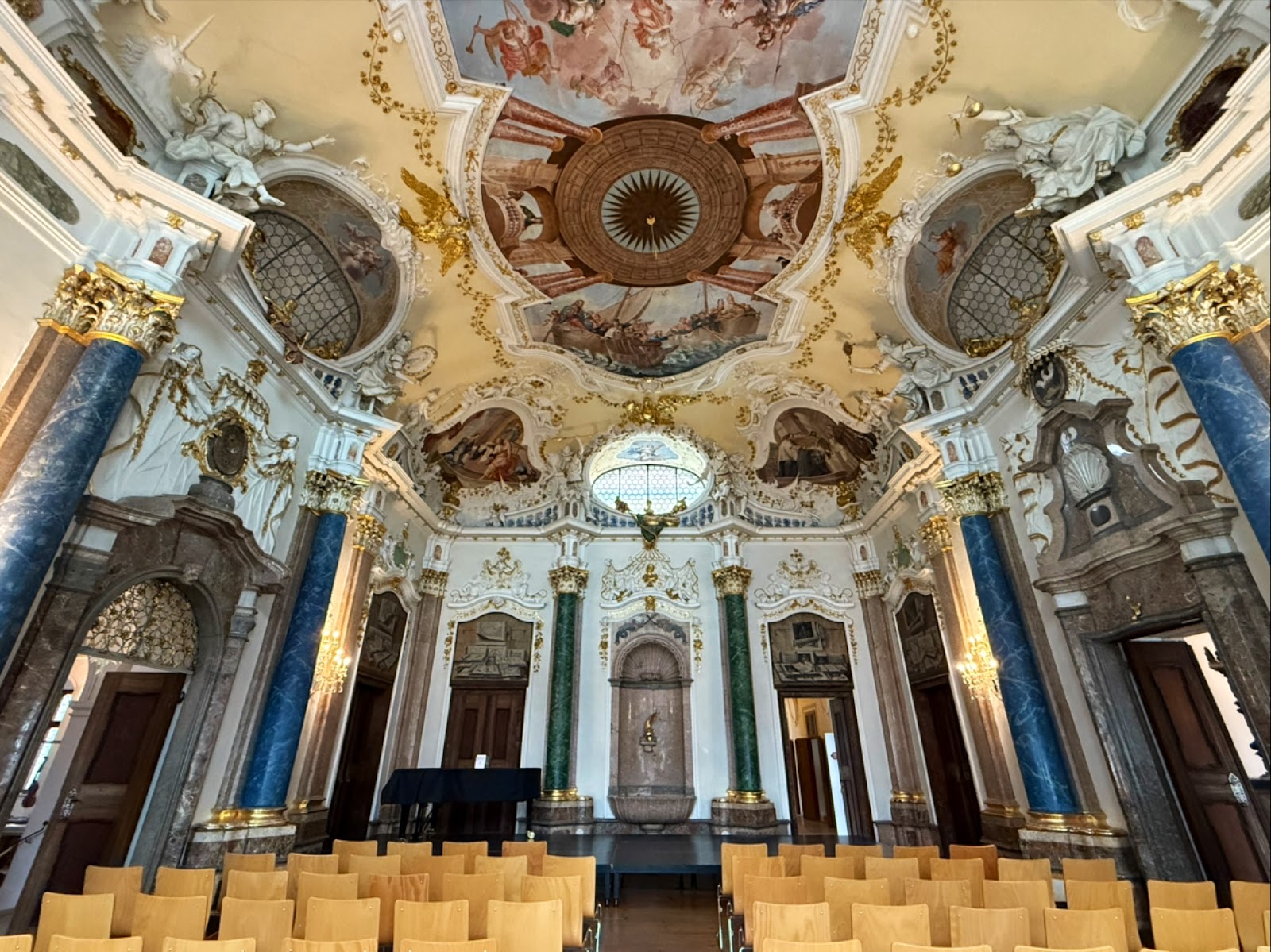
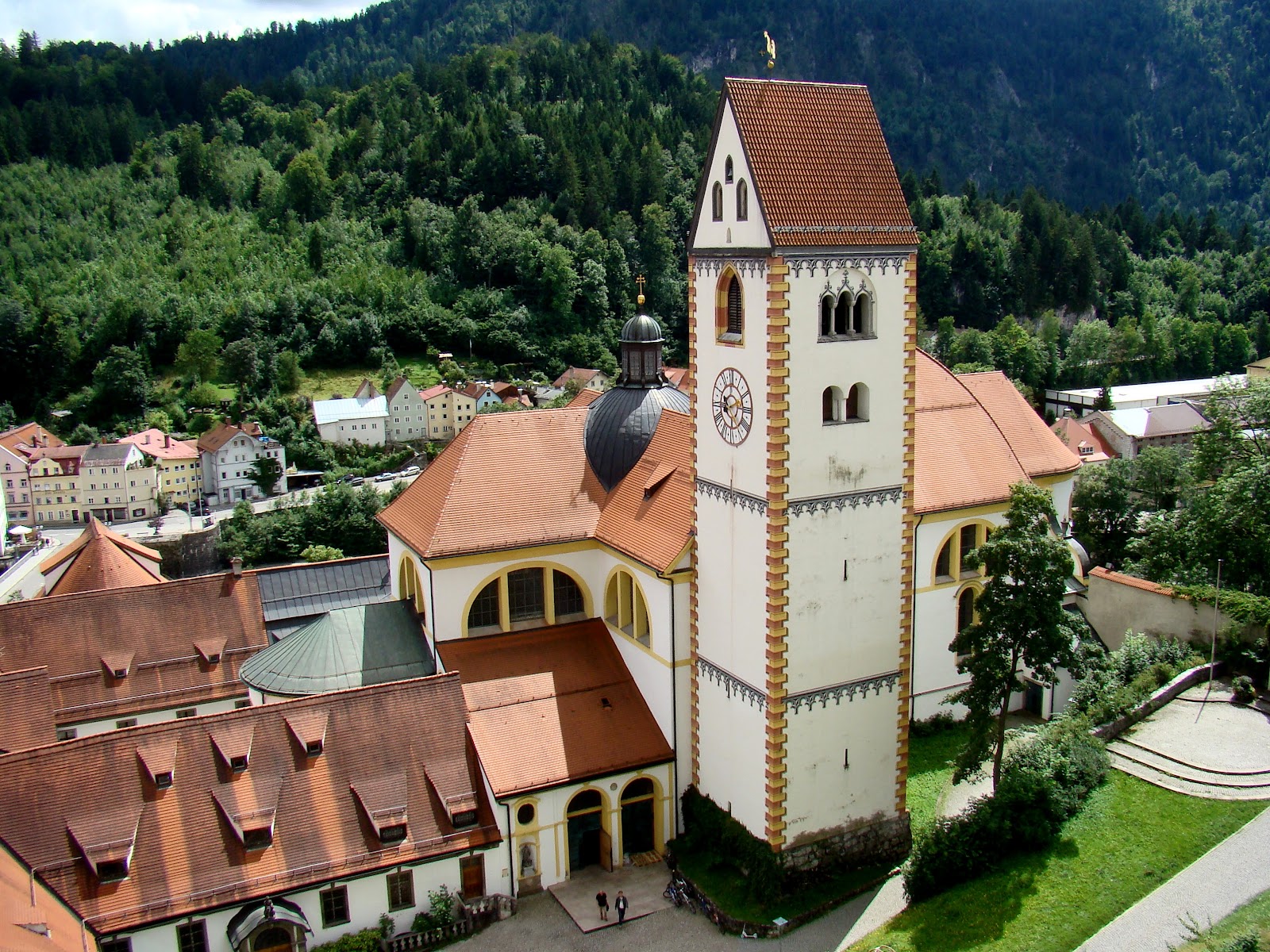
The oval monastery library stops most visitors mid-step. Its proportions are quietly extraordinary — a room designed around books, now surrounded by the history of a town that once supplied lutes to the courts of Europe. The Museum der Stadt Füssen occupies the south wing of the former Benedictine abbey of St. Mang, and it earns attention not through spectacle but through the particular: a lute built by Wolfgang Wolff in the mid-16th century, twenty painted panels from 1602 tracing the Dance of Death, the frescoed Kaisersaal where chamber music still fills the air each summer.
💛 What travellers fall for
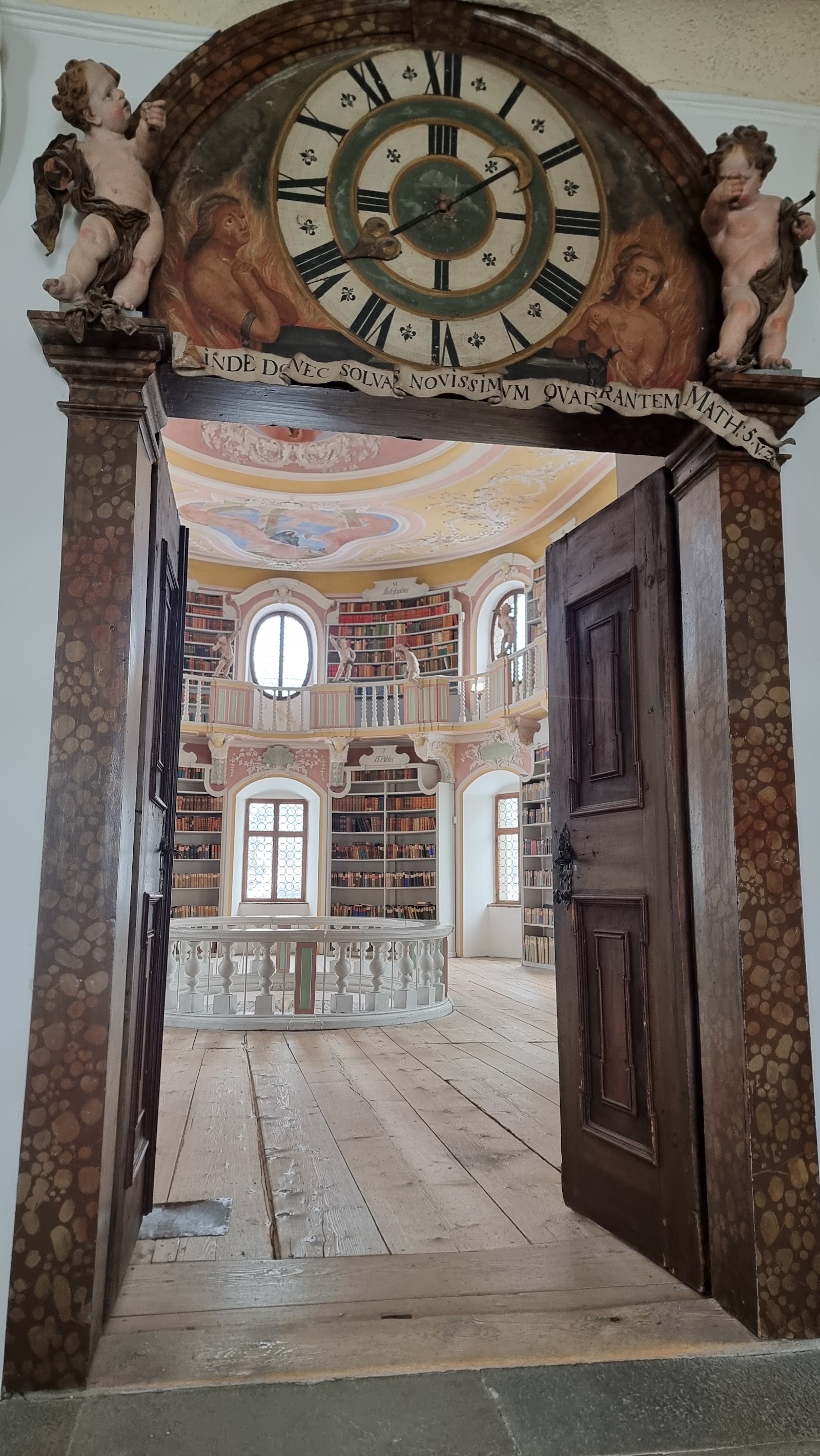
Regulars tend to mention two things: bring a jacket for the baroque library, which holds the cold regardless of the season outside, and allow time in front of the Dance of Death panels — twenty scenes from 1602, the oldest surviving Bavarian version of the theme, that repay a slow look far more than a glance.
The story behind Museum der Stadt Füssen
Füssen's city museum grew out of a society founded in 1913, housed in the monastery the city had purchased four years earlier and offered rent-free for the purpose. It reopened in 1924 across the library, papal rooms, and cloister corridor. The war closed it again — windows blown out when the Lechbrücke was demolished, the rooms pressed into refugee housing — before it quietly reopened in the early 1950s. A full redesign in 1989 gave it its current name and scope.
The building itself carries the work of architect Johann Jakob Herkomer, who brought coherence to the abbey complex. Inside, the museum holds the archive of the German Lute Society — fitting for a town where the first lute-makers' guild was established in 1562, and where commercial lute-making in Europe effectively began.
Good to know
Open Tuesday–Sunday in summer (10:00–17:00), reduced to Friday–Sunday afternoons in winter. The combined ticket covering the museum, State Gallery, and Hohes Schloss nearby is worth it. Information panels are primarily in German. The museum is largely barrier-free.
Where is Museum der Stadt Füssen?
More tickets & tours for Museum der Stadt Füssen
Book directly at the provider
What travellers say about Museum der Stadt Füssen
I recommend visiting this museum, especially if you have the combi ticket with the Hohes Schloss. A quick tip for visitors: A significant portion of the museum is dedicated to the history of lutes and violins. While the craftsmanship is clearly high-quality, these exhibits felt very specialized and didn't really take my interest. In my opinion, those specific sections aren't for a general audience, so if you aren't a musician or a history buff for instruments, you might find them a bit dry. However, the rest of the museum is incredible. The Baroque Library is an absolute beauty, and the 'Dance of Death' painting in the chapel is a haunting must-see. It’s a great place to spend an hour exploring the local history.
Museum is 2 floors. u start with geology and roman arcade discovery. a chapel, baroque library, baroque study room, baroque imperial hall, violin history, hand made baroque cribs and much more to discover. very intellectual and fun to explore.
The signs are only in German, and they didn’t indicate there was an audio guide, so think a translation or tour app is pretty key for understanding the content. Even without those, the museum has a lot of interesting objects that are well displayed and laid out within this former Benedictine Monastery, such as the Dance of Death in Annakapelle painting, recreated violin making workshop, library’s architecture, seeing the inside of a small organ, the Kapitelsaal room’s paintings, and more.
Interesting little museum that’s connected to the St Mang Abbey (I think?) . Hours are very odd - in the winter, only open Fri-Sun from 1-4pm. You get a 1€ discount if you have a Fussen card. My favorite room was the library. It’s freezing cold in there, so keep your winter jackets with you. My main negative is all the info placards are in German, which I guess I can’t complain about, but it gets tiring to have to translate everything (as a non German speaking tourist) , so you end up just walking through and not learning a whole lot. There are 2 WC in the museum. Lots of mixture of what’s in it - lots about violin making; some old stones; library; religious items. Definitely worth stopping by tho if you have an hour.
Museum der Stadt Füssen captivated me with its jaw-dropping Baroque architecture in the former and St. Mang monastery, from ornate halls to stunning frescoes. Füssen's charming Bavarian city, with its frescoed Altstadt and Alpine views near Neuschwanstein, is a must-visit gem. Key Impressions Exhibits on local history and violin-making shine amid opulent interiors like the Imperial Hall pure beauty that lingers. Worth every minute in this romantic Bavarian spot.
More of Füssen
Discover where to stay, what to do and the best deals for your trip.
Explore Füssen →More attractions in Füssen
All of Füssen →

Background adapted from Wikipedia (CC BY-SA) · map data © OpenStreetMap contributors · ratings & place photos via Google · other photos with per-image credit. Ticket links may earn us a commission at no extra cost to you.