
Hohes Schloss Füssen
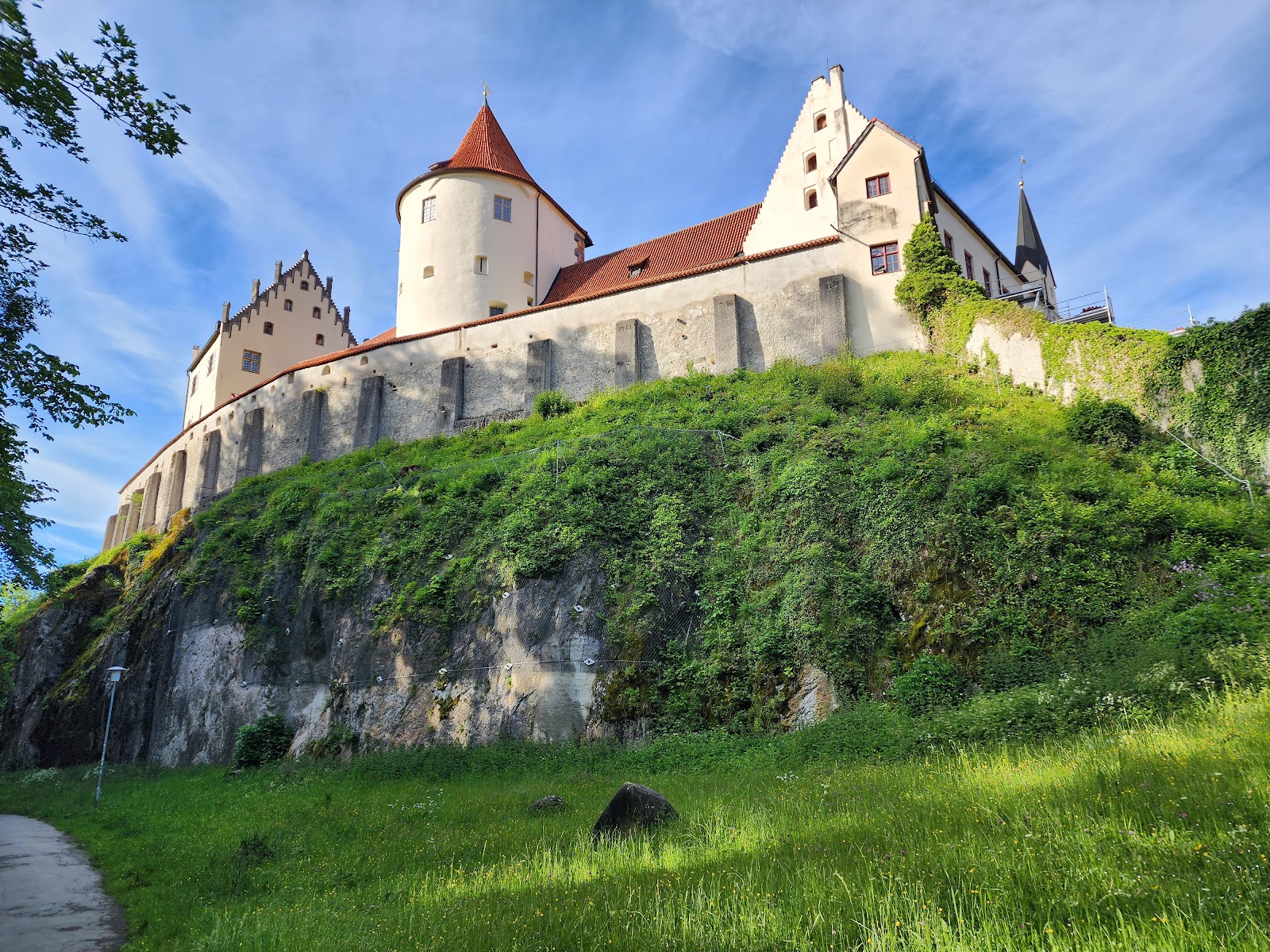
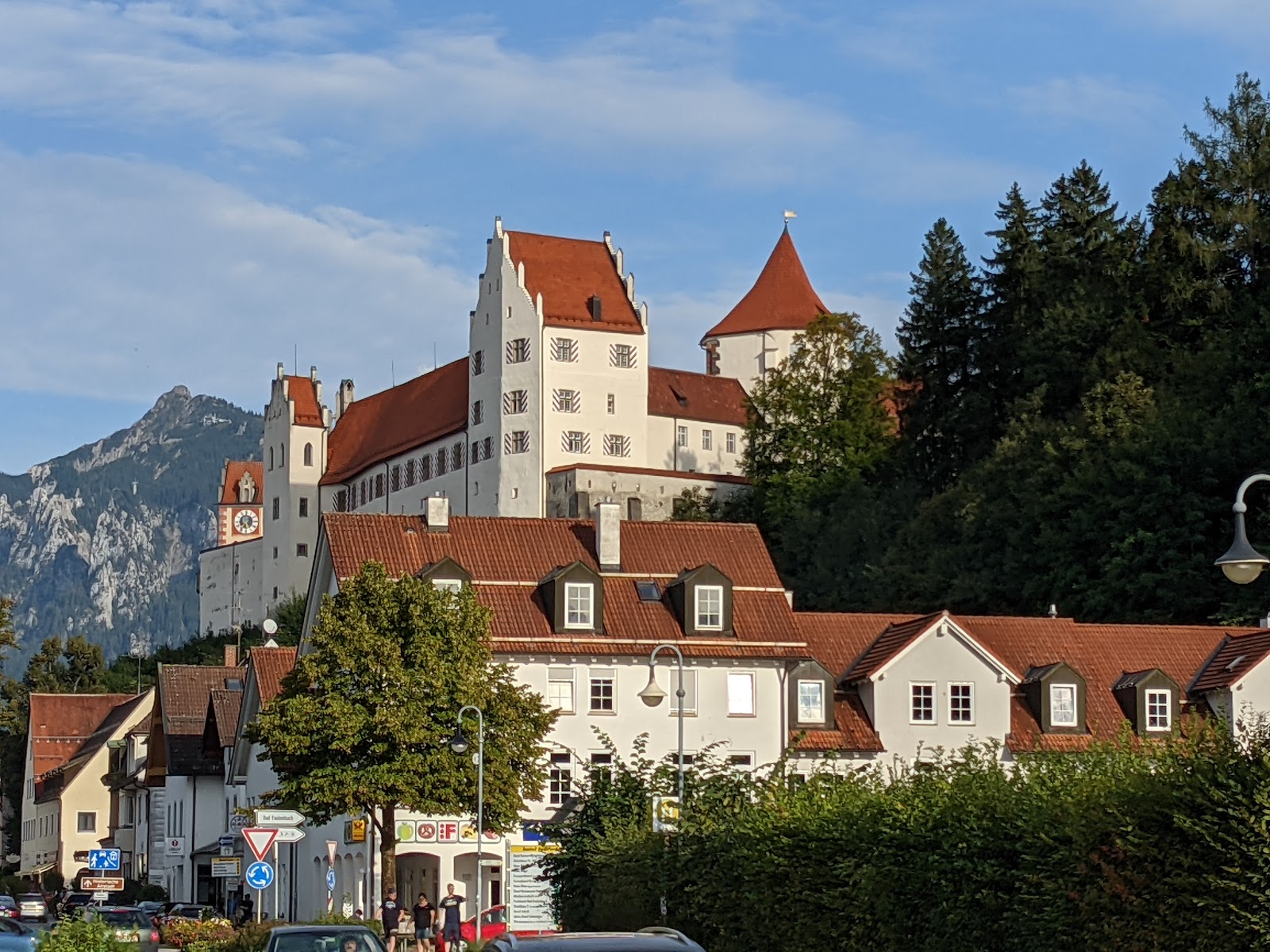
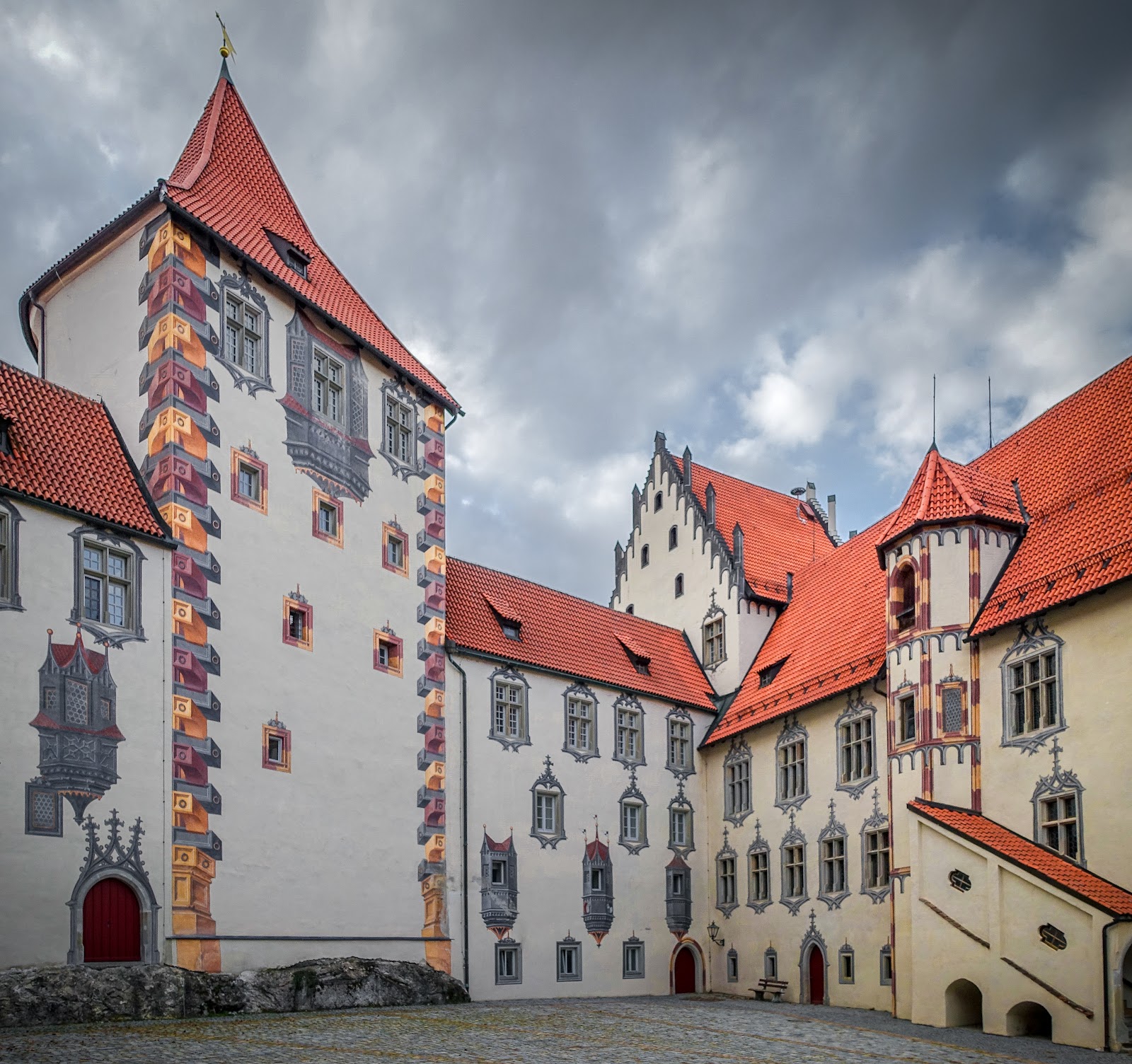
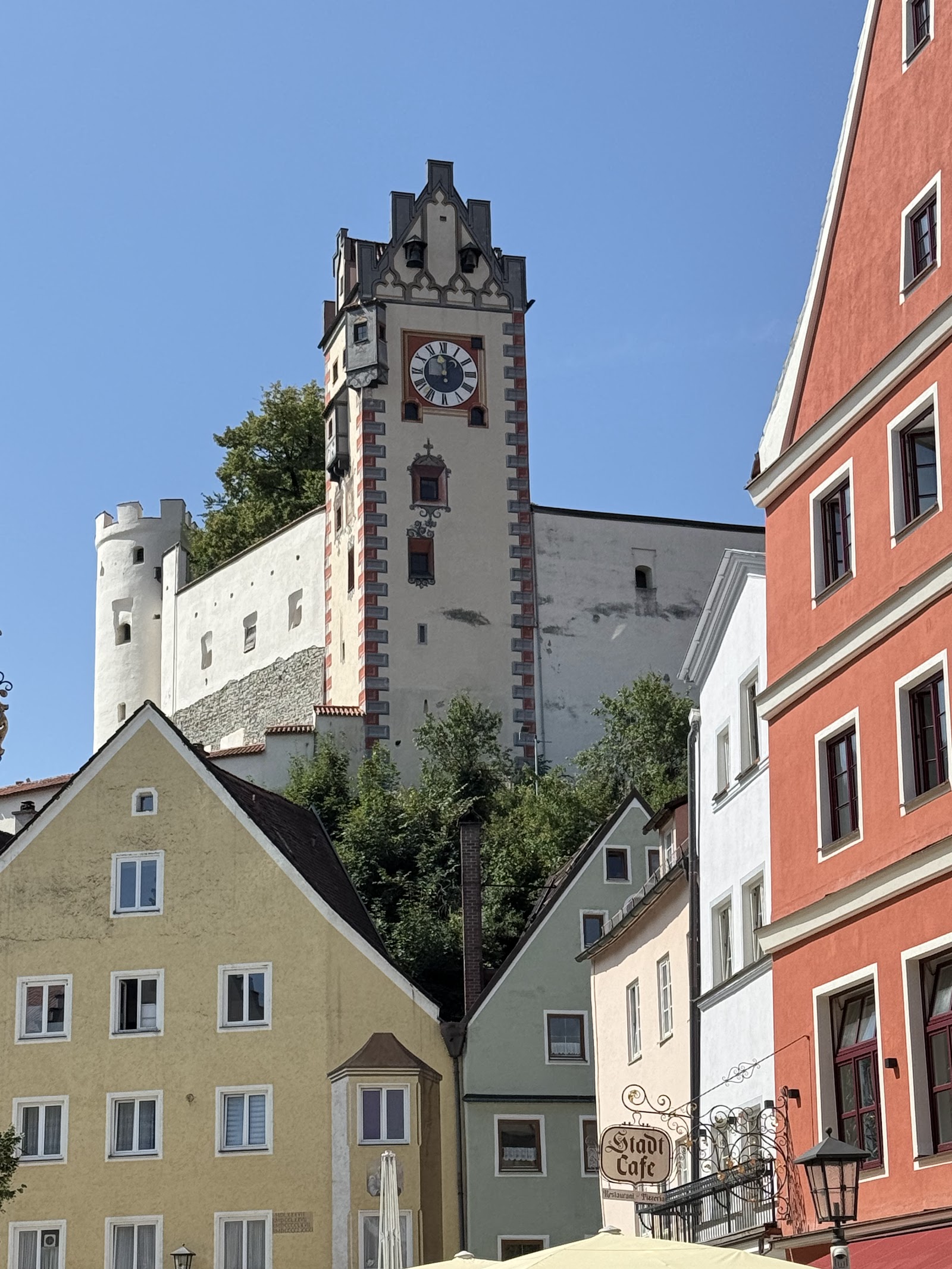
Stand at the base of the Torturm and look up: six stories of late-Gothic stonework rise above Füssen's old town, and the façade beside it is painted with trompe-l'oeil windows and corbels so convincing you'll reach for your glasses. This is the Hohes Schloss — the High Castle — a horseshoe of towers and decorated gables that the bishops of Augsburg shaped into their summer residence across the late 15th century.
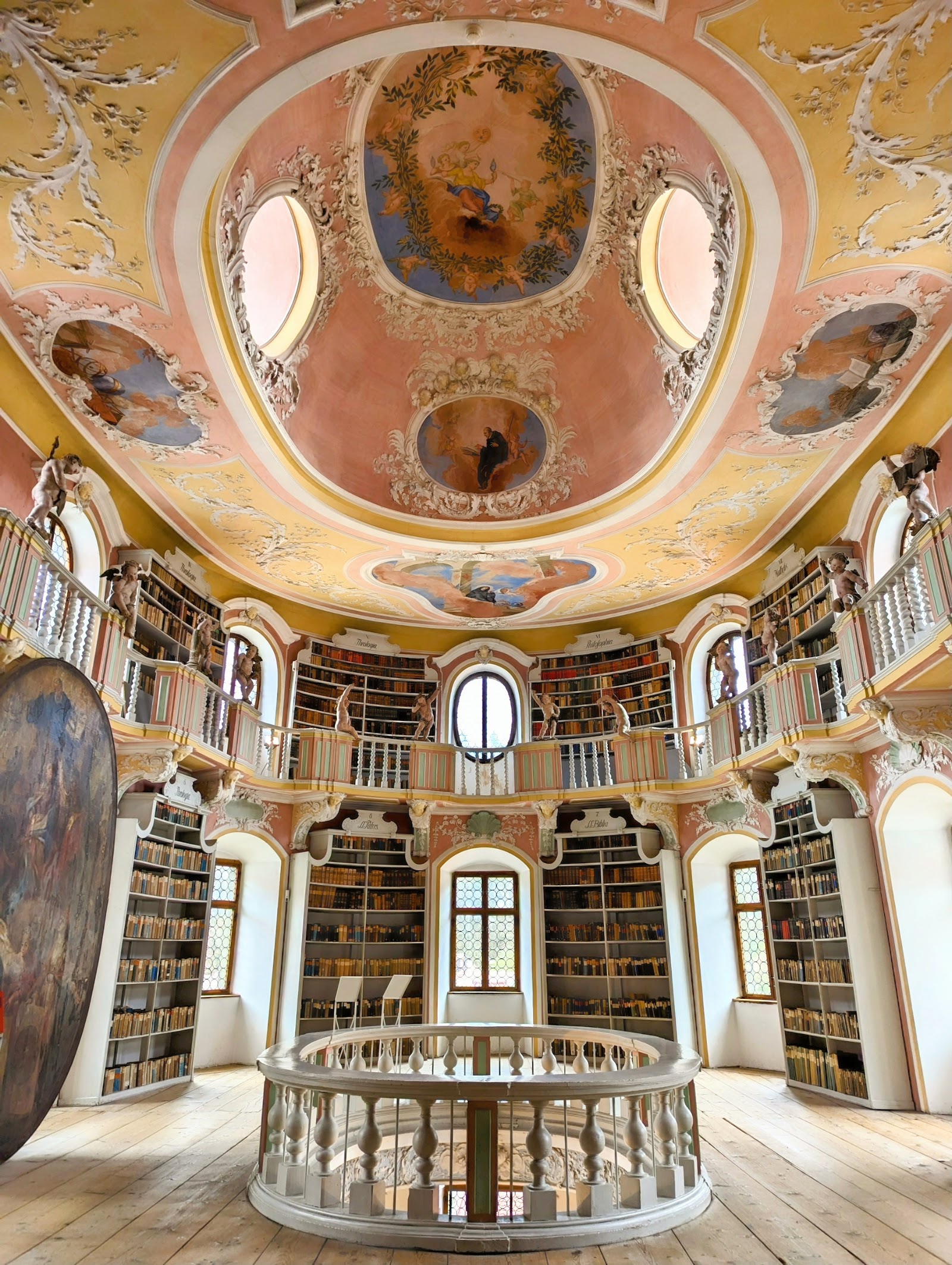
Inside, the Rittersaal's carved wooden coffered ceiling dates to the 16th century. Six rooms of late-Gothic Swabian painting fill the north wing. The St. Veit Chapel, tucked into the south wing, is claimed to be the highest-altitude castle chapel in Germany. The Tax Office occupies the west wing now — an afterlife the bishops could not have anticipated.
💛 What travellers fall for
People who come back tend to climb the Torturm first, before the galleries open up the morning light on the Alps. Saturday visitors in the April-to-October window catch the public tour at 14:00 — included in the €6 admission — which is the clearest way into the Rittersaal's ceiling without guesswork.
The story behind Hohes Schloss Füssen
The hill had a Roman fort before it had a castle — Kastell Foetibus served the III Italica Legion as a supply depot. In 1183 the Augsburg bishops received the Gaisberg hill, and by 1291 Duke Ludwig the Strict had begun building a proper castle, though he never finished it. The bishops took it over in 1322 and made it an administrative seat.
The structure you see today is largely the work of Bishop Friedrich II von Zollern, who rebuilt and expanded the castle between 1486 and 1503, adding the illusionistic façade paintings around 1499. Prince-Bishop Johann Christoph von Freyberg reworked the interiors around 1680. The castle served as an Austrian military hospital in 1798–99, was occupied by French forces in 1800, and has housed a branch of the Bavarian State Painting Collections in its north wing since 1931.
Good to know
Tickets are €6 and sold at the castle or at the Museum der Stadt Füssen nearby. Open Tuesday–Sunday; summer hours run to 17:00, winter hours close at 12:30. The galleries are not barrier-free. Allow roughly two hours for the castle alone.
Where is Hohes Schloss Füssen?
More tickets & tours for Hohes Schloss Füssen
Book directly at the provider
What travellers say about Hohes Schloss Füssen
Interesting but very much centred on the old monastery in terms of artifacts. However, great views, splendid examples of trompe l'oeuil - false architectural features that are painted. Also, very cool inside for warmer days.
This place was a total surprise. Didn't know it existed until I walked up by chance - had time and decided to wonder. The park next to the castle opens in the evening. It was well maintained and a great place for an evening stroll around the castle. It feels very secluded. This is my favorite place on visiting Fussen; This compensates for the disappointment from visiting the two castles - H&N.
The historic area around Füssen is home to the impressive Hochschloss, also known as the Hohes Schloss, which towers above the charming town center and offers a remarkable glimpse into late Gothic architecture and Bavarian history. The castle complex originally dates back to Roman times, but the current form was built and extensively renovated between the 13th and 15th centuries, later serving as a summer residence for the prince bishops of Augsburg. One of the most striking features is the illusionistic architectural paintings in the inner courtyard, which still enchant visitors today with their artistry and detail. During our visit, we enjoyed a leisurely afternoon exploring not just the castle’s exterior and courtyards but also ventured up to the Hochreservoir, which provided a unique perspective over Füssen and the surrounding landscape. The castle complex houses the State Gallery with regional art from the 15th and 16th centuries, as well as the Städtische Gemäldegalerie showcasing 19th-century works. Wandering through the battlements and climbing the towers rewarded us with panoramic views, and the peaceful, historic ambiance made for a memorable experience. It’s a wonderful destination for anyone interested in architecture, history, or simply looking for a beautiful spot to spend a quiet afternoon. The mix of art galleries, historic towers, and stunning views creates an inspiring setting well worth the visit. The Hochschloss and the Hochreservoir together made for a great day—highly recommended for a cultural and scenic outing in Füssen.
Very nice castle to visit while in Fussen. It was built in iterations starting with an “illegal” fortification in the 12th C. It houses art installations and it is also interesting to climb to the battlements and up the tower. There are great views of the cit and surrounding area that shout it be missed. Next to this impressive castle is a beautiful park with benches and views of the river far below. 45 minutes is all you need in the castle before you continue your exploration of the city. Have Fun!
A calm and nice castle on the hill in the town. It is now an art museum. I could walk to the square of the castle but not inside of the building itself. It seems the castle is only open for a limited time in a day, so check the information before you visit the place. The walkway between the castle and the river and the one behind the castle were also great spots to take a rest.
More of Füssen
Discover where to stay, what to do and the best deals for your trip.
Explore Füssen →More attractions in Füssen
All of Füssen →
Background adapted from Wikipedia (CC BY-SA) · map data © OpenStreetMap contributors · ratings & place photos via Google · other photos with per-image credit. Ticket links may earn us a commission at no extra cost to you.