
Fuengirola
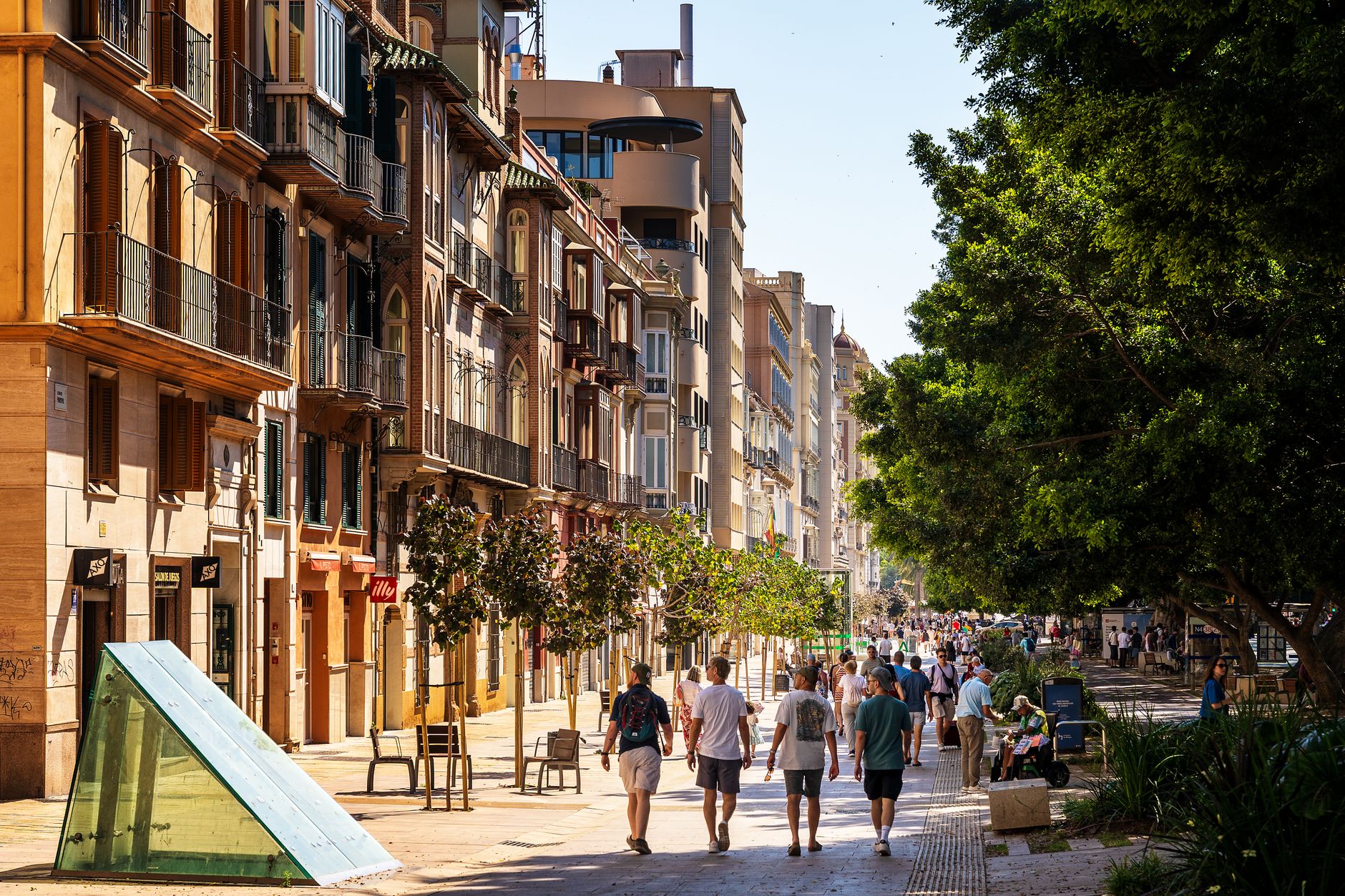
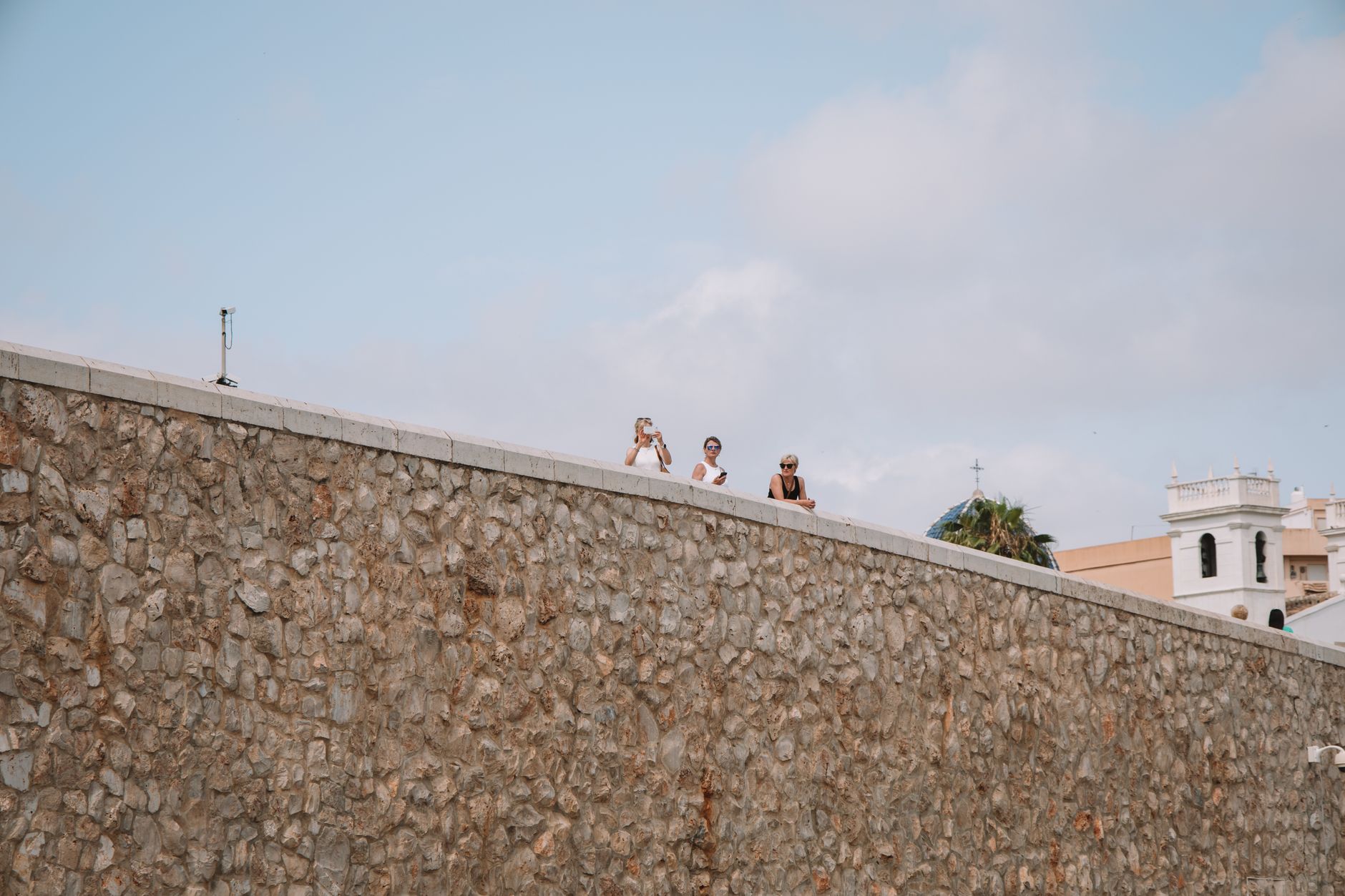
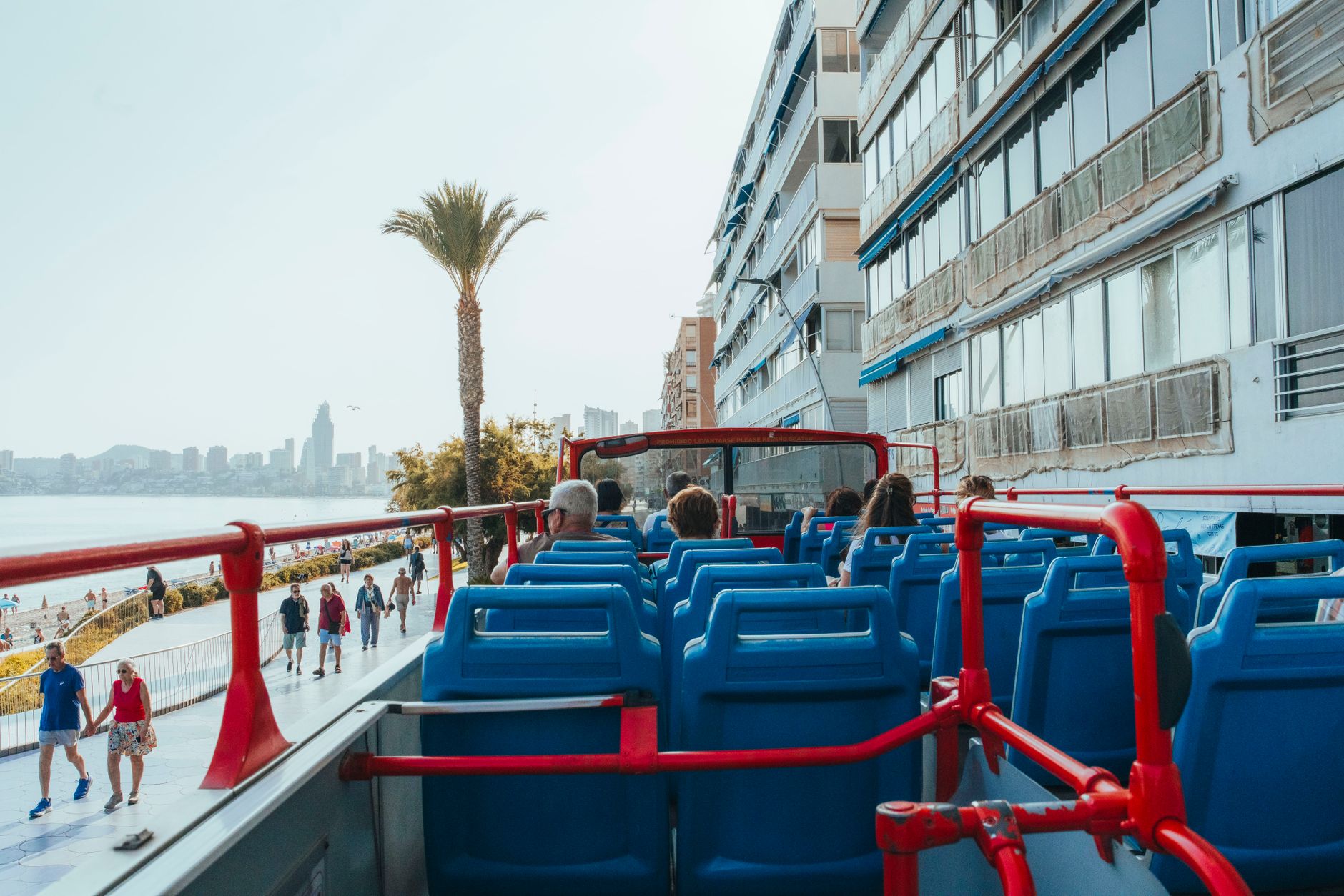
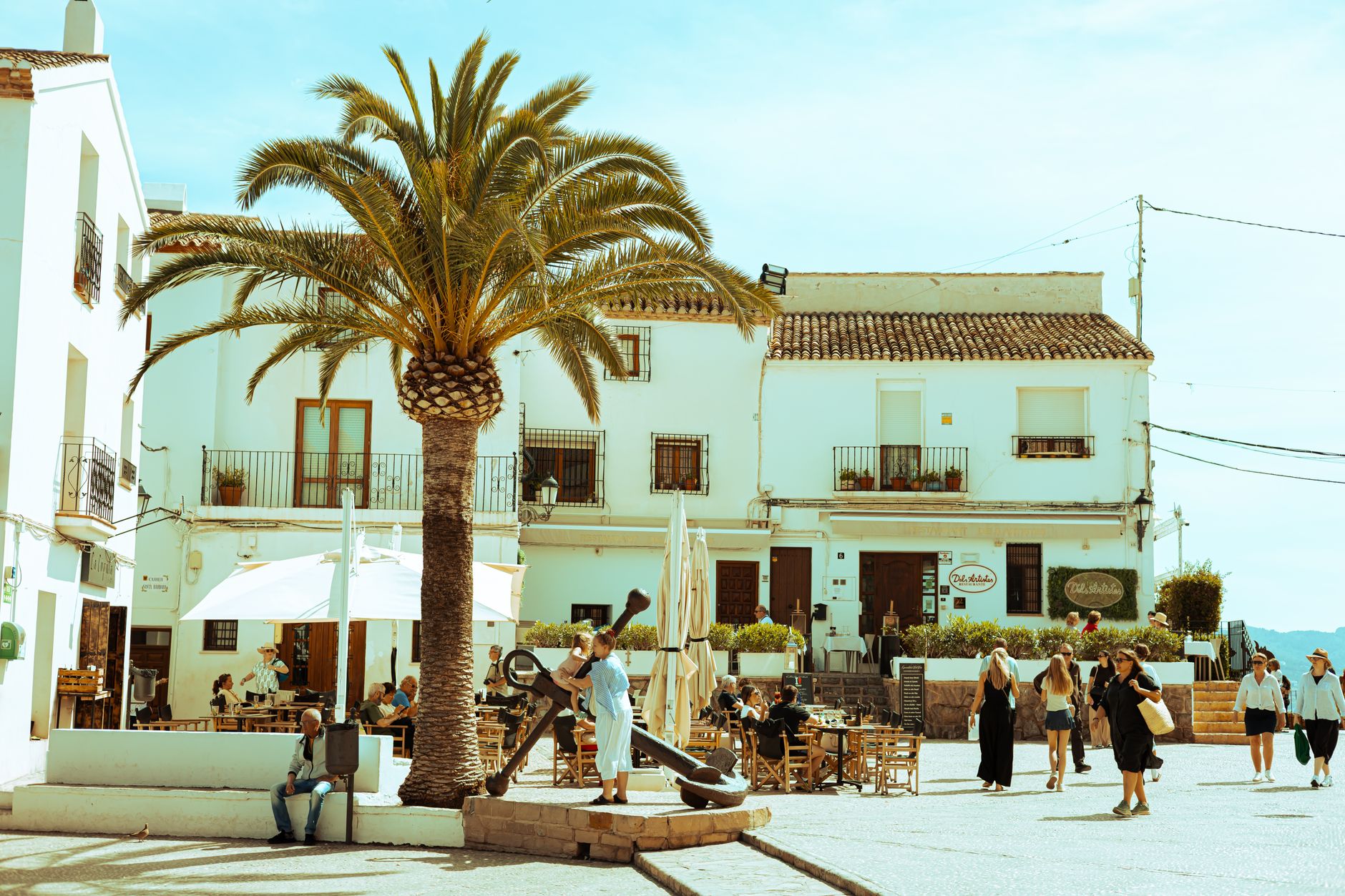
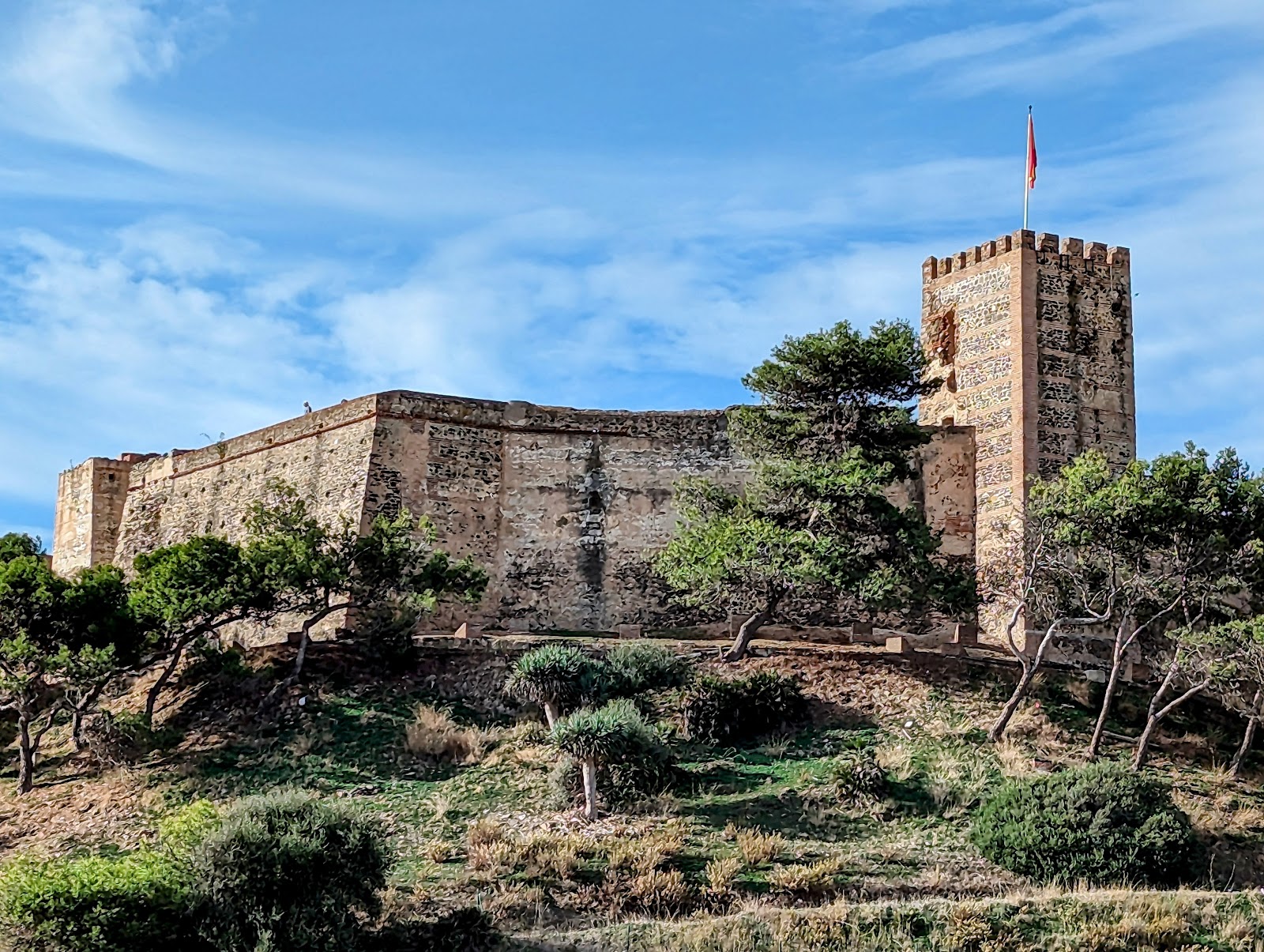
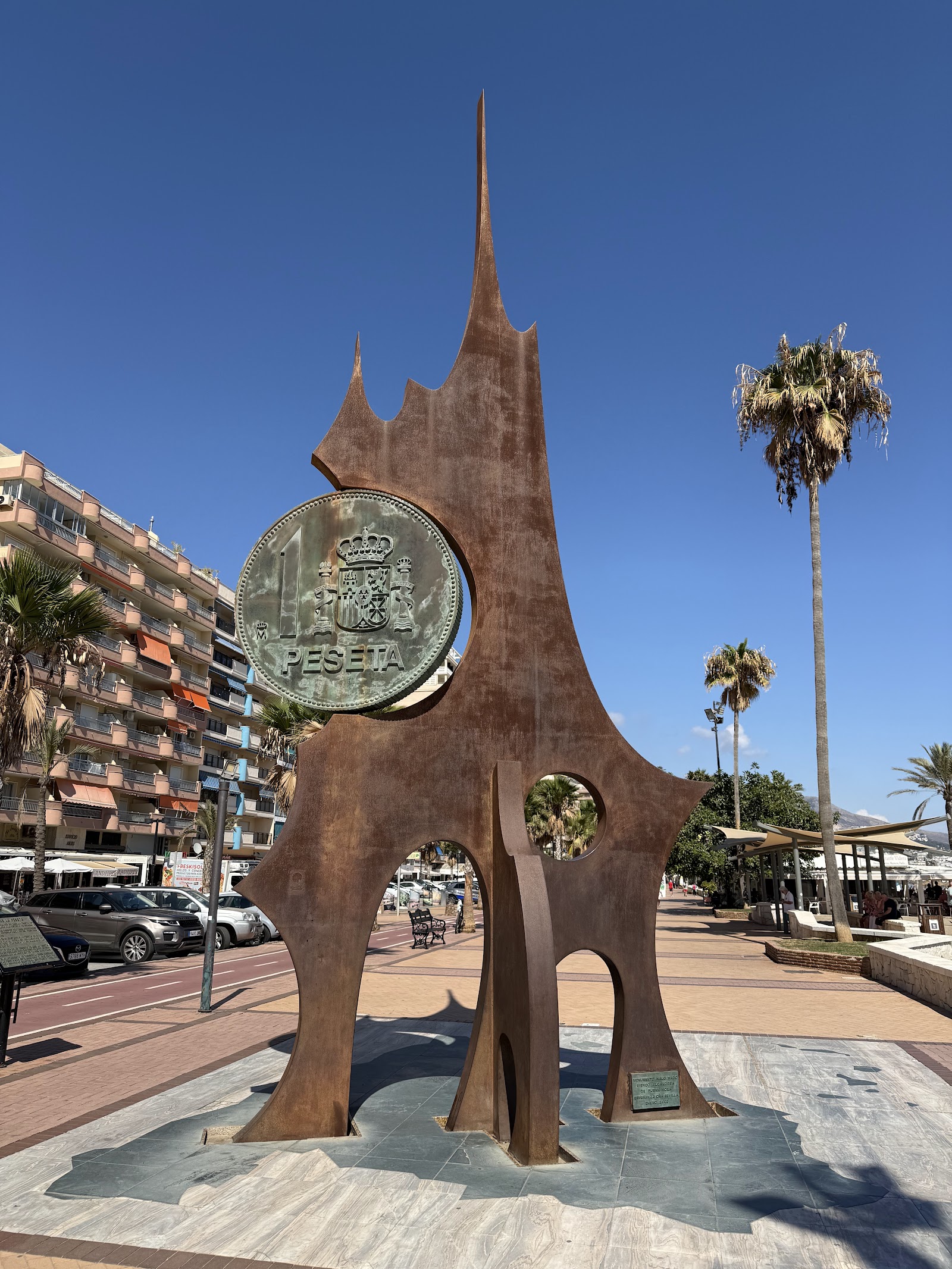
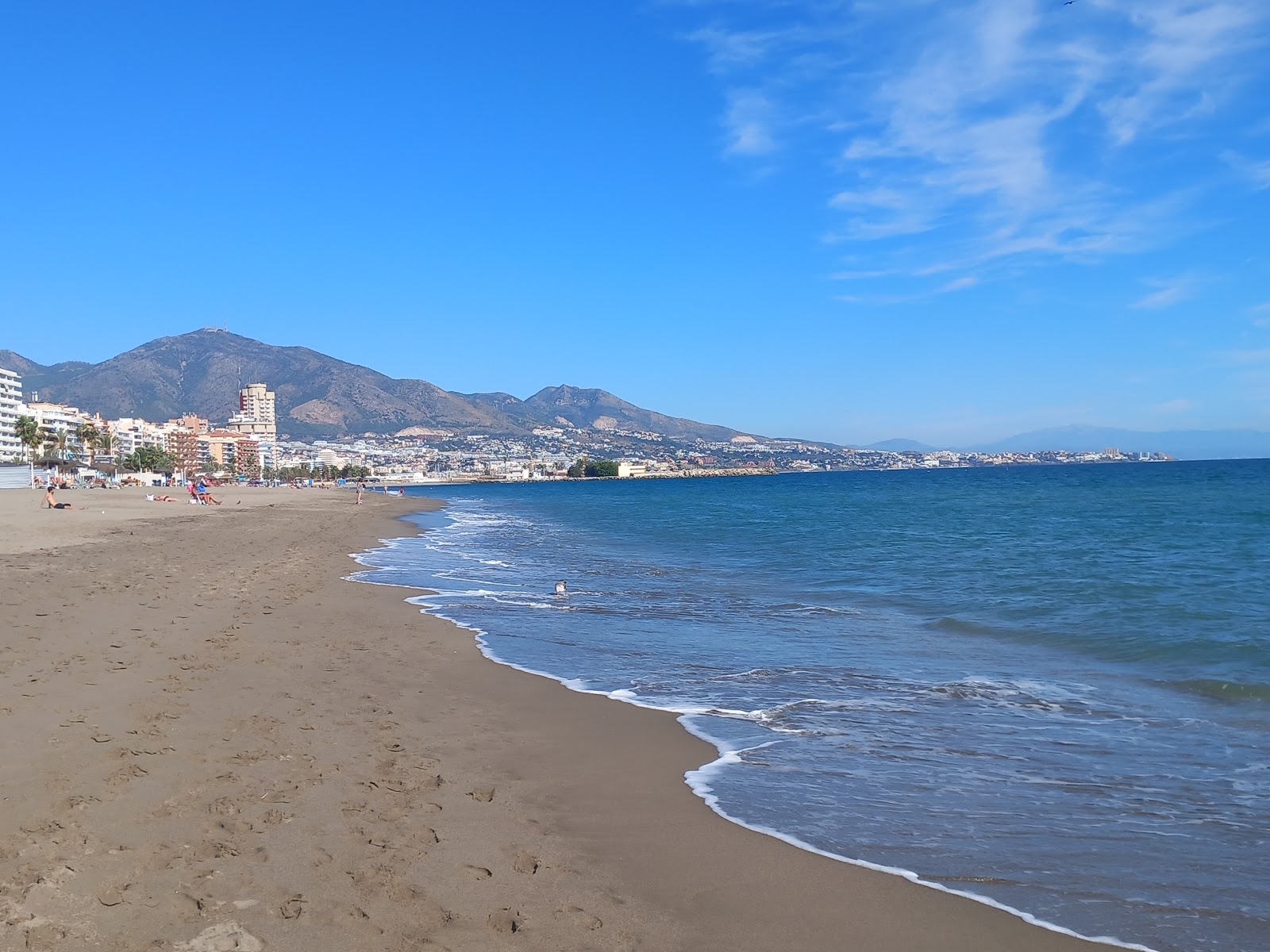
Stand on the Paseo Marítimo Rey de España at dusk and the eight kilometres of promenade stretch in both directions, the sea on one side and a low skyline of cafés and apartment blocks on the other. Fuengirola is not trying to be anything other than what it is: a working coastal city on the Costa del Sol where a Roman fish-salting factory sits beneath the modern town centre and a tenth-century castle looks down from the hill above.
The city grew from a population of around 8,500 in the early 1960s to more than 63,000 today, drawn in part by northern Europeans who came for the winters and stayed for good. That mix gives it a particular texture — Spanish in its bones, genuinely international in its daily life.
💛 What travellers fall for
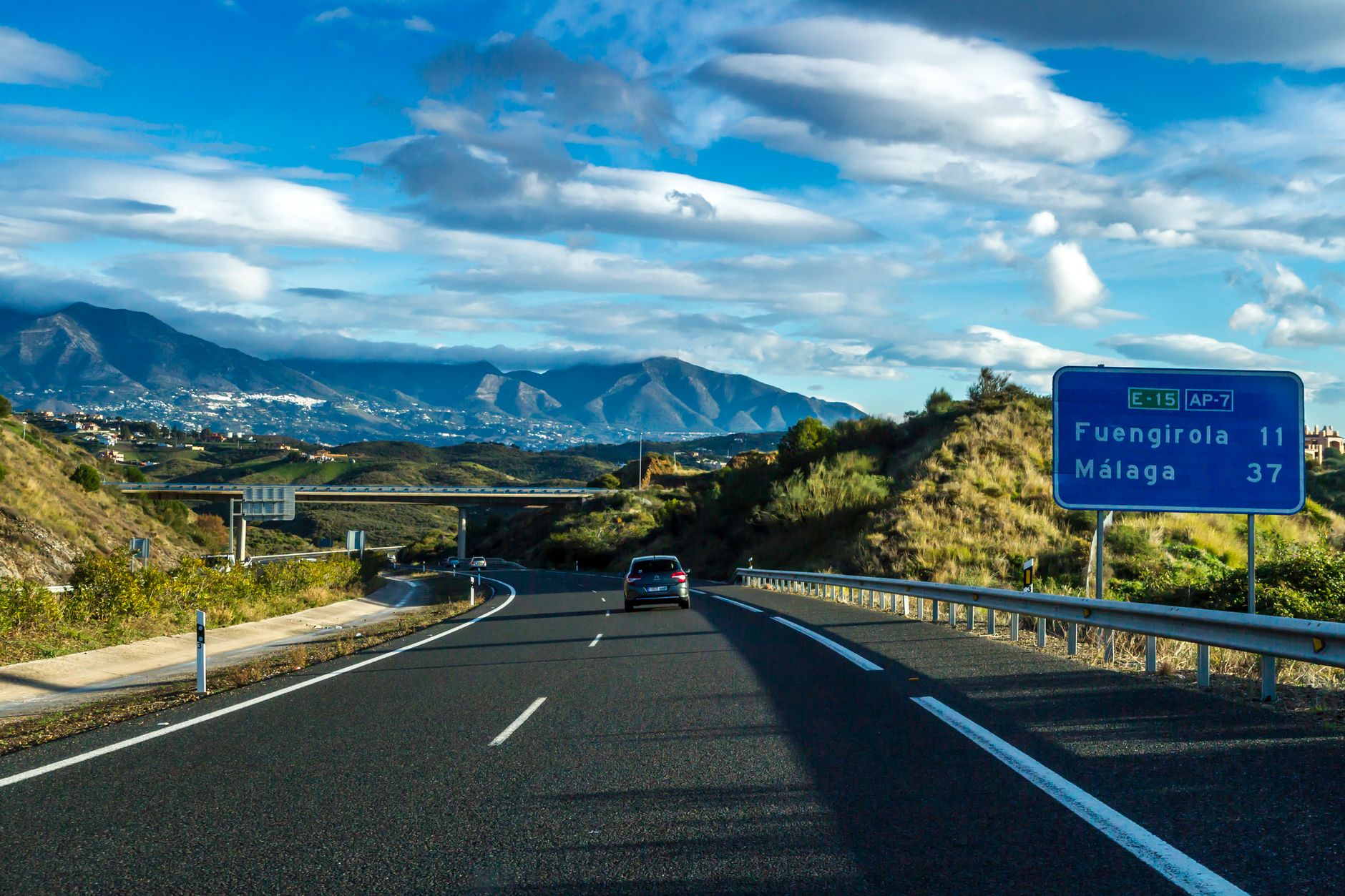
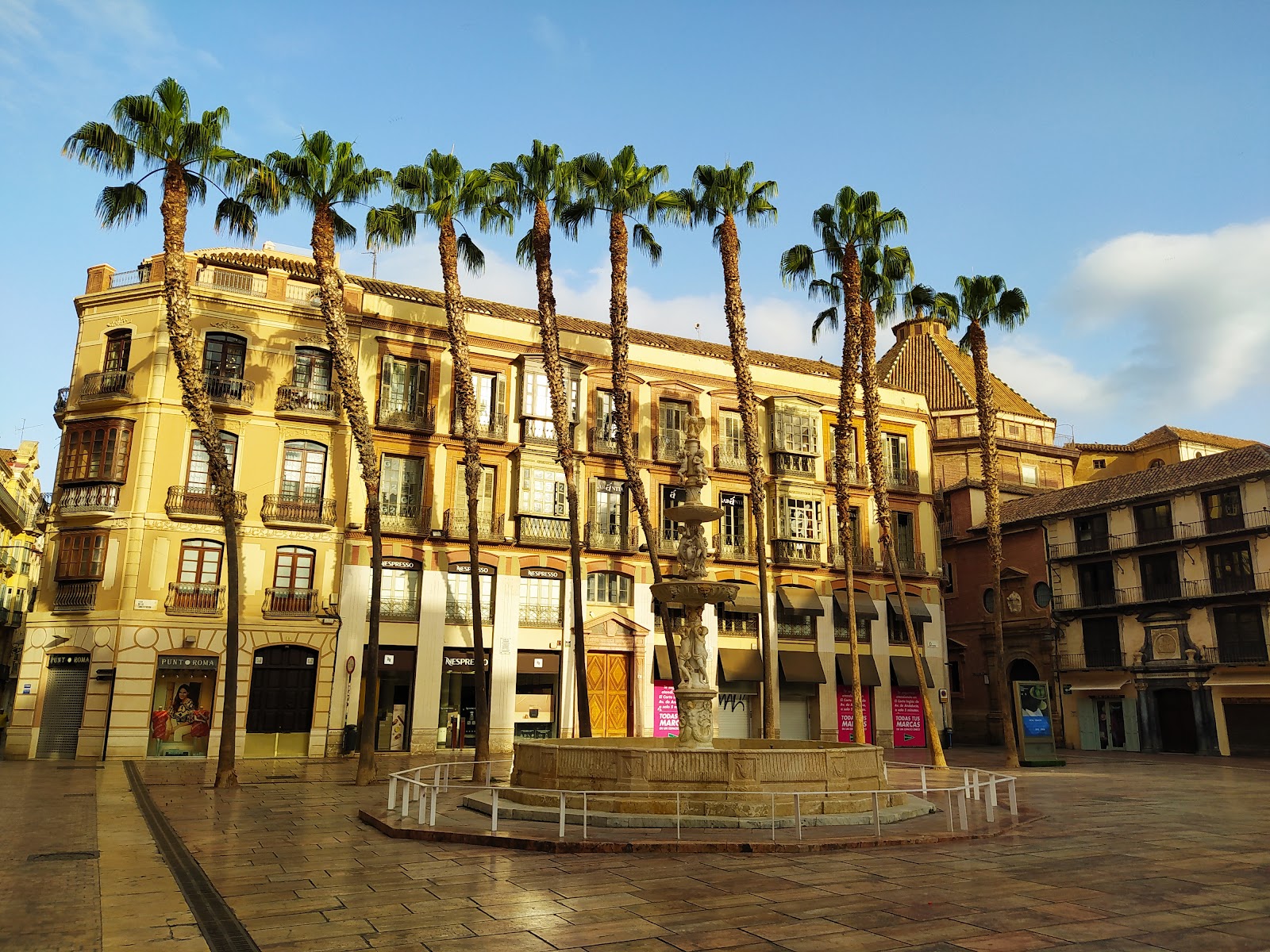
People who keep coming back tend to mention two things: the direct C-1 train from Málaga Airport, which makes arrival almost frictionless, and the free entry to Sohail Castle, best visited on a weekday morning before the summer concert season fills the interior with staging equipment. Plaza de la Constitución is the place for a late breakfast — sit outside Nuestra Señora del Rosario and take your time.
Deals in Fuengirola
Book directly at the provider
How Fuengirola came to be
The hill above town has been occupied for a very long time. Phoenicians and Romans both settled its slopes; Roman writer Pomponius Mela named the settlement Suel, and Pliny cited it in the 1st century AD as a fortified town. The site was burned in the early medieval period, its people fled to Mijas, and the ruins slowly acquired a new name — Font-Jirola, after the spring at the castle's foot. In 1485 the fortress passed to the Christian Monarchs; by 1511 the surrounding settlement was registered as uninhabited.
Repopulation came slowly, accelerating once the threat of piracy from the Turkish and Moroccan coasts receded in the 17th century. An inn opened near the beach at the start of the 18th century. In 1841 Fuengirola formally separated from Mijas, elected its first mayor and built a Town Hall — the beginning of the city that exists today.
Who and what shaped it
People who shaped it
Landmark buildings
See Fuengirola in motion
Plan your visit
On the map
When to go
August averages around 28°C and January around 16°C, which means the Costa del Sol standard applies: summers are hot and dry, winters are genuinely mild rather than warm. Spring and autumn offer the most comfortable conditions for walking the promenade or climbing to the castle.
Right now
↡ Attractions

Background & history adapted from Wikipedia (CC BY-SA) · specs from Wikidata (CC0) · weather from Open-Meteo · map data © OpenStreetMap contributors · photos from Wikimedia Commons / Unsplash with per-image credit. No third-party reviews or social posts reproduced.