
Bioparc Fuengirola
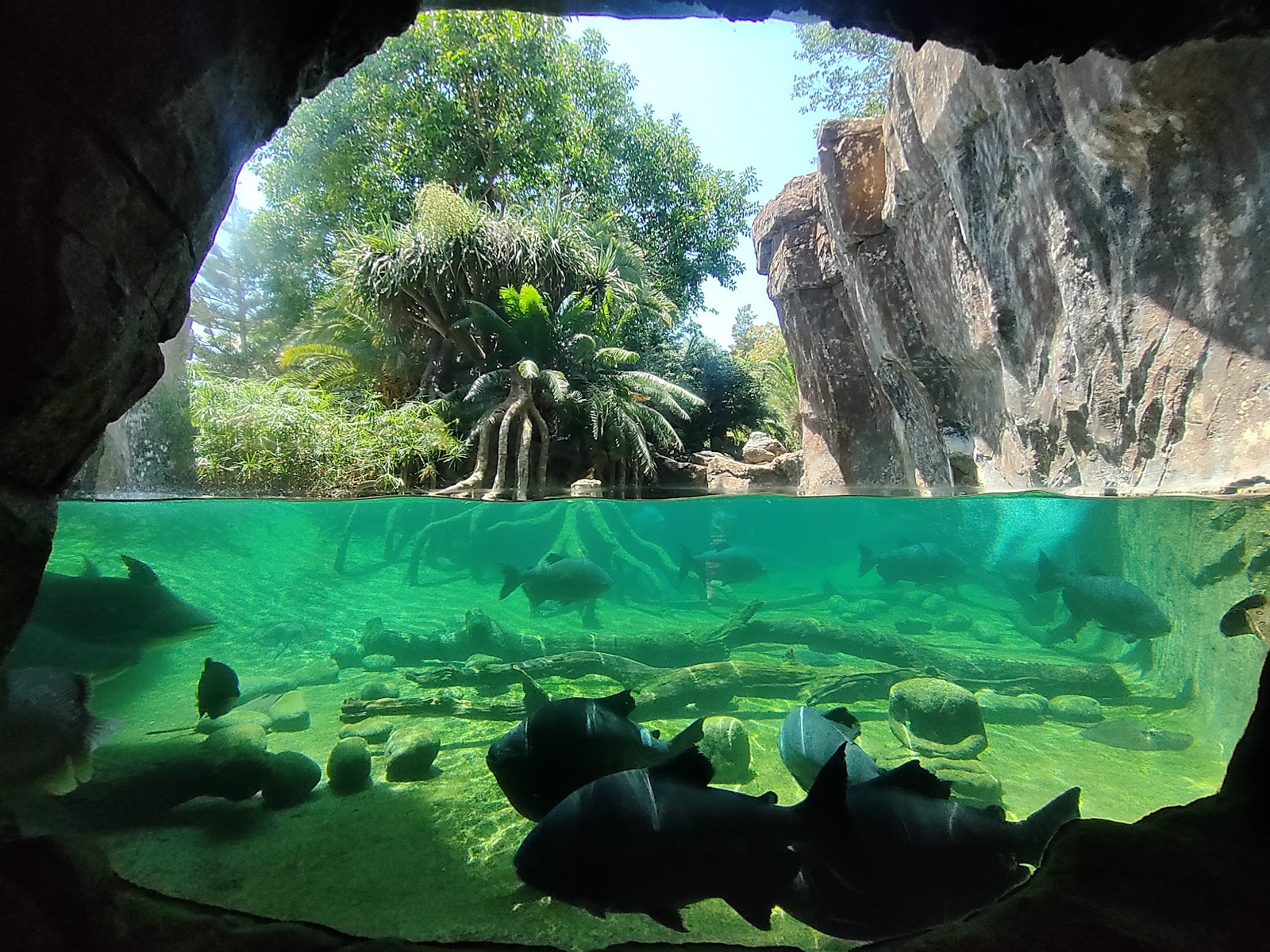
A lemur hops across the path in front of you, close enough that you instinctively step back. That's the point. Bioparc Fuengirola replaced the old zoo's cages and fences with barrier-free habitats, and the result is a 22,000-square-metre park where the distance between you and a gorilla is sometimes just a pane of glass beside a waterfall.
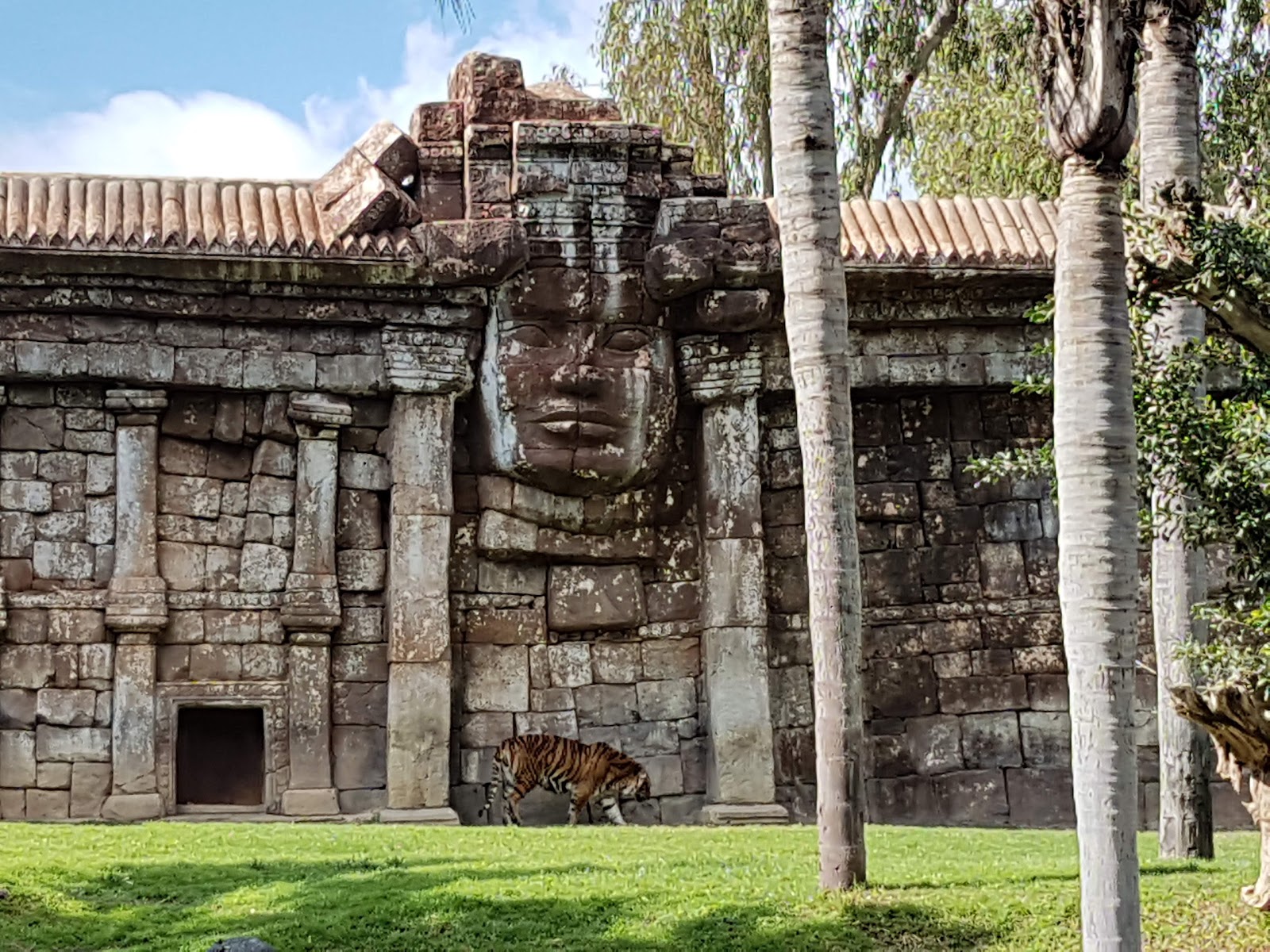
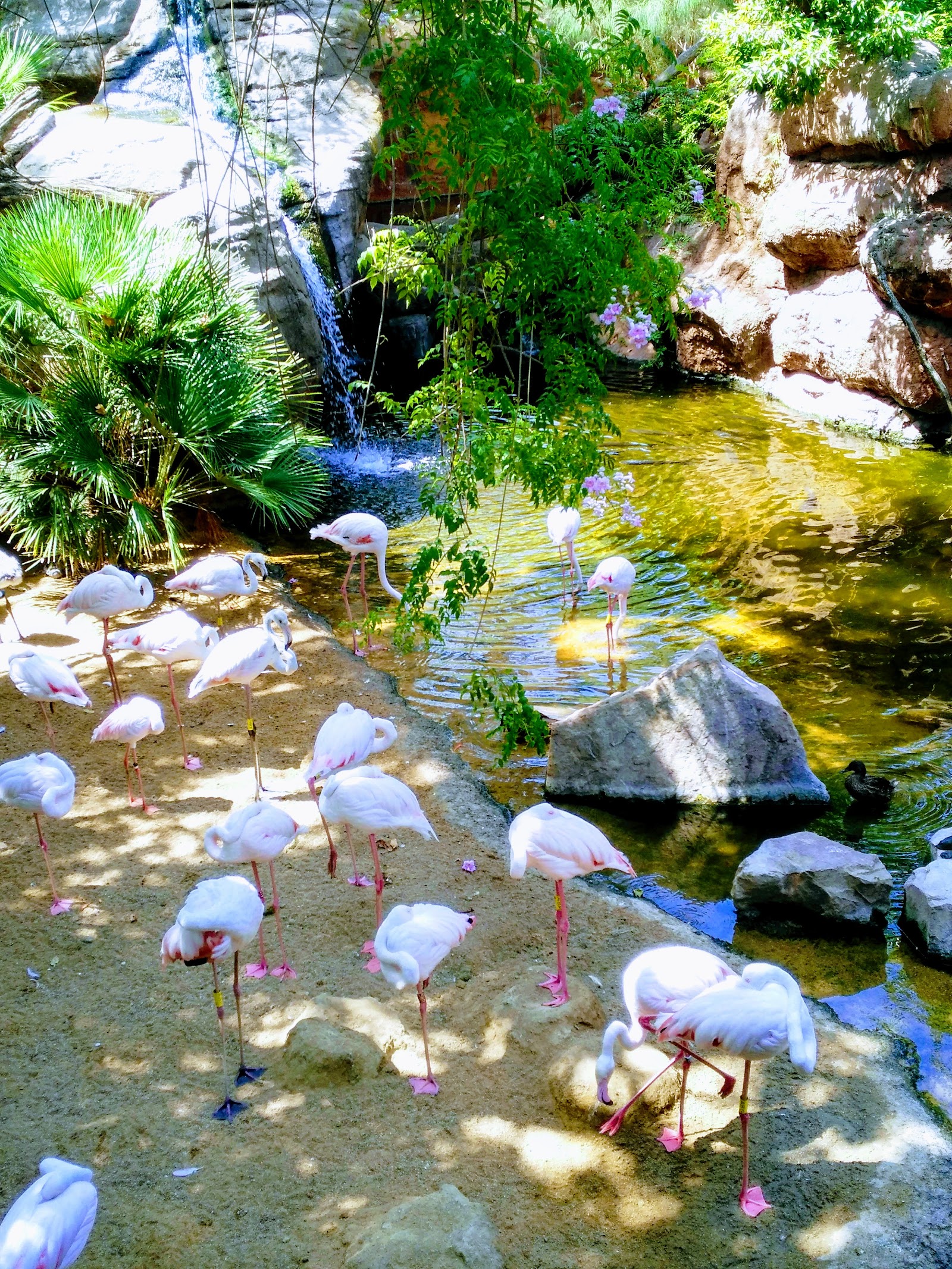
Four distinct zones — Madagascar forest, an Indo-Pacific section, a recreation of Angkor-era Khmer ruins, and a Central and South American area with a 14-metre aviary and underwater tunnel — make the place feel less like a zoo and more like a sequence of well-crafted illusions. The concrete baobab tree is a giveaway only if you look closely.
💛 What travellers fall for
People who come back tend to head straight for the glass viewing spot by the gorilla waterfall — Spain's largest gorilla group lives here, and the eye contact through the glass is genuinely arresting. Evening visits in July and August, when the park stays open late, draw a noticeably quieter crowd and cooler animals.
The story behind Bioparc Fuengirola
The site opened as a conventional zoo in 1978. In 1998, Rain Forest S.L. won the concession and handed the project to architect José Maldonado, who spent two years dismantling the existing cages and buildings before reopening in 2001 as Spain's first barrier-free zoo environment.
The rebrand to Bioparc came in 2010. Rain Forest S.L. had already established the Bioparc Foundation in 2007 to formalise the conservation side of the project. In 2014 the Indo-Pacífico habitat opened, bringing 15 new species including the Komodo dragon. In early 2025, a Malayan tapir calf named Tari was born here — the first of the species born in Spain.
Good to know
The Renfe C1 train stops 600 metres away; the bus station is 700 metres. No dedicated parking, but Plaza España Parking offers Bioparc visitors a 50% discount. Book online to save €1 per ticket. Budget three to four hours. Spring and autumn bring the most active animals.
The park is largely shaded by mature palms and palm-leaf roofing, which makes summer visits more bearable than you'd expect on the Costa del Sol. For livelier animal behaviour, aim for March to May or September to October, when temperatures ease and the animals spend more time in the open.
Where is Bioparc Fuengirola?
More tickets & tours for Bioparc Fuengirola
Book directly at the provider
What travellers say about Bioparc Fuengirola
Wow, impresive place, where animals are able to live as close to natural habitat as it is possible. It is also very educational place, where you can learn about new world discovery. Temples ruins and used symbols are also amazing. This place has a lot of impresive details. And animals are also quite extraordinary, comparing with other zoos where I have been. It is expensive, but worth to visit. Must have to visit, if you like interesting ruins and like to educate yourself🧁🌟✨
For some reason I was expecting more colourful birds. Beautiful animals though and "jungle like" park gives comfortable feeling and visual effects. You can find discount voucher to save 3 euro pp buying online or 2pp buying tickets at the park. I found mine in Miramar shopping centre opposite toilets on 1st floor. There is a board that many places advertise themselves. As a single person or family you can save a lot.
It was a great experience. We’ve visited many zoos across Europe, and this park left an impression on us as one of the closest to nature in terms of animal welfare. There won’t be an overabundance of animals here, but the aesthetic and ergonomic aspect for visitors is one of a kind. We really enjoyed the time we spent here, which flew by without us noticing. If you’re traveling with kids, this park absolutely has to be on your itinerary!
So well presented, tidy, clean and super well designed enclosures for the animals. Short queue too get in but took no time at all. Great range of animals and although it was super hot when we visited there's plenty of tree cover, so it's not an issue walking around the place in direct sunshine.
A lovely place to visit! Very green, well maintained, and home to a wide variety of animal species. We really enjoyed walking around and seeing all the different animals. We were also lucky to join the free lemur tour at 4 PM, which made the experience even more special. A great visit, we loved it!
More of Fuengirola
Discover where to stay, what to do and the best deals for your trip.
Explore Fuengirola →More attractions in Fuengirola
All of Fuengirola →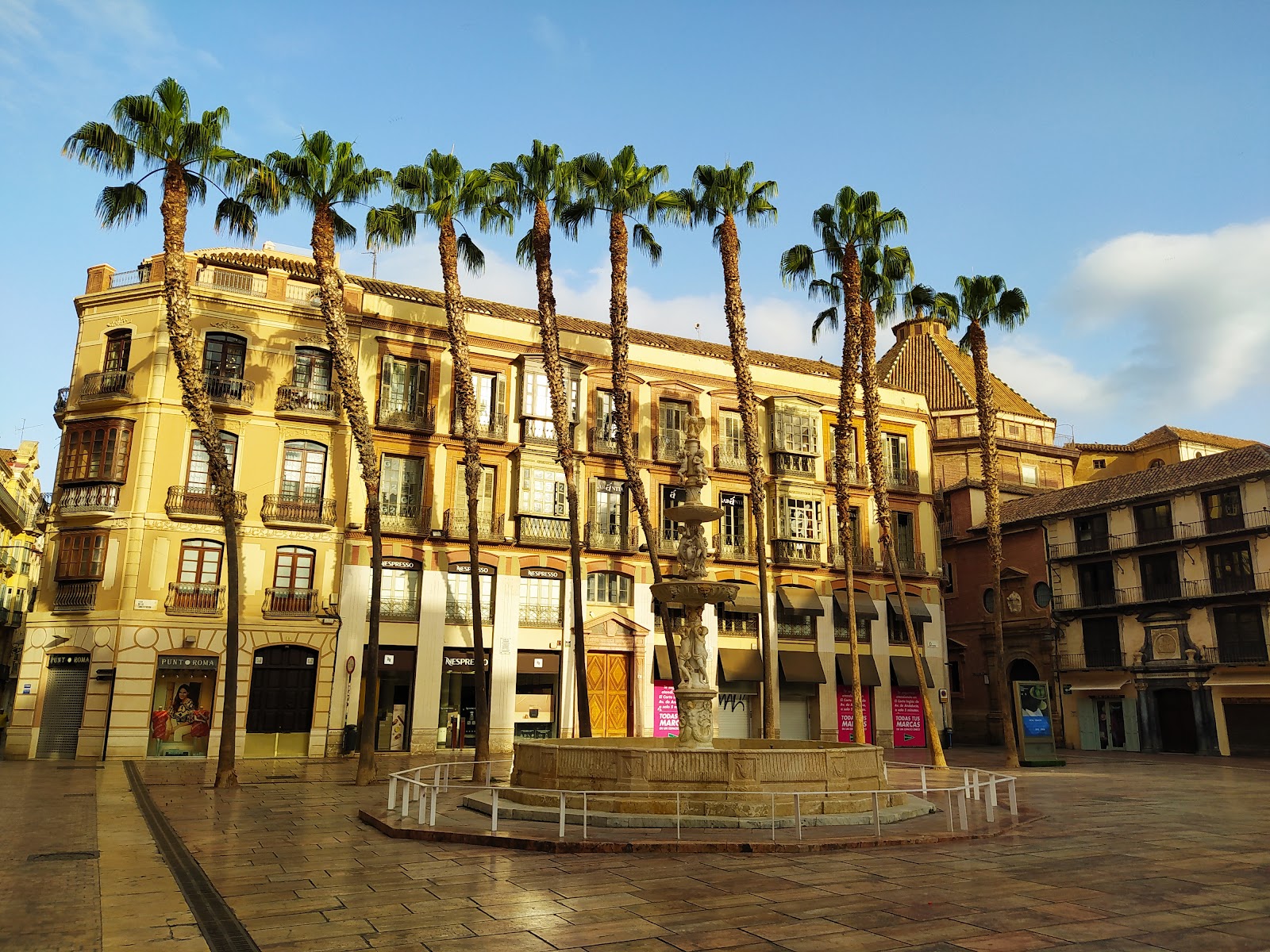
Background adapted from Wikipedia (CC BY-SA) · map data © OpenStreetMap contributors · ratings & place photos via Google · other photos with per-image credit. Ticket links may earn us a commission at no extra cost to you.