
Plaza de la Constitución
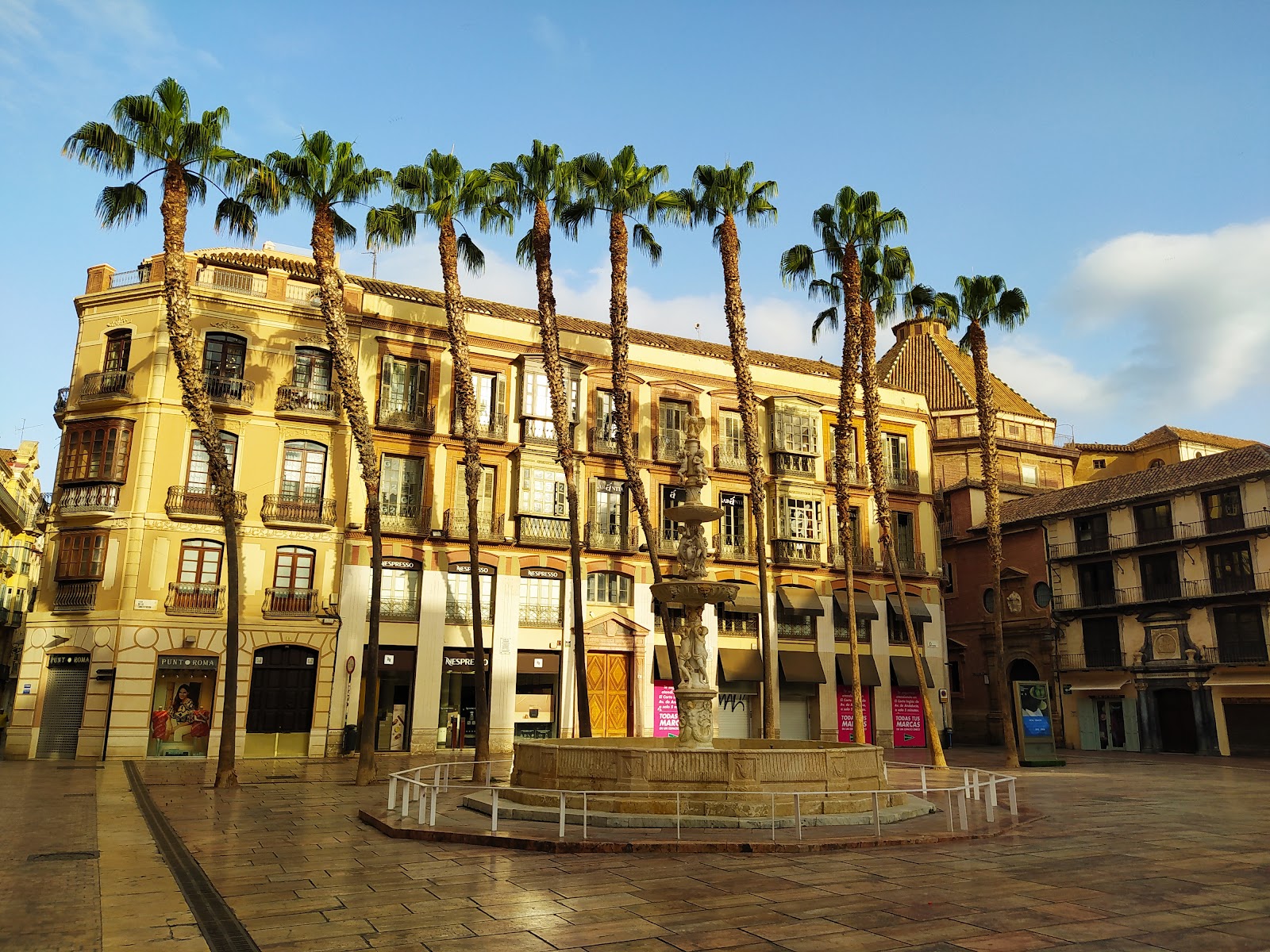
The ficus tree at the edge of Plaza de la Constitución has been here since the square itself took shape — locals call it the Árbol de las Pelotillas, and at dusk its canopy catches the last light in a way that stops people mid-conversation. The Church of Nuestra Señora del Rosario anchors the opposite end, its façade familiar to generations of Fuengirola families who have marked baptisms, confirmations and weddings here on Saturday mornings.
This is the civic core of the town — not a tourist set piece but the square where Fuengirola actually conducts its public life. The Monumento a la Constitución stands at the centre, cafés ring the perimeter, and the beach is a five-minute walk south.
💛 What travellers fall for
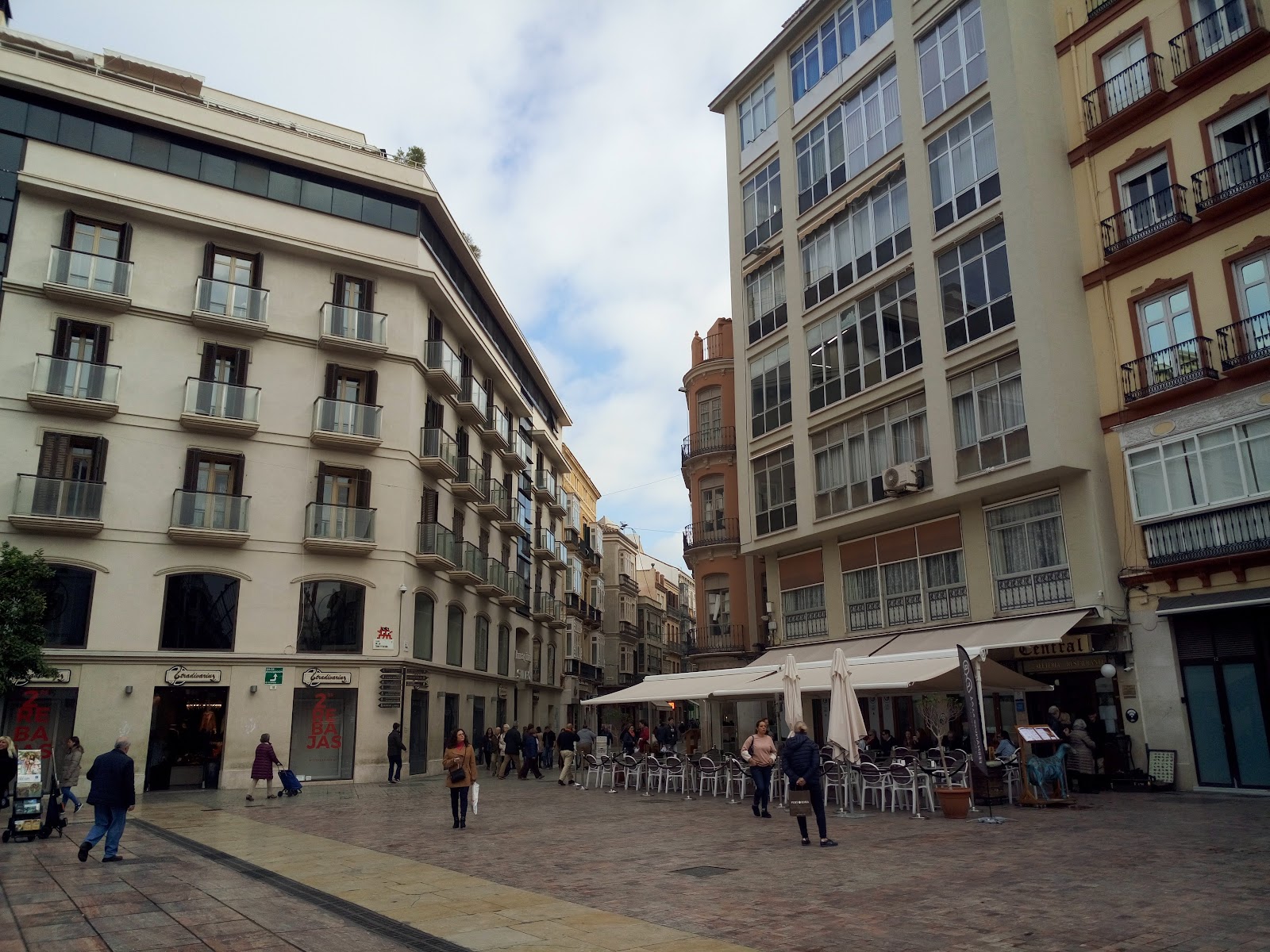
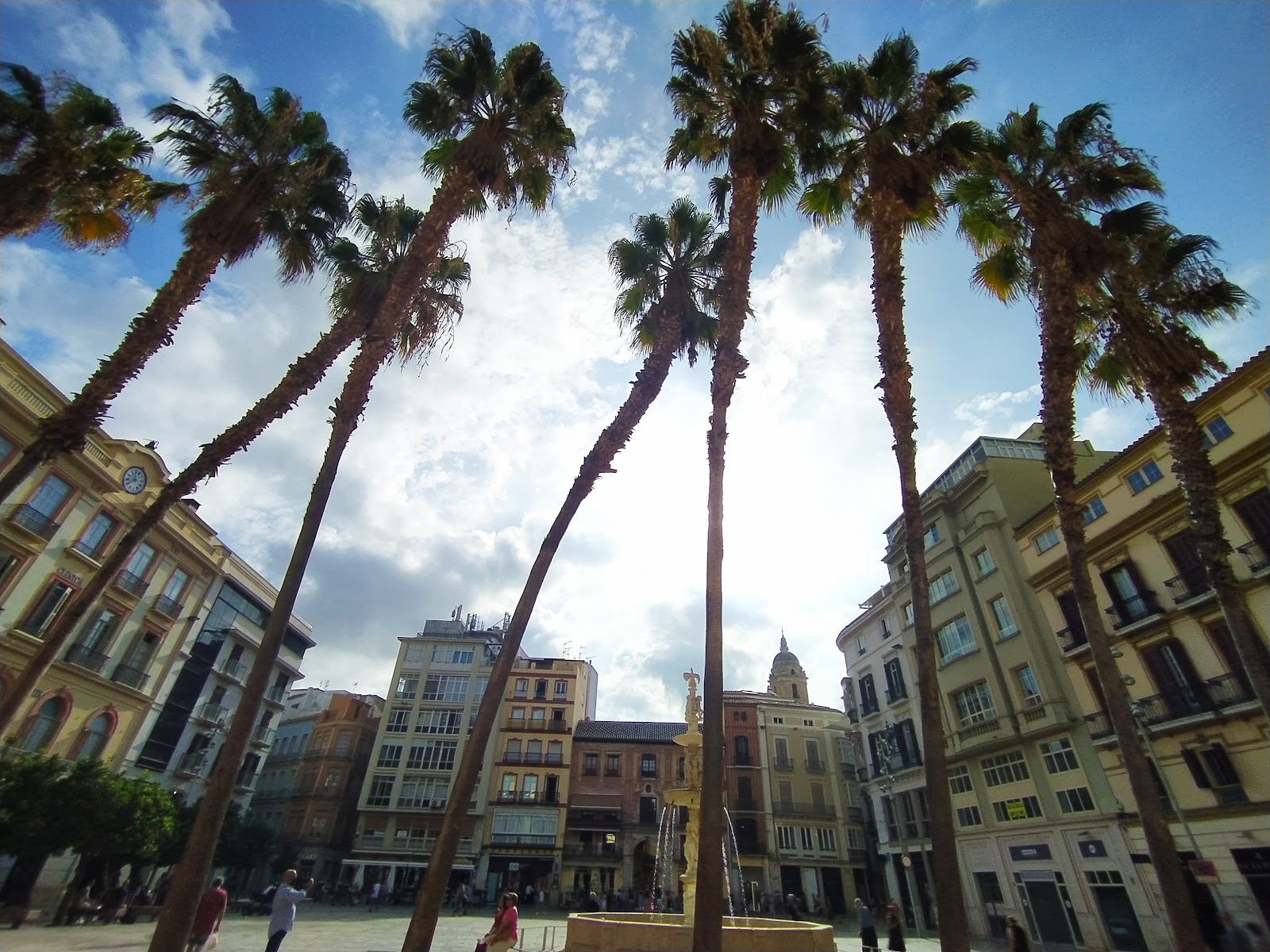
People who come back tend to stake out a café table on the western side late on a weekday afternoon, when the ficus casts long shadows and the Saturday-wedding crowds have gone. The underground car park beneath the square is a genuine convenience — arrive by car and you surface directly into the action without circling residential streets.
The story behind Plaza de la Constitución
On a May day in 1841, Fuengirola's first mayor, Antonio García Cortés, gave this square its name — Plaza de la Constitución — marking the moment the town was formally recognised by Málaga as separate from Mijas. The naming was an act of civic declaration as much as cartography: a new municipality announcing itself around a central gathering point.
The centenarian ficus is the one physical witness that survives from those early years. Everything else has been rebuilt or resurfaced across nearly two centuries of Spanish political and architectural change, but the tree and the church have remained the square's fixed coordinates, with Nuestra Señora del Rosario still drawing her feast-day procession every 7 October.
Good to know
The Cercanías C1 train from Málaga drops you at Fuengirola station, roughly ten minutes on foot. April through June and September through November offer the most comfortable temperatures. The square runs 24 hours, but surrounding businesses keep their own seasonal hours.
Summer days reach around 28°C with long, dry evenings well into September — the square stays lively after dark when the heat softens. Spring and autumn are the most temperate seasons for sitting outside; January nights can drop to 10°C, and December brings the most rainfall, though Christmas markets give the plaza a different kind of energy.
Where is Plaza de la Constitución?
Location
- In Fuengirola
- 36.5404, -4.6248
- Open in Google Maps
More tickets & tours for Plaza de la Constitución
Book directly at the provider
More of Fuengirola
Discover where to stay, what to do and the best deals for your trip.
Explore Fuengirola →More attractions in Fuengirola
All of Fuengirola →
Background adapted from Wikipedia (CC BY-SA) · map data © OpenStreetMap contributors · ratings & place photos via Google · other photos with per-image credit. Ticket links may earn us a commission at no extra cost to you.