
Castillo Sohail
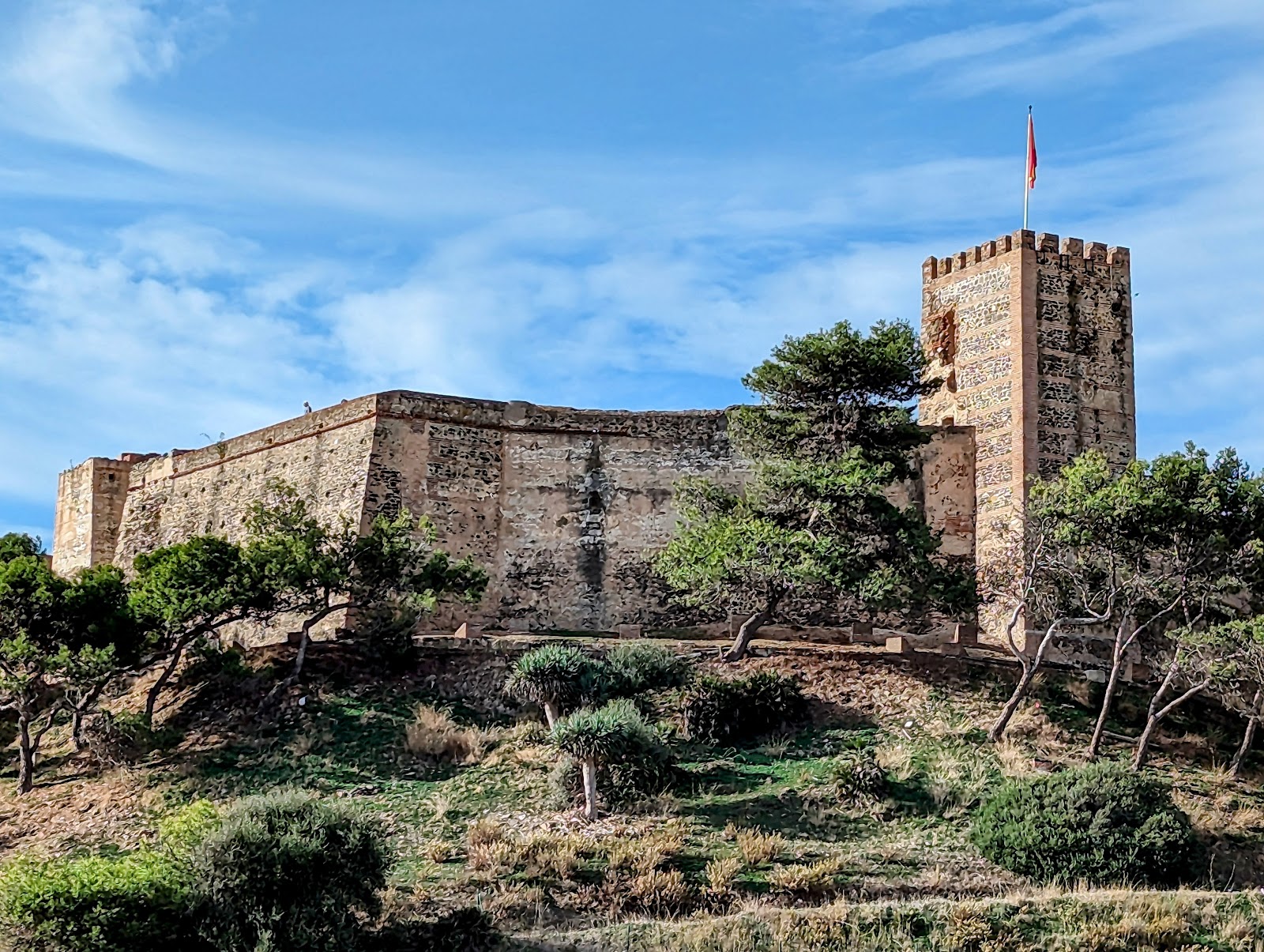
The castle takes its name from Sohail — the Arabic word for Canopus, the star that sailors crossing from North Africa used to fix their position in the dark. That navigational detail still feels apt: standing on the battlements at 38 metres above the river estuary, with the Mediterranean laid out ahead and the Sierra de Mijas rising behind, you get an immediate sense of why people have been climbing this limestone hill for more than a thousand years.
Today the grounds are open and largely uncluttered — crumbled interior walls, a horseshoe arch at the entrance, three muzzle-loading cannon on the sea-facing gun platform. The interpretation centre at the base fills in the gaps, but the castle itself rewards slow wandering more than guided study.
💛 What travellers fall for
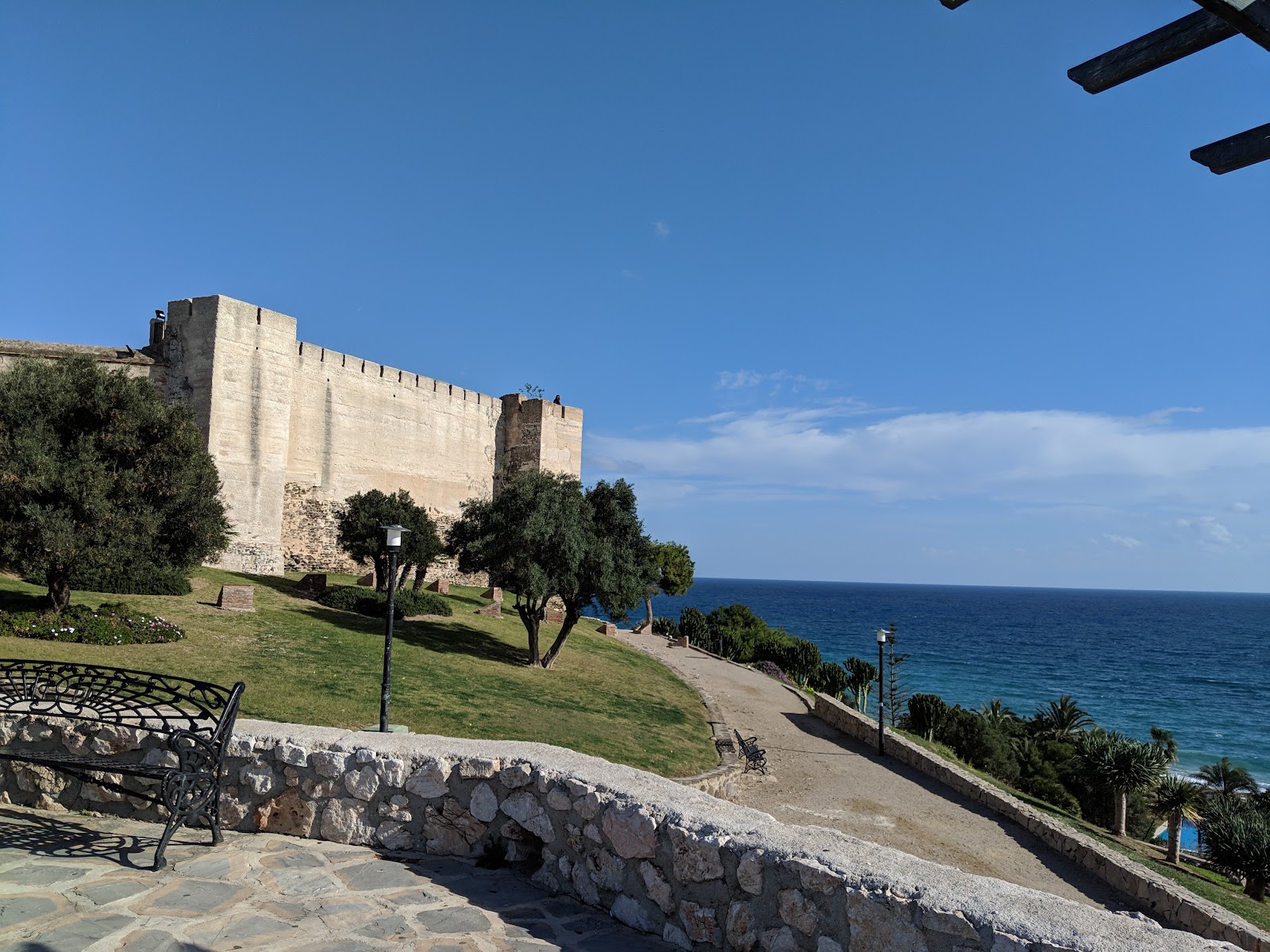
People who come back tend to time it for early evening in summer, when the park stays open until midnight and the heat has dropped. The shaded path that rings the outer walls has benches positioned for the estuary view. The Marenostrum music festival draws bigger crowds, so if you want the place quieter, any weekday morning outside June to August does the job.
The story behind Castillo Sohail
Abd-ar-Rahman III, Caliph of Córdoba, ordered a citadel built here in 956 as part of a coastal defence network. The Almoravids expanded it in the 12th century, adding an irregular defensive enclosure. Christians took the hill in 1485 and largely destroyed the structure two years later during the Reconquista; it was rebuilt in the 18th century, by which point its primary purpose had shifted to suppressing smuggling.
The most unexpected chapter came on 14 October 1810, when 457 Polish and French troops — holding the castle for Napoleon — repelled a force of around 4,500 British and Spanish soldiers. The castle fell into abandonment through most of the 20th century before a Fuengirola Workshop School restoration project brought it back to its current state.
Good to know
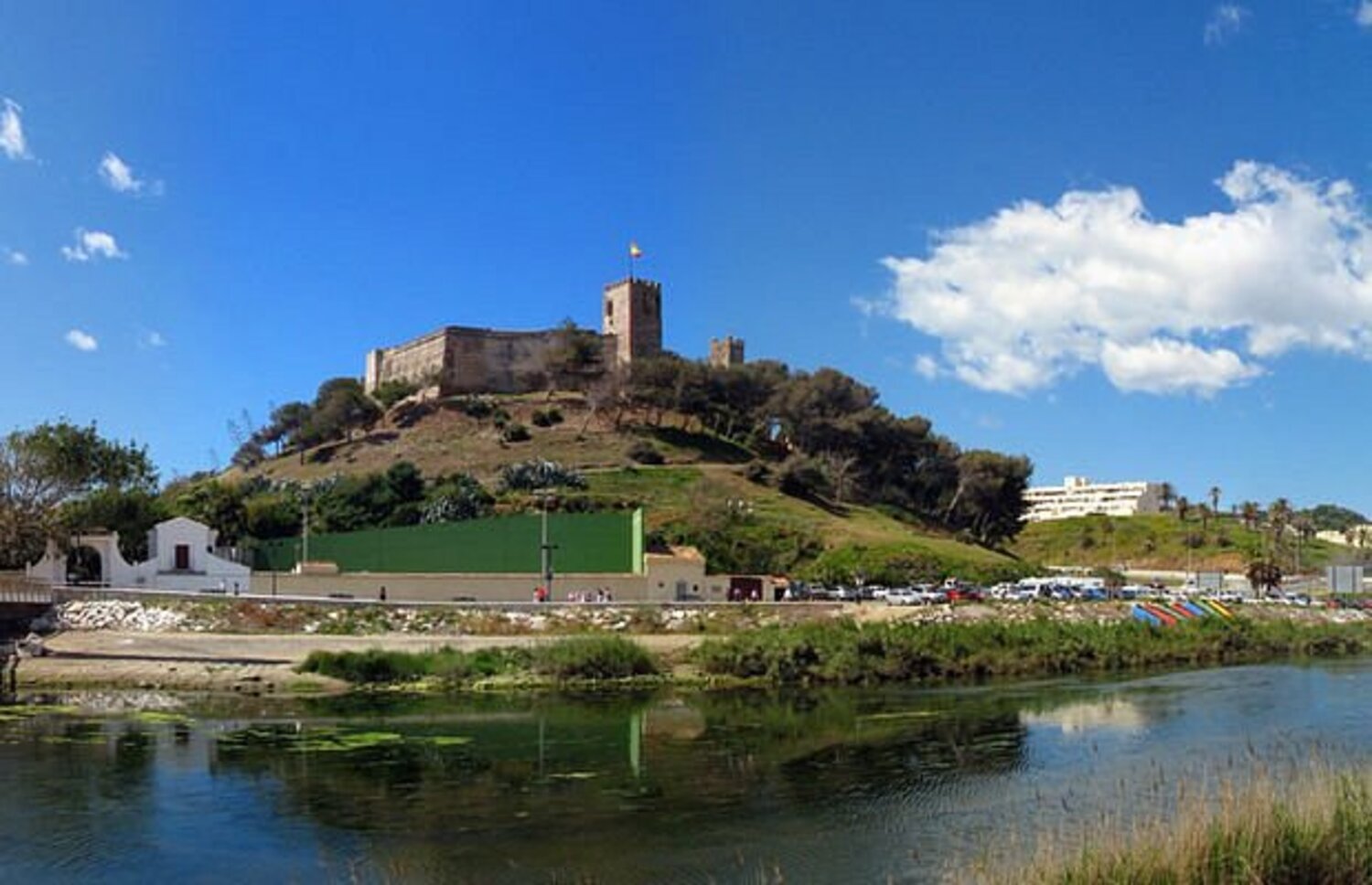
Entry to the grounds is free. The interpretation centre is closed Mondays year-round; summer hours are mornings only. Free parking at the hill's base fills up during festivals. The Cercanías train from Málaga drops you in central Fuengirola; the castle is a short taxi ride or a 30-minute walk from Los Boliches.
April through June and September through November are the most comfortable months to climb the hill — temperatures between 19 and 26°C and little rain. July is the driest month and clocks over 11 hours of daily sun, which makes the exposed battlements genuinely hot by midday; an early-morning or evening visit works better then.
Where is Castillo Sohail?
More tickets & tours for Castillo Sohail
Book directly at the provider
What travellers say about Castillo Sohail
This is a free entry castle located at the western end of Fuengirola. It has an accessible entrance no stairs but a gradual slop up to the castle. Access to upper levels of castle wall via steep steps but the rest of the castle accessible with wheelchair . My partner and i both mid 60’s managed easily enough. Great view of the new bridge Puente de la Armada A great viewing point. Toilets at top / entrance to castle. Well worth a visit
Castillo Sohail in Fuengirola is an ancient fortress of Moorish origin, located on a hill at the mouth of a river by the Mediterranean Sea. It played an important strategic role and survived pirate attacks as well as battles during the Napoleonic era. Today, it is not only a historical symbol but also a cultural center: nearby, the famous Marenostrum Fuengirola takes place, regularly hosting grand concerts with world-famous artists and attracting tens of thousands of spectators.
Castle ok for a quick visit. Nice views from wall, but not much to see as it's a ruin. Free entry.
This place is free. It was interesting to go visit. Didn't take long to go round as not much there but had little signs up that told you what the areas were used for and some old cannons. In the warehouse it had a small model of what it would have looked like back in it's day with buttons that explained bits. It was a very steep hill to walk up with a few steps. Love birds where nesting in the trees above the walk way.
100% worth going! This is a free attraction in an amazing setting. Climb the hill (there is a road for handicap accesss). See a beautiful castle/fort with a view over the city and the sea. Parking at the bottom of the hill right off the highway is only 1 EURO per day! and the place is a short walk into the city as well as directly down to the beach!
More of Fuengirola
Discover where to stay, what to do and the best deals for your trip.
Explore Fuengirola →More attractions in Fuengirola
All of Fuengirola →
Background adapted from Wikipedia (CC BY-SA) · map data © OpenStreetMap contributors · ratings & place photos via Google · other photos with per-image credit. Ticket links may earn us a commission at no extra cost to you.