
Playa de Fuengirola
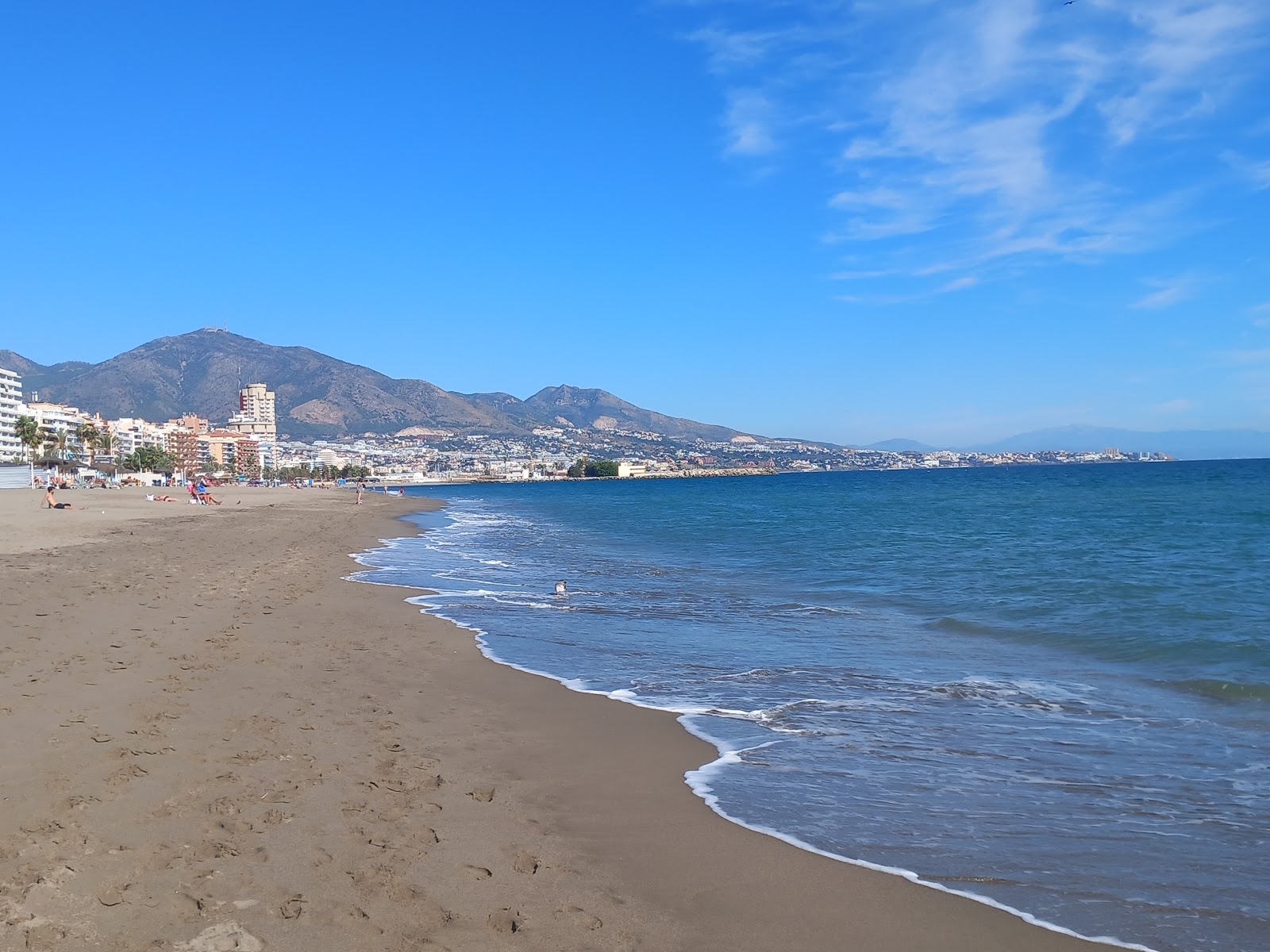
A skewer of sardines grilled over an open fire in a sand-filled boat — that image is Fuengirola beach in one frame. The espetos arrive still sizzling, six or eight fish for a few euros, eaten at a plastic table with your feet practically in the sand. The beach itself is 1,650 metres of fine golden sand, calm water, and the kind of unhurried pace that belongs to a place that has been drawing people to the shore since long before the package-holiday era.
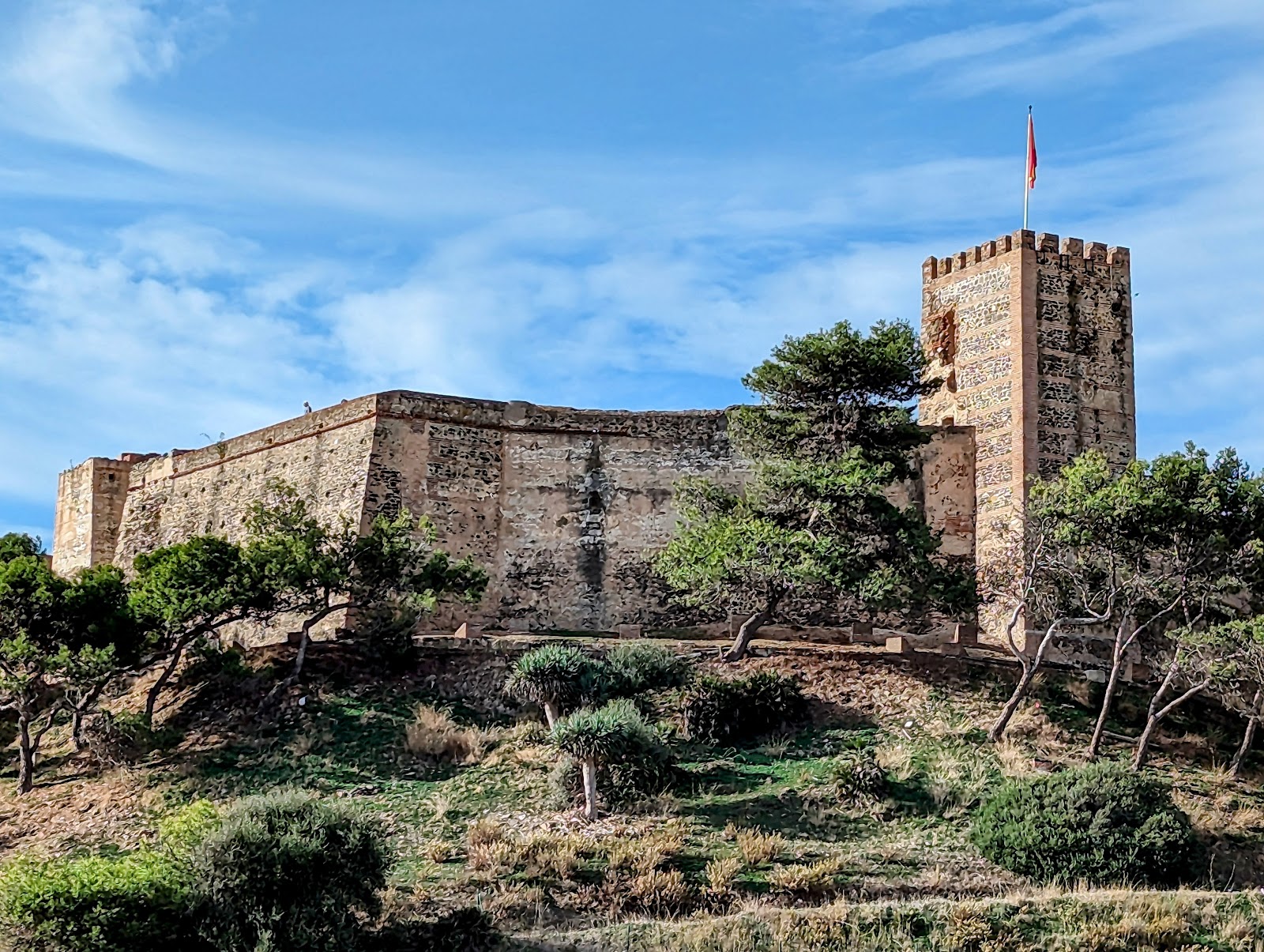
Sohail Castle watches from its hilltop at the western end, a useful landmark and a reminder that this strip of coast was already a settled, traded, fought-over place long before the first sunlounger arrived.
💛 What travellers fall for
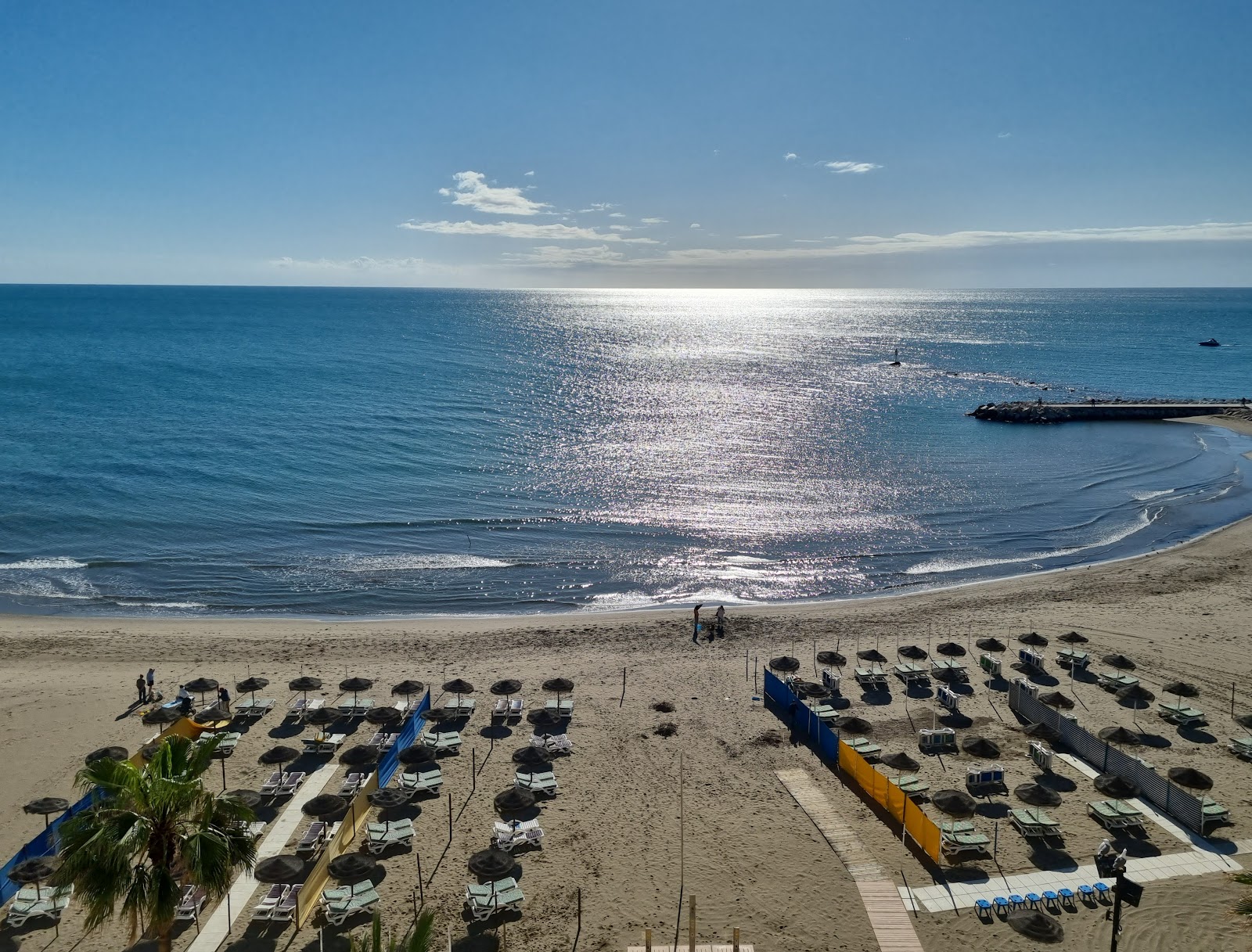
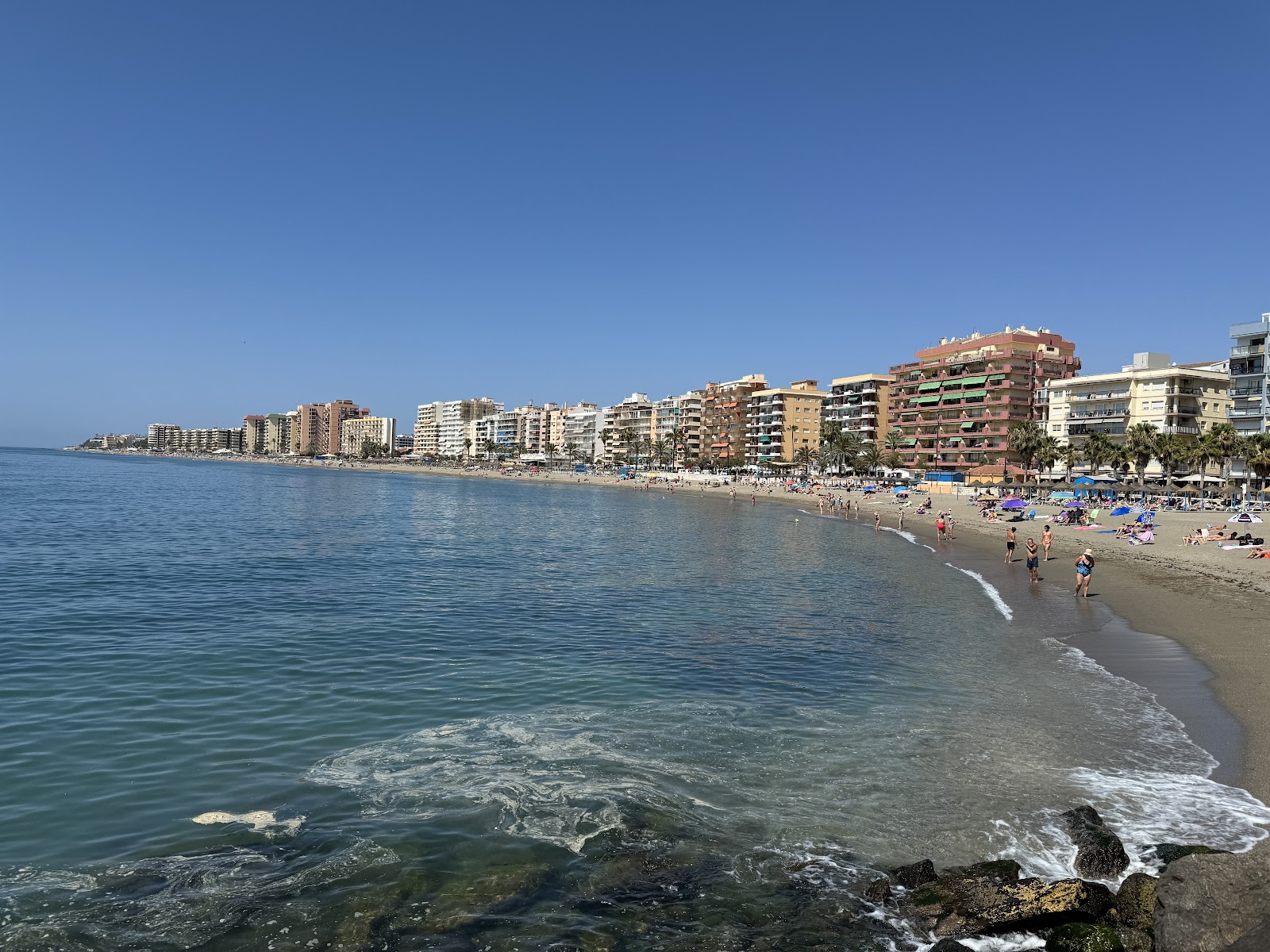
People who come back tend to arrive by train — the Cercanías line from Málaga Airport drops you here in 35 minutes for €2.70, and the stations sit right alongside the beach. They also learn quickly that afternoons mean shade: apartment blocks cut off the sun well before sunset, so morning is when the light is on the water.
The story behind Playa de Fuengirola
The coast here has been inhabited since Phoenician traders established a salted-fish post called Suel, later absorbed into the Roman municipium assigned to the conventus of Gades — modern Cádiz. The Romans left behind baths and a villa; a sculpture recovered in 1961 and now known as the Venus of Fuengirola is in the town museum.
After the early medieval period the settlement moved inland toward Mijas and the place was renamed Font-Jirola, after a spring at the foot of the castle. Christian Monarchs took it in 1485 during the final phase of the Reconquista. A new town grew back along the shore in the 17th century, an inn opened near the beach in the early 18th, and the mass-tourism chapter began in the 1960s.
Good to know
Four Cercanías train stations serve the beach (Carvajal, Torreblanca, Los Boliches, Fuengirola), running every 20 minutes from early morning. No entry fee. Beach facilities — loungers, lifeguards, showers — operate April through October. The beach sits in the town centre, easy to reach on foot from anywhere in Fuengirola.
July and August are peak season — temperatures reach 30–35°C and the sea settles around 24–26°C. April through June offers warm, sunny days without the intensity of high summer, with sea temperatures climbing to about 22°C by June. Winter stays mild (16–18°C) but brings the coast's wettest months, and beach facilities close from November through March.
Where is Playa de Fuengirola?
More tickets & tours for Playa de Fuengirola
Book directly at the provider
What travellers say about Playa de Fuengirola
Nice beach. Playa de Torreblanca is a little better in my opinion.
The beach is very large, so it's not crowded. There are sun loungers to rent, and you can bring your own. The water was cold, the beach has fine sand. There are lots of bars nearby for food and drinks.
The best beach we have found on costa del sol, very clean waters, soft sand and a wide stretch of sand that accomodates many people, allowing you to relax even when its busy. The paddleboarding rental is fun and there is plenty of good food.
Lots of sun beds available €13 for two beds for the day. Parking across the road in a car park if you want to avoid narrow parking spaces. Plenty of shop. Kids were happy
Atmospheric beach, lots of sunbeds, and attractions for both kids and adults. The only downside is there's nowhere to park your car
More of Fuengirola
Discover where to stay, what to do and the best deals for your trip.
Explore Fuengirola →More attractions in Fuengirola
All of Fuengirola →
Background adapted from Wikipedia (CC BY-SA) · map data © OpenStreetMap contributors · ratings & place photos via Google · other photos with per-image credit. Ticket links may earn us a commission at no extra cost to you.