
Decumanus Maximus
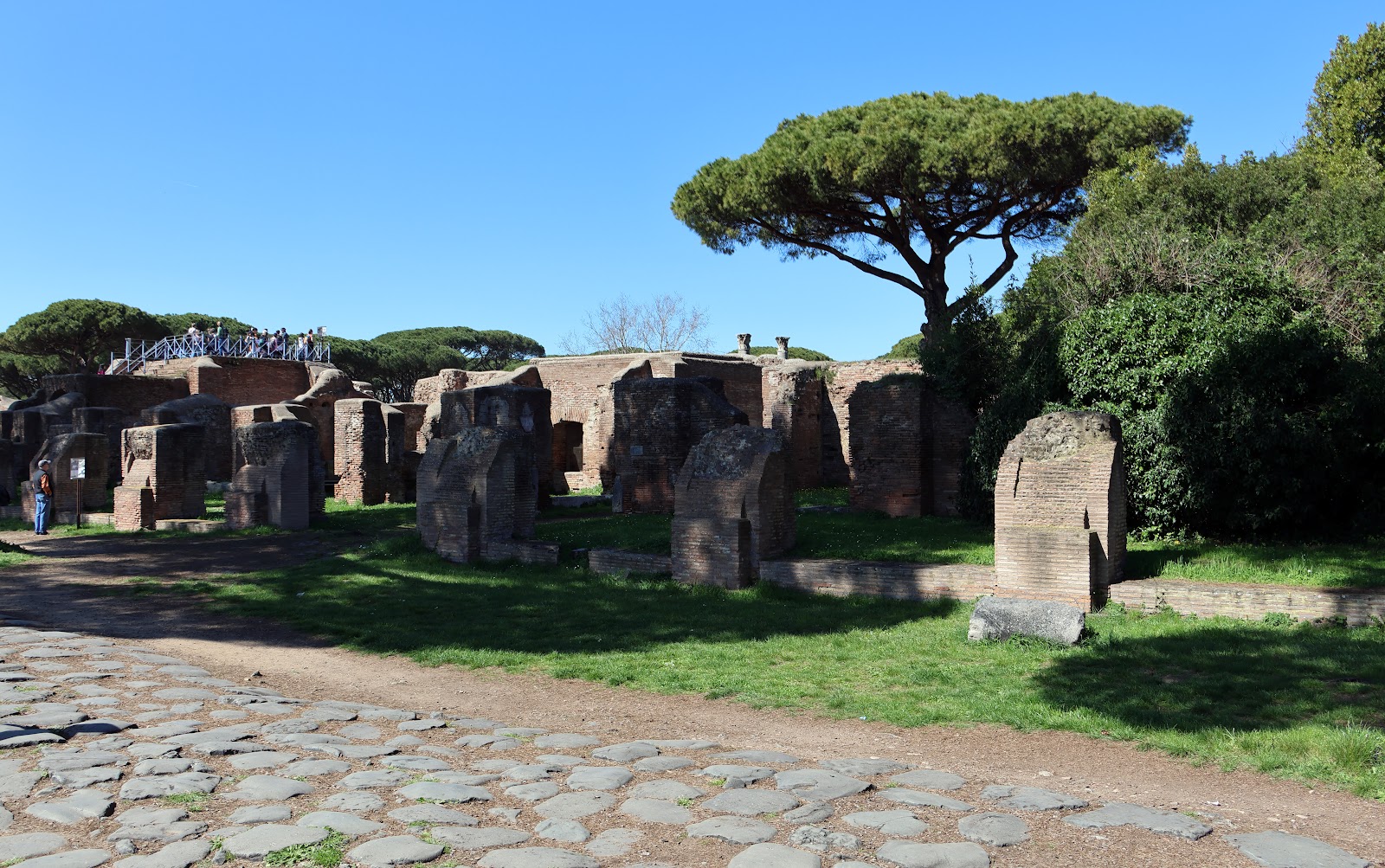
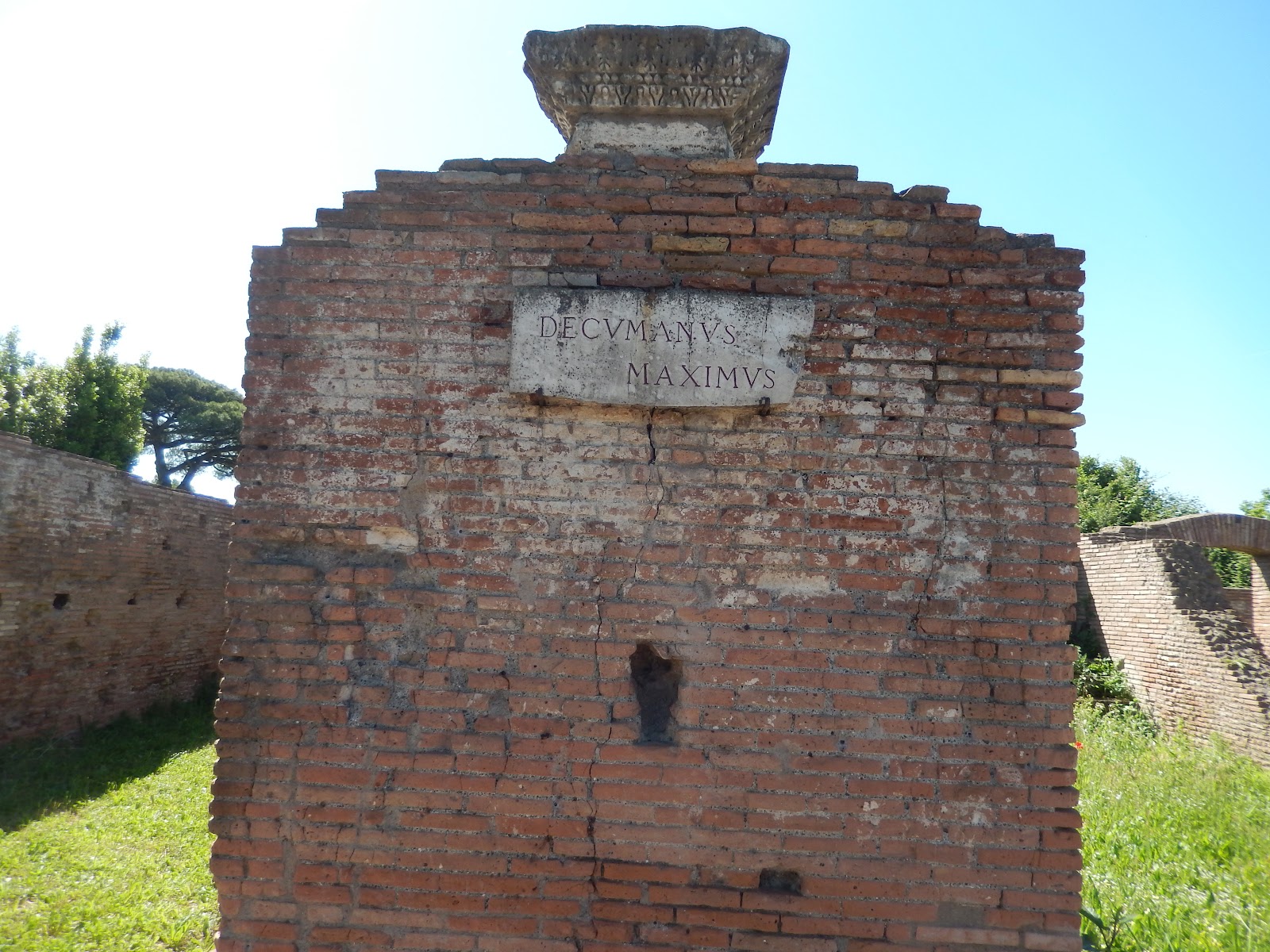
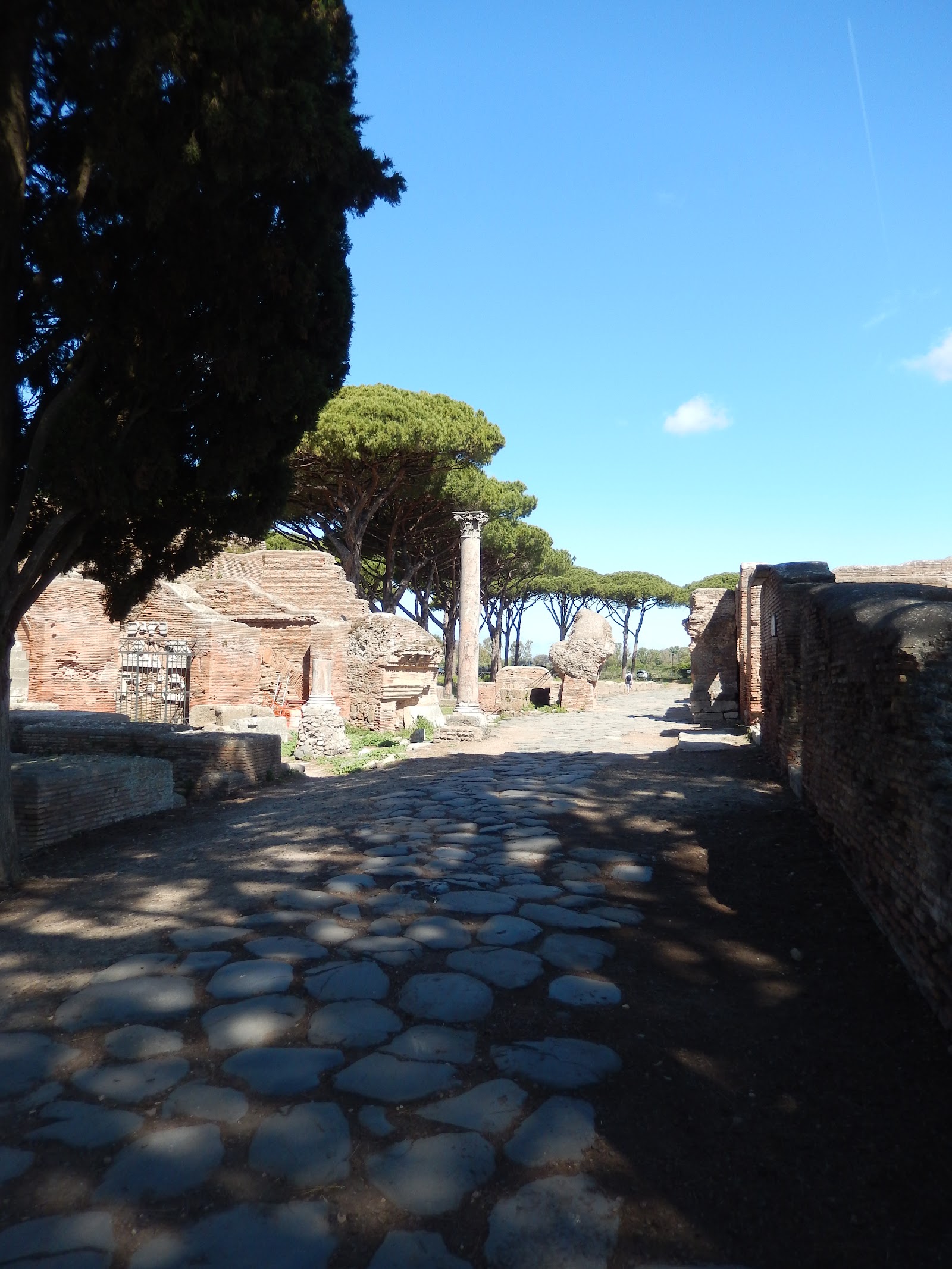
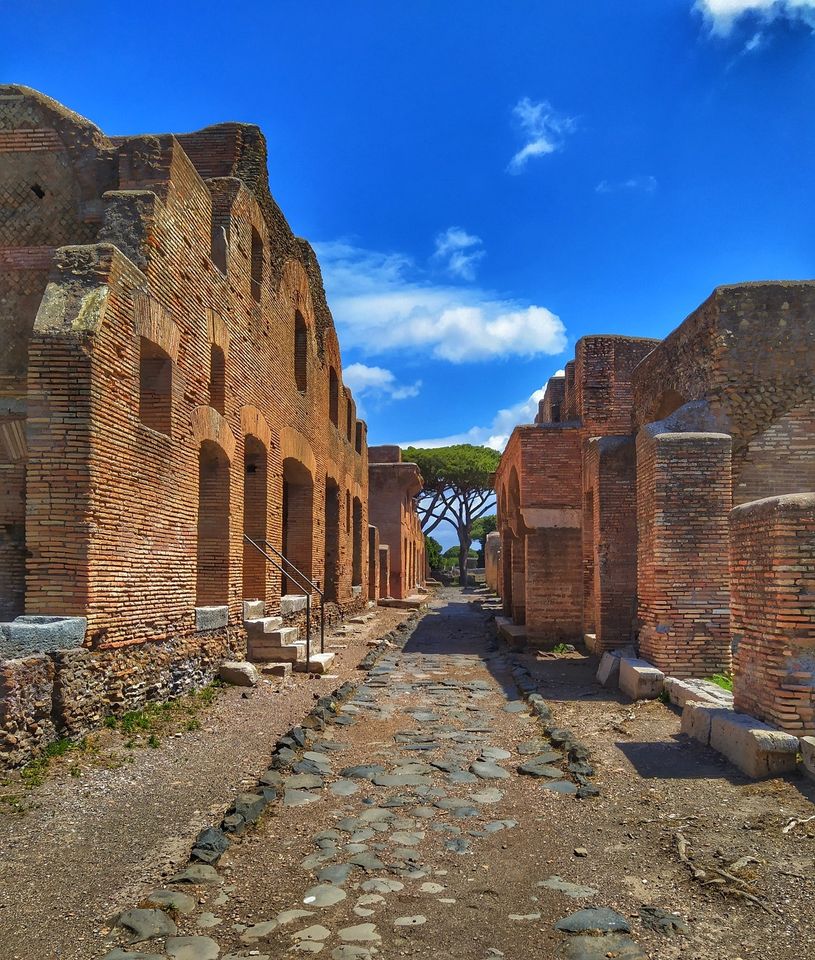
The Decumanus Maximus is simply a street — but walk it end to end and you cover more than a mile of Roman urban life laid bare. Wheel ruts are still pressed into the stone where carts were stopped at Caracalla's triumphal arch, beyond which only foot traffic was permitted into the city center. Temples, guild halls, bathhouses and apartment blocks line the route, their doorways still oriented to catch the passing trade of a port city that once handled the grain supply of Rome itself.
A Hadrian-era fountain survives along the route, its water flowing from a marble oil lamp with seven spouts, ringed by a low railing specifically designed to keep donkeys from drinking there. That detail — practical, specific, human — sets the tone for everything the street has to show you.
💛 What travellers fall for
People who return tend to slow down at the inscribed boundary markers known as the Cippi of Caninius along the eastern stretch — easy to walk past on a first visit. The long Hadrianic portico on the southern side, once a covered run of shops and taverns for 120 metres, is a good place to pause out of the midday sun.
The story behind Decumanus Maximus
Ostia's origins are traced to Ancus Marcius, Rome's fourth king, likely connected to salt-marsh exploitation nearby. The earliest physical evidence — a castrum, a fortified military camp — dates to the 4th century BC, and its rectangular plan established the two axes that would define the city: a north-south cardo and the east-west Decumanus Maximus, which ran as a continuation of the Via Ostiensis all the way back to Rome.
As Ostia grew into Rome's primary port, the Decumanus became the commercial and civic spine of a cosmopolitan city — one that supported 18 Mithraic temples, a Jewish synagogue, and a Christian basilica alongside its guild seats and public baths. Emperor Caracalla later added a triumphal arch across the street near the theatre; the wheel ruts in the paving stones just beyond it record exactly where vehicular traffic was turned back.
Good to know
Take the Roma Lido commuter train from Piramide (Metro B) to Ostia Antica — 30 minutes, €1.50, trains every 10–20 minutes, then a 10-minute walk. The site closes as early as 4:30 pm in winter; ticket office shuts one hour before. Admission is free on the first Sunday of each month. Closed Mondays.
May through October offers the most reliable weather, with temperatures between 21–28°C. Summer visits are perfectly possible but the site has little shade — water and a hat matter more than you'd expect. November is the wettest month by some distance; winter hours are also significantly shorter.
Where is Decumanus Maximus?
More tickets & tours for Decumanus Maximus
Book directly at the provider
What travellers say about Decumanus Maximus
Remains of the pillars of the portico of Neptune, just before arriving at the theatre, which surrounded the complex of the public baths of Neptune, along the decumanus maximus, and therefore one of the most frequented places in the ancient city of Ostia.
As the name suggests, the Portico di Nettuno, or Neptune Porticus, was a monumental facade along the Decumanus. Shops were also located behind it. The structure dates back to the Hadrianic period. Two rows of columns were added later, around 250 AD. Visitors can get a good overview of the size of the Baths of Neptune from the viewing platform.
Very impressive,
More of Ostia Antica
Discover where to stay, what to do and the best deals for your trip.
Explore Ostia Antica →More attractions in Ostia Antica
All of Ostia Antica →

Background adapted from Wikipedia (CC BY-SA) · map data © OpenStreetMap contributors · ratings & place photos via Google · other photos with per-image credit. Ticket links may earn us a commission at no extra cost to you.