
Insula of Diana
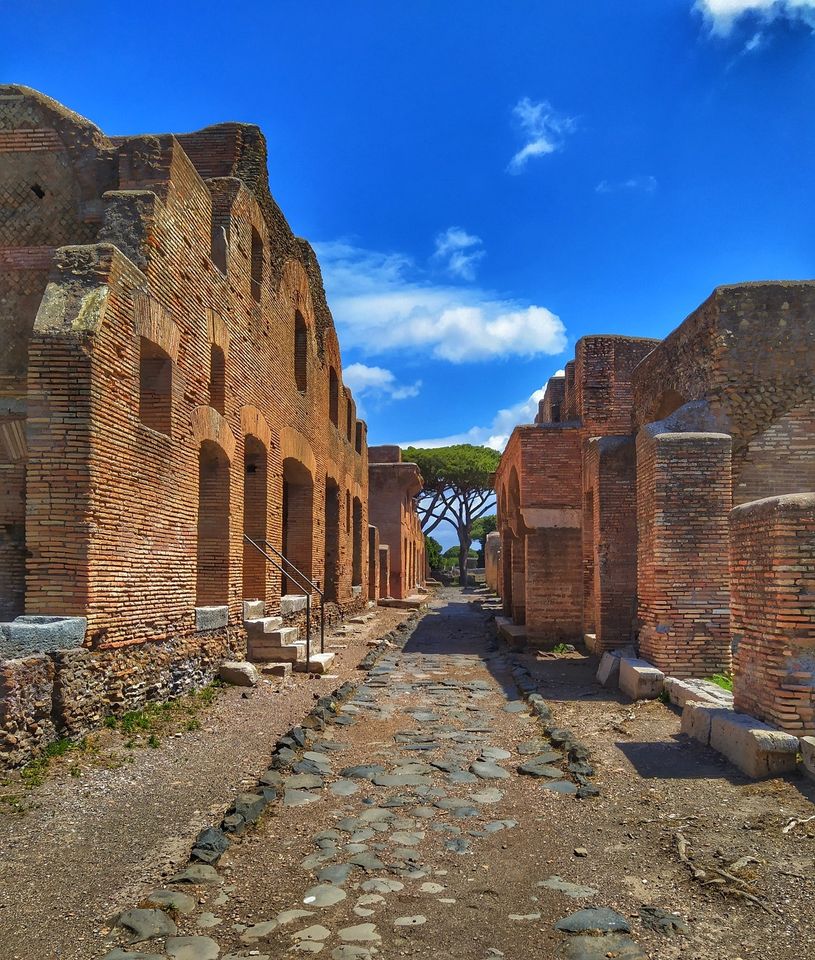
Stand in the courtyard of the Insula of Diana and you are looking at the plumbing. A marble basin still sits where it always did, fed by lead pipes that ran from the street — a private fountain in the middle of a four-storey apartment block built around 150 AD, when Ostia Antica was a working port city and most of its residents were not wealthy.
This was ordinary Roman life at scale: ground-floor shops with back rooms, upper floors of rented apartments, a Mithraeum tucked into the north-east corner by the late second or early third century. Archaeologists named the building after a small terracotta relief of Diana — 52 centimetres square — found on the west wall during excavations in 1914.
💛 What travellers fall for
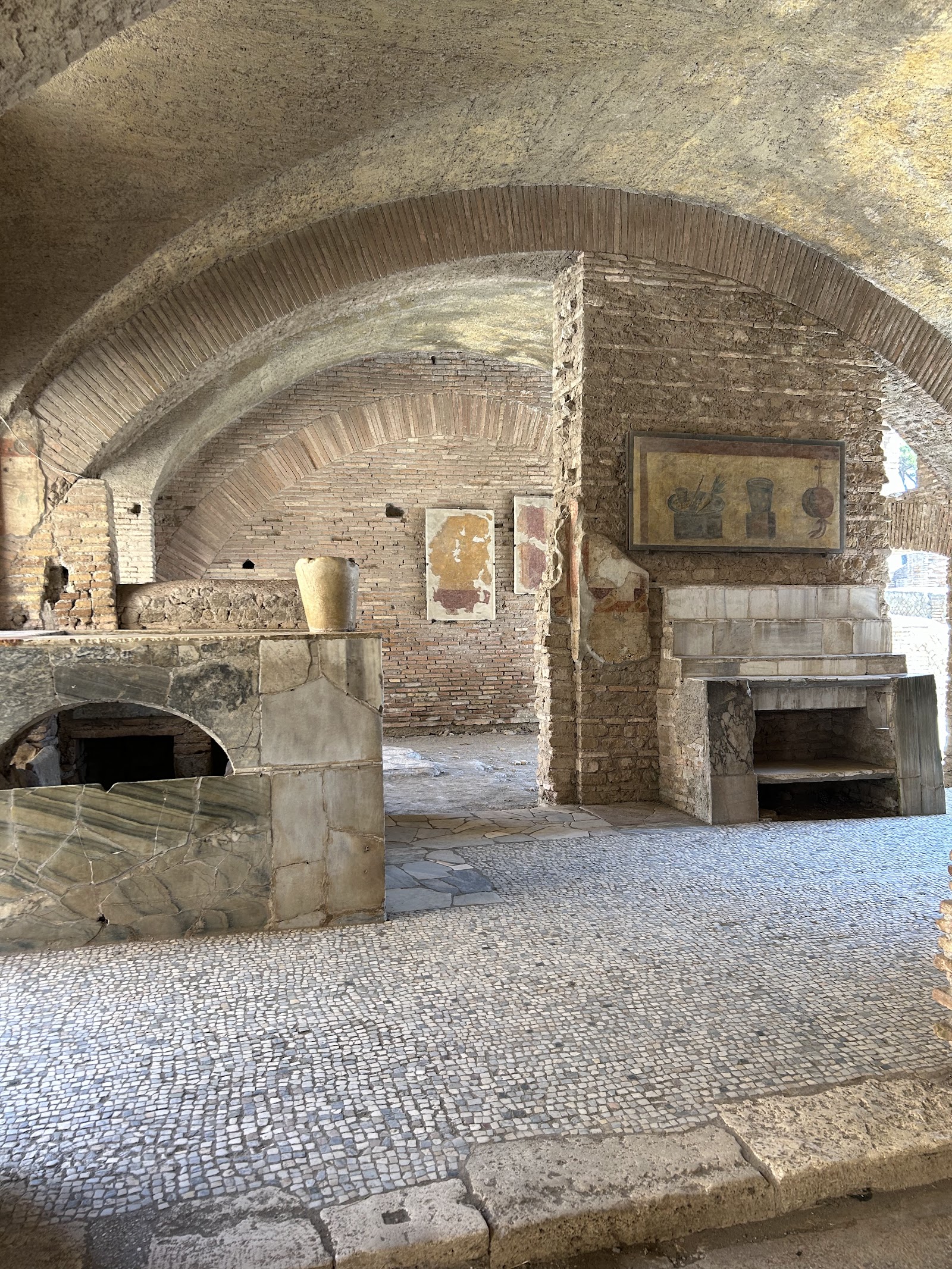
People who come back tend to go straight for the courtyard fountain, then work their way into the Mithraeum in the north-east corner — two rooms with raised podia on either side and an older geometric mosaic still visible underneath. The ground-floor level, sitting higher than both Via dei Balconi and Via di Diana, rewards a slow walk around the exterior to understand how the block once met the street.
The story behind Insula of Diana
The building dates to the Antonine period, traditionally placed around 150 AD based on its yellow brick construction. Early excavations by Guido Calza between 1914 and 1916 established the basic record, including the discovery of the Diana relief that gave the insula its name. Later work between 1994 and 1997 by Alfredo Marinucci complicated the picture, with Hadrianic brick stamps suggesting an earlier first phase — though the full chronology remains under discussion.
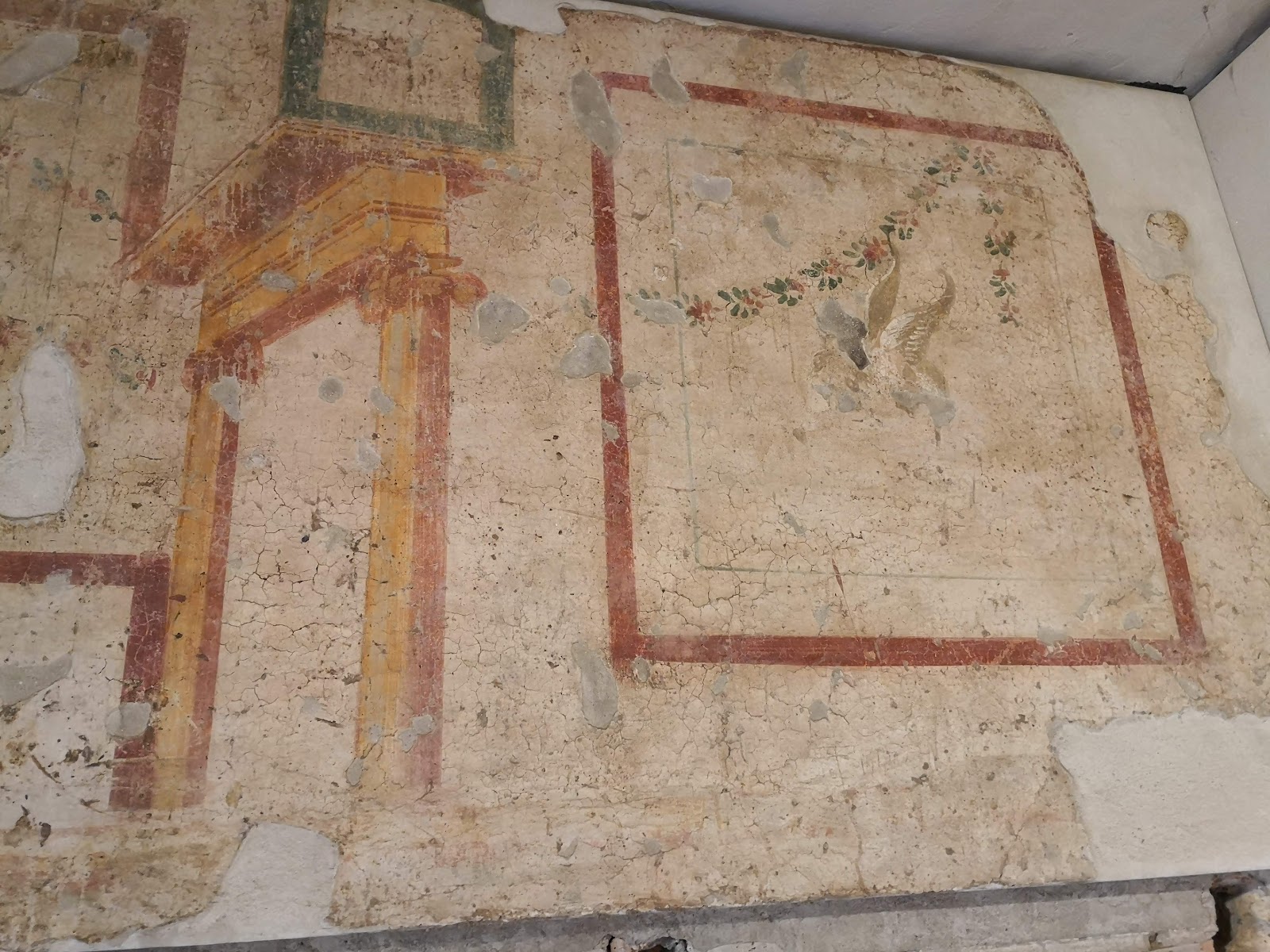
A 2024 study by Grégory Mainet identified a significant building phase in the late second to early third century AD. The Mithraeum installed in two of the north-east rooms belongs to this later period, its podia constructed over an existing geometric mosaic that survives in fragments beneath.
Good to know
The Insula sits inside the Ostia Antica Archaeological Park. Reach it via Metro Line B to Piramide, then the Roma Lido commuter train — roughly 26 minutes, departing every 30 minutes from Porta San Paolo. Entry is free on the first Sunday of each month; the ticket is valid for eight days across the whole park. The site is closed Mondays.
Spring and early autumn are the most comfortable seasons to visit — mild temperatures and manageable crowds. Summer days regularly reach 30°C or above, and the site offers little shade, so an early start, water, and a hat matter. The park shifts to afternoon-only hours (from 1:30 p.m.) in high summer, which is worth checking before you plan the day. Winter is cool and can be wet, but the ruins are quieter and the light is often good.
Where is Insula of Diana?
More tickets & tours for Insula of Diana
Book directly at the provider
What travellers say about Insula of Diana
This spot gives a strong sense of daily life in this community’s history.
El edificio original posiblemente tenía cinco pisos y tenia tiendas en la calle. Construido en época de Adriano. Articulado en torno a un patio central porticado, sufrió importantes cambios a lo largo del tiempo.
Beautiful
THIS MULTI-STORY BUILDING WAS BUILT IN THE TIME OF HADRIAN! OVER TIME IT HAS UNDERGONE SEVERAL MODIFICATIONS BUT THE SHOPS HAVE ALWAYS BEEN AT STREET LEVEL
Gorgeous.
More of Ostia Antica
Discover where to stay, what to do and the best deals for your trip.
Explore Ostia Antica →More attractions in Ostia Antica
All of Ostia Antica →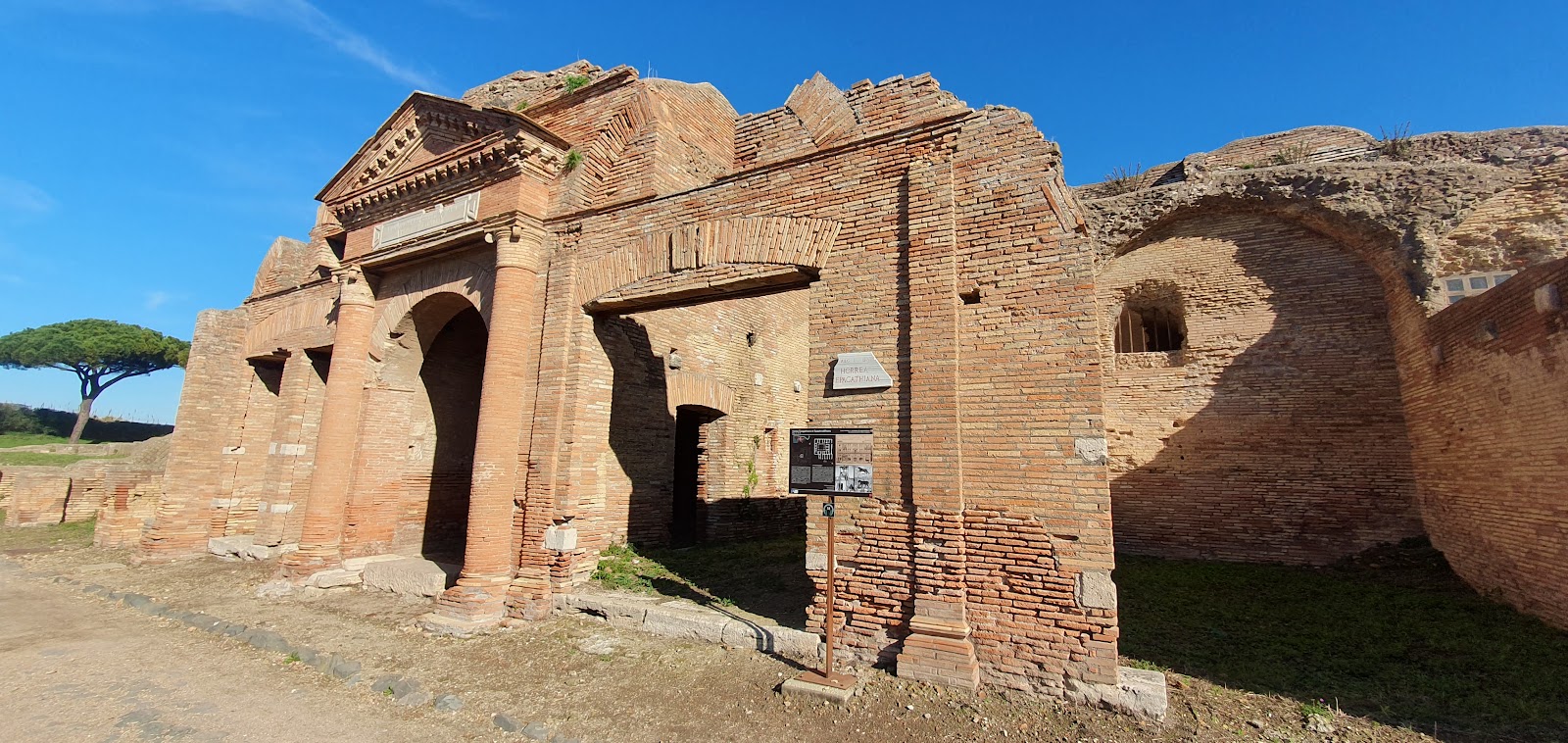


Background adapted from Wikipedia (CC BY-SA) · map data © OpenStreetMap contributors · ratings & place photos via Google · other photos with per-image credit. Ticket links may earn us a commission at no extra cost to you.