
Cholet
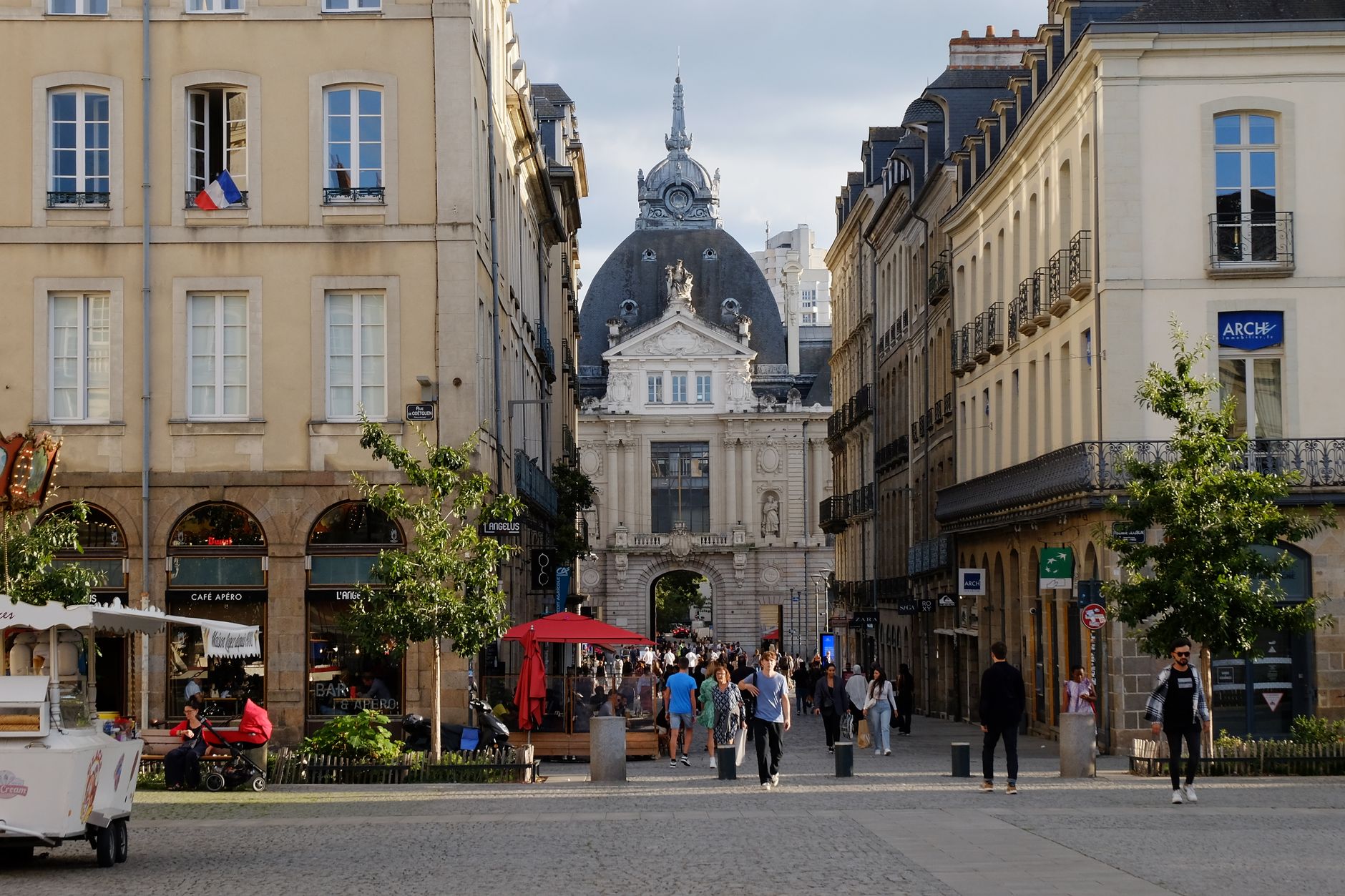



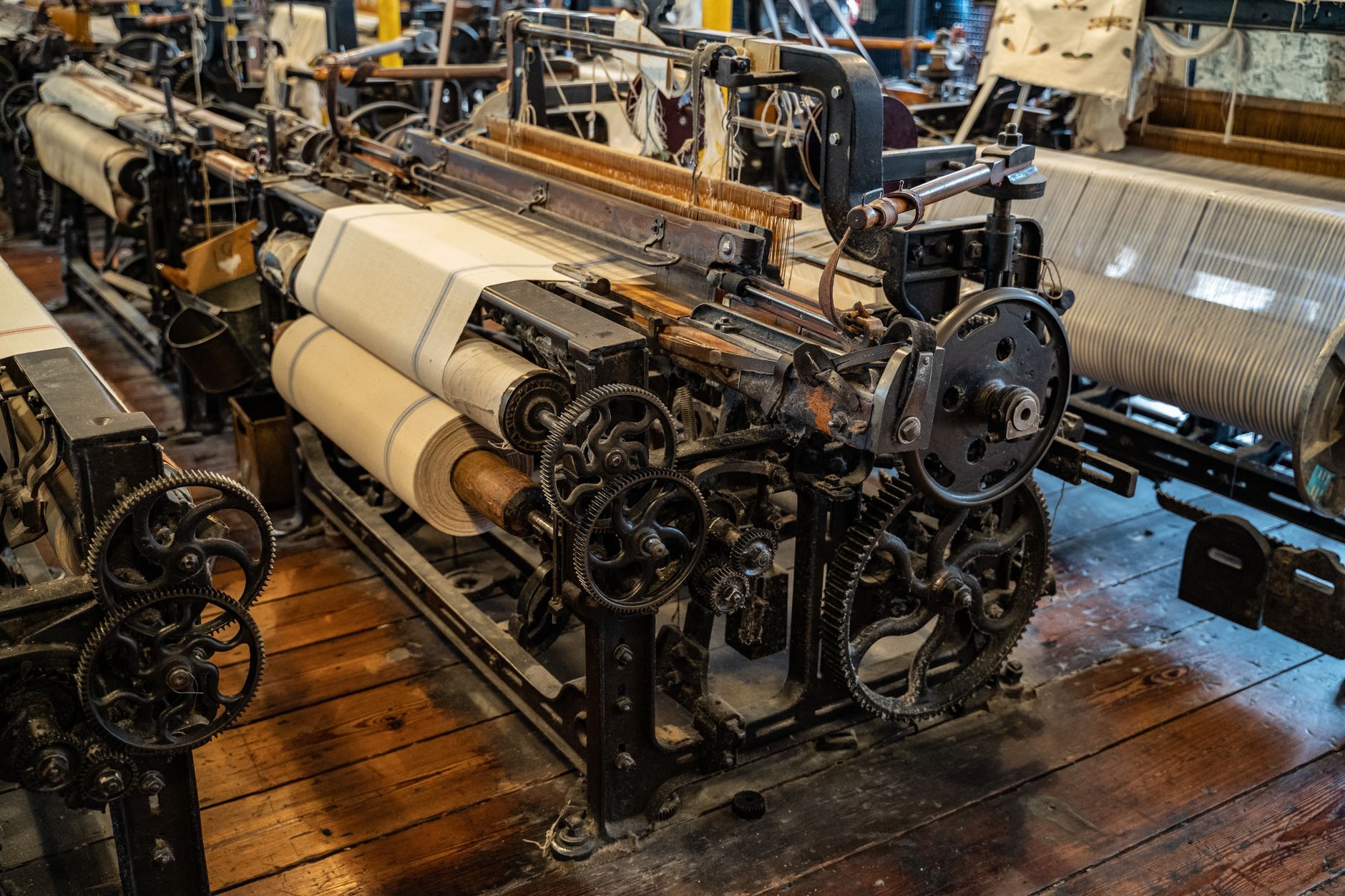
Cholet announces itself through a single object: a red cotton handkerchief. It sounds like a footnote, but it is the whole story. This city in the Maine-et-Loire built its identity on linen and then cotton, bleaching cloth in its meadows long before the railway arrived in 1866 and turned a regional trade into an industrial fact.
Today the red handkerchief is still made here, the twin Neo-Gothic spires of Notre-Dame still read against the sky from most angles, and the geometric light works of François Morellet — who spent his entire life in Cholet while the world's great museums collected his art — feel quietly astonishing when you remember he was also running a family factory.
💛 What travellers fall for
People who return tend to make a point of Place Travot on a slow morning, with the Notre-Dame facade catching the early light, before the square fills up. The Textile Museum in the old laundry is shorter than you expect and more interesting — give it an hour. The carillon at Sacré-Cœur, silent for six decades before it rang again, is worth timing your afternoon around.
Experiences you don't want to miss


Deals in Cholet
Book directly at the provider
How Cholet came to be
The name Cholet likely traces back to the Latin cauletum — a field of cabbages — and the town appears in records from the 11th century, when Notre-Dame began as a priory. For centuries it was a linen town, quiet and productive, shaped in part by the marquess Gabriel-François de Rougé, who developed its economy.
Then 1793 arrived. Cholet sat at the centre of the Vendée counter-revolution, and the Battle of Cholet that October left the republicans victorious and the town in ruins — 60 to 70 percent destroyed, roughly 5,000 people killed or missing from a population of around 8,400. What was rebuilt grew harder and more industrial, and when the railway came in 1866 — locals called it the Star of Cholet — the cotton trade that followed cemented the city's place as the textile capital of the region.
Who and what shaped it
People who shaped it
Landmark buildings
See Cholet in motion
Plan your visit
On the map
When to go
Summers are mild and genuinely sunny, peaking around 26°C in August with over seven hours of daylight sun. Winters are cool and grey, with January offering barely two hours of sun on an average day — fine for indoor museums, less so for reading the city's rooflines.
Right now
Background & history adapted from Wikipedia (CC BY-SA) · specs from Wikidata (CC0) · weather from Open-Meteo · map data © OpenStreetMap contributors · photos from Wikimedia Commons / Unsplash with per-image credit. No third-party reviews or social posts reproduced.