
Chiesa di Santa Rosa
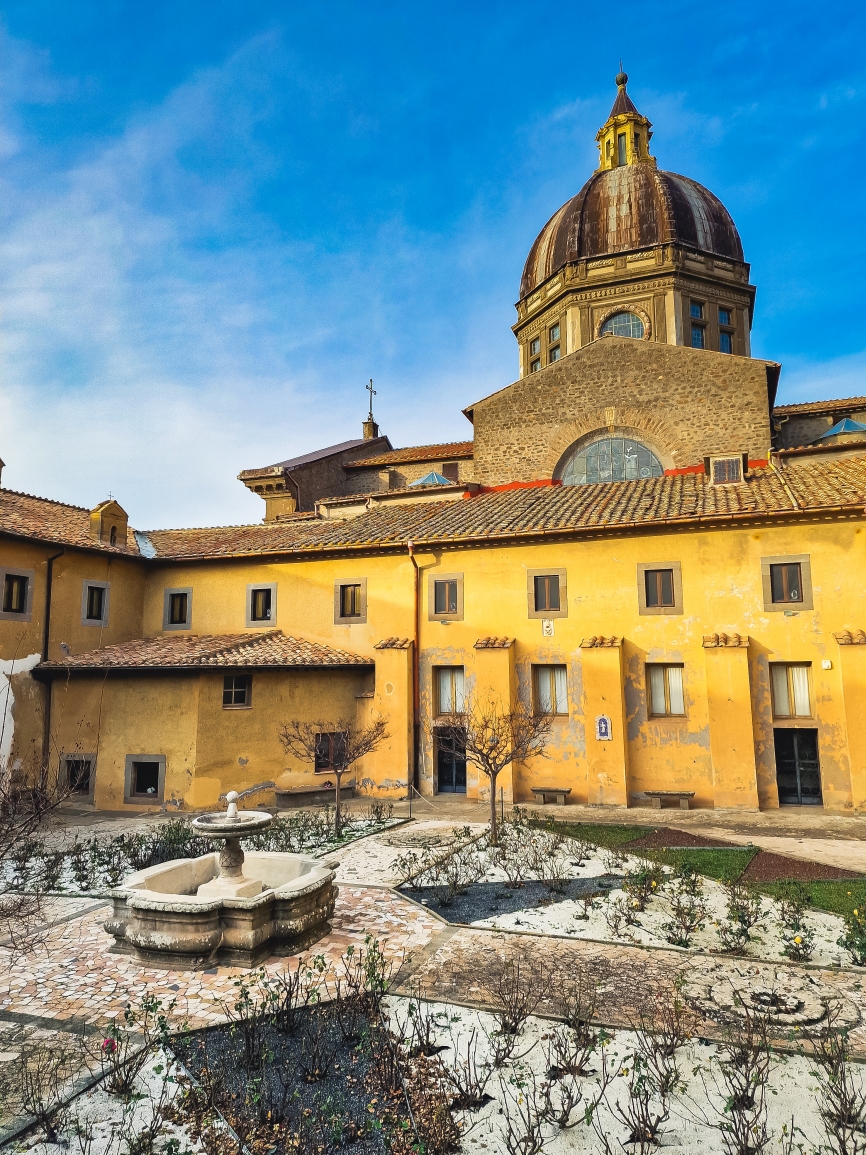
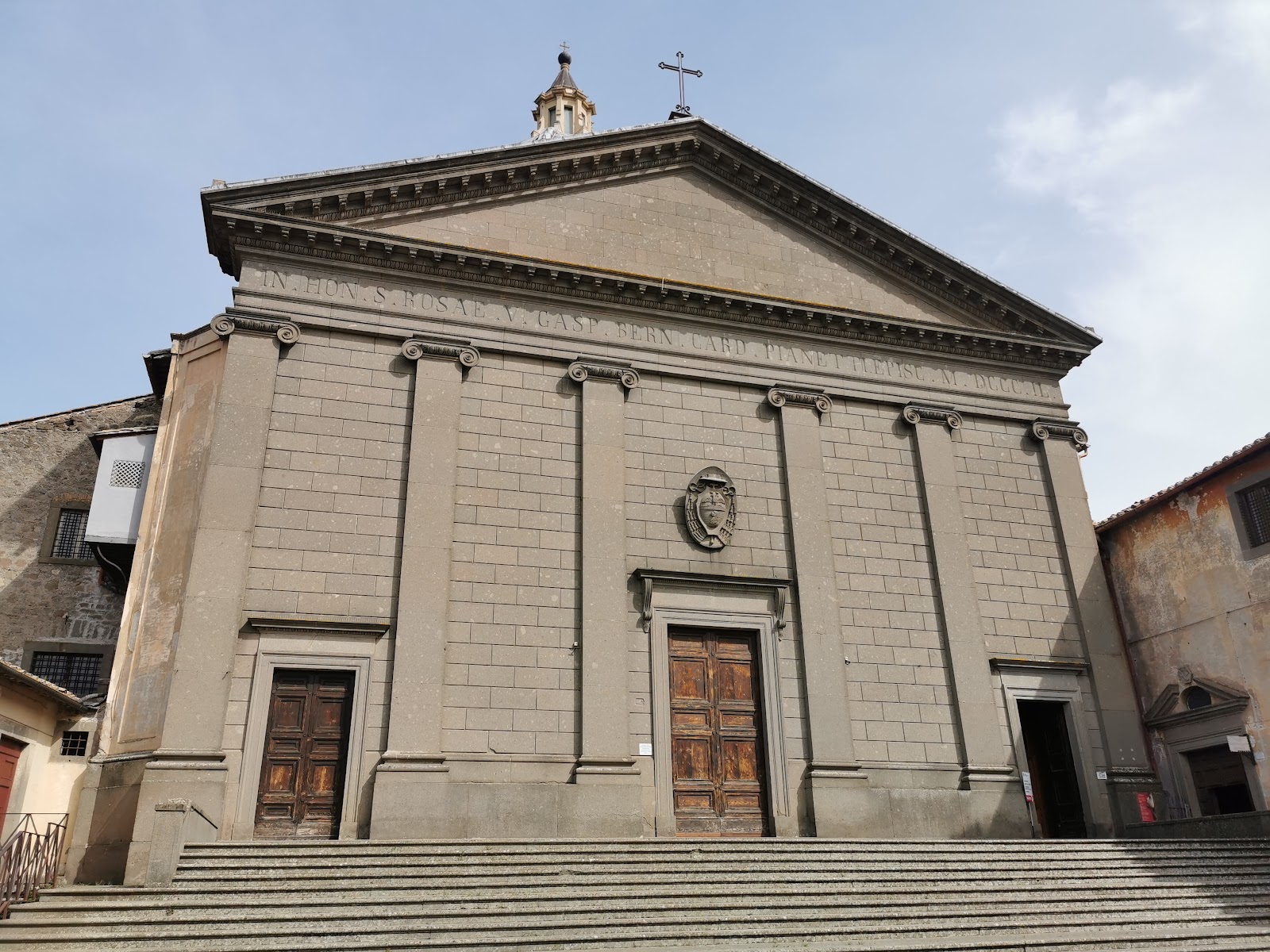
The sfogliatella you find all over Naples — that flaky, shell-shaped pastry filled with ricotta and candied fruit — was invented here, in this convent kitchen, by Dominican nuns who needed a way to use up semolina soaked in liqueur. That detail alone earns the climb up to the rocky promontory where Chiesa di Santa Rosa stands at the entrance to Conca dei Marini, its bell tower a deliberate echo of Amalfi Cathedral across the water.
The church's exterior is plainly monastic, but step inside and the Baroque asserts itself: six side chapels, a gilded curved grate in the choir above the entrance where cloistered nuns could attend Mass without being seen, and a confessional booth with a grate through which a priest heard confession from women he was never permitted to look at.
💛 What travellers fall for
People who make it inside mention the confessional booth first — that small, screened compartment on the left where the geometry of clausura becomes suddenly physical. Summer afternoon visits catch the light best; the church also hosts concerts in July and August, when the acoustics of those barrel-vaulted ceilings get properly used.
The story behind Chiesa di Santa Rosa
The land has a longer ecclesiastical history than the current building suggests. A church was donated to Conca dei Marini in 1539 by the Archbishop of Amalfi, Giovanni Ferdinando Annio, and passed to Suor Maria Pandolfo. It was she — a member of the noble Scalese family, whose roots in Conca stretched back to the 1500s — who laid the first stone of the convent on June 17, 1680, and formally founded it in 1681 with a community of Dominican nuns living under strict enclosure.
The community survived for over two centuries before suppression drained it of members. The last nun died in 1912, bequeathing the entire property to the commune. A Roman hotelier named Marcucci converted it into a hotel in 1924; the current owner, Bianca Sharma, purchased the complex in 2000 and completed a decade-long restoration that reopened it in 2012 as a luxury hotel with a Michelin-starred restaurant in what was once the refectory.
Good to know
Access is by appointment through Conca Town Hall, or simply show up on a summer afternoon when the church opens regularly; weekends only in autumn and winter. The convent buildings are a private hotel and not open to visitors. SITA buses connect from Amalfi and Positano along the SS 163.
Where is Chiesa di Santa Rosa?
More tickets & tours for Chiesa di Santa Rosa
Book directly at the provider
What travellers say about Chiesa di Santa Rosa
Free to enter, a lot of info on the Santa Maria processions and art
Santa toss body without embalmed conserve like this the church located in viterbo Lazio Italy
Holy place
I have mixed feelings about a dead person being put on display for centuries. I acknowledge that I was one such visitor but actually, I naively wasnt expecting her remains to be on view..I thought it was a coffin or urn. A bit macabre, and a lot of other remains or partial remains also displayed within the sanctuary. On the other hand, the Nuns clearly take great care of it all and it is rather incredible the preservation. The church is closed for renovations. The Sanctuary is to the exterior right side of the church. The faith within the town is clear, based on the annual parade and the amount of porter volunteers. An unusual tradition, which along with the architecture and beautiful feel to this town also remains preserved.
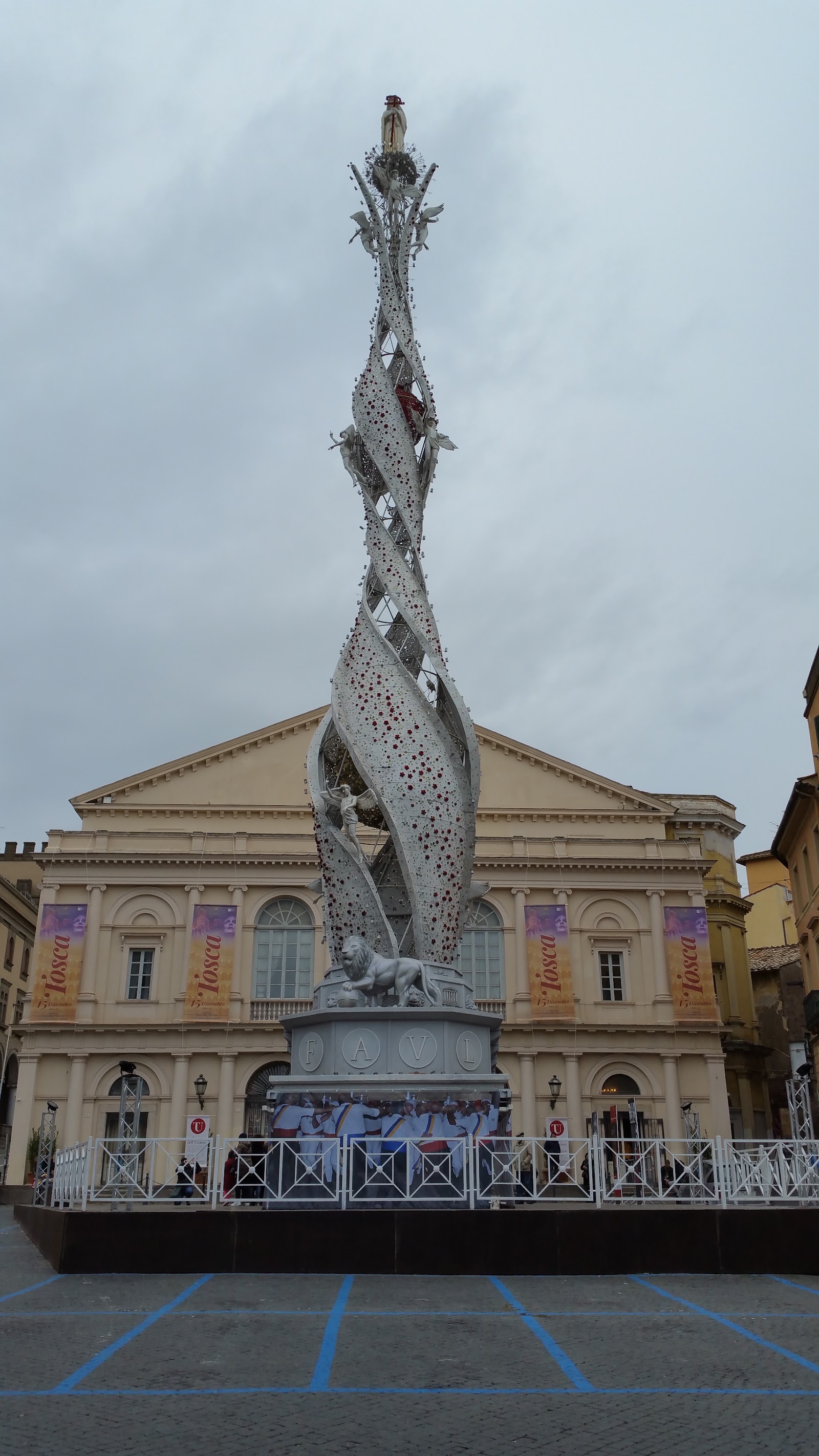
A unique museum, dedicated to a saint from the late 13th century, whose body and heart are still present today. The first part of the exhibition focuses on her life, including the miracles that made her famous and beloved by her fellow citizens. Noteworthy are the votive offerings in paintings from the 17th and 18th centuries. Numerous commemorations of papal visits, from the year after her death in 1251 to the present day, are on display, including that of John Paul II, well documented. Along the way, visitors pass through a room with frescoes from the 15th and 16th centuries, illustrating scenes from her life. Some rooms contain tools from the daily life of the cloistered nuns who physically preserved her mementos. At the end of the exhibition, visitors enter a mezzanine where everything related to the exposition of her body on the day of celebration, September 3rd, is displayed. This is the structure that transports the shrine through the city, a mighty machine approximately 30 meters high and weighing 5 tons.
More of Conca dei Marini
Discover where to stay, what to do and the best deals for your trip.
Explore Conca dei Marini →More attractions in Conca dei Marini
All of Conca dei Marini →
Background adapted from Wikipedia (CC BY-SA) · map data © OpenStreetMap contributors · ratings & place photos via Google · other photos with per-image credit. Ticket links may earn us a commission at no extra cost to you.