
Conca dei Marini
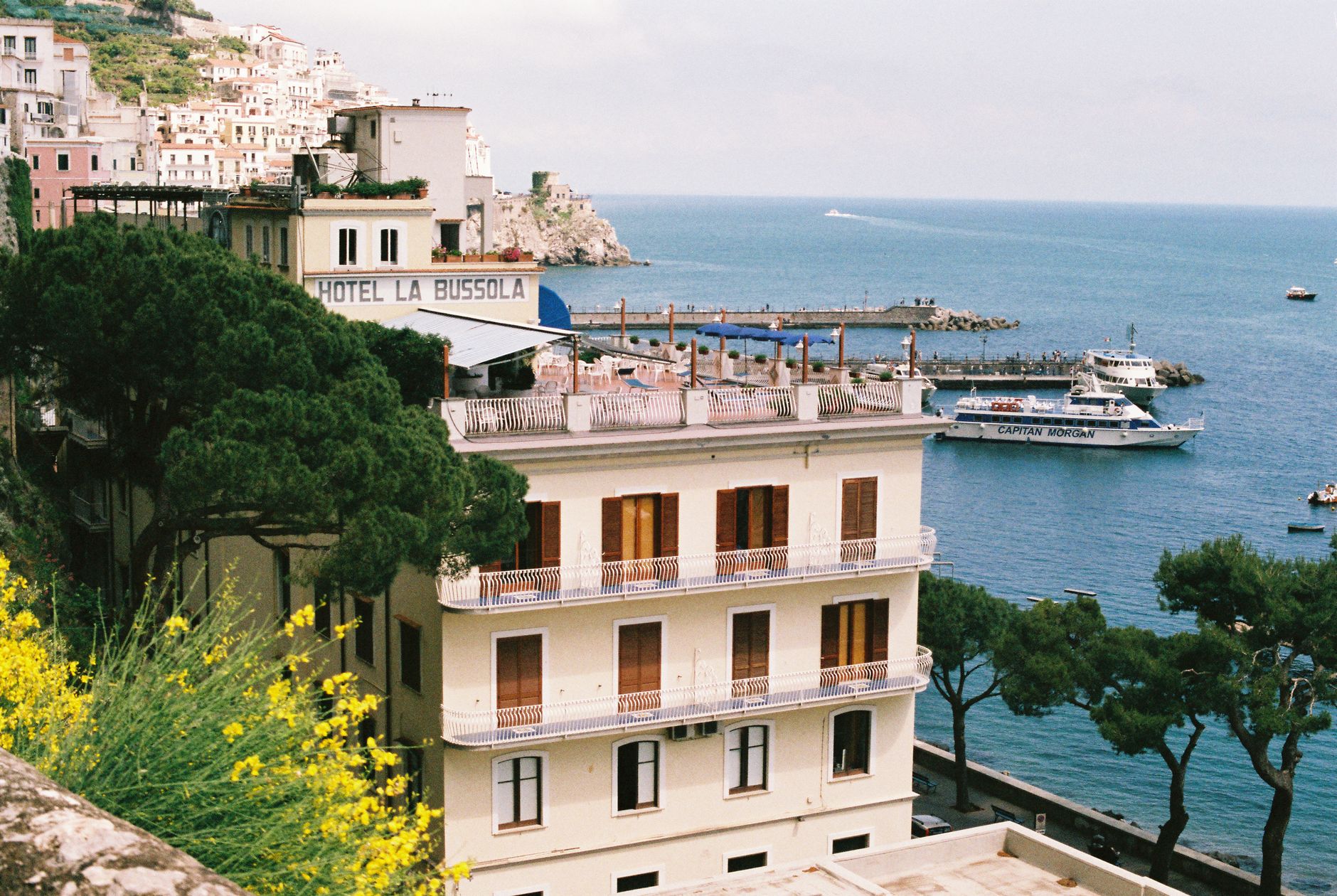
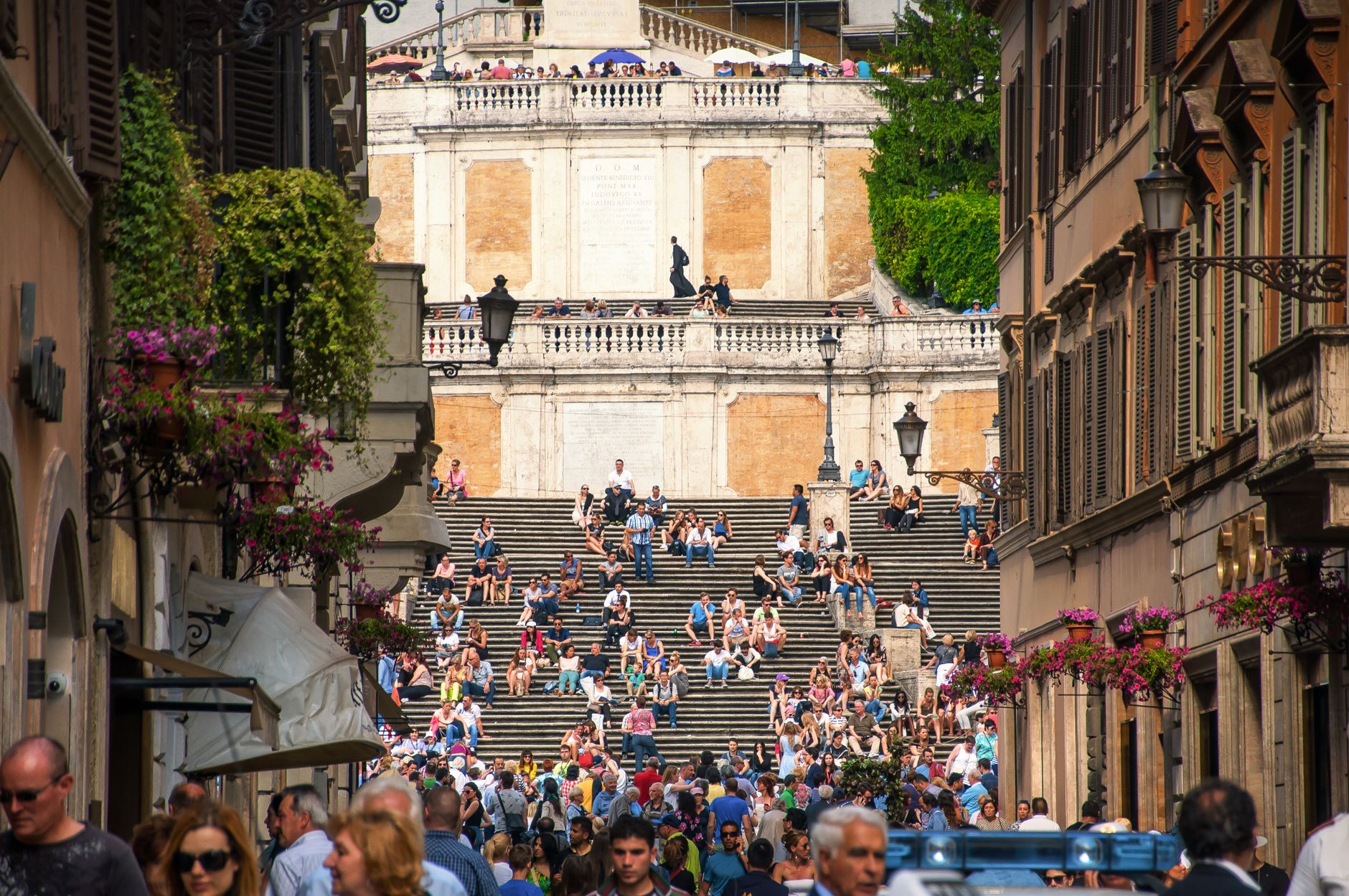
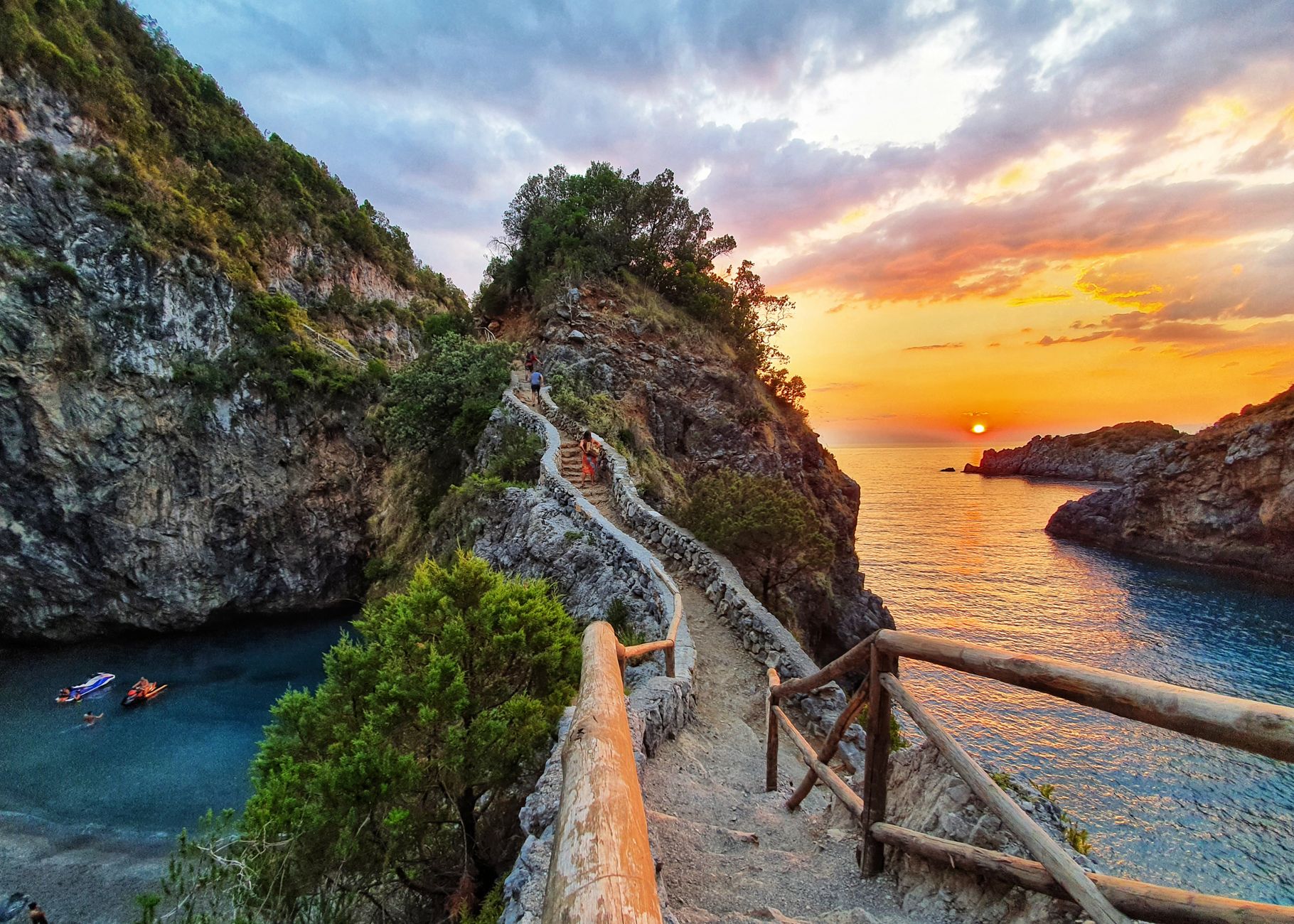
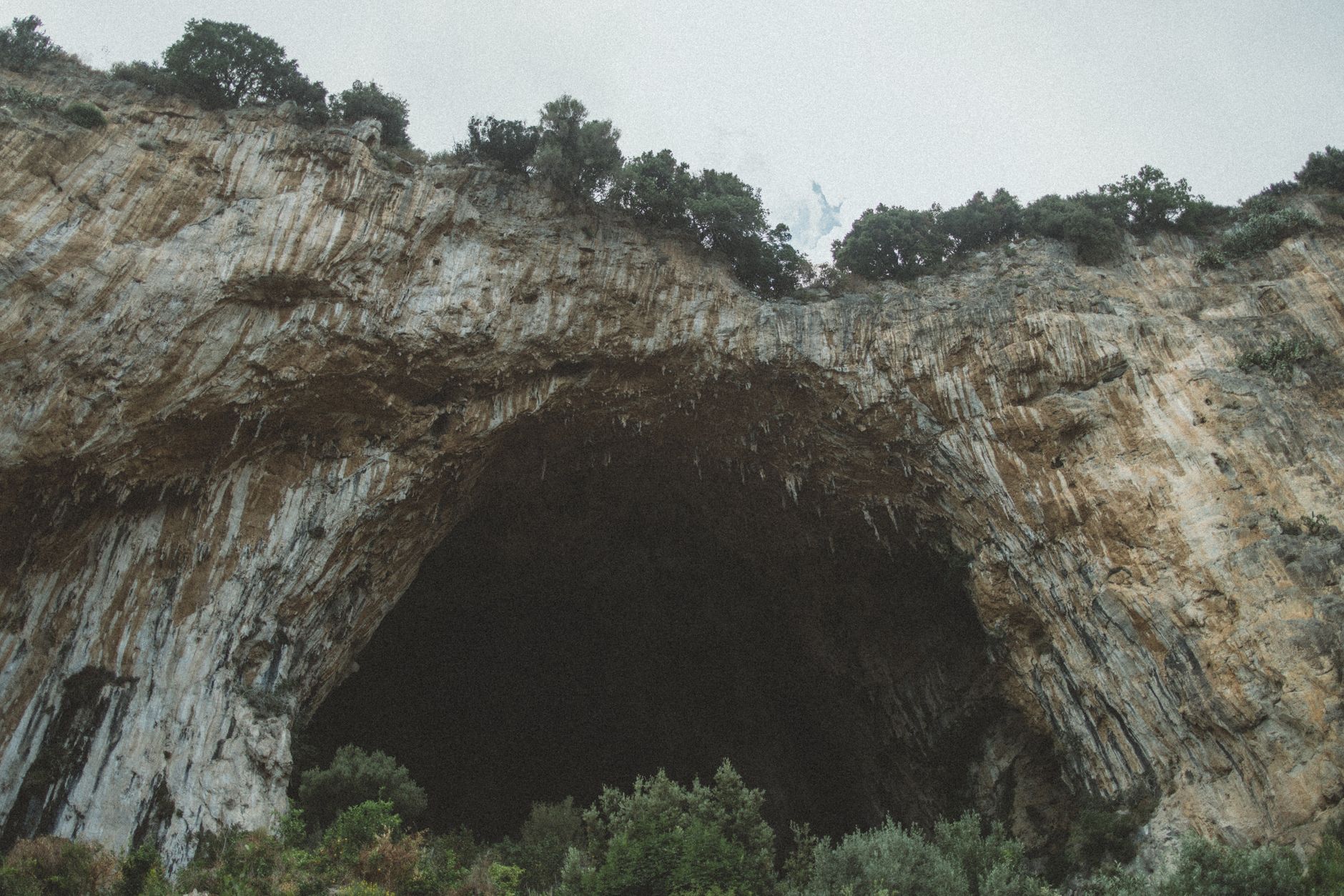
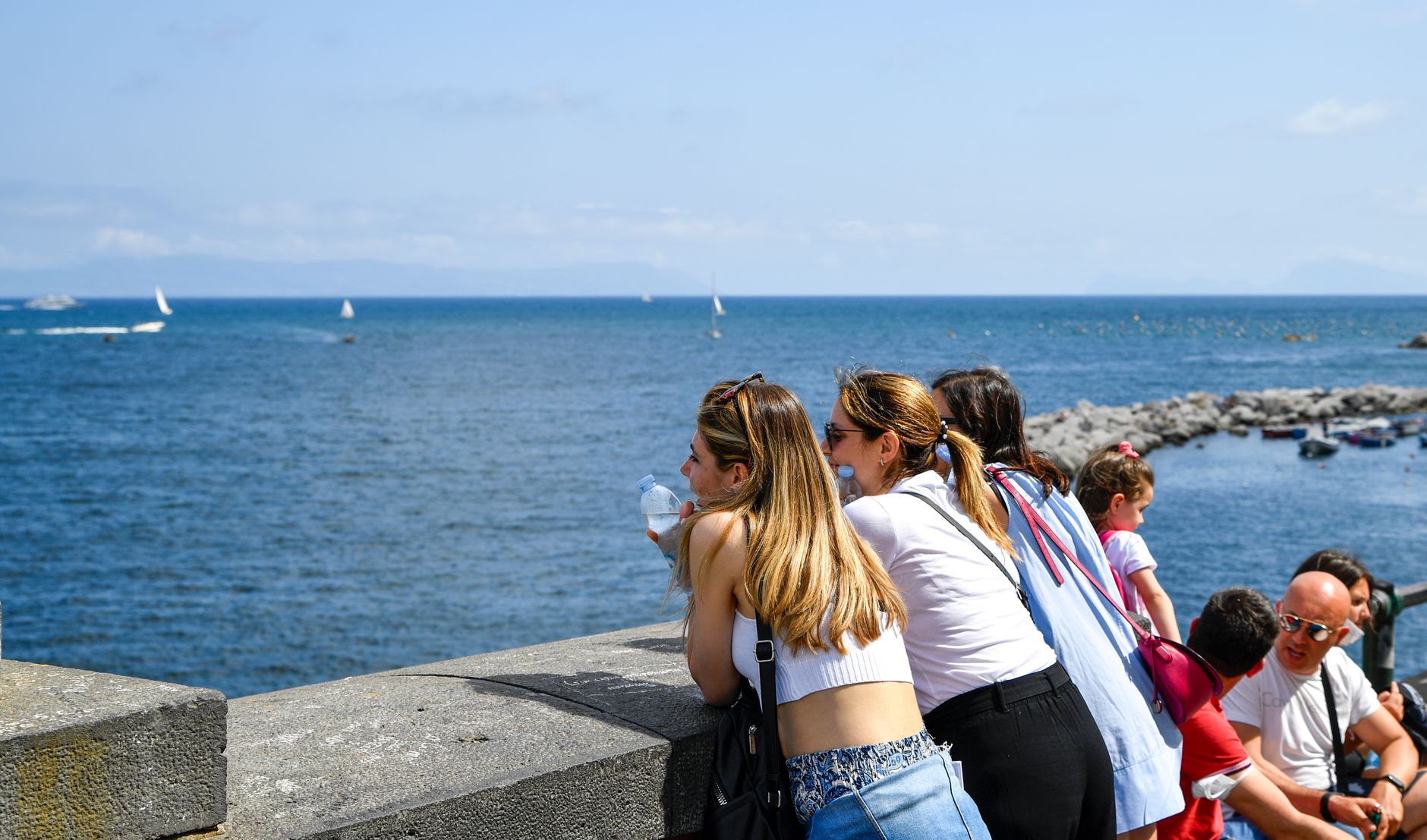
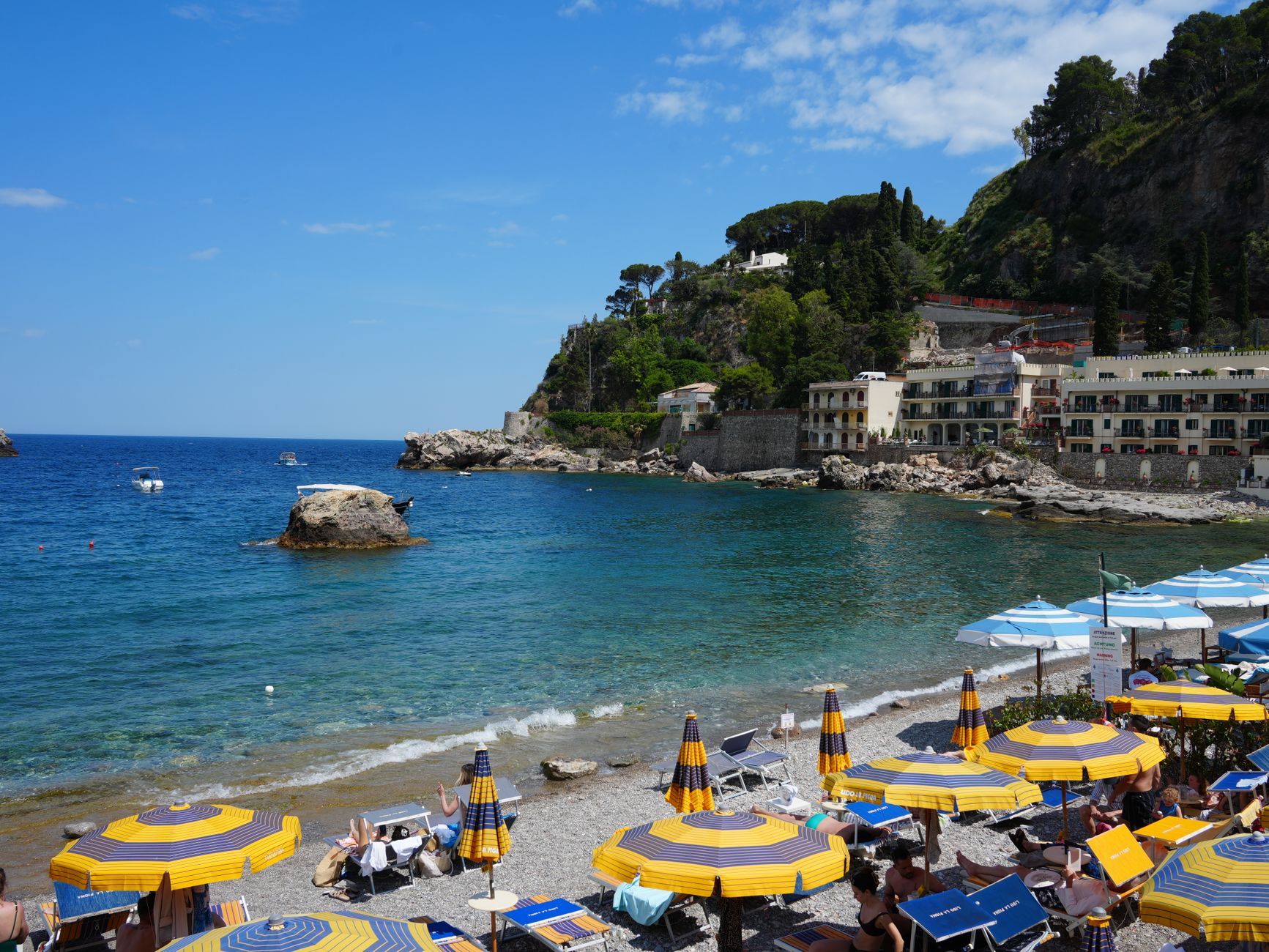
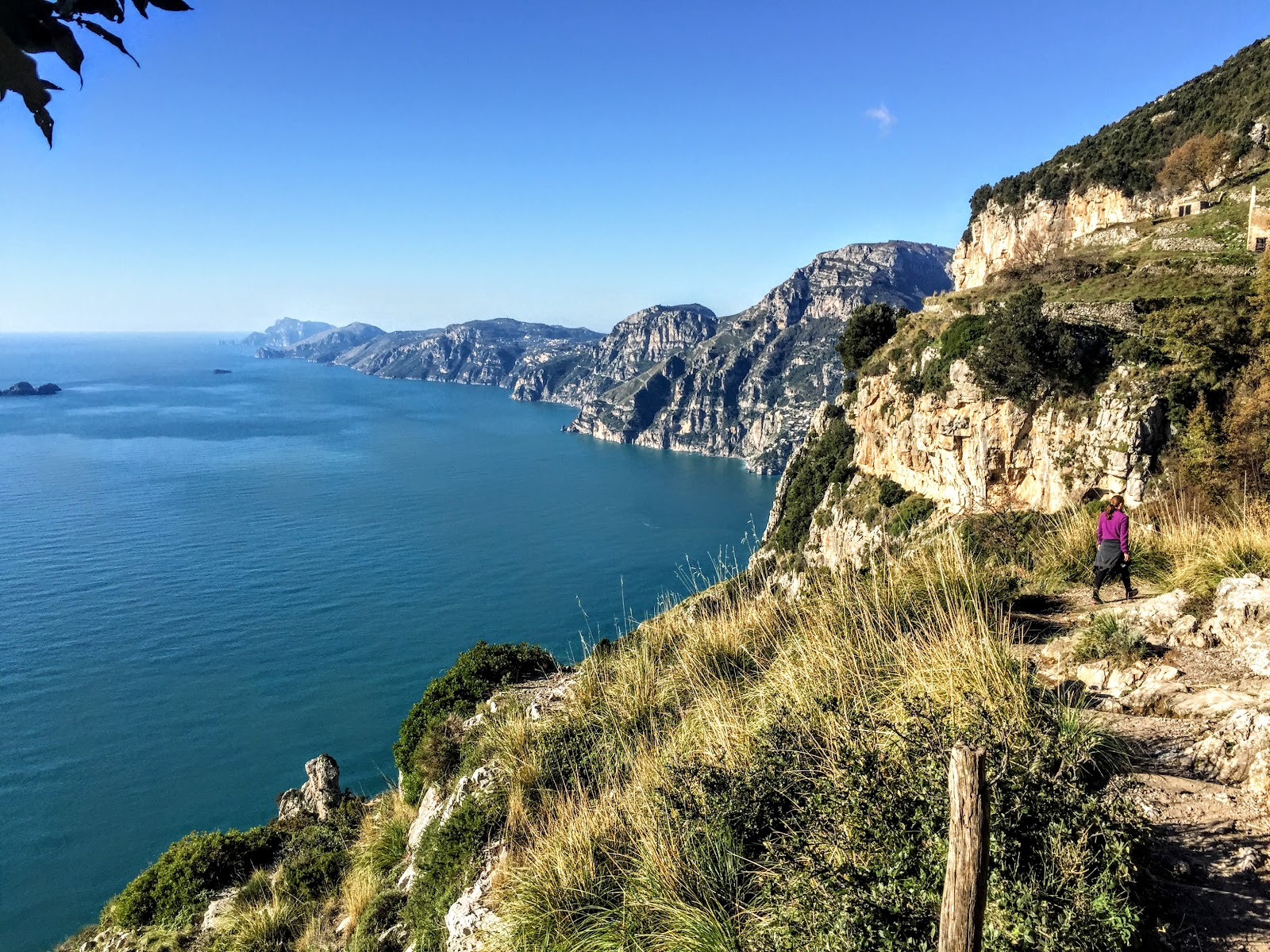
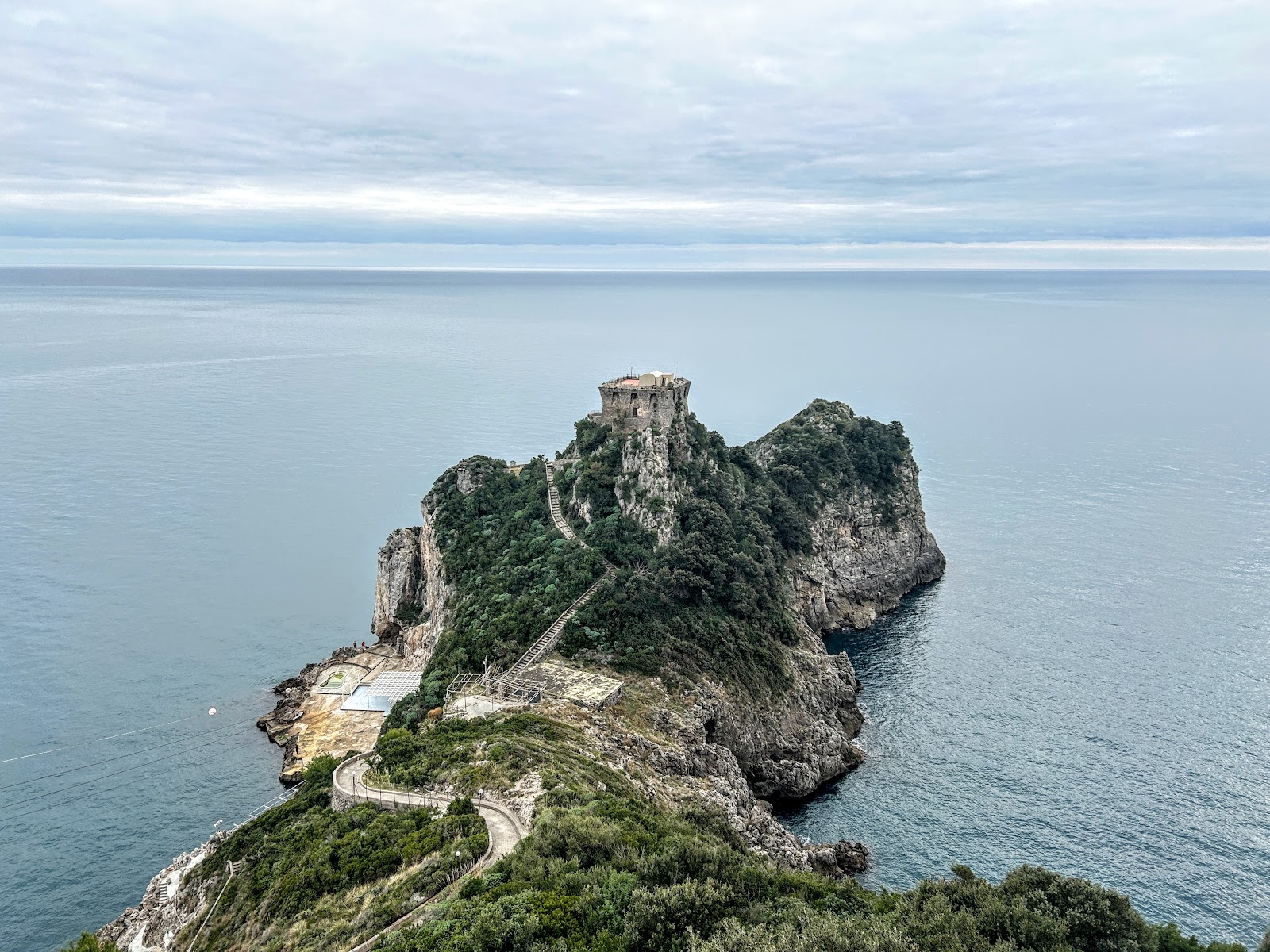
Conca dei Marini sits in a natural rock basin along the SS 163, a few hundred inhabitants tucked between cliffs and sea, close enough to Amalfi to reach in minutes yet separate enough that the tour buses rarely stop. The town is small in the way that makes you notice things: the majolica bell tower of San Giovanni Battista catching afternoon light, the Saracen watchtower on the Capo di Conca promontory standing exactly where it was built in 1563.
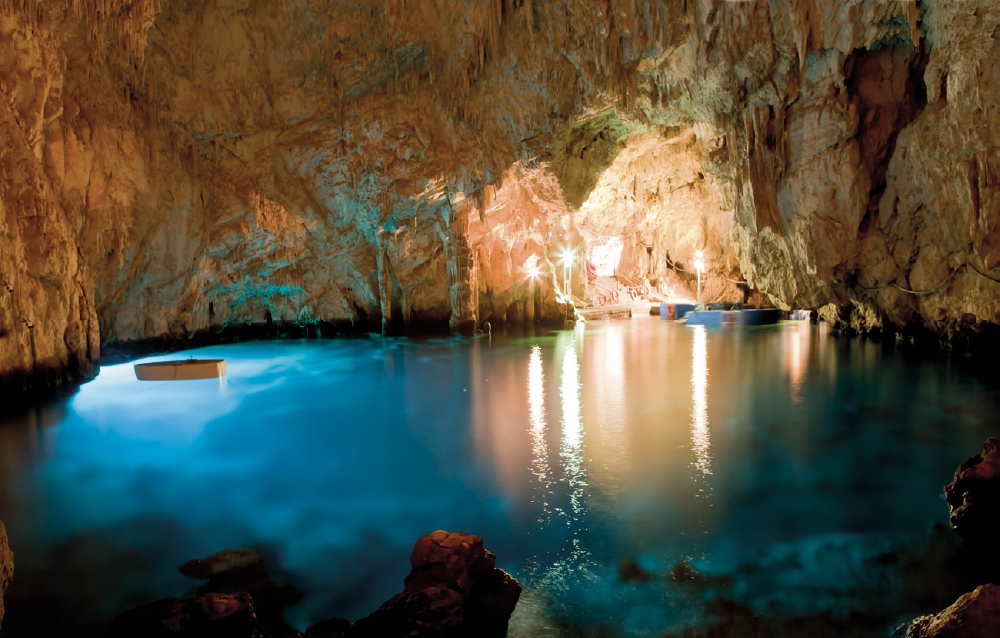
Underground, a karst cave called the Grotta dello Smeraldo turns seawater a particular shade of green — sunlight enters through a submerged gap and does the rest. Below the surface, ceramic nativity figures have sat since 1956, and every Christmas divers bring the Infant Jesus down with flowers.
💛 What travellers fall for
People who come back tend to say the same thing: go to the Grotta dello Smeraldo before noon, when the light through the submarine entrance is at its sharpest. Bring cash — the entry fee is paid on-site. And find the Convent of Santa Rosa, whose nuns invented the sfogliatella Santa Rosa in the 17th century, the pastry that eventually became Naples' own.
Experiences you don't want to miss


Deals in Conca dei Marini
Book directly at the providerHow Conca dei Marini came to be
The site may have Etruscan origins — an early settlement called Cossa — before Rome absorbed it in 272 BC. Its more documented life began in the medieval period, when Conca served as a trading outpost of the Republic of Amalfi, its port active enough to sustain commerce well into the 19th century and a tonnara, a tuna fishery, until 1956.
The Saracen Tower on the headland was built in 1563, two decades after Turkish pirates sacked the town in 1543. After the Ottoman defeat at Lepanto it lost its military purpose and spent its last working years, until 1949, as a cemetery. The convent of Santa Rosa dates to 1300 and still dominates the skyline above the coast.
Who and what shaped it
People who shaped it
Landmark buildings
See Conca dei Marini in motion
Plan your visit
On the map
When to go
Summers are short and dry with August averaging around 28°C at peak; winters run long, wet and windy, with February dropping to roughly 9°C on average. November is the wettest month by a wide margin, so if you're coming outside the May–October window, pack accordingly.
Right now
↡ Attractions
Background & history adapted from Wikipedia (CC BY-SA) · specs from Wikidata (CC0) · weather from Open-Meteo · map data © OpenStreetMap contributors · photos from Wikimedia Commons / Unsplash with per-image credit. No third-party reviews or social posts reproduced.