
Centre-Val de Loire
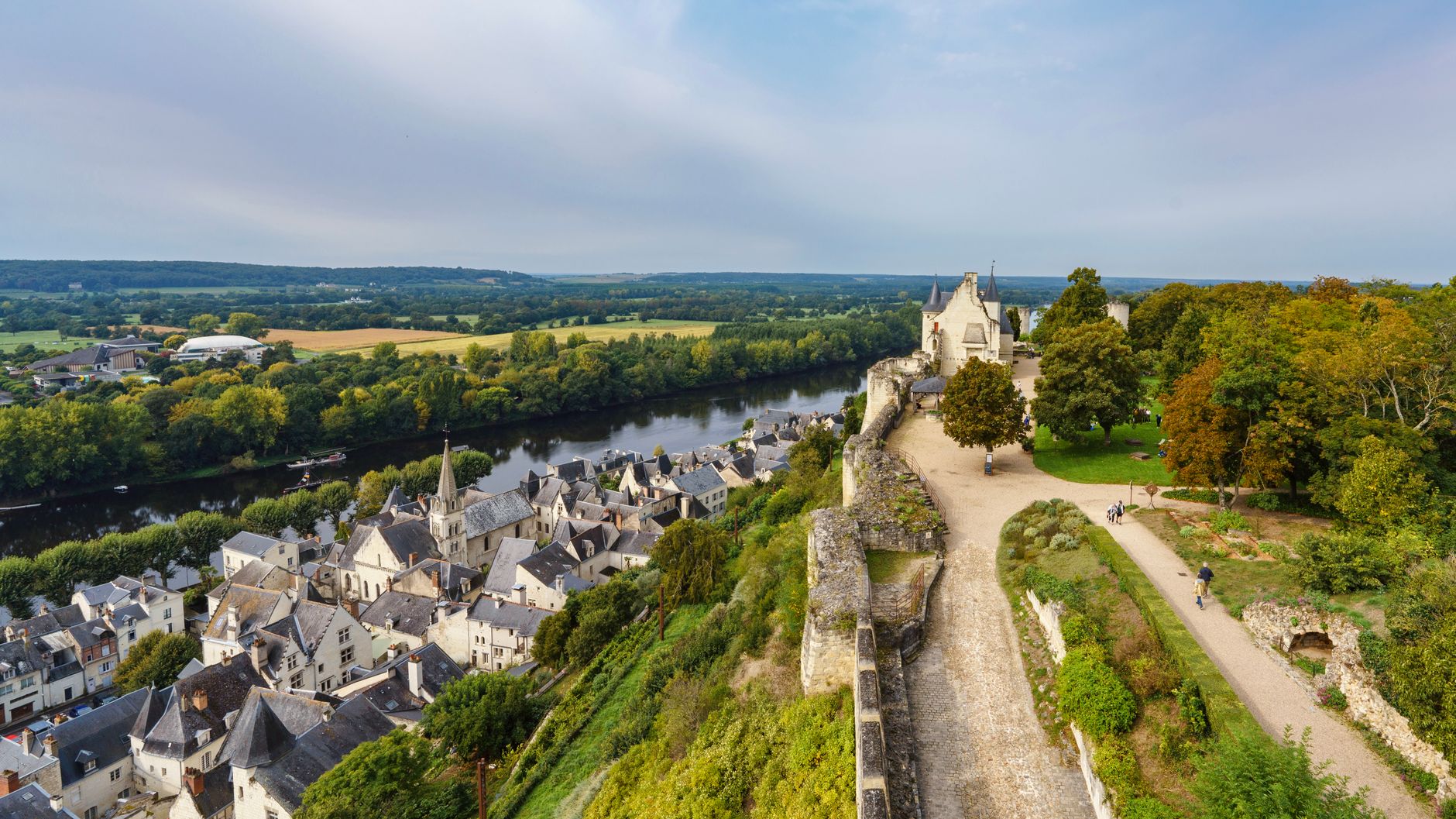
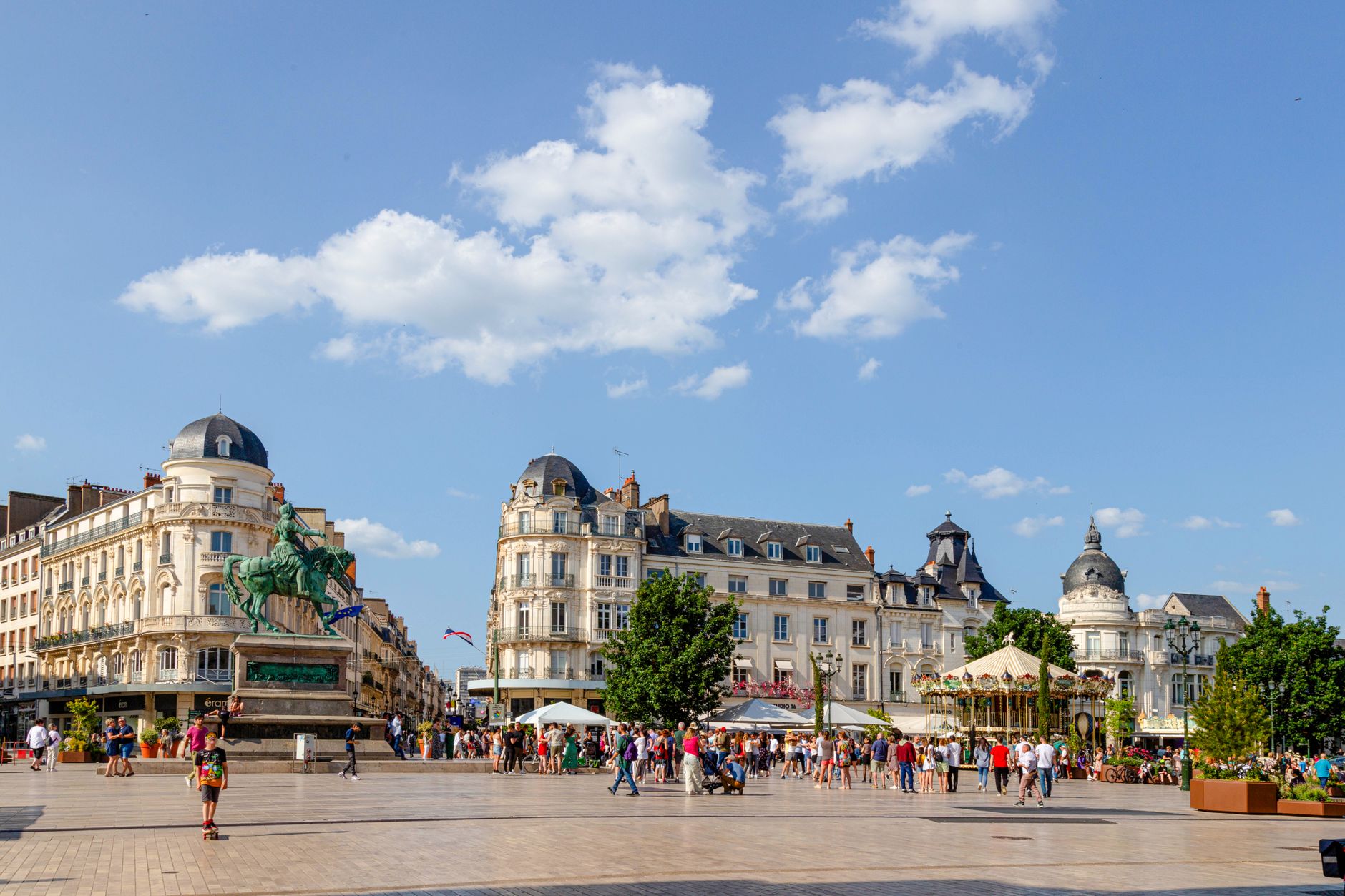
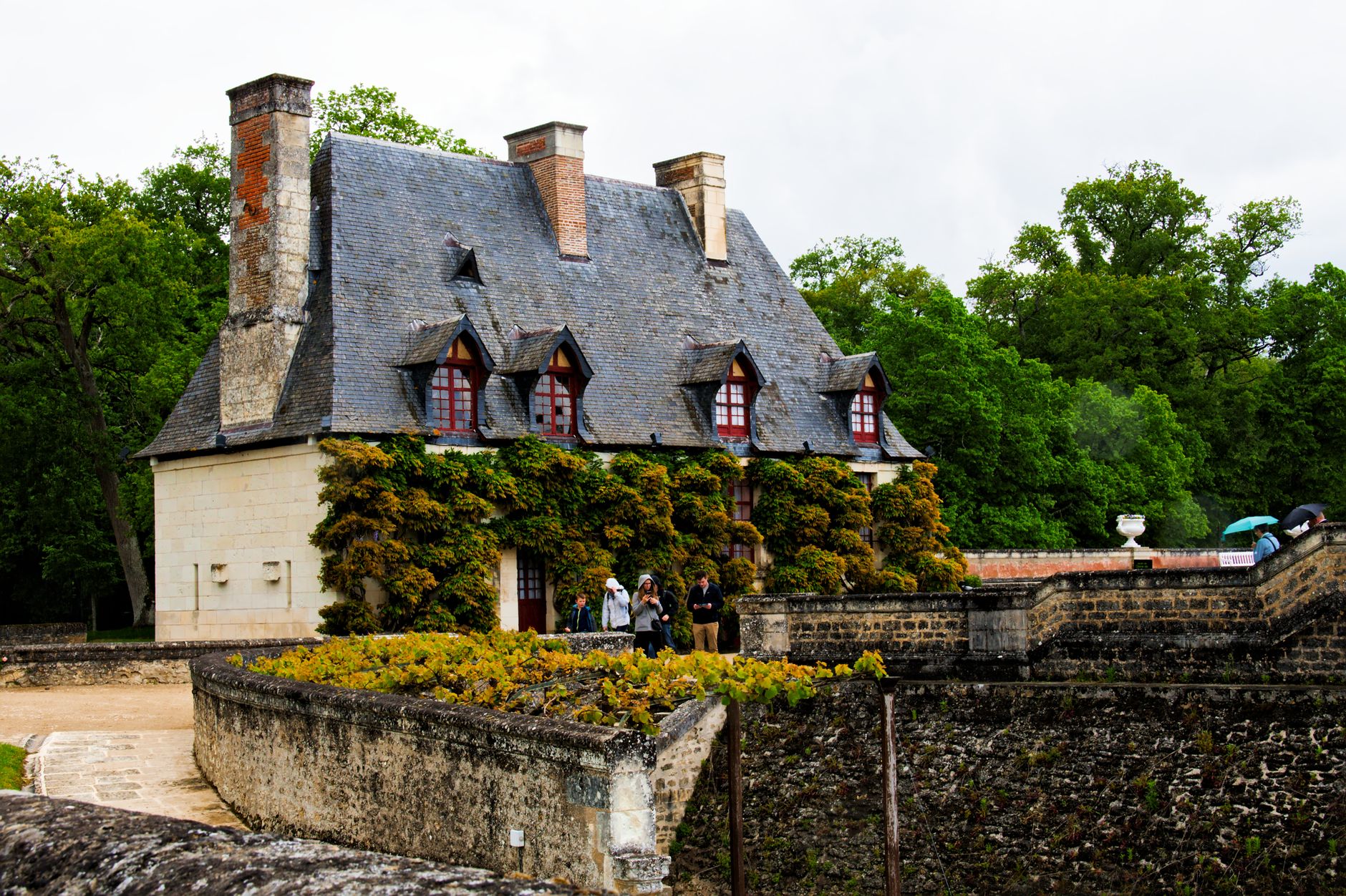
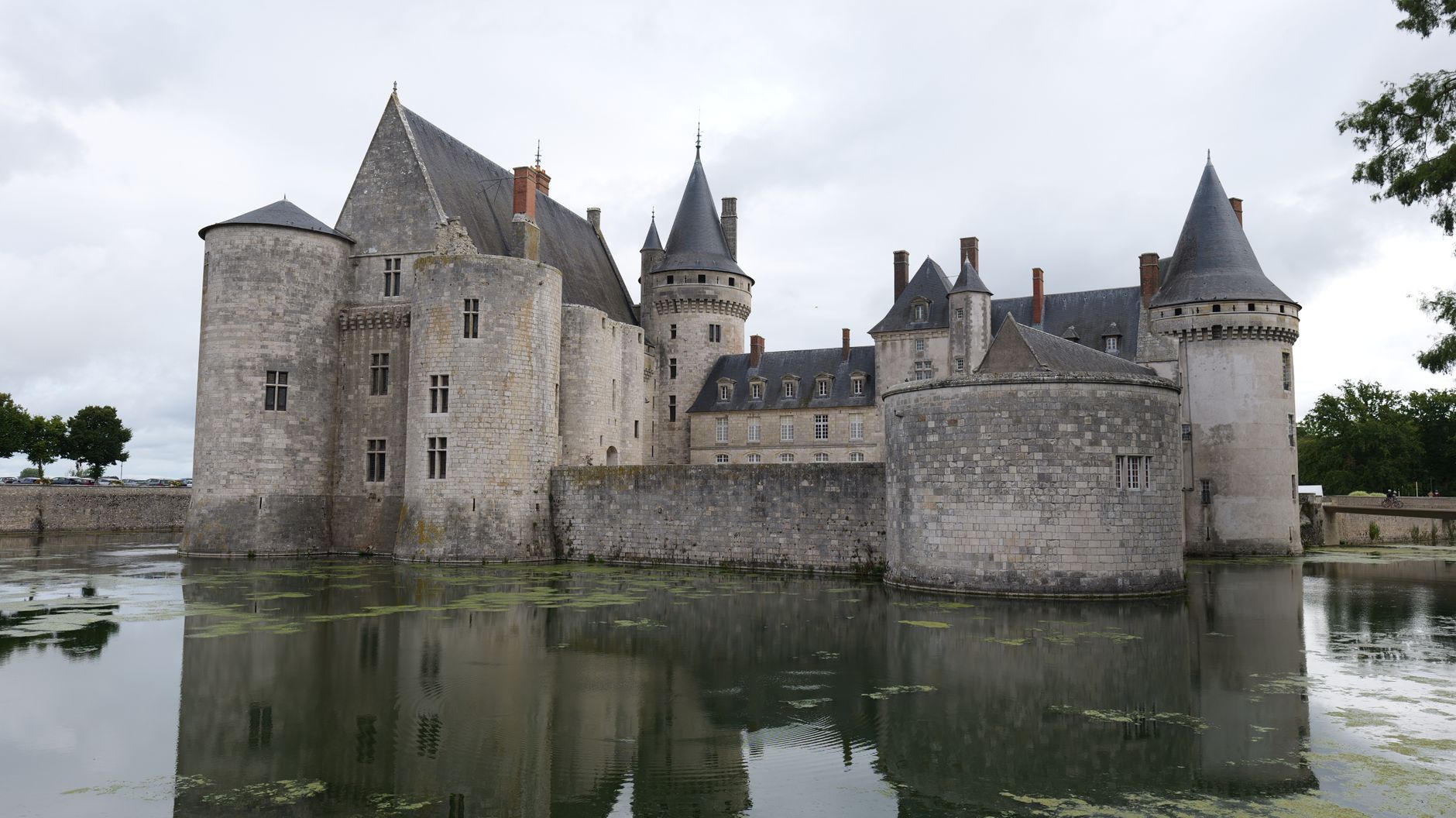
The Loire Valley is where French kings came to play. Between Orléans and Tours, the river moves slowly through a wide, flat landscape of pale stone and poplar, and every few kilometres another château appears — not as a ruin but as a working fact of the scenery. Chambord alone has 440 rooms and a double spiral staircase that may owe its geometry to Leonardo da Vinci, who spent his last years here at Clos Lucé in Amboise.
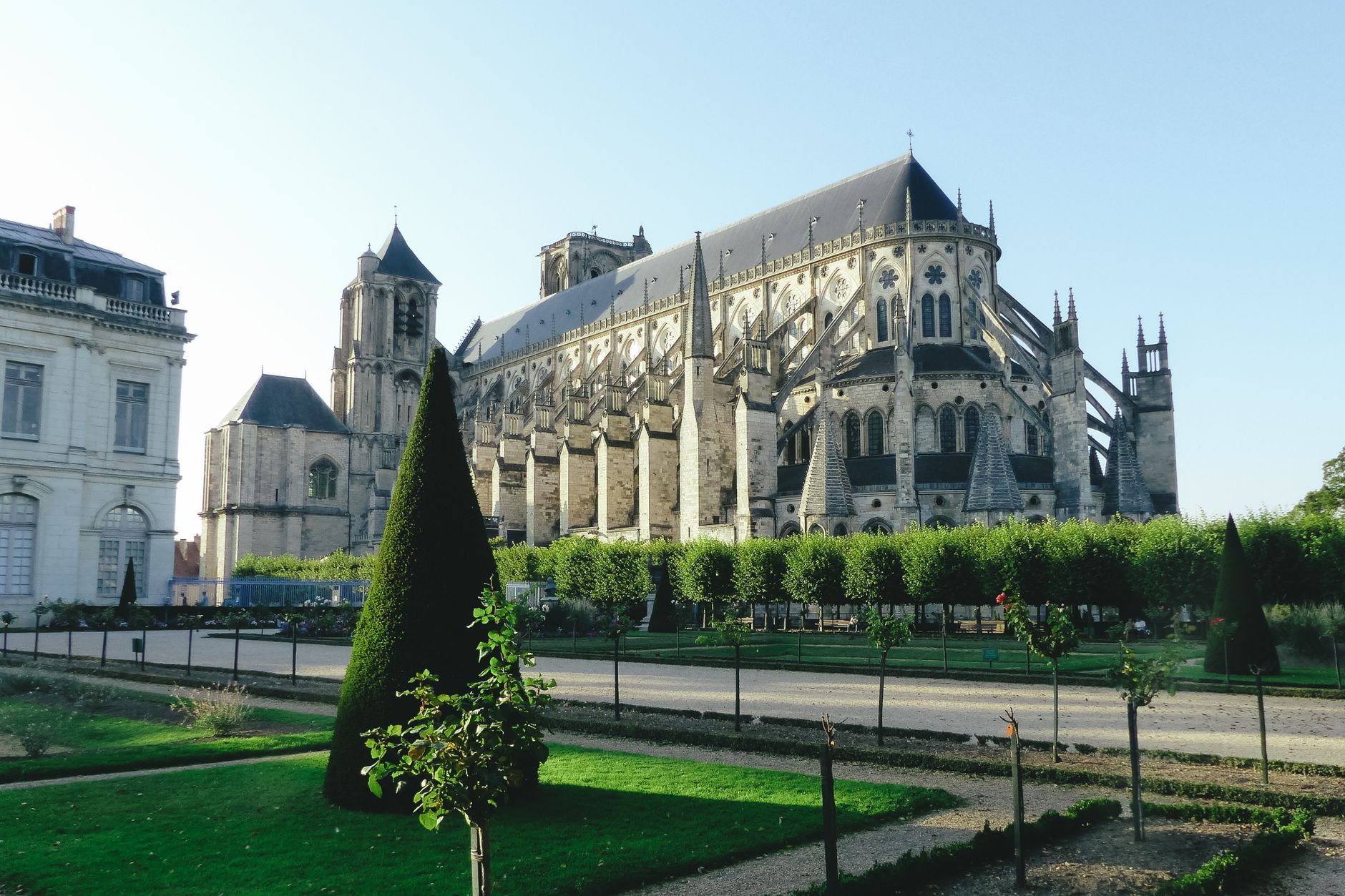
Centre-Val de Loire is the region that holds all of this: the châteaux, the Gothic cathedral at Bourges, the wetland ponds of the Brenne, and the kitchen gardens at Villandry arranged in Renaissance geometry. It rewards slow travel and a willingness to leave the main road.
Experiences you don't want to miss



How Centre-Val de Loire came to be
The territory now called Centre-Val de Loire draws from three old provinces — Touraine, Orléanais, and Berry — stitched together as an administrative region in the 1970s and renamed in 2015. Its defining moment came in the early sixteenth century, when François I established his court along the Loire and in 1519 ordered the construction of Chambord. Leonardo da Vinci, who had arrived at Amboise three years earlier as a guest of the king, is credited by some accounts with the château's famous double spiral stair.
The valley carries darker history too. In October 1940, Marshal Pétain met Hitler at Montoire. Four years later, the Resistance and Allied forces retook the Loire — a turn that September 1944 made permanent.
Who and what shaped it
People who shaped it
Landmark buildings
See Centre-Val de Loire in motion
Plan your visit
On the map
When to go
Winters are mild rather than harsh, averaging around 4–5°C, though some châteaux reduce hours. Spring — particularly April and May — brings reliable sunshine and fewer visitors. Summers sit around 20°C: warm enough to spend long afternoons in garden terraces, rarely oppressive.
Right now
↡ Cities
No places match these filters.
Background & history adapted from Wikipedia (CC BY-SA) · specs from Wikidata (CC0) · weather from Open-Meteo · map data © OpenStreetMap contributors · photos from Wikimedia Commons / Unsplash with per-image credit. No third-party reviews or social posts reproduced.