
Central, Hong Kong Island
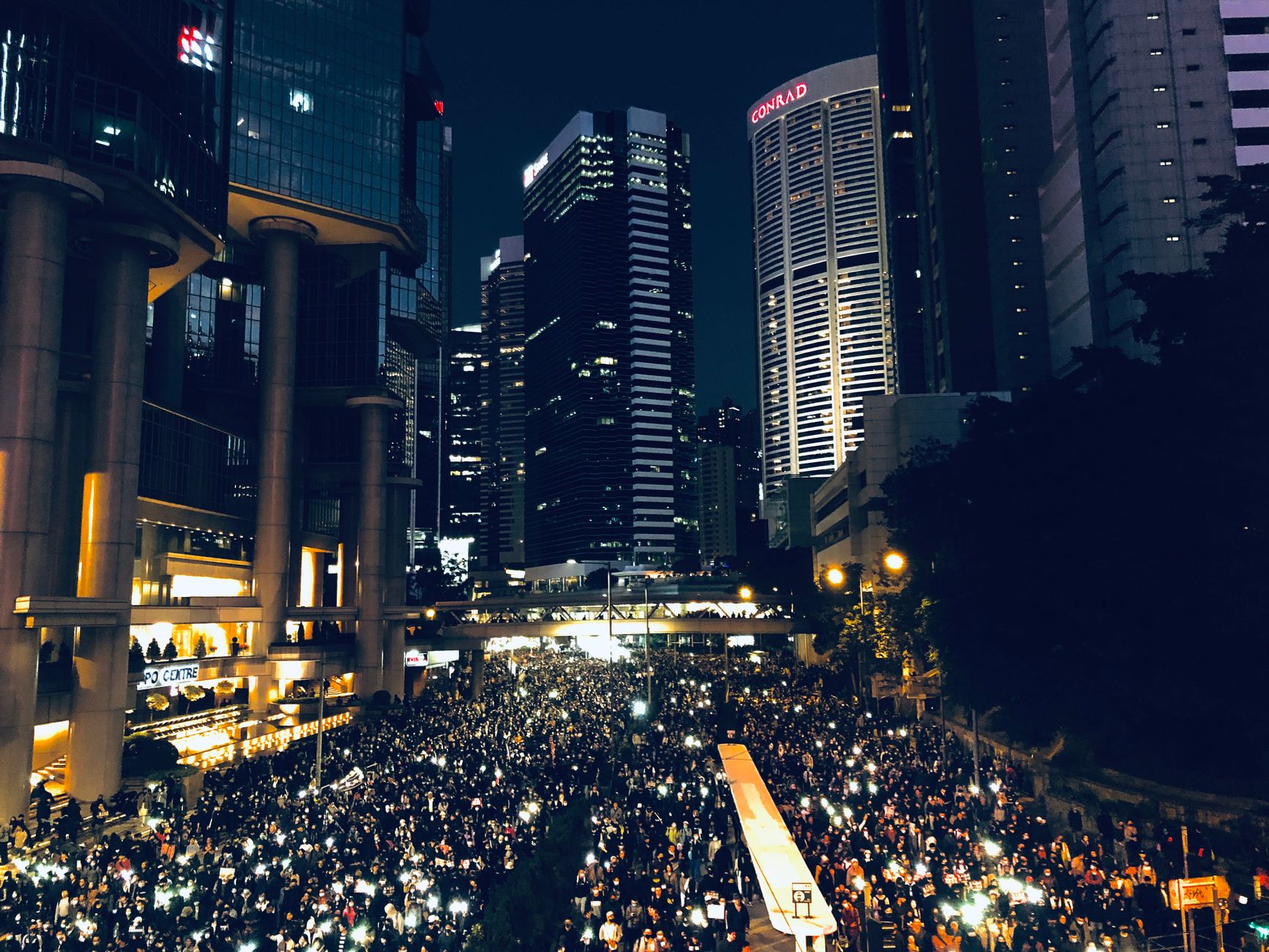
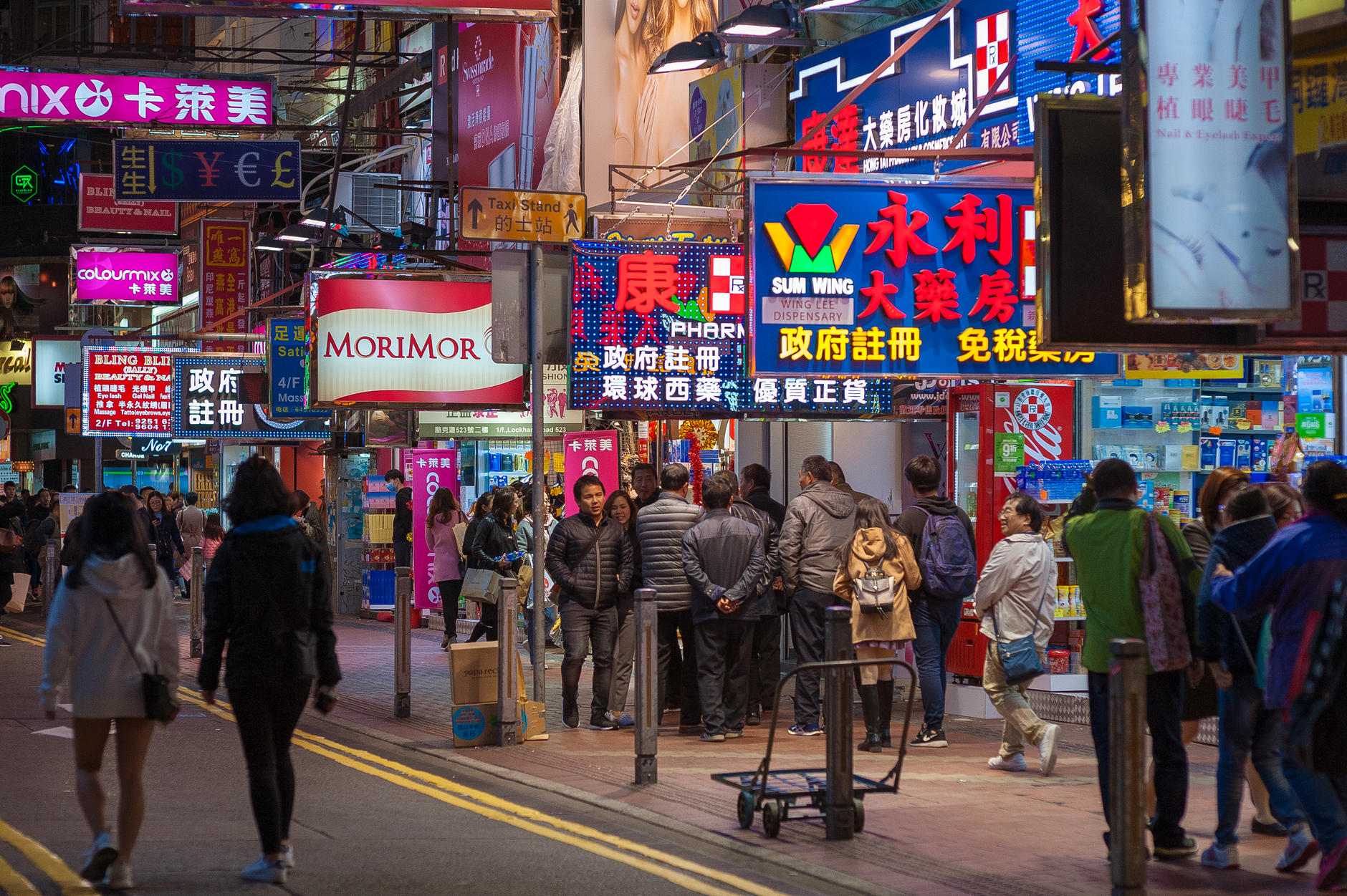
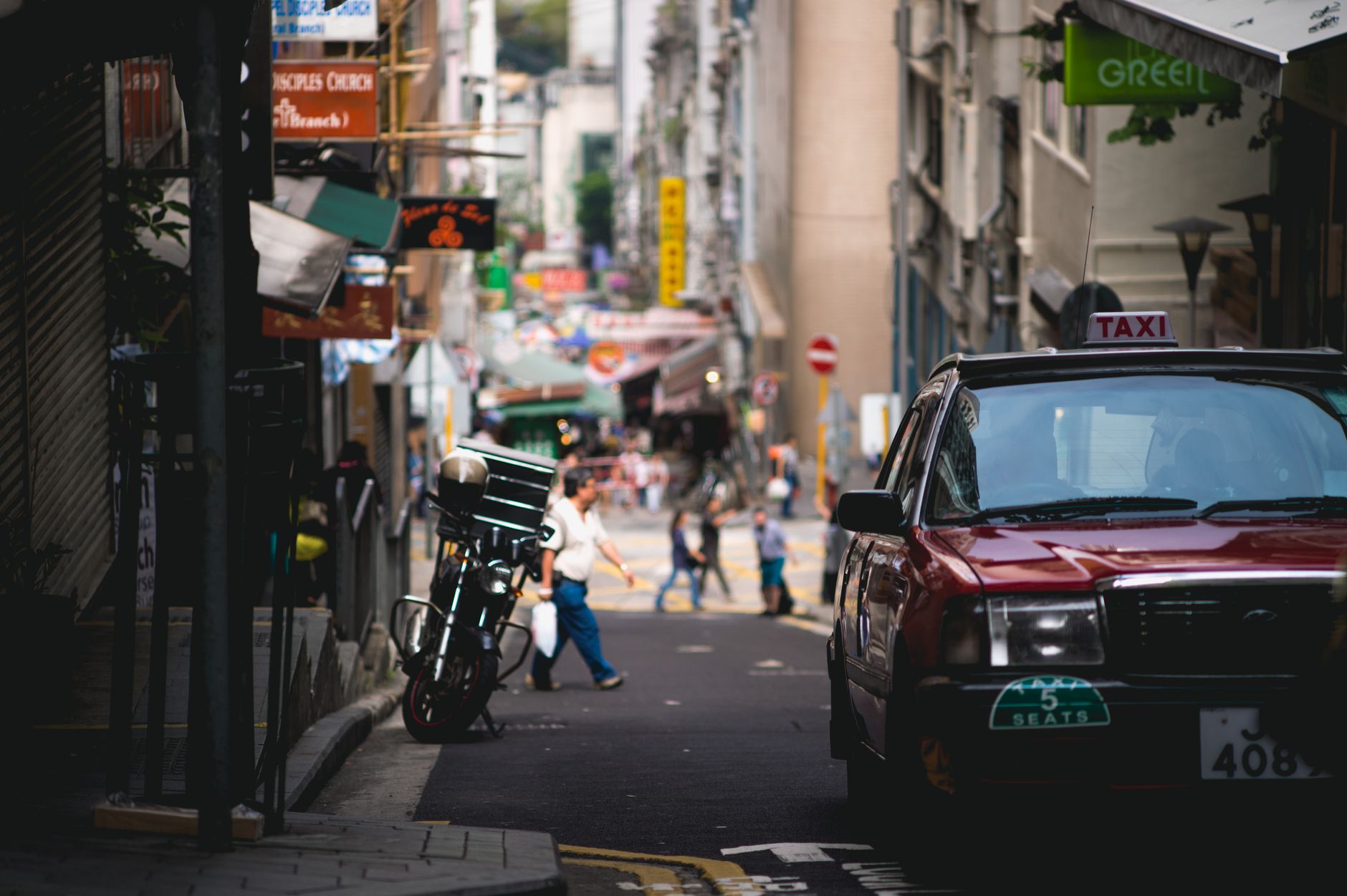
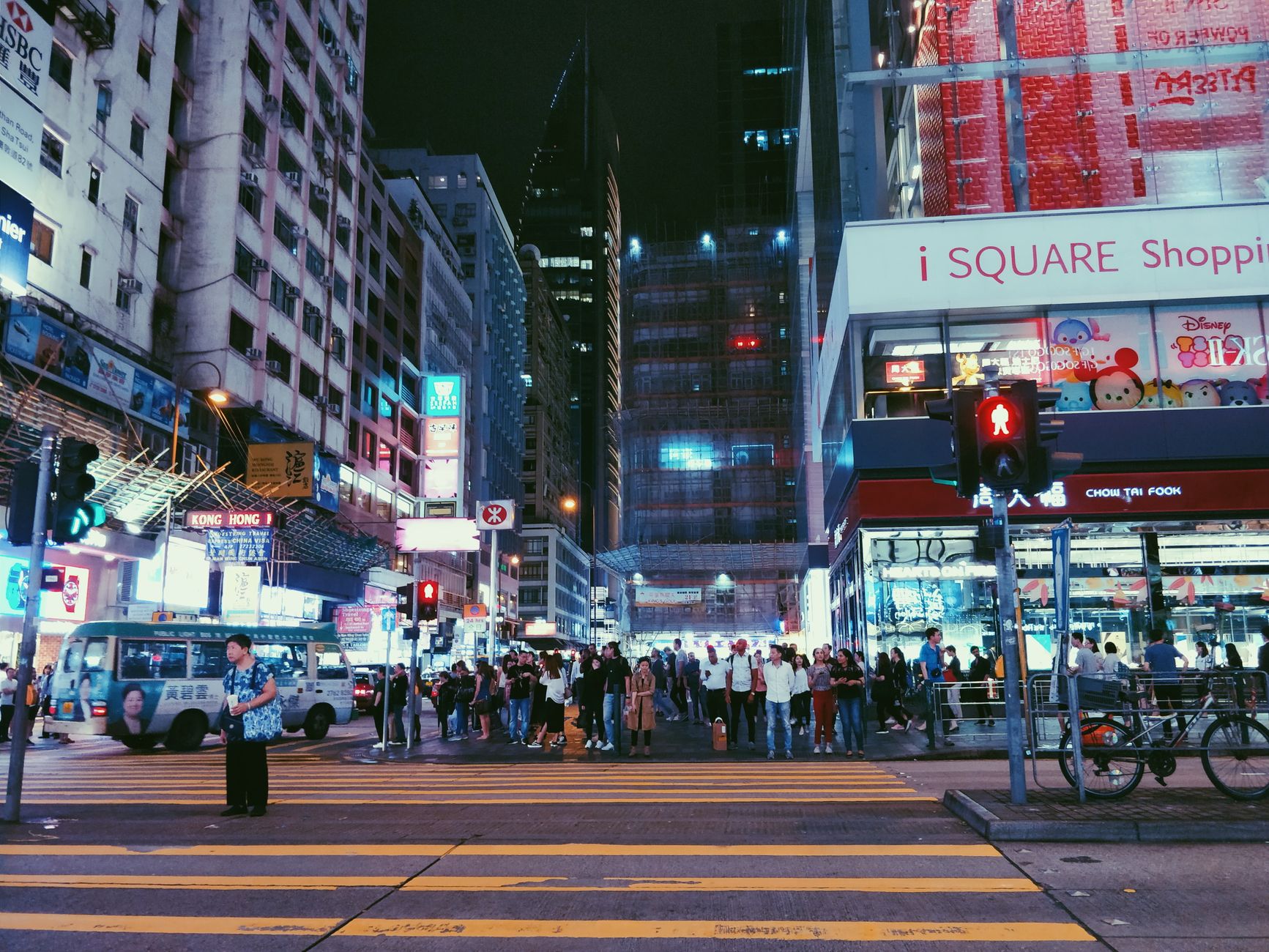
The escalator gives it away. Somewhere between Queen's Road and Conduit Road, riding the longest outdoor covered escalator system in the world, you get a sense of how Central works: layers stacked on layers, old granite pressed against glass towers, the harbour glinting below. This is where the colony began — the north-shore strip the British chose in 1841 for their administrative centre and military facilities, the first patch of Hong Kong Island to be planned and built in earnest.
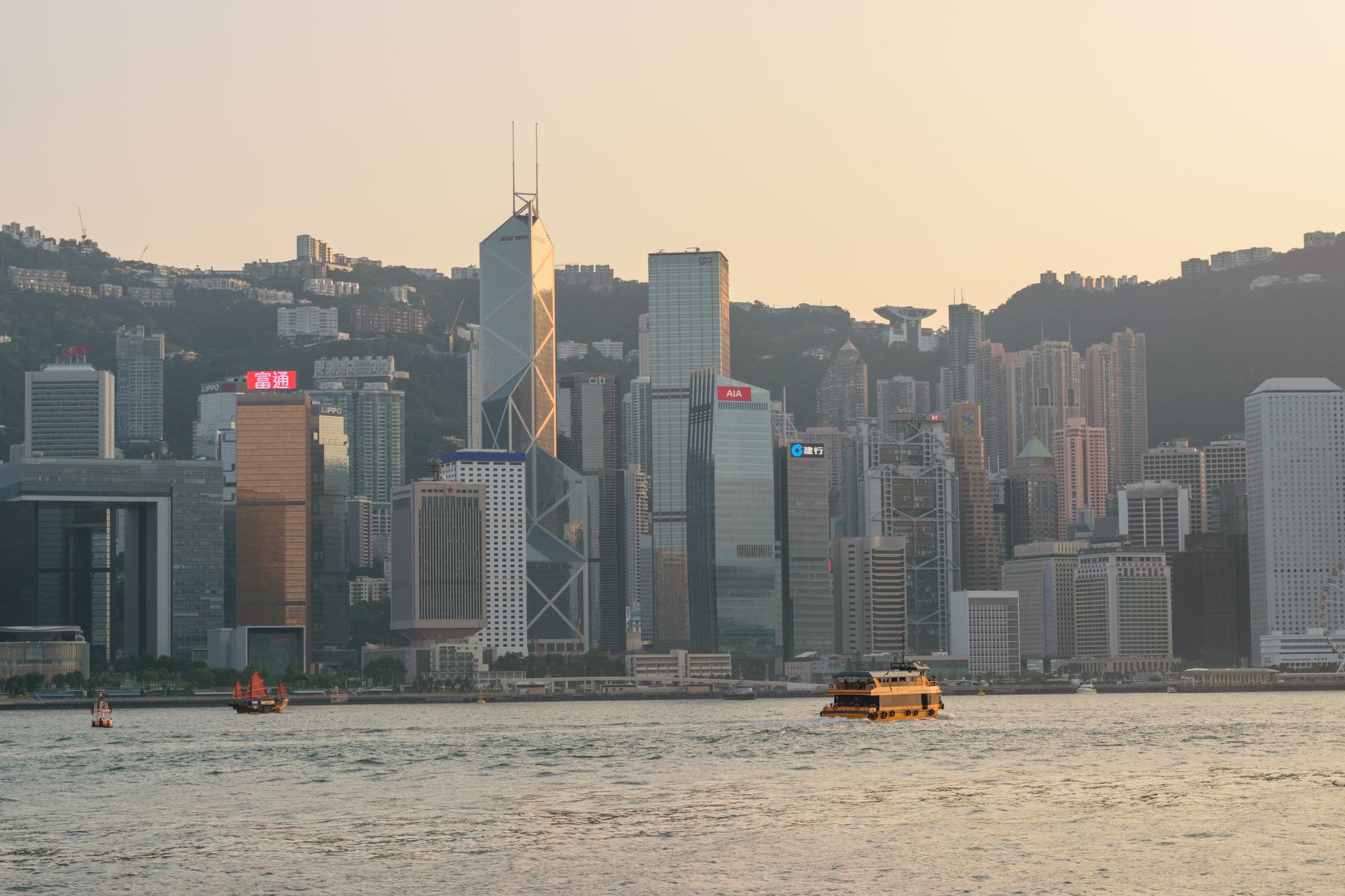
Today Central holds the Bank of China Tower, I.M. Pei's 1,205-foot triangular needle that was the first building outside North America to clear 300 metres, alongside the 1849 St. John's Cathedral and a former police compound that took sixty years to build. The distances between centuries here are short.
💛 What travellers fall for
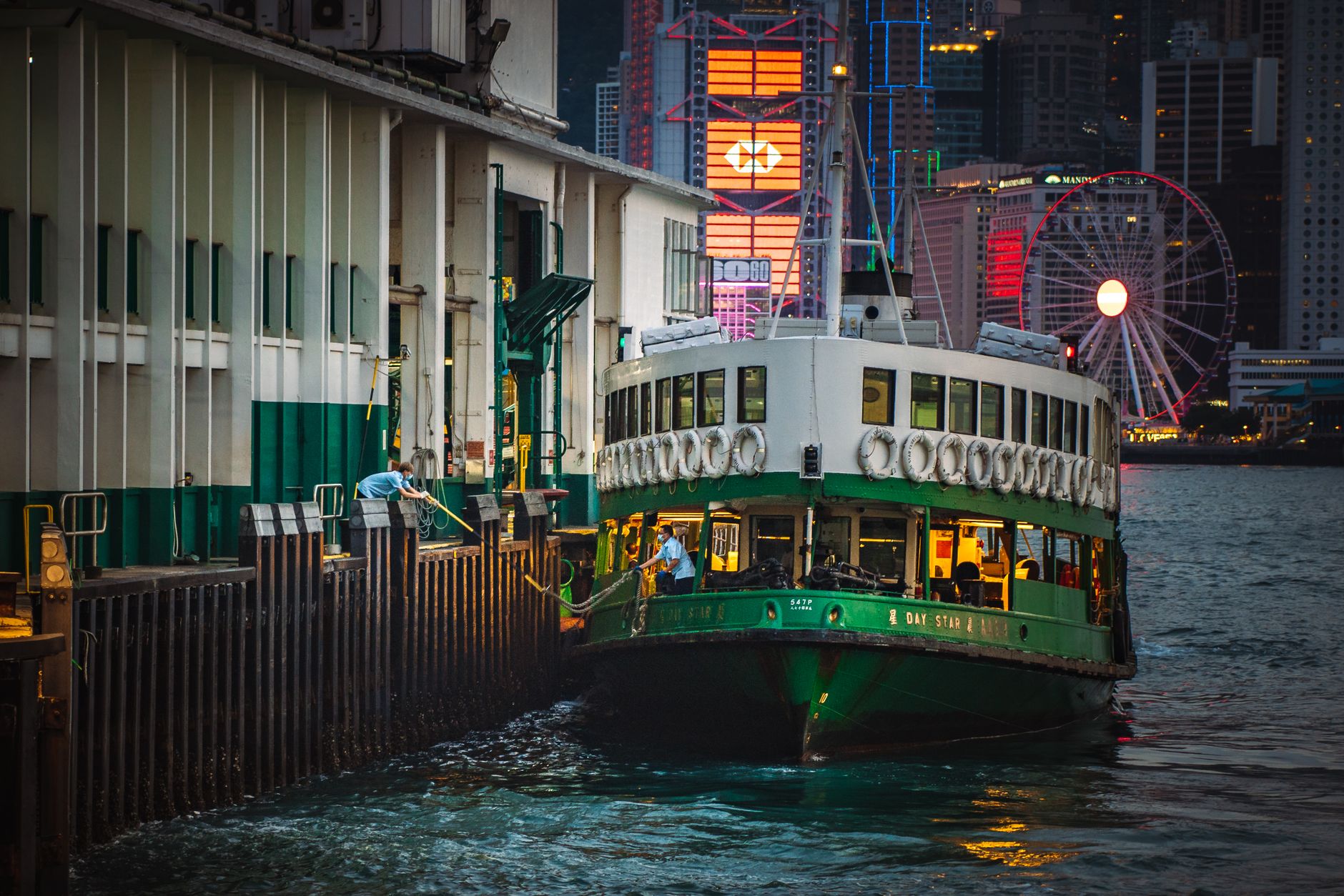
People who return to Central tend to mention the same sequence: take the Mid-Levels escalator up in the morning (it runs downhill until 10 a.m., then reverses), walk back down through the former Central Police Station compound, and end at the Star Ferry Pier to cross the harbour before the evening light flattens out.
Experiences you don't want to miss


Deals in Central, Hong Kong Island
Book directly at the provider


How Central, Hong Kong Island came to be
Britain took possession of Hong Kong Island in 1841, and the 1842 Treaty of Nanking made it permanent. The colonial administration settled on the north coast, building what would become the city of Victoria — stretching across Sheung Wan, Central and Wan Chai. Central was the first area of planned urban development, and between 1860 and 1880, City Hall and a cluster of financial buildings fixed its identity as the colony's commercial and civic core. In 1904, the Praya Reclamation Scheme, pushed through largely by Sir Paul Chater and James Johnstone Keswick of Hongkong Land, added 59 acres to the waterfront.
The name Central itself only became standard after the MTR's Island line opened in the early 1980s, when the old Chater station was renamed. The colonial architecture that survived — the 1912 Court of Final Appeal designed by Aston Webb and Ingress Bell, Government House (home to 25 of 28 governors between 1855 and 1997), the Greek Revival Flagstaff House — sits in close company with Norman Foster's HSBC Headquarters and Zaha Hadid's Innovation Tower, unveiled in 2014.
Who and what shaped it
People who shaped it
Landmark buildings
See Central, Hong Kong Island in motion
Plan your visit
On the map
When to go
Autumn (September to November) is the sweet spot: temperatures ease off from summer's heat, humidity drops, and the sky tends to stay clear. Spring is warm but hazy and damp; summer runs hot and wet with a roughly even chance of rain on any given day between May and September.
Right now
Background & history adapted from Wikipedia (CC BY-SA) · specs from Wikidata (CC0) · weather from Open-Meteo · map data © OpenStreetMap contributors · photos from Wikimedia Commons / Unsplash with per-image credit. No third-party reviews or social posts reproduced.