
Burguete
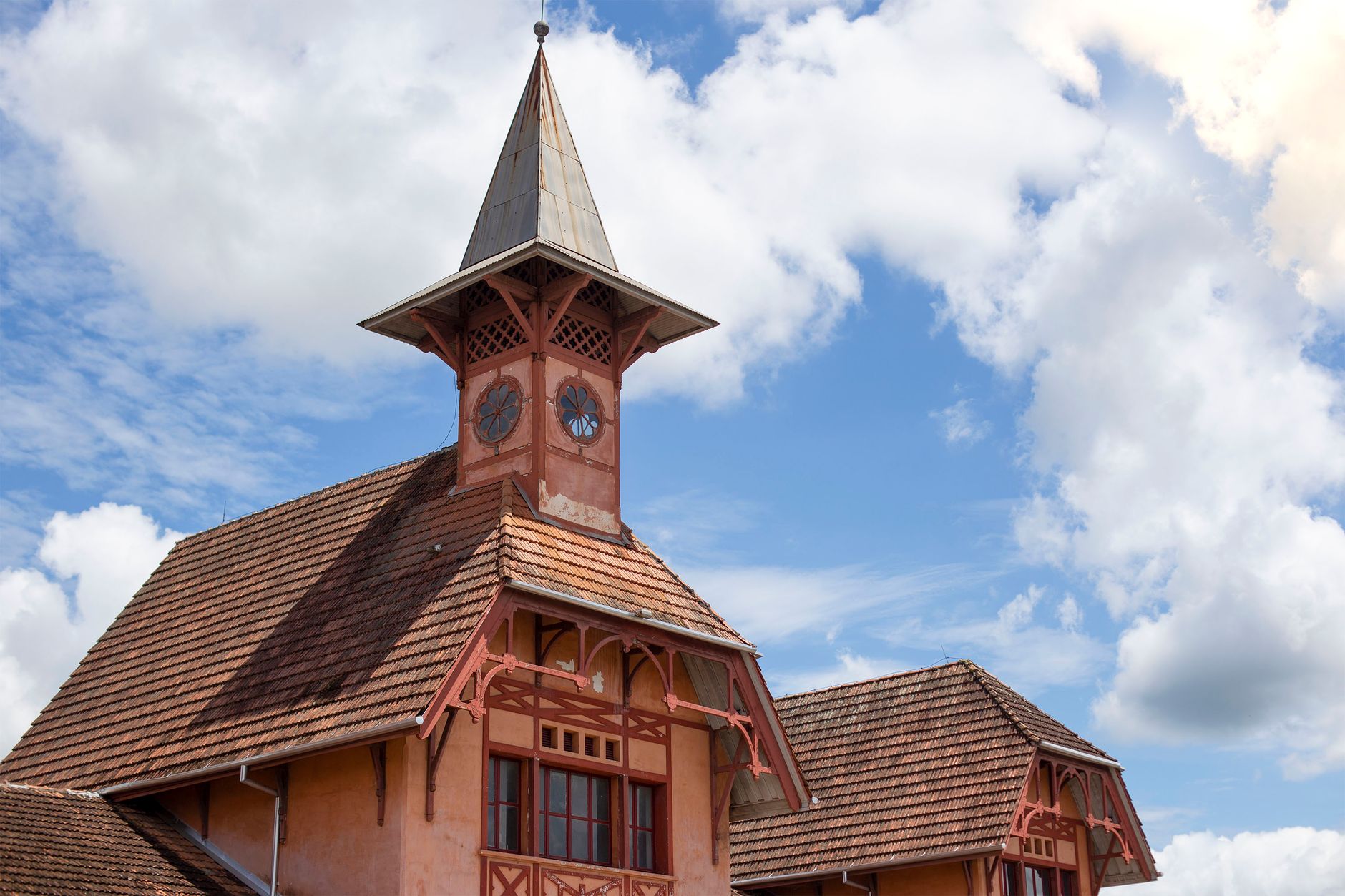
Burguete sits at 890 metres in a broad Pyrenean valley, its two streets lined by massive stone houses with wide eaves built to shed serious snow. The whitewashed walls and dark timber balconies repeat themselves with a quiet insistence that feels less like decoration and more like logic — this is a place shaped by altitude and weather, not ambition.
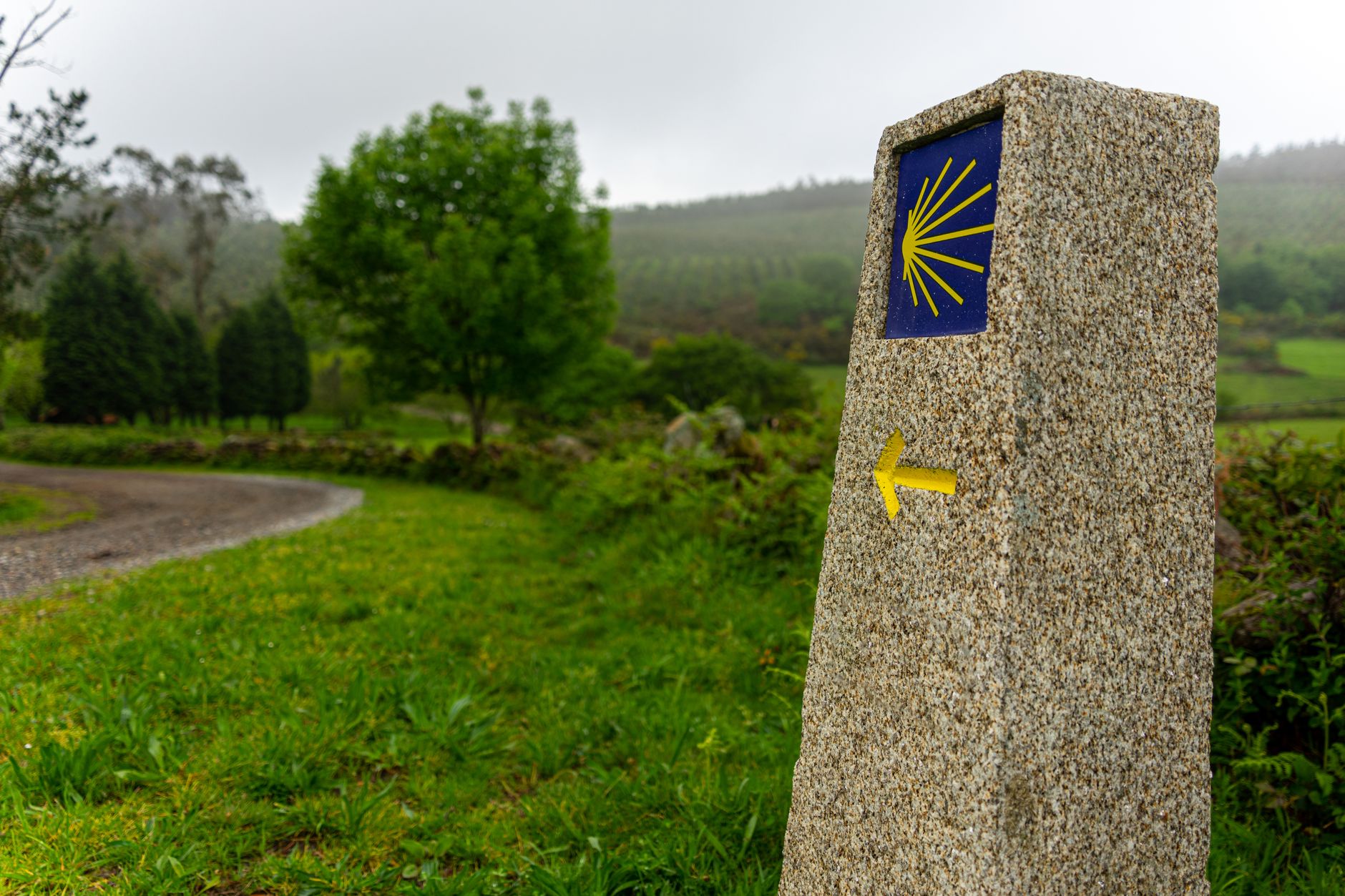
Fewer than 250 people live here, and the village makes no effort to seem larger than it is. There are bars, a small grocery, trout on the dinner menus, and the Irati forest pressing in from the south. The Camino de Santiago passes through, but Burguete absorbs pilgrims without performing for them.
💛 What travellers fall for
People who come back tend to stay at Hotel Burguete — the same building where Hemingway lodged in 1924 and 1925 — less for the literary association than because it is genuinely comfortable and the alternative is a 3 km walk to Roncesvalles. The trout, pulled from local rivers and served simply, is the detail most often mentioned unprompted.
Experiences you don't want to miss


Deals in Burguete
Book directly at the provider

How Burguete came to be
Burguete was founded in 1100 as the burgo — the service settlement — attached to the Roncesvalles hospital that cared for pilgrims crossing the Pyrenees. Its existence was always functional: shelter, food, a place to stop before or after the pass. King Sancho VII reorganised the pilgrimage route through the port of Ibañeta at this time, and the village grew around that traffic.
Fire shaped Burguete repeatedly. The French burned it in 1794, and it was rebuilt. A further blaze in 1910 destroyed twelve houses. The Church of San Nicolás de Bari, Romanesque and dating to the 12th century, survived these episodes and still stands at the centre of the village. Casa Vergara, built in 1824, and the medieval Arrobi bridge are the other anchors of what remains.
Who and what shaped it
People who shaped it
Landmark buildings
See Burguete in motion
Plan your visit
On the map
When to go
June and September are the most comfortable months, with temperatures around 24°C and long sunny days. January and February drop to around 1°C, and November and January bring the heaviest rainfall — the wide eaves on those stone houses are not decorative.
Right now
Background & history adapted from Wikipedia (CC BY-SA) · specs from Wikidata (CC0) · weather from Open-Meteo · map data © OpenStreetMap contributors · photos from Wikimedia Commons / Unsplash with per-image credit. No third-party reviews or social posts reproduced.