
Bad Tölz
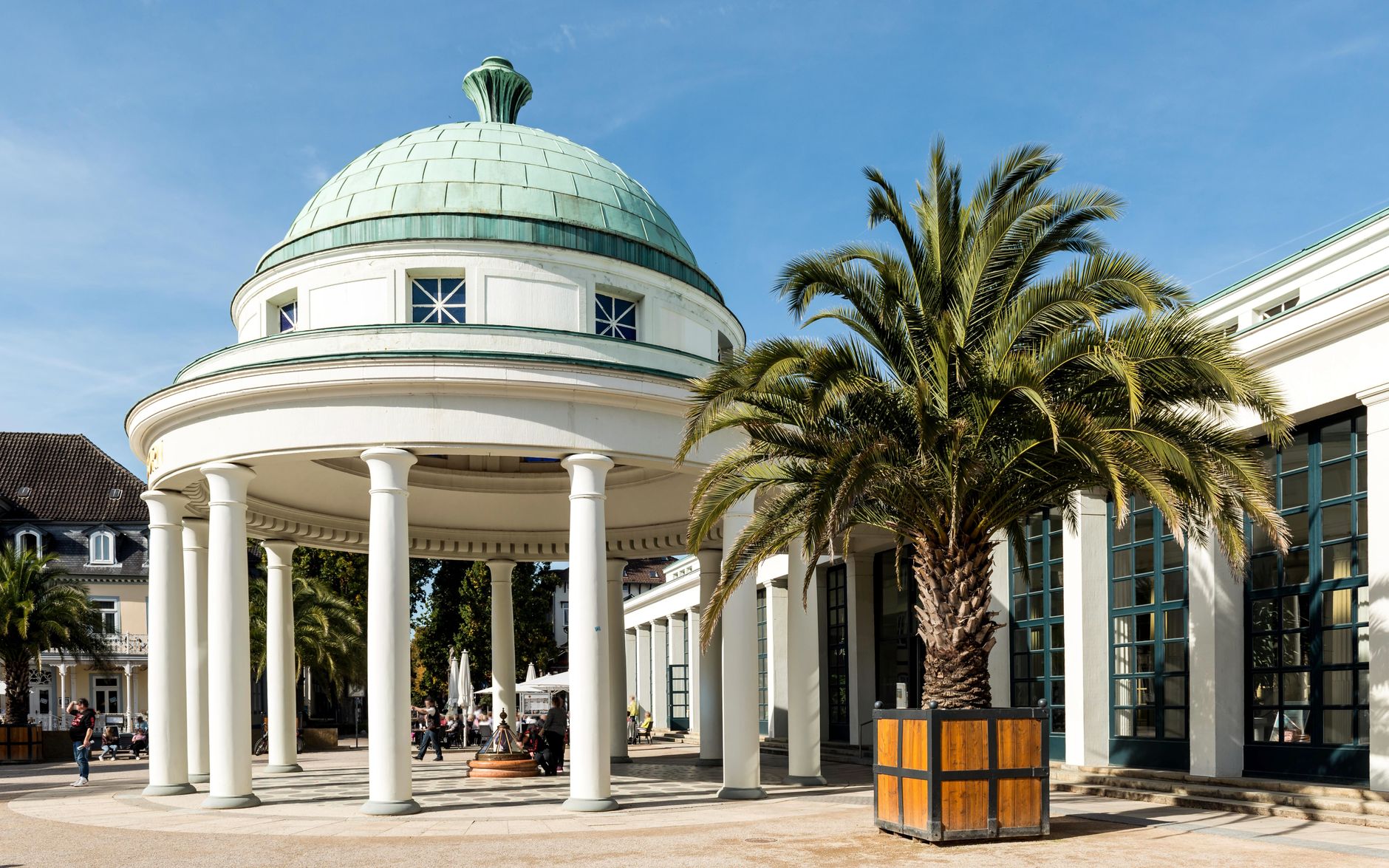
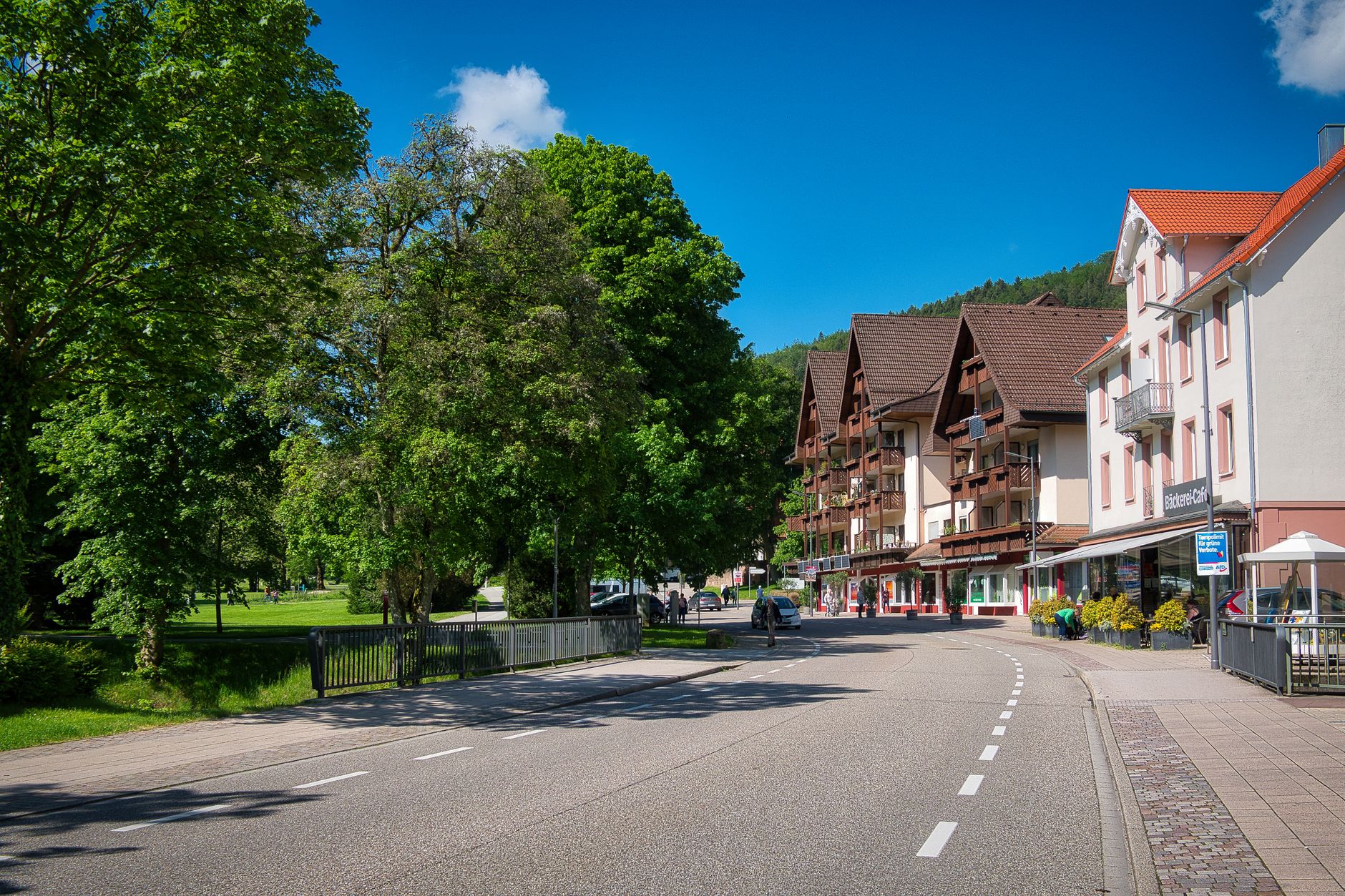
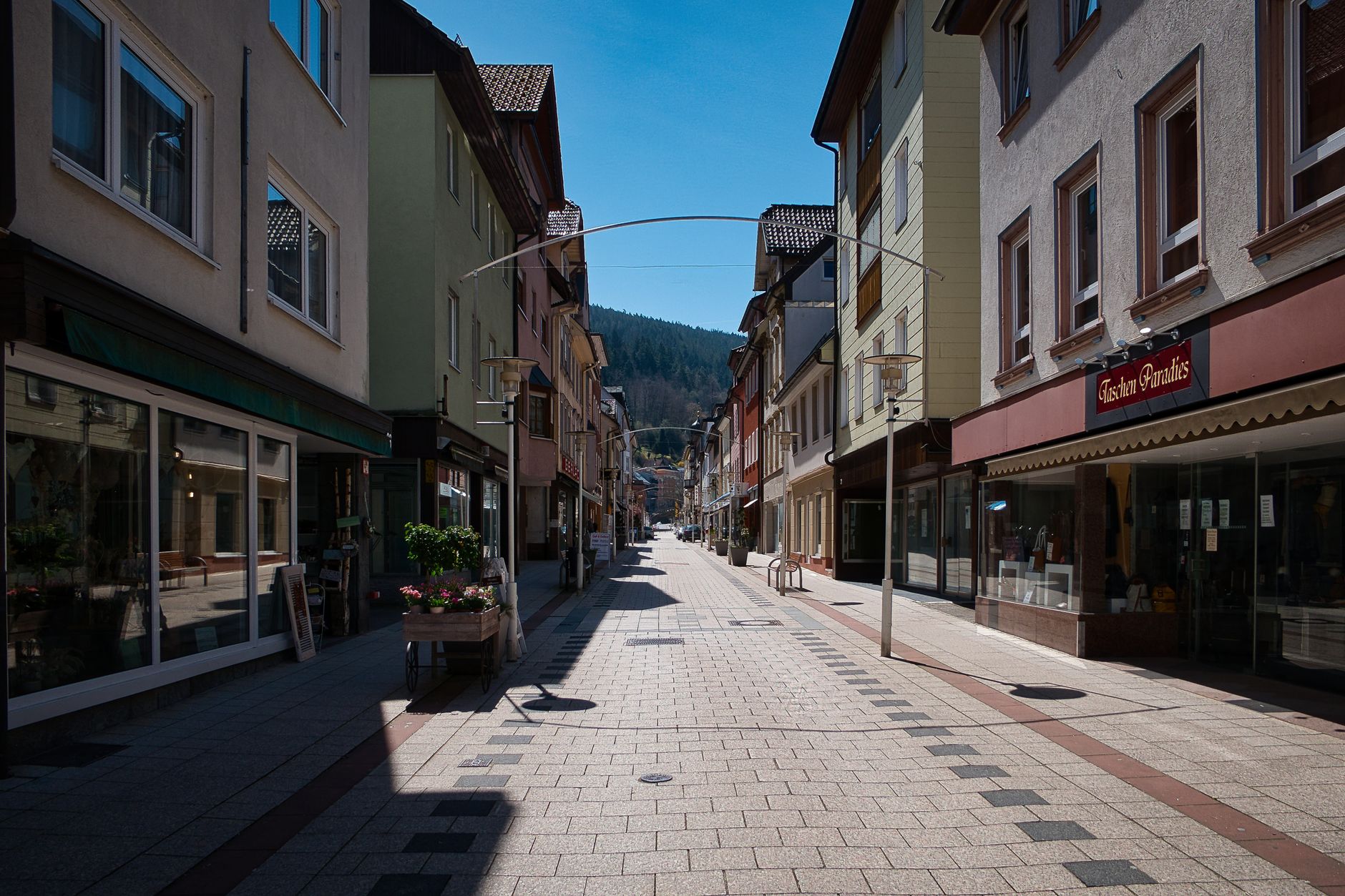
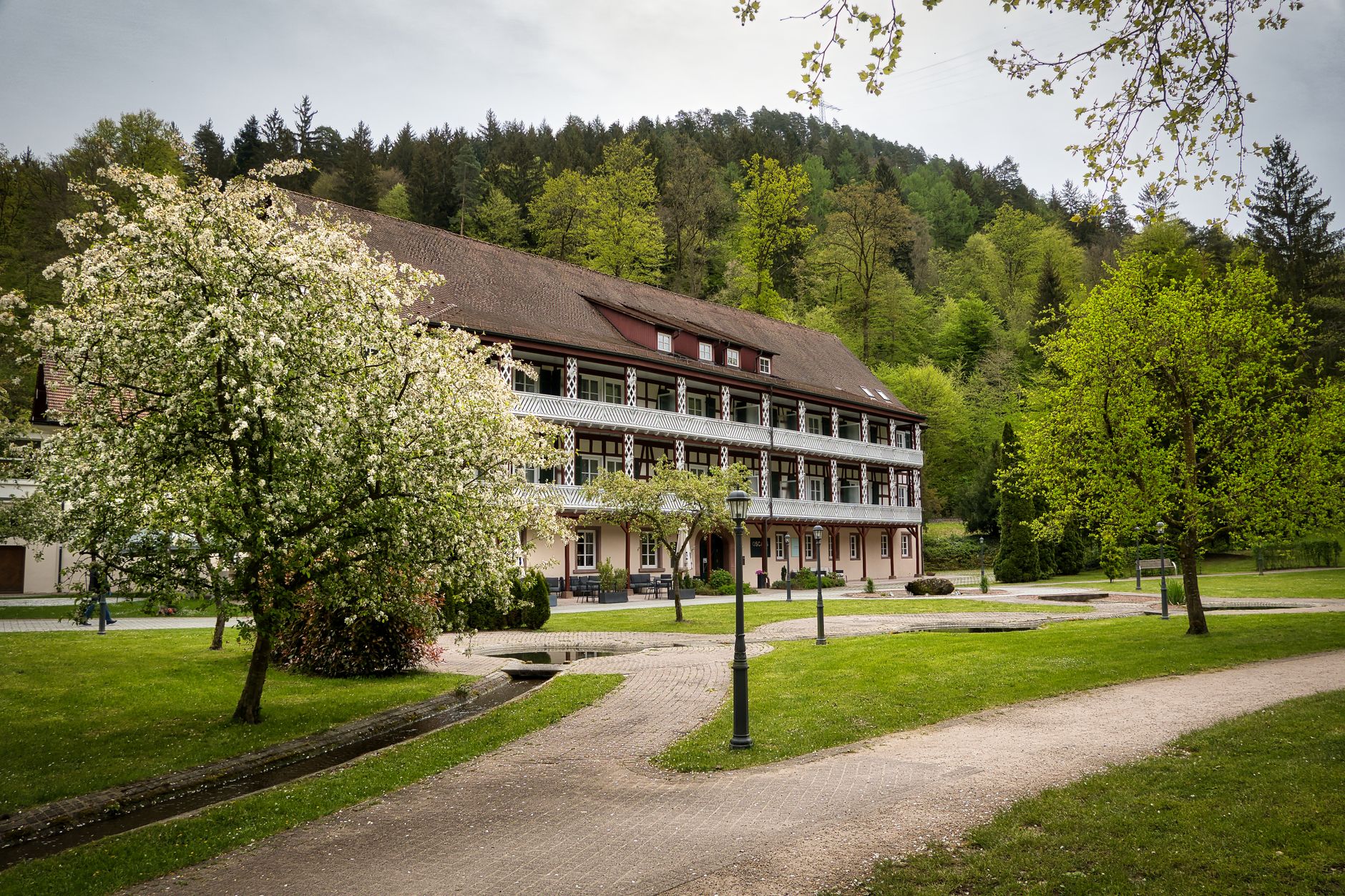
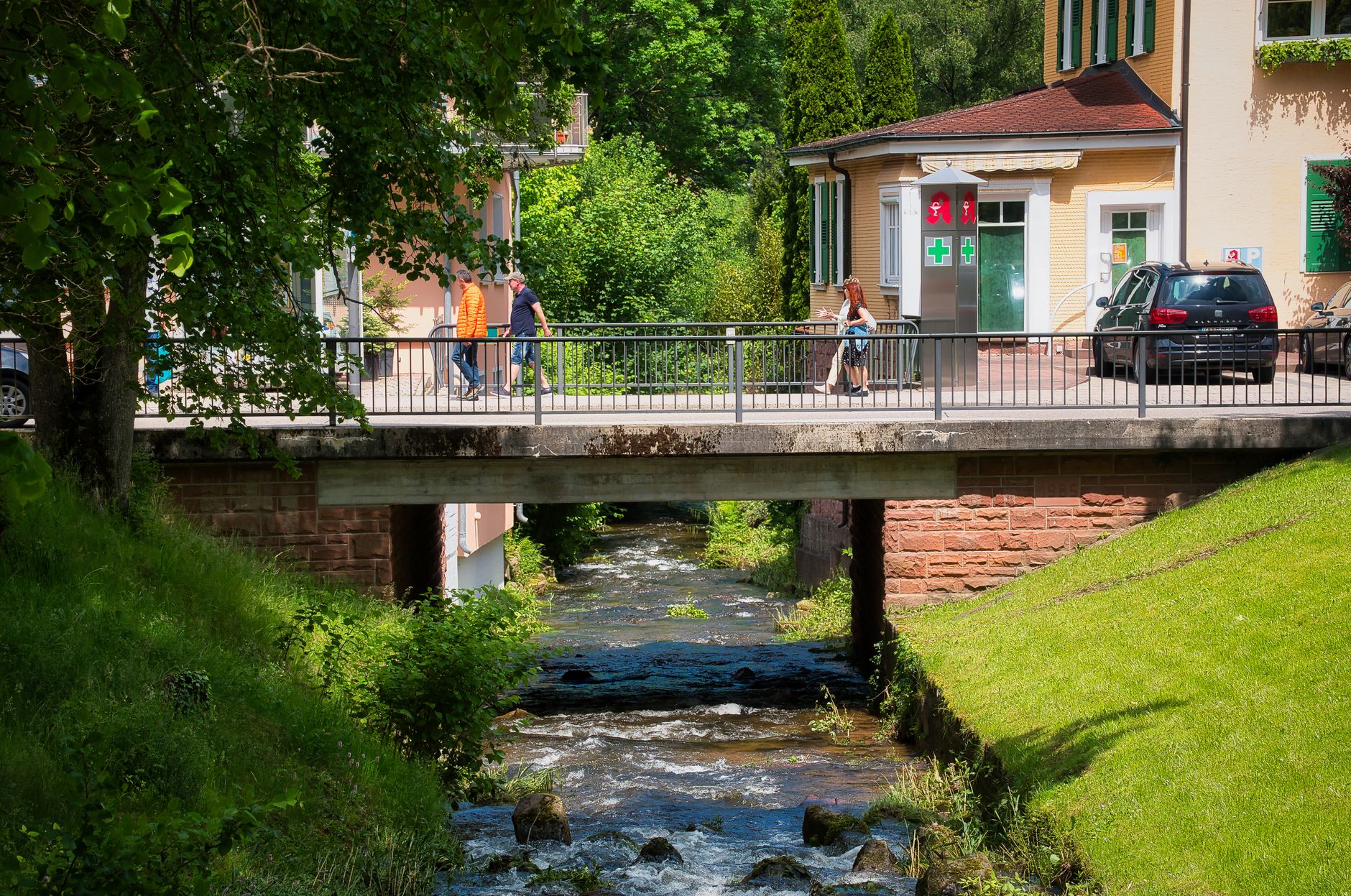
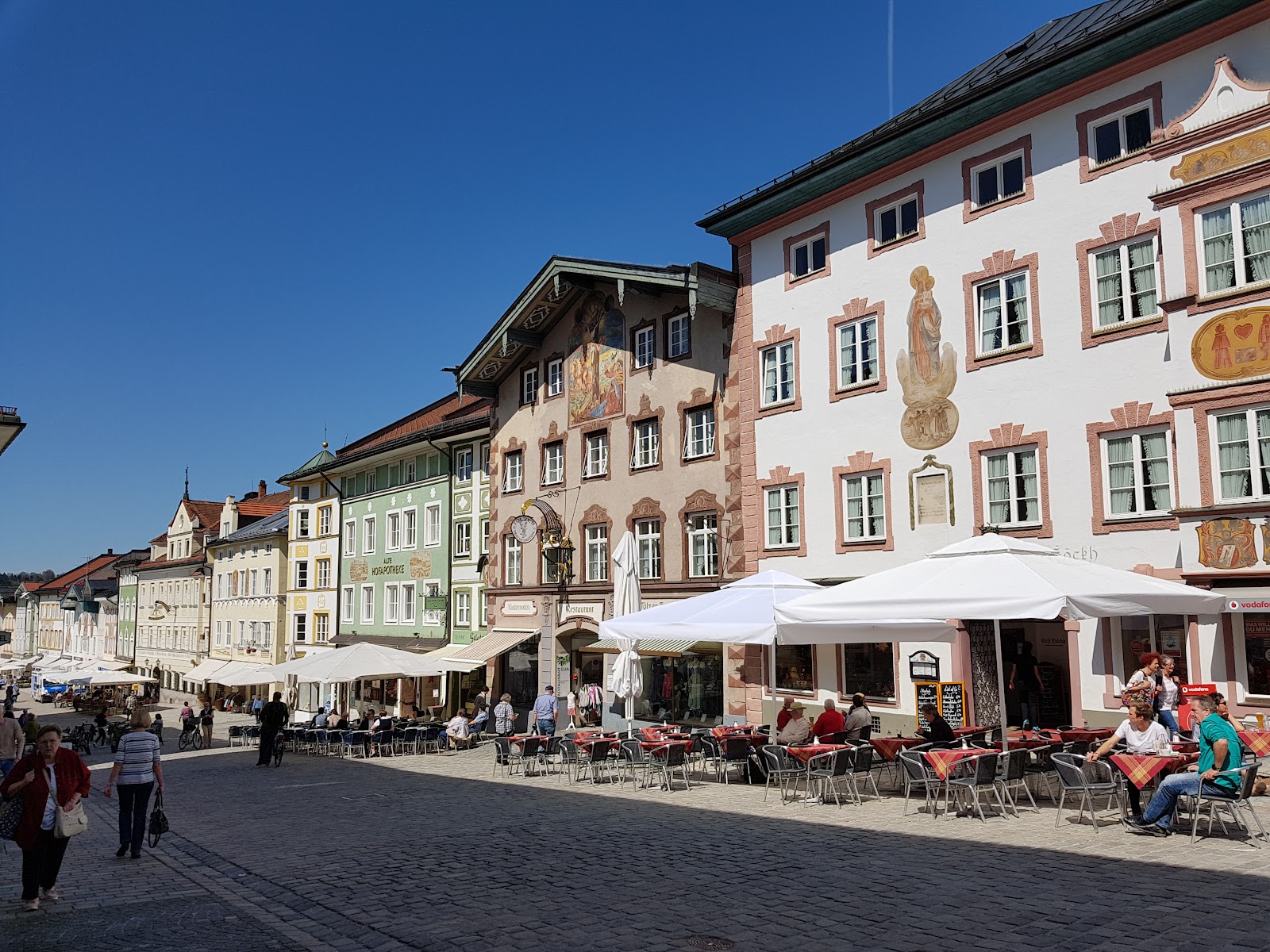
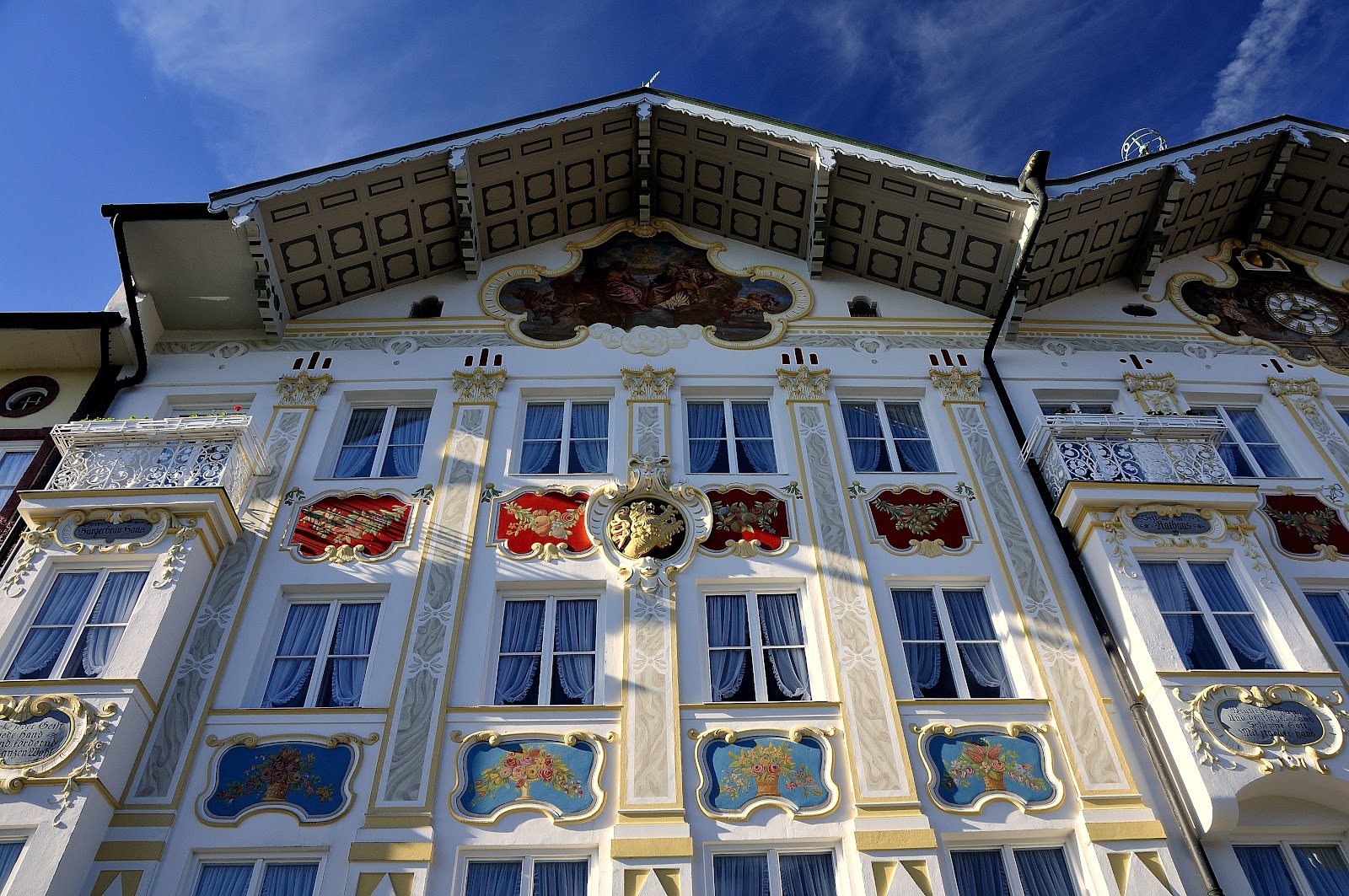
The painted gable houses on Marktstraße stop you mid-stride — not because they are pretty, exactly, but because they are so specific: Lüftlmalerei murals climbing every façade, Baroque curves pressed against late-medieval stone, the whole street rebuilt in one determined push after a fire levelled the town in 1453. Bad Tölz sits on the Isar where salt and timber once moved south toward the Alps, and that old commercial logic still shapes the place — a long, generous main street built for trade, now lined with bakeries and pharmacies and the occasional spa guest in a white robe.
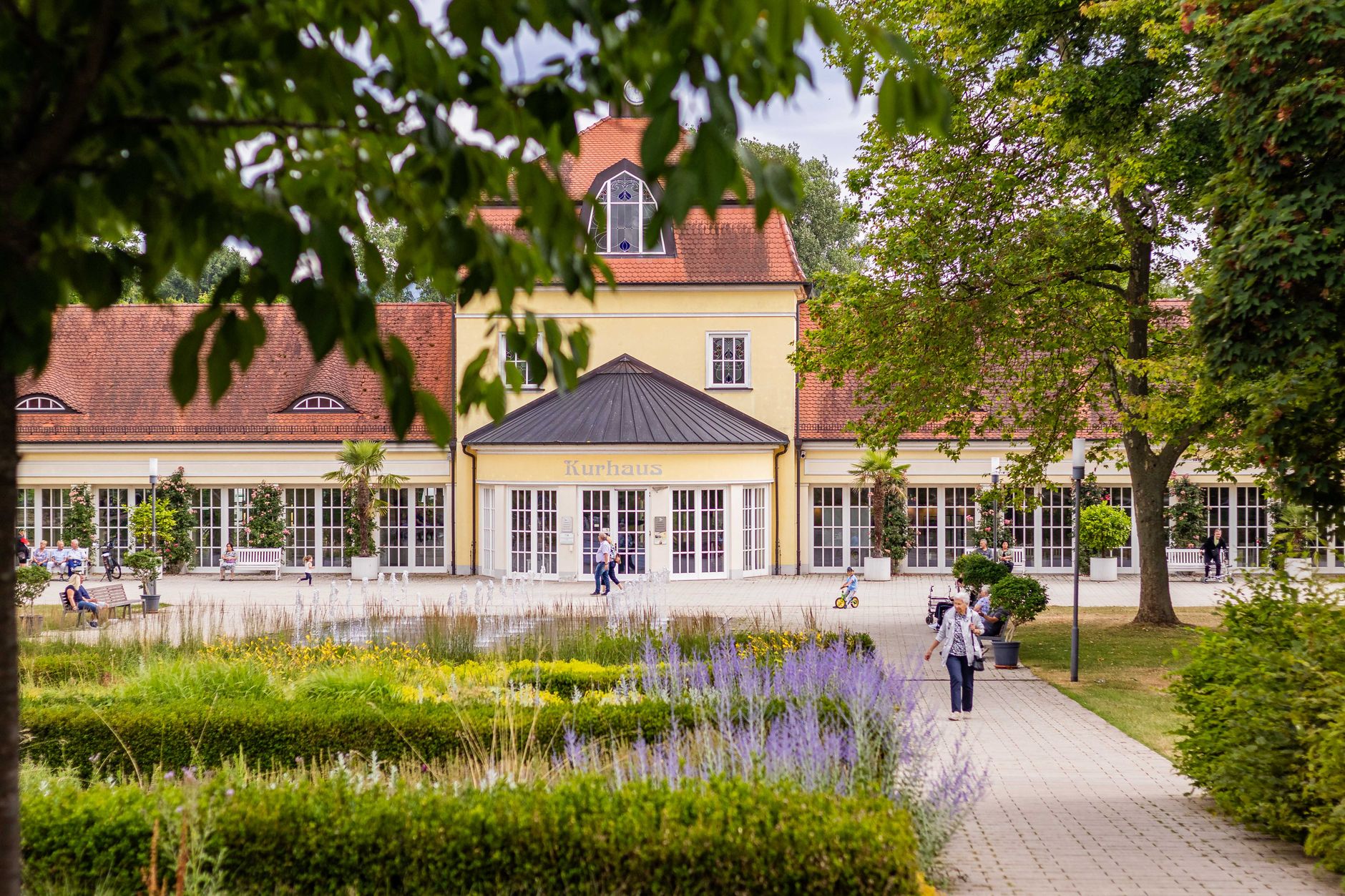
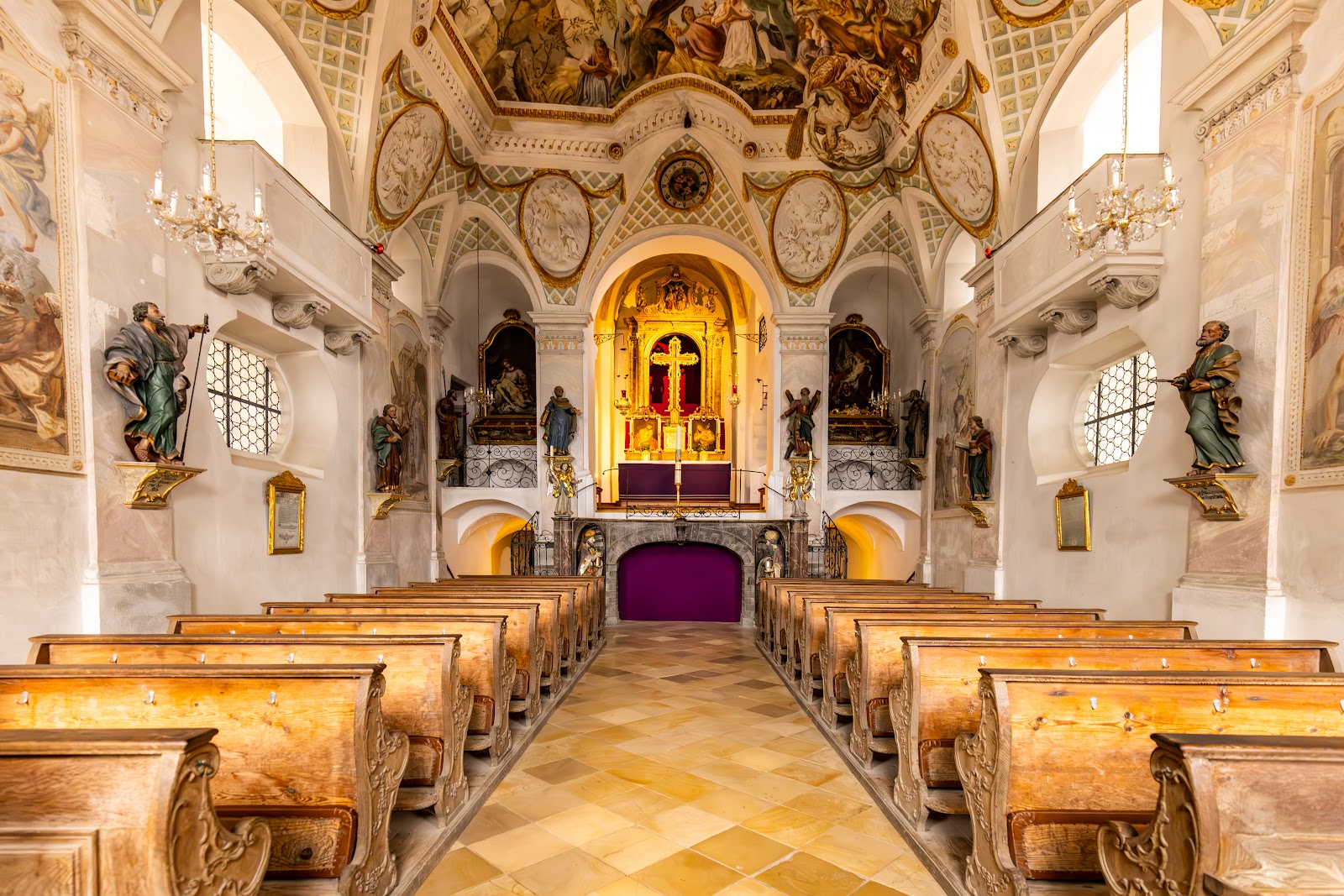
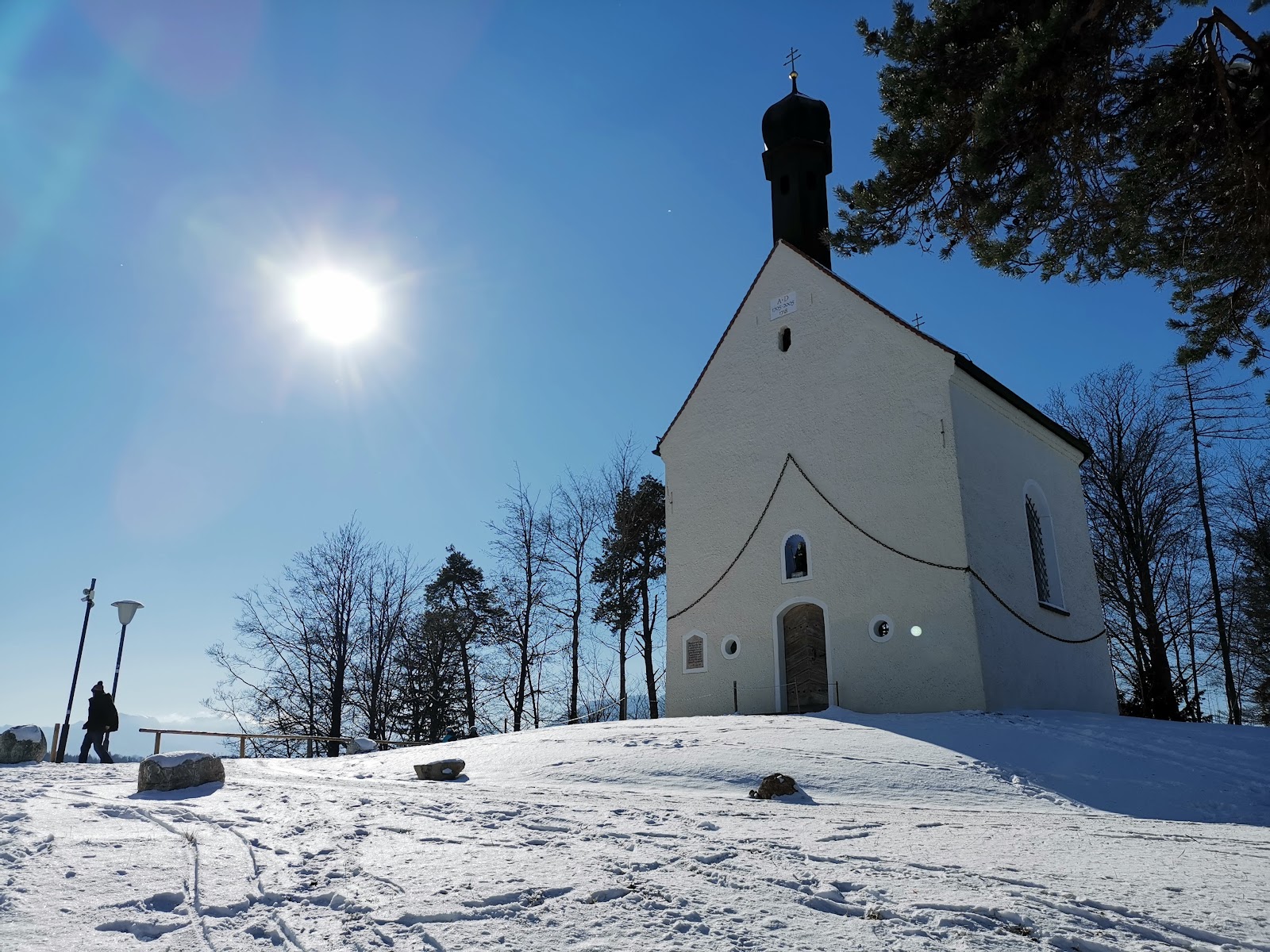
The iodine springs that gave the town its 'Bad' prefix in 1899 pulled a different kind of traffic: the ailing, the leisured, and eventually Thomas Mann, who kept a summer villa here from 1906 to 1917. The spa infrastructure has moved to the quieter western bank of the Isar, leaving the historic eastern side to its gabled geometry and the Kalvarienberg hill, where a Baroque pilgrimage church looks down over the whole arrangement.
💛 What travellers fall for
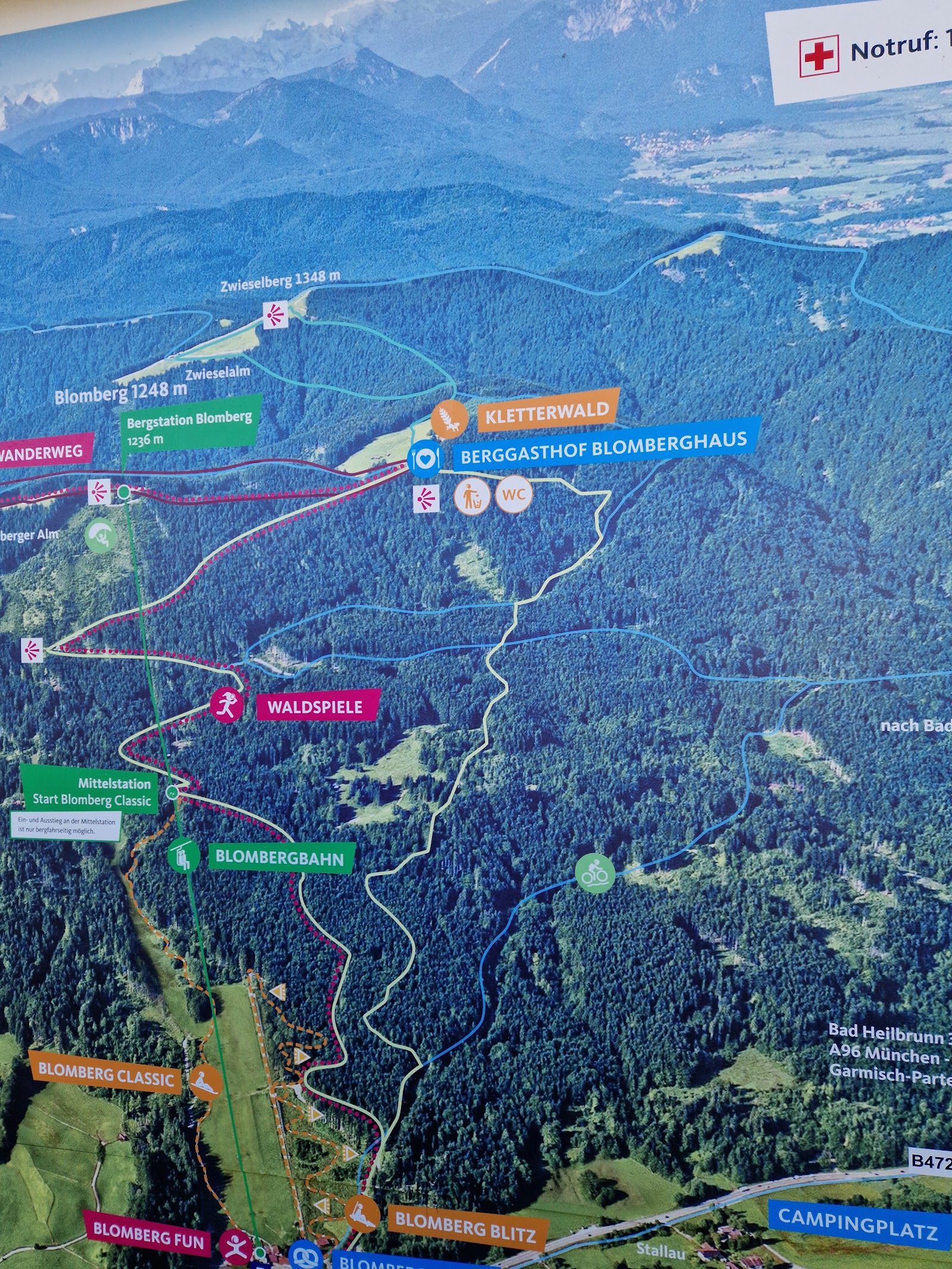
People who come back tend to time it around the Leonhardi pilgrimage, when horse-drawn wagons make for the Kalvarienberg chapel in an old autumn ritual. They also mention the Blomberg toboggan run — the 1.3 km summer track is genuinely faster than it looks — and the train from Munich, which deposits you a short walk from Marktstraße with no car required.
Experiences you don't want to miss


Deals in Bad Tölz
Book directly at the provider

How Bad Tölz came to be
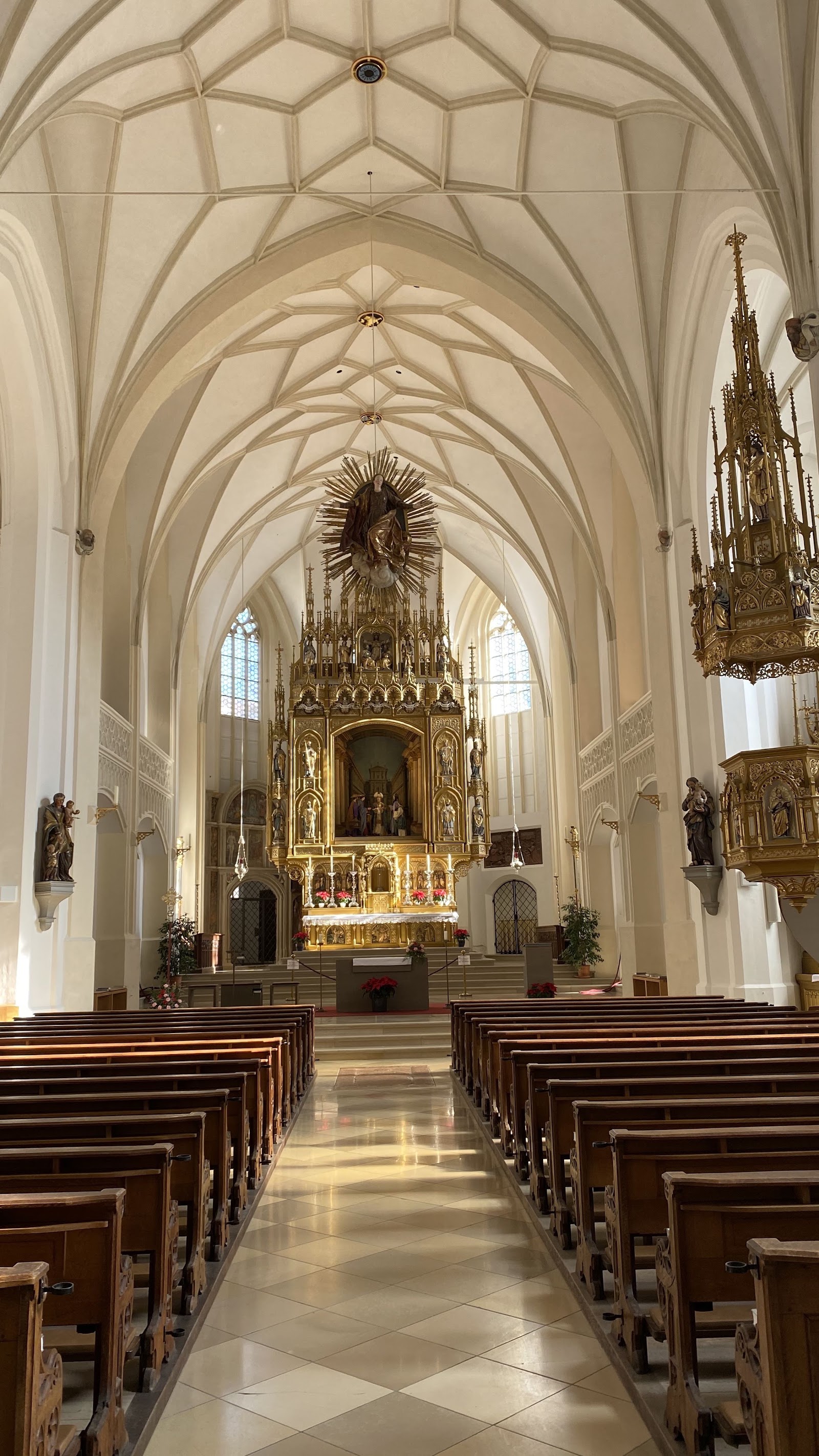
The Isar crossing here was worth controlling long before anyone called it Tölz — the name first appears in documents in 1180, and by the 14th century the town had grown fat on the salt and lumber trade moving along the river. Louis IV granted market status in 1331. The 1453 fire remade the skyline in stone, and the rebuilt Stadtpfarrkirche, completed in 1466, anchors the late-Gothic end of what became a centuries-long architectural conversation on Marktstraße.
The 19th century pivoted the town again: iodine-rich springs discovered beneath the fields brought spa seekers, and the 'Bad' was officially added to the name in 1899. The 20th century left harder marks — an SS officer training school was established near town in 1937, drawing on forced labour from a Dachau subcamp. In May 1945, a death march from Dachau was halted two kilometres short of the nearby village of Waakirchen by Nisei U.S. Army soldiers. The former SS school later housed the U.S. Army's 1st Battalion, 10th Special Forces Group until 1991.
Who and what shaped it
People who shaped it
Landmark buildings
See Bad Tölz in motion
Plan your visit
On the map
When to go
Summers are moderately warm — July averages around 23°C — though May through August also brings the heaviest rainfall, so a layer and a compact umbrella earn their place in the bag. Winters are cold and can be snowy, which suits the Blomberg hill well enough but calls for proper footwear on the cobbled Marktstraße.
Right now
↡ Attractions

Background & history adapted from Wikipedia (CC BY-SA) · specs from Wikidata (CC0) · weather from Open-Meteo · map data © OpenStreetMap contributors · photos from Wikimedia Commons / Unsplash with per-image credit. No third-party reviews or social posts reproduced.