
Marktstraße Bad Tölz
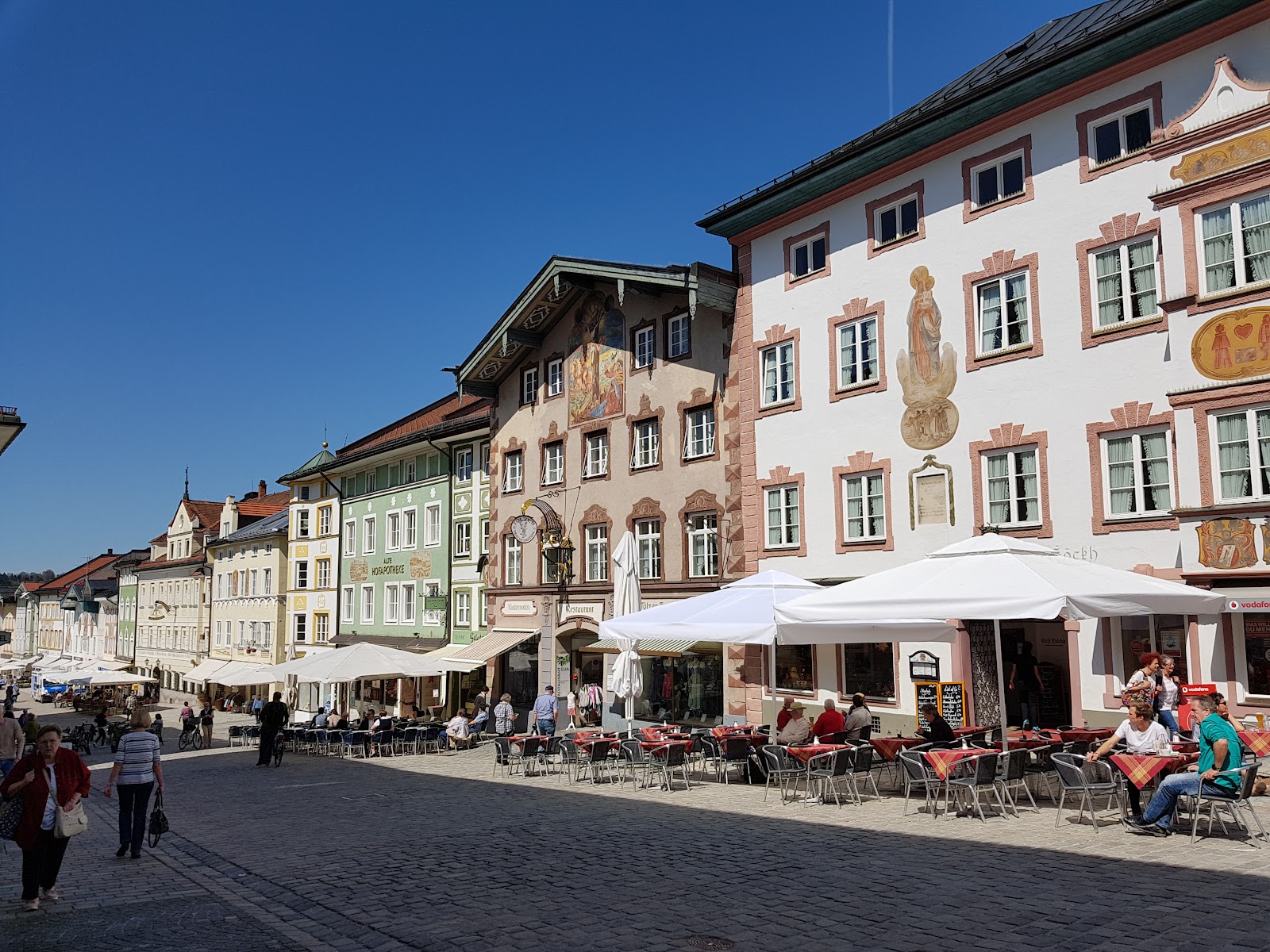
Marktstraße is the spine of Bad Tölz — a broad, gently sloping pedestrian street paved in natural stone, lined with 18th-century gabled houses whose painted facades catch the light differently at every hour. The Lüftlmalerei murals aren't decorative afterthoughts; they're the visual language of this part of Bavaria, and here they cover apothecaries, former post stations, and private homes with equal confidence.
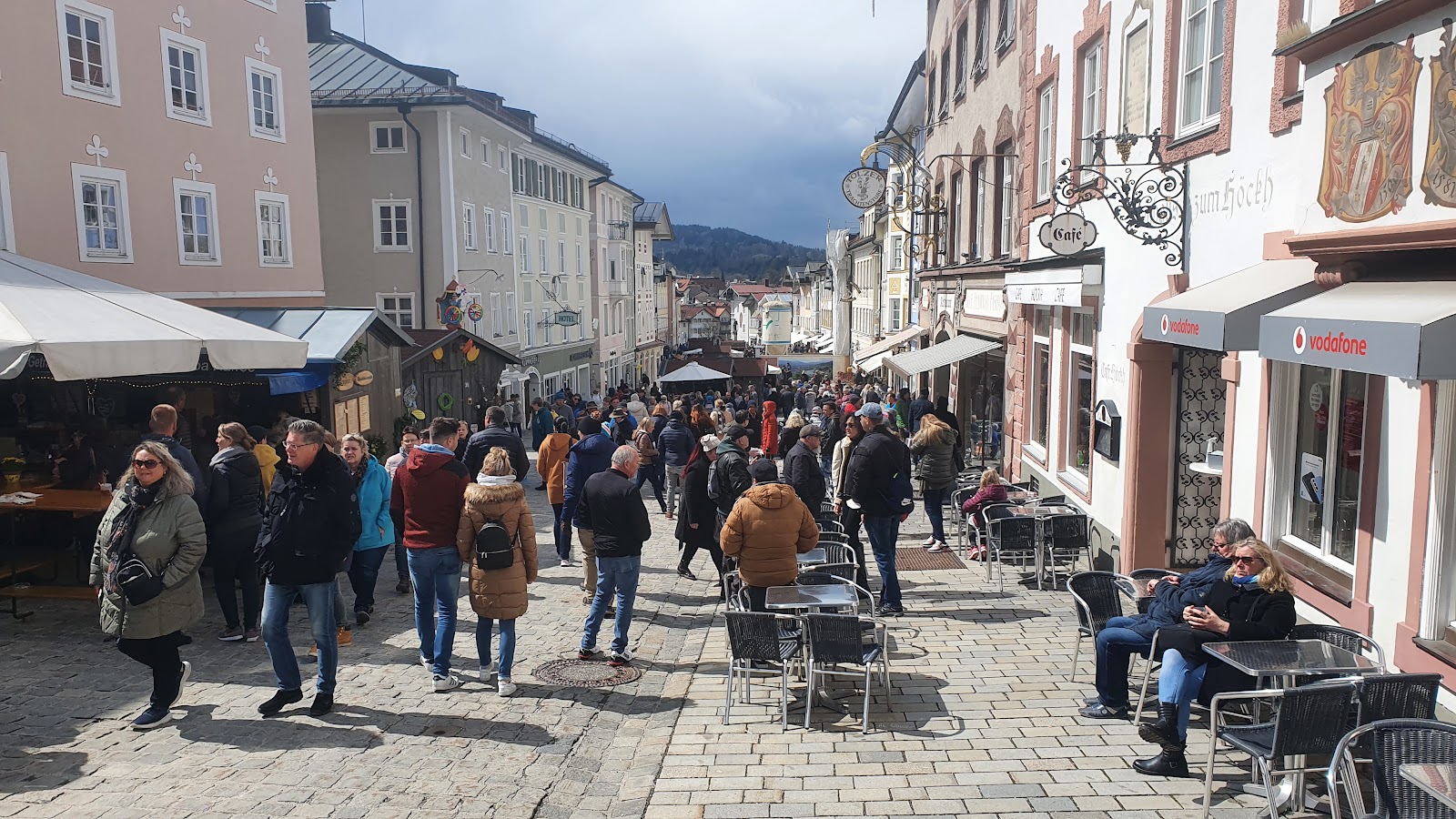
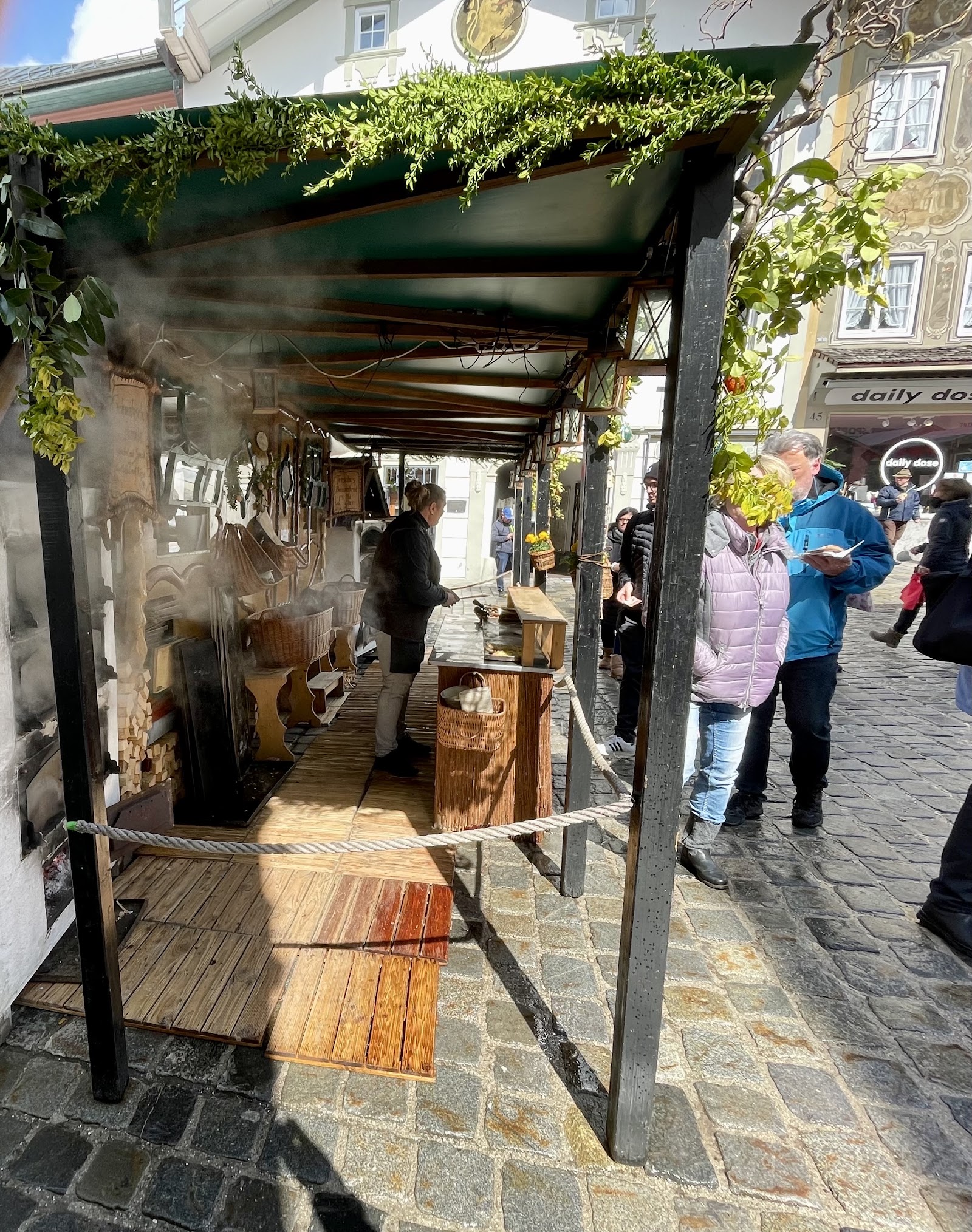
On Friday mornings, a farmers' market spreads from the upper street all the way down to the Isar, and the rhythm of the place shifts — locals with canvas bags, cheese sellers, the smell of bread. The rest of the week, the street holds a quieter pace: coffee under a parasol, a pharmacy that was once a Grand Ducal court institution, alleyways that peel off toward the river.
💛 What travellers fall for
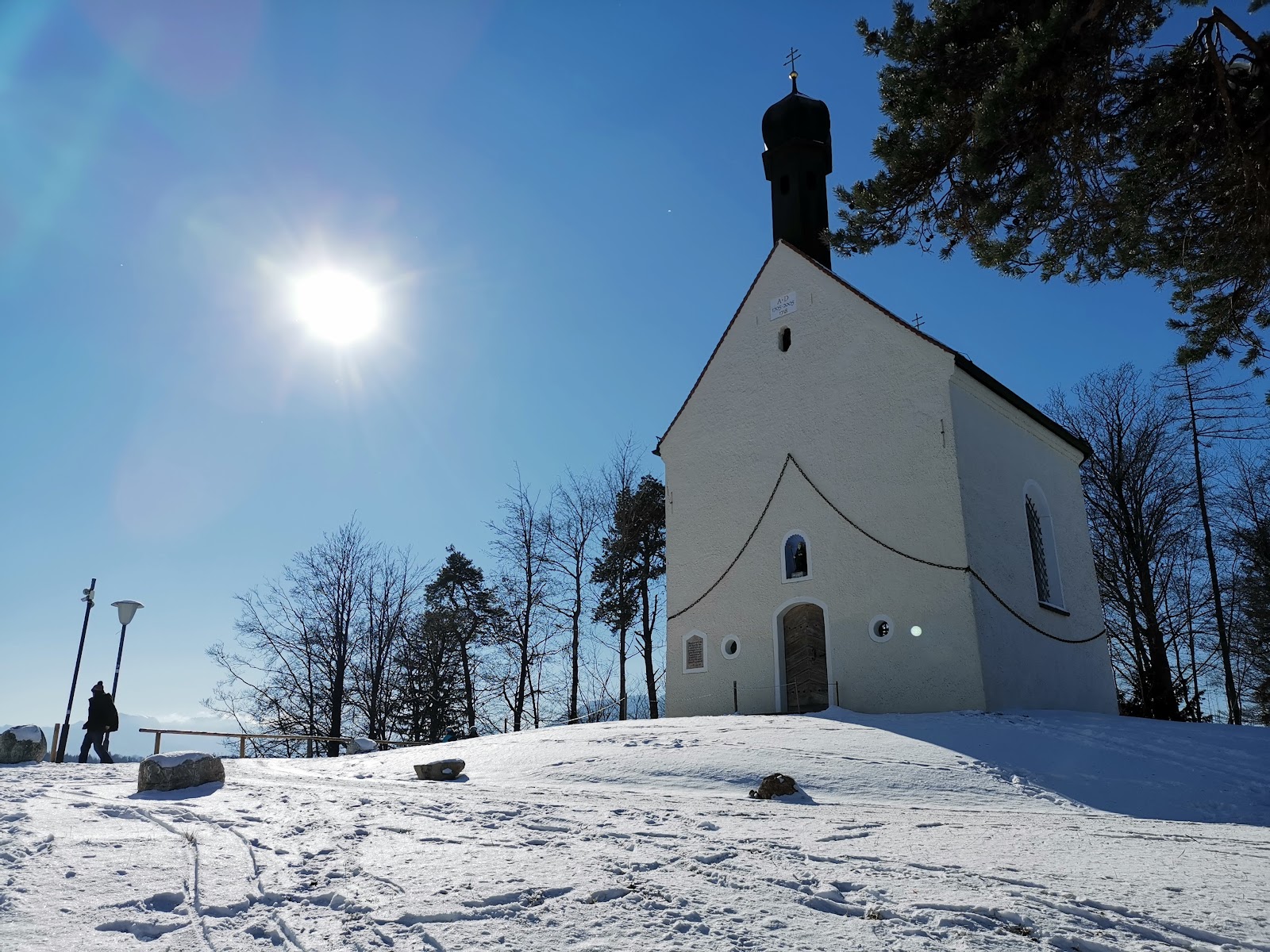
People who come back tend to time it around the Friday market, then walk the full length slowly, stopping at the Alte Hofapotheke for the Lüftlmalerei detail above the door. The Kolberbräu, once a post station, is the reliable lunch anchor. From the upper end, Kalvarienberg is a quarter-hour on foot — worth combining.
The story behind Marktstraße Bad Tölz
Bad Tölz appears in documents as early as 1180, and the Marktstraße likely took shape in the 13th century under the Wittelsbach dynasty, who used it as a central trade and transport axis. Market rights followed in 1331, granted by Emperor Ludwig of Bavaria, cementing the street's commercial role for the next five centuries.
By the late 19th century, many of the old town houses had fallen into disrepair. Munich architect Gabriel von Seidl led the restoration between roughly 1900 and 1910, stripping away neo-Gothic additions and reorienting the facades toward an Alpine vernacular. His most complete work here is the former town hall — its core dates to 1634 — which he remodeled in 1904–05 and which later became the Stadtmuseum. The Marienstift at the Isar-facing entrance also carries his touch. Bad Tölz received its spa designation in 1899 and town status in 1906, both of which shaped the confident, well-maintained character the street still projects.
Good to know
BRB trains run direct from Munich; Bad Tölz station is a short walk from the street. Buses X380 and X970 also serve the town. The street itself is free to walk any time. Friday mornings are the most alive. Allow two hours for a relaxed end-to-end including the side alleys.
July and August bring average highs around 22–23°C — warm enough for the parasol culture the street is known for, with the Isar nearby for a swim. Spring and early autumn are quieter and sharper; the painted facades read well in low-angle light. Winter markets do appear in the region, though the street's character is most fully expressed in the warmer months.
Where is Marktstraße Bad Tölz?
Location
- In Bad Tölz
- 47.7606, 11.5583
- Open in Google Maps
More tickets & tours for Marktstraße Bad Tölz
Book directly at the provider
More of Bad Tölz
Discover where to stay, what to do and the best deals for your trip.
Explore Bad Tölz →More attractions in Bad Tölz
All of Bad Tölz →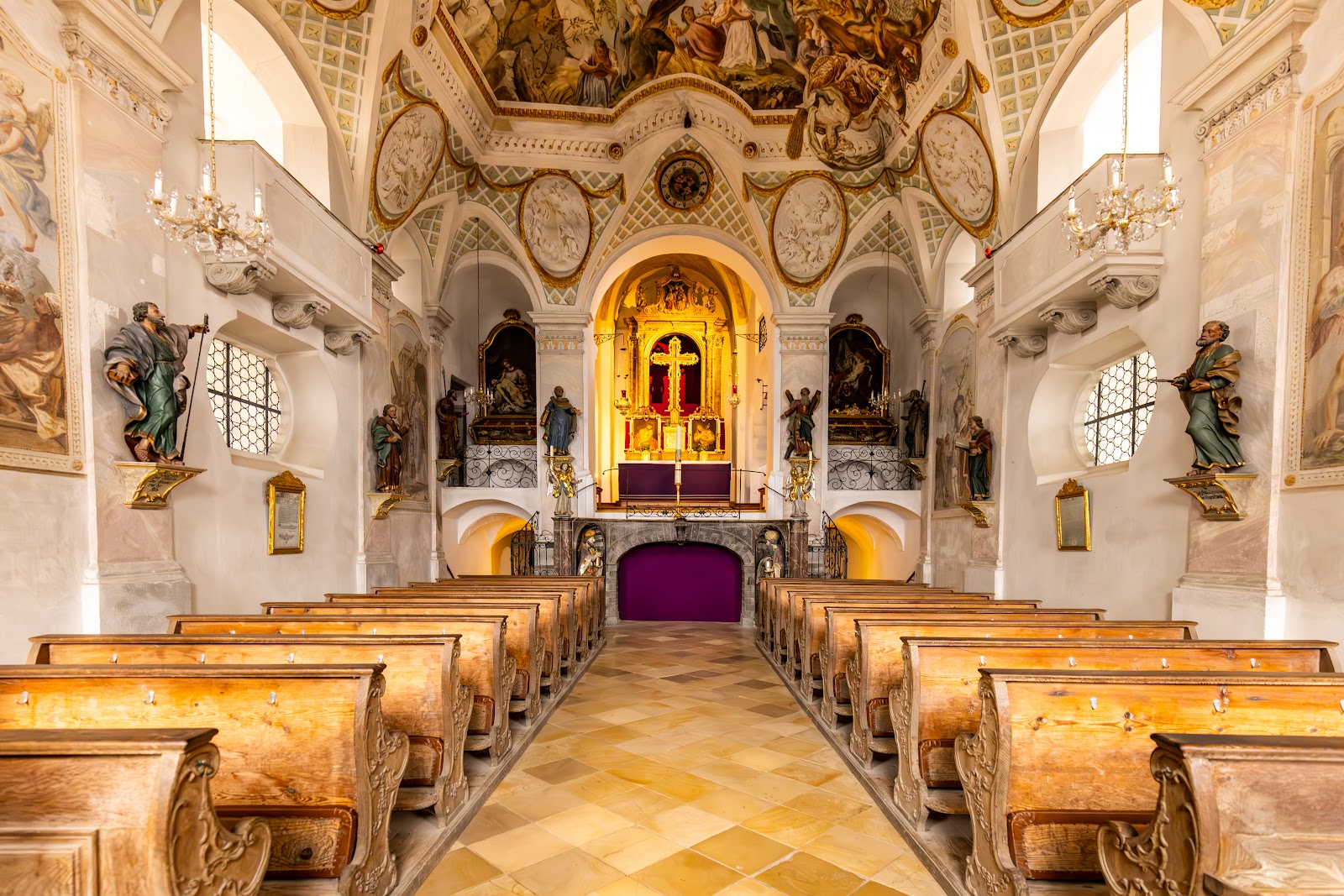

Background adapted from Wikipedia (CC BY-SA) · map data © OpenStreetMap contributors · ratings & place photos via Google · other photos with per-image credit. Ticket links may earn us a commission at no extra cost to you.