
Leonhardifahrt (Leonhardikapelle)
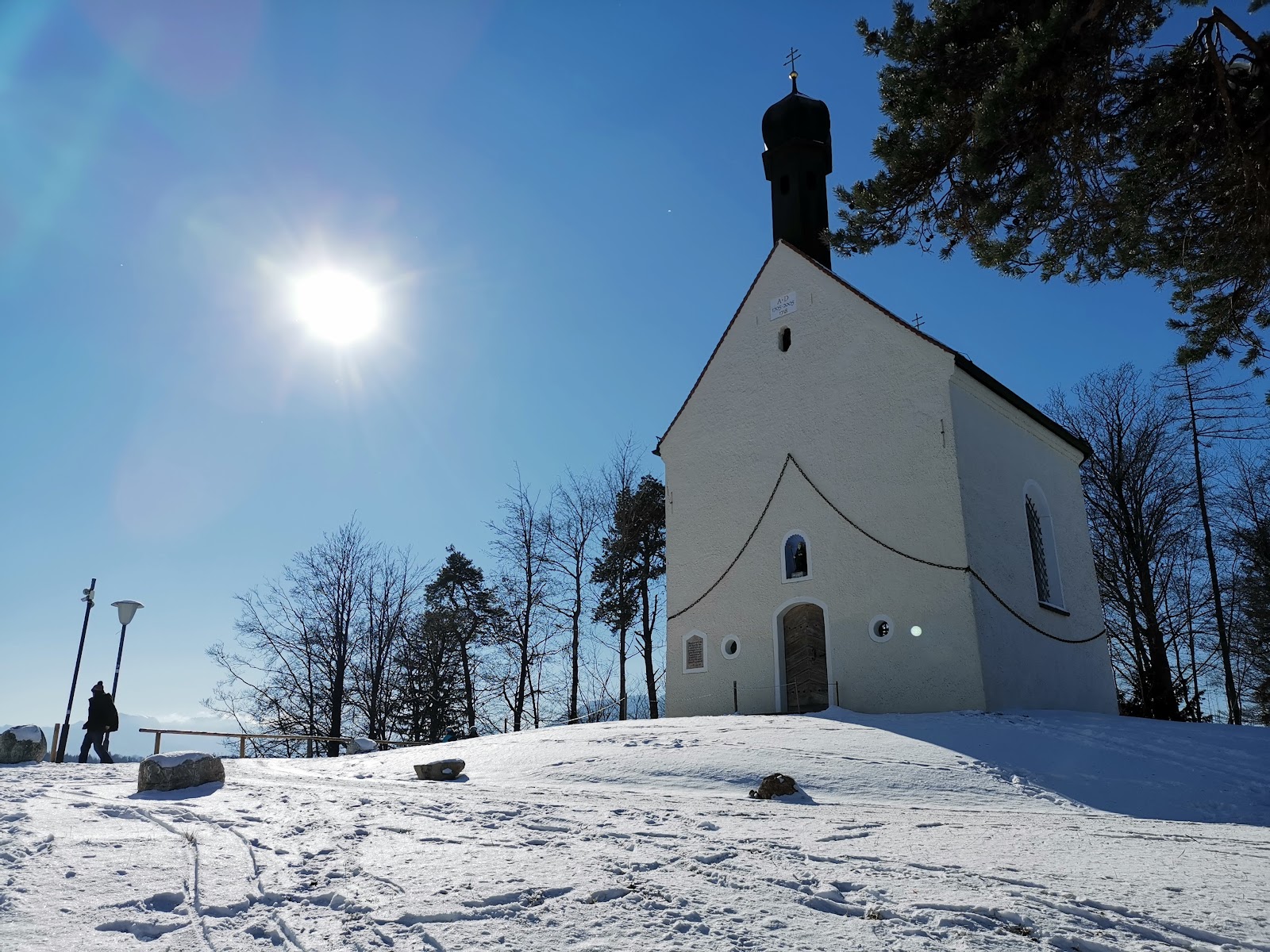
Every year on November 6, Bad Tölz closes its schools, shutters its banks, and sends roughly eighty four-horse wagons rolling through the Isar valley. This is the Leonhardifahrt — a procession in honour of St. Leonhard, patron of livestock, that ends at a small 1718 chapel on the Kalvarienberg hill, its walls circled by an iron chain. The chain is the saint's emblem: he was said to free prisoners, and the Tölz carpenters who built the chapel were giving thanks for their own survival.
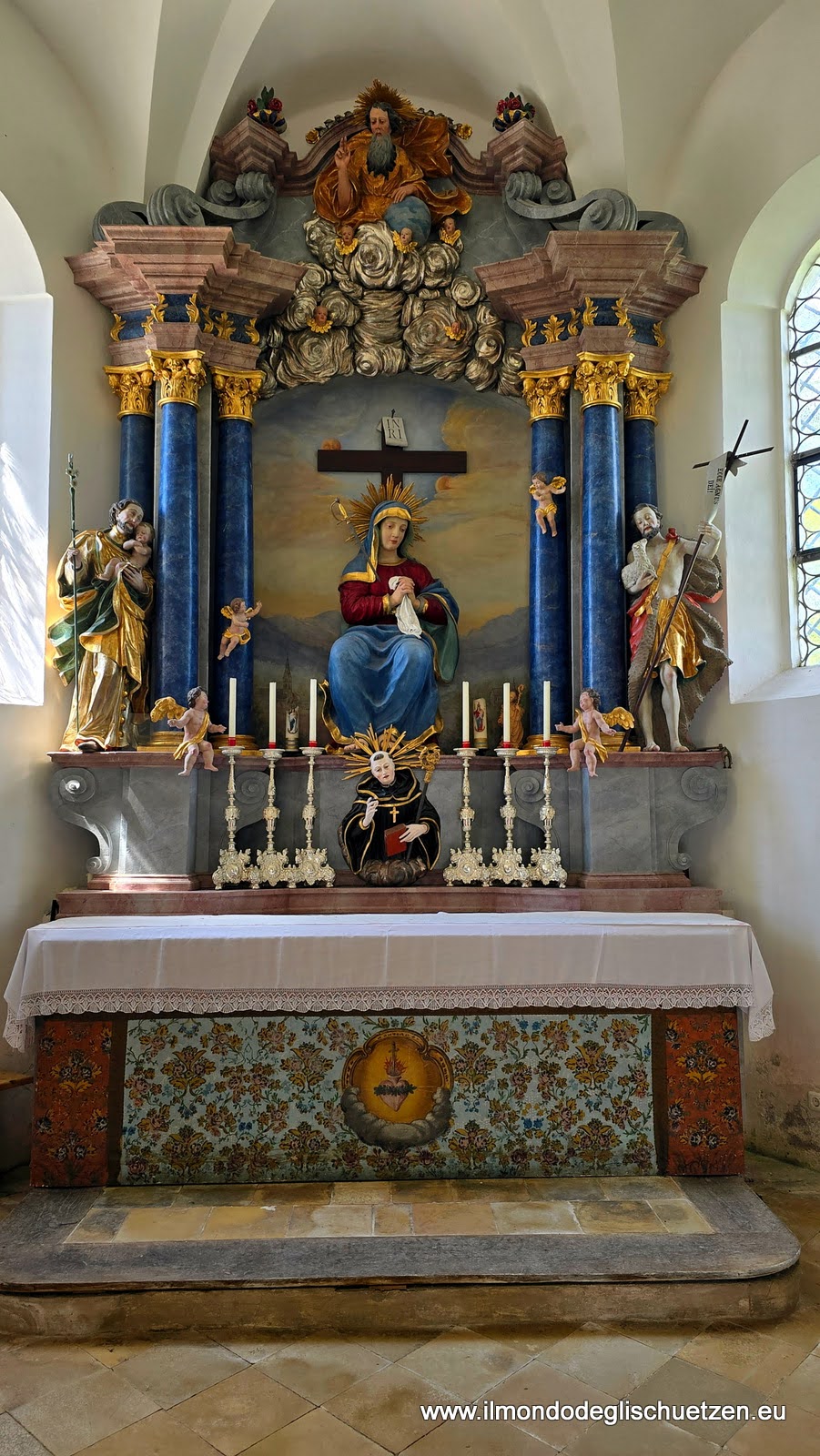
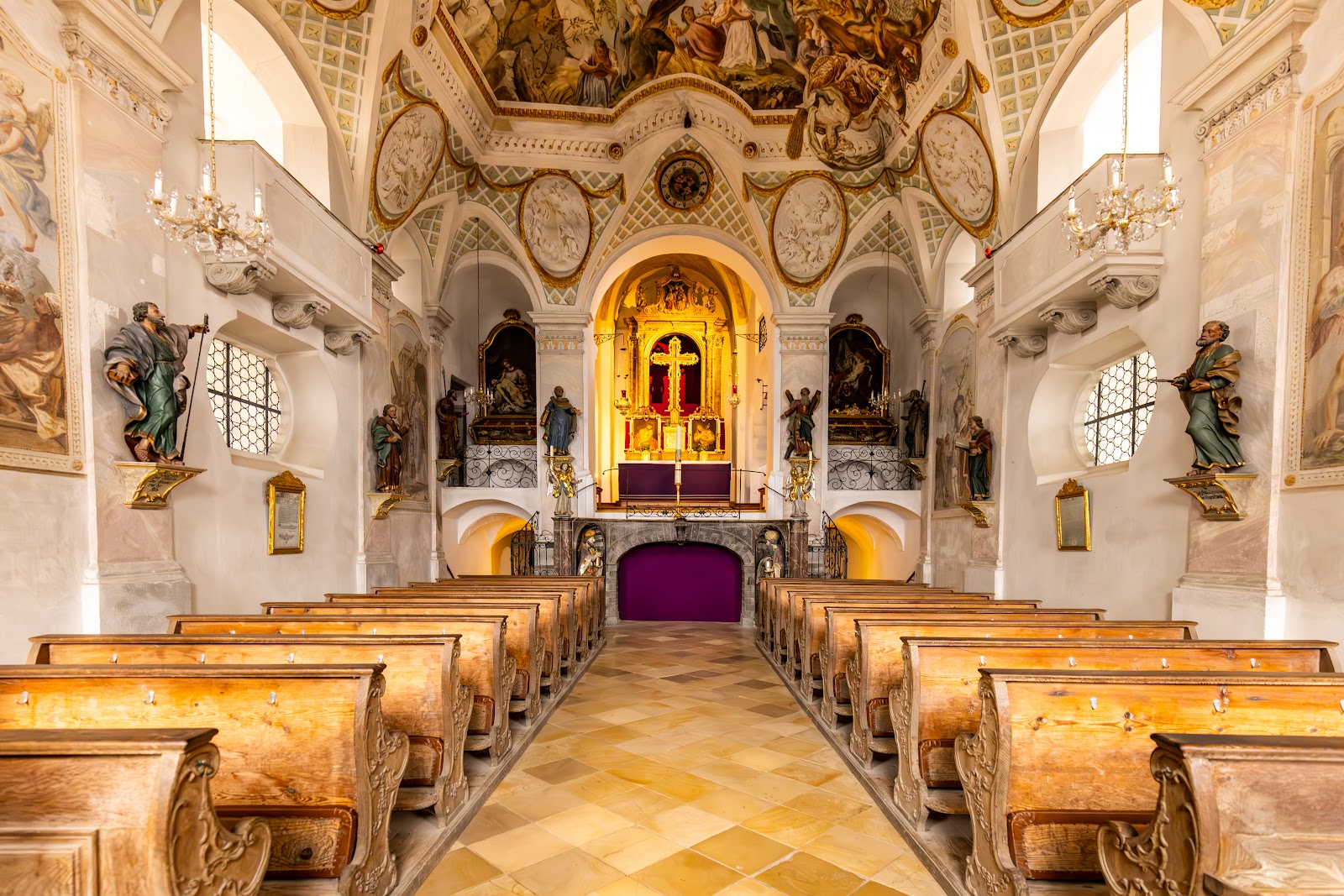
At the centre of it all is the Leonhardikapelle itself — compact, early Rococo, with an altar from 1718–22 depicting Mary as Mother of Sorrows. Outside, the procession passes once around it before horses and riders receive a blessing from the clergy.
💛 What travellers fall for
People who come back tend to position themselves on the Isarbrücke well before 9 AM, when the wagons are still assembling in the Bäderviertel side streets. Watch for the Truhenwagen from 1785 — blue-painted, narrow, five or six metres long, its iron-shod wheels ringing on cobblestone. Then follow on foot to Kalvarienberg for the blessing, and stay for the Goaßlschnalzer whip-crackers in the afternoon.
The story behind Leonhardifahrt (Leonhardikapelle)
The Leonhardikapelle was built in 1718 by Tölz carpenters as an act of thanksgiving — for surviving the Sendlinger Bauernschlacht of 1705, a peasant uprising in which many from the region died. The iron votive chain that still encircles the chapel was added in 1743, linking the building permanently to St. Leonhard's role as liberator of prisoners and protector of animals.
A procession to the chapel was first recorded in 1772, but it was Pfarrer Joseph Pfaffenberg who gave it its current structure in 1856, fixing the date to November 6. The event was inscribed as Bavarian intangible cultural heritage by UNESCO in July 2016 and added to the German federal registry that December. In 2020, organisers moved the procession to a weekday to address the disorder that accompanied a 2010 Saturday edition — a rule first applied in 2022.
Good to know
The procession is free to attend. It departs Max-Höfler-Platz at 9 AM, with the service around 11 AM and a return to Mühlfeldkirche by 1 PM. November 6 is a city holiday — plan accordingly, as most local businesses close. Viewing tribunes are set up on Marktstraße and at Kalvarienberg.
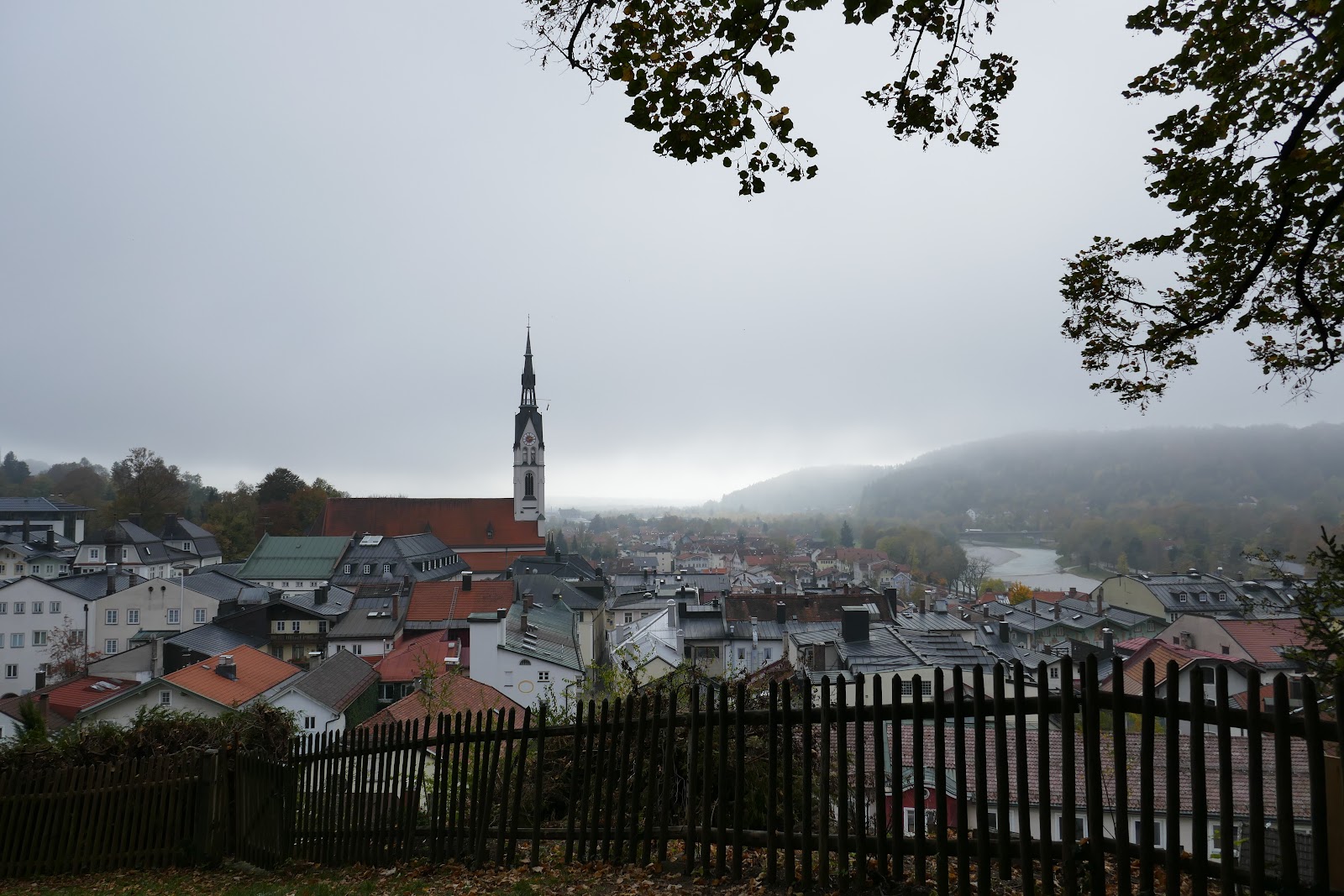
November in Bad Tölz is cold and often overcast, with temperatures typically between 0 and 8°C. The procession goes ahead in any weather, so a warm layer and waterproof boots are practical rather than optional.
Where is Leonhardifahrt (Leonhardikapelle)?
More tickets & tours for Leonhardifahrt (Leonhardikapelle)
Book directly at the provider
What travellers say about Leonhardifahrt (Leonhardikapelle)
Beautiful historic Chapel. A must see during the Leonarifahrt.!
Gut
Anyone visiting Bad Tölz who has time will surely make the trip up Calvary Hill to visit the pilgrimage church! While there, be sure to also take the time to visit the nearby St. Leonard's Chapel! It's the perfect place for a few quiet moments, a welcome escape from the hustle and bustle of the main church, especially since its interior is also well worth seeing!
First, I recommend that anyone interested read about the highly interesting history of the little church on Wikipedia. I also find it remarkable that the vow made at that time gave rise to a pilgrimage to St. Leonard, which is still known far beyond the borders of the Oberland region and is attended annually by numerous believers in decorated 🐴 wagons or on 🐎 horseback.
Beautiful chapel in a beautiful location
More of Bad Tölz
Discover where to stay, what to do and the best deals for your trip.
Explore Bad Tölz →More attractions in Bad Tölz
All of Bad Tölz →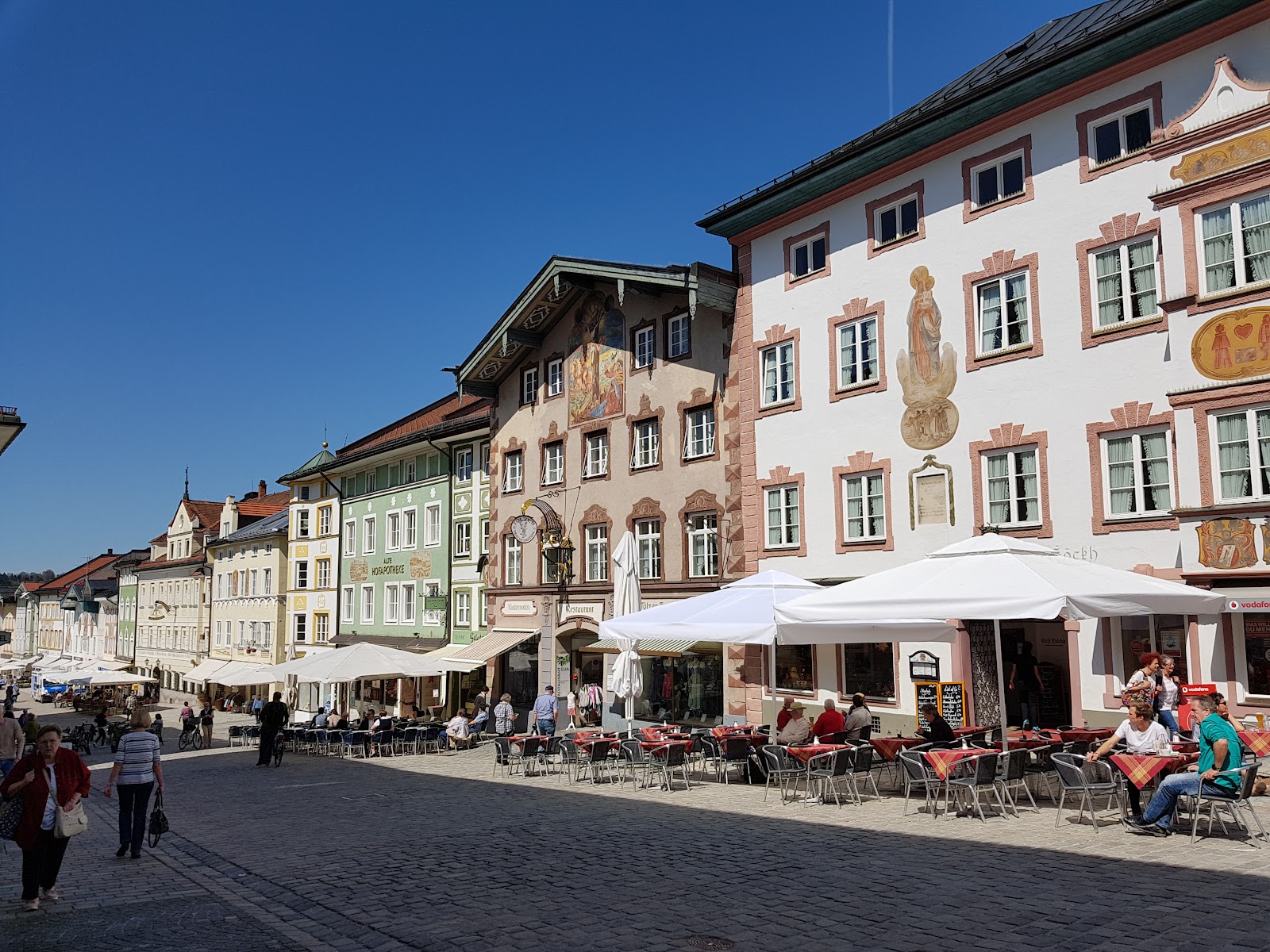

Background adapted from Wikipedia (CC BY-SA) · map data © OpenStreetMap contributors · ratings & place photos via Google · other photos with per-image credit. Ticket links may earn us a commission at no extra cost to you.