
Stadtpfarrkirche Mariä Himmelfahrt
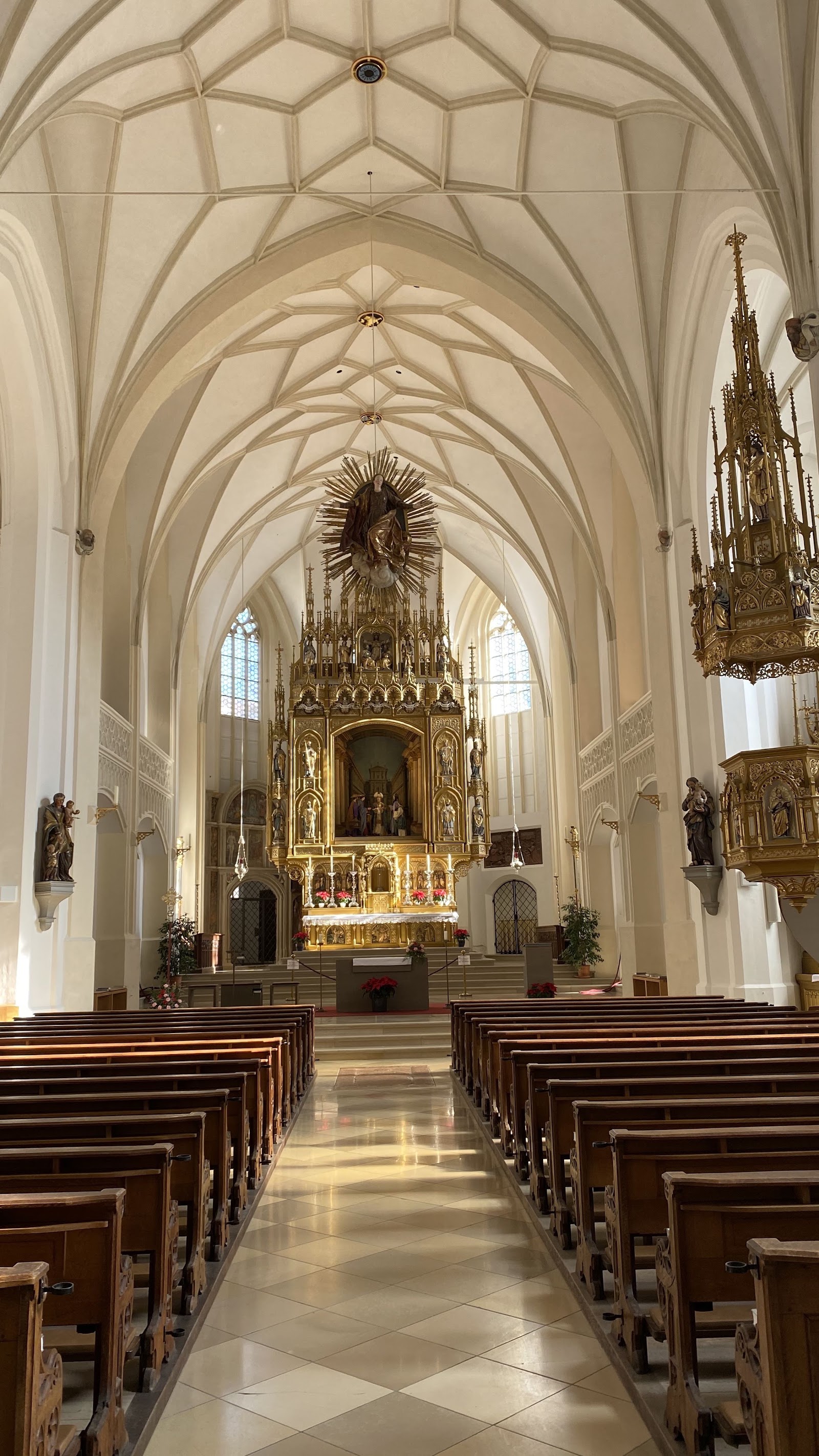
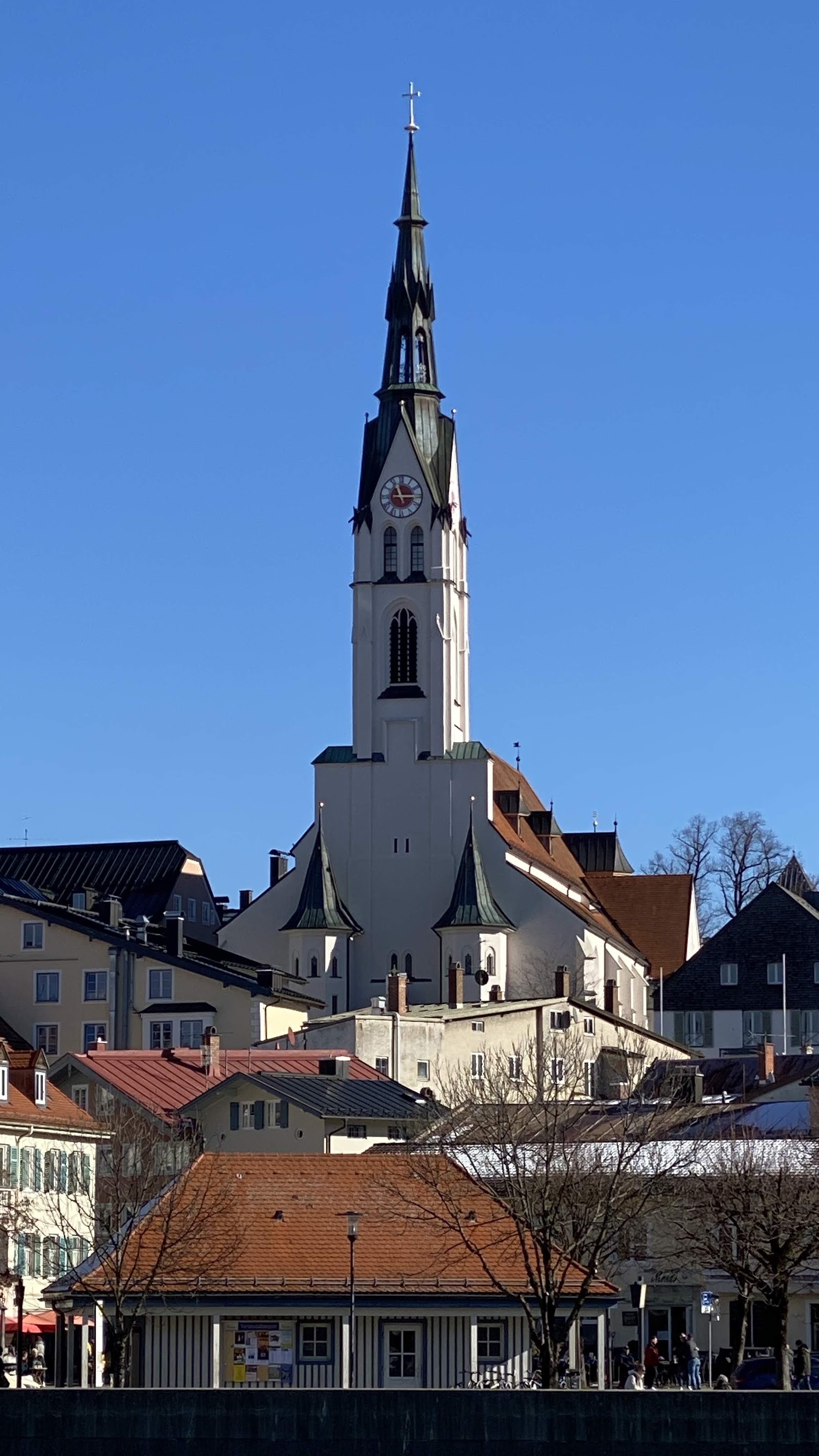
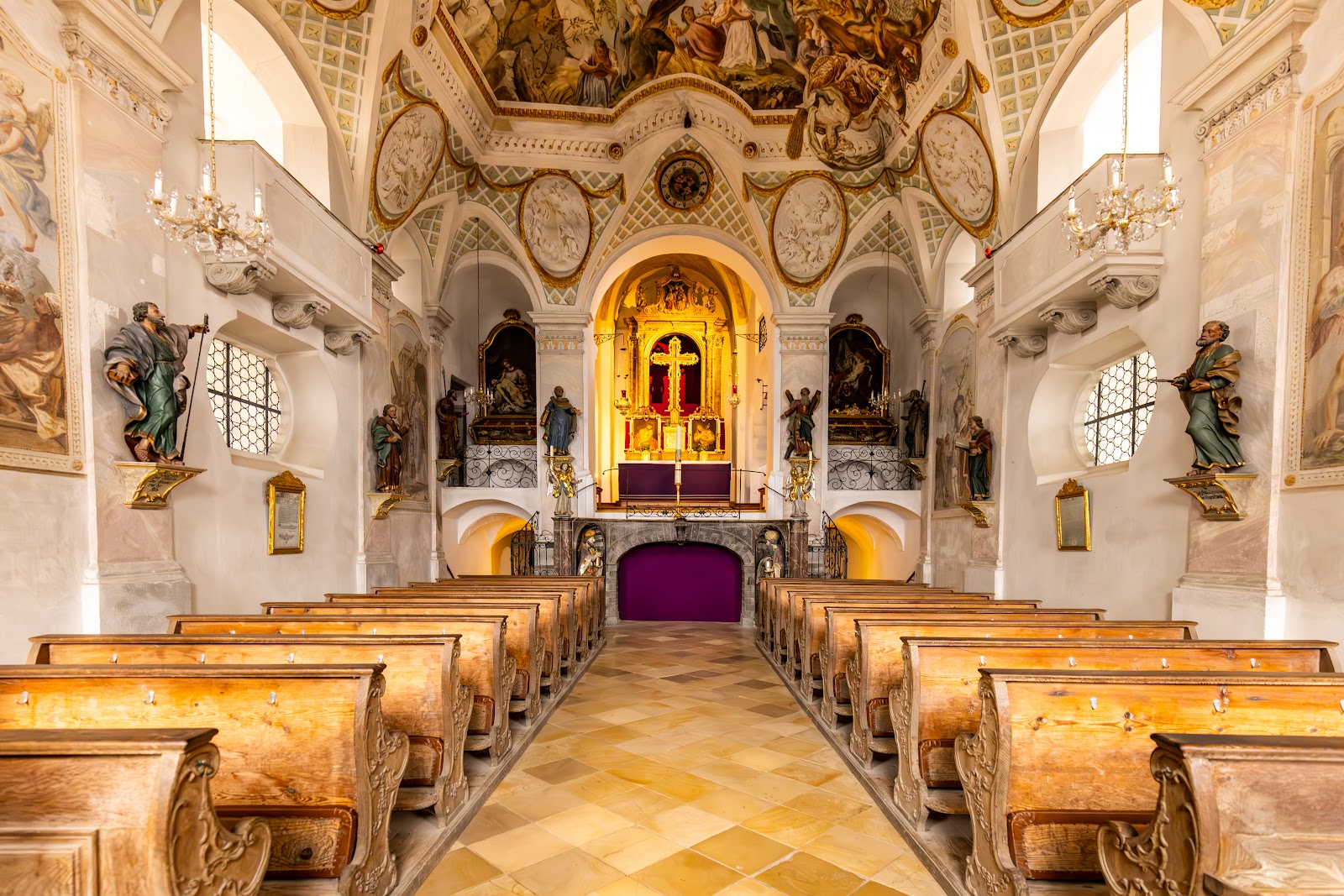
The oldest surviving structure in the Isarwinkel region announces itself before you reach it: a 62-meter neo-Gothic tower that Bad Tölz's citizens once debated bitterly in the local press, a 1873 editorial lamenting the church's "stunted appearance" until the town finally rebuilt the tower between 1875 and 1877. Step inside the three-aisled Gothic hall and your eyes travel upward to a floating Madonna by Weilheim sculptor Bartholomäus Steinle, carved in 1611, suspended in the triumphal arch before the choir — rays of gilded light spreading behind her.
The church has been standing, in one form or another, since at least 1262, first as a chapel, then rebuilt in late-Gothic style after a fire levelled much of the town in 1453. Beneath your feet, 278 support columns stabilise the structure against the soft ground — a modern engineering feat monitored by TU Munich, invisible but quietly essential.
💛 What travellers fall for
People who return tend to linger in the two choir chapels rather than the nave. The north chapel holds a copy of the Lucas Cranach the Elder Maria-Hilf painting from Innsbruck; the south Sebastian Chapel has a Johann Ulrich Loth altar painting commissioned during plague years. Walk the exterior perimeter too — old gravestones from the cemetery that surrounded the church until 1615 are set directly into the outer wall.
The story behind Stadtpfarrkirche Mariä Himmelfahrt
A chapel on this site was documented in 1262, attached to a local castle. In 1453 a fire swept through Bad Tölz, taking the market, the castle and the church with it. Reconstruction began almost immediately, with Michael Gugler directing a late-Gothic rebuild from 1466. The Winzerer family — among the town's prominent clans — added a private burial chapel on the choir's left side in 1513.
The 17th century brought Baroque intervention: Bartholomäus Steinle carved the high altar in 1611, and a remodelling followed in 1612. Then came a full regothicisation between 1854 and 1877, including Georg Schneider's 14-meter high altar in 1866 and, after that newspaper controversy, the neo-Gothic tower completed in 1877. The main organ, by Georg Jann, dates to 1978 — 37 registers across three manuals and pedal.
Good to know
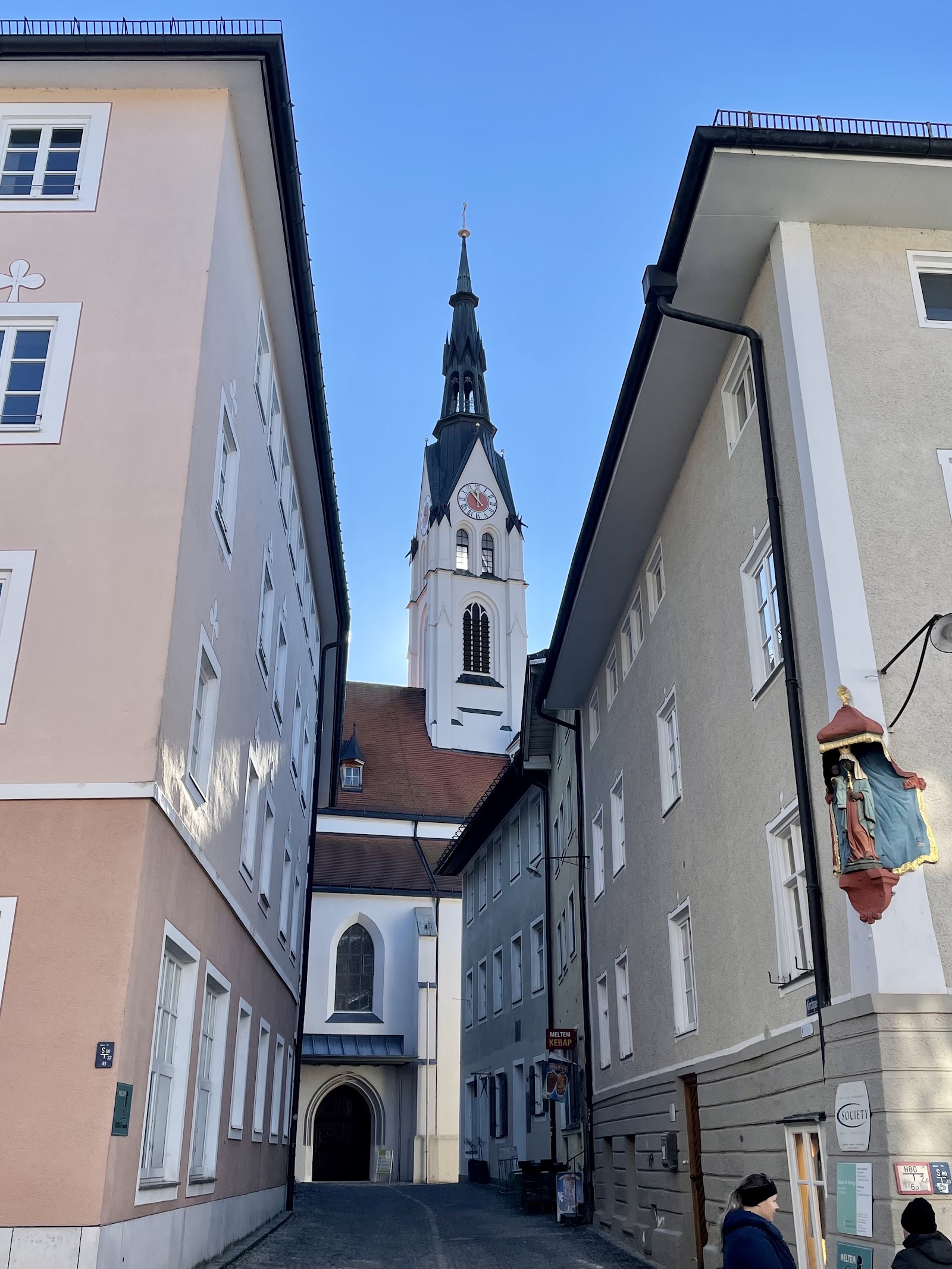
The church sits just off Marktstraße via Kirchgasse. From Bad Tölz train station (BOB line from Munich, roughly one hour) it's about a ten-minute walk through the Altstadt. Guided tours are available; confirm current hours locally before visiting as none are published reliably online.
Where is Stadtpfarrkirche Mariä Himmelfahrt?
More tickets & tours for Stadtpfarrkirche Mariä Himmelfahrt
Book directly at the provider
What travellers say about Stadtpfarrkirche Mariä Himmelfahrt
This church reflects the simplicity of our Blessed Mother. Nice place to say a quick prayer while in Bad Tölz.
Very beautiful church.....walking to it is ok but not for limited mobility
This is the central church of our historic town of Bad Tölz. The church is called the Church of the Assumption of Mary. It is a very impressive cathedral that rises above the entire town and is located directly on Bad Tölz's main street – the beautiful historic market street. In my opinion, it is the undeniable calling card of our town and possesses a unique architectural appearance that immediately identifies it as a cathedral – and that it is located here in Bad Tölz.
A beautiful, peaceful church with a pulpit you can walk through... The organ in the front is also now accessible. Unfortunately, the first floor is not... Here, visiting a church is a pleasure, as you aren't overwhelmed or bothered by religious themes...
During a stay in Bad Tölz, you should definitely take the time to visit the town church "Mariä Himmelfahrt". It is worthwhile to forget the stress and hectic pace of life for a few contemplative minutes and to admire the beauty inside during a service!
More of Bad Tölz
Discover where to stay, what to do and the best deals for your trip.
Explore Bad Tölz →More attractions in Bad Tölz
All of Bad Tölz →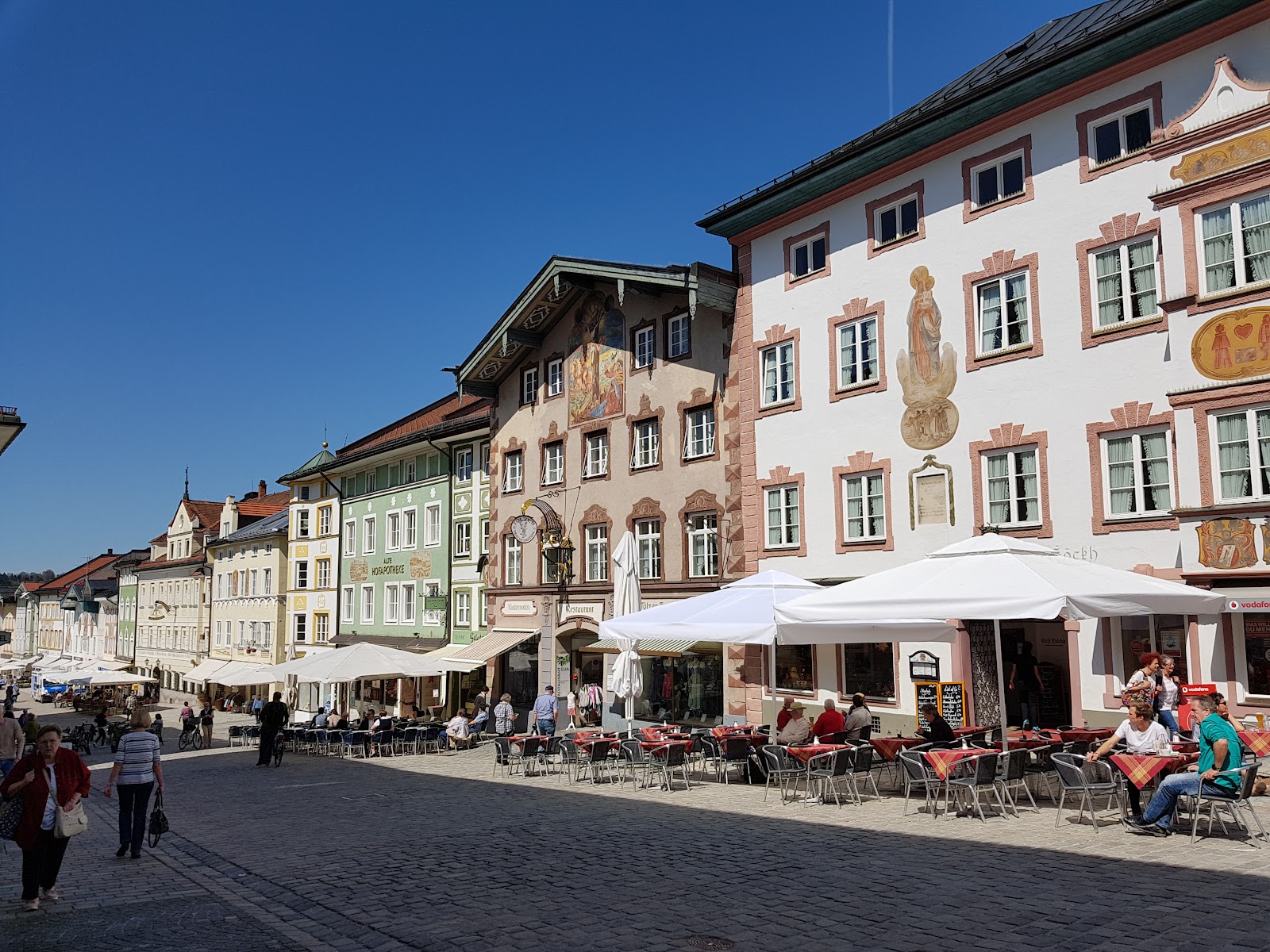

Background adapted from Wikipedia (CC BY-SA) · map data © OpenStreetMap contributors · ratings & place photos via Google · other photos with per-image credit. Ticket links may earn us a commission at no extra cost to you.