
Acquedotto Mediceo
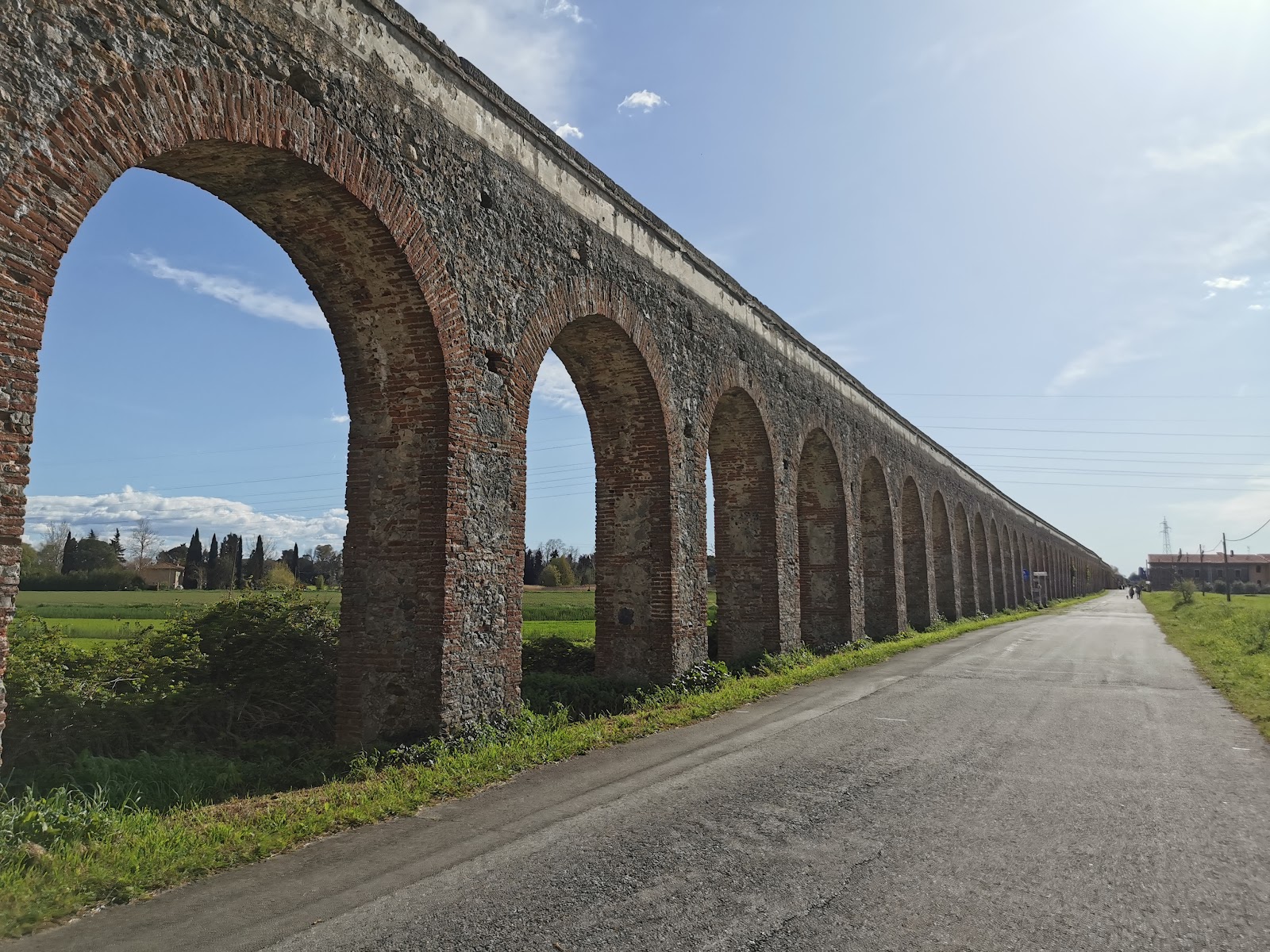
The first thing you see arriving in Pitigliano from the south is not the town itself but the aqueduct — two great tufa arches and a long run of smaller ones stepping across the ravine, still carrying the geometry of the Renaissance into the present. It was built from the same soft volcanic rock as everything else here, quarried locally and fitted by craftsmen from Viterbo who knew the material.
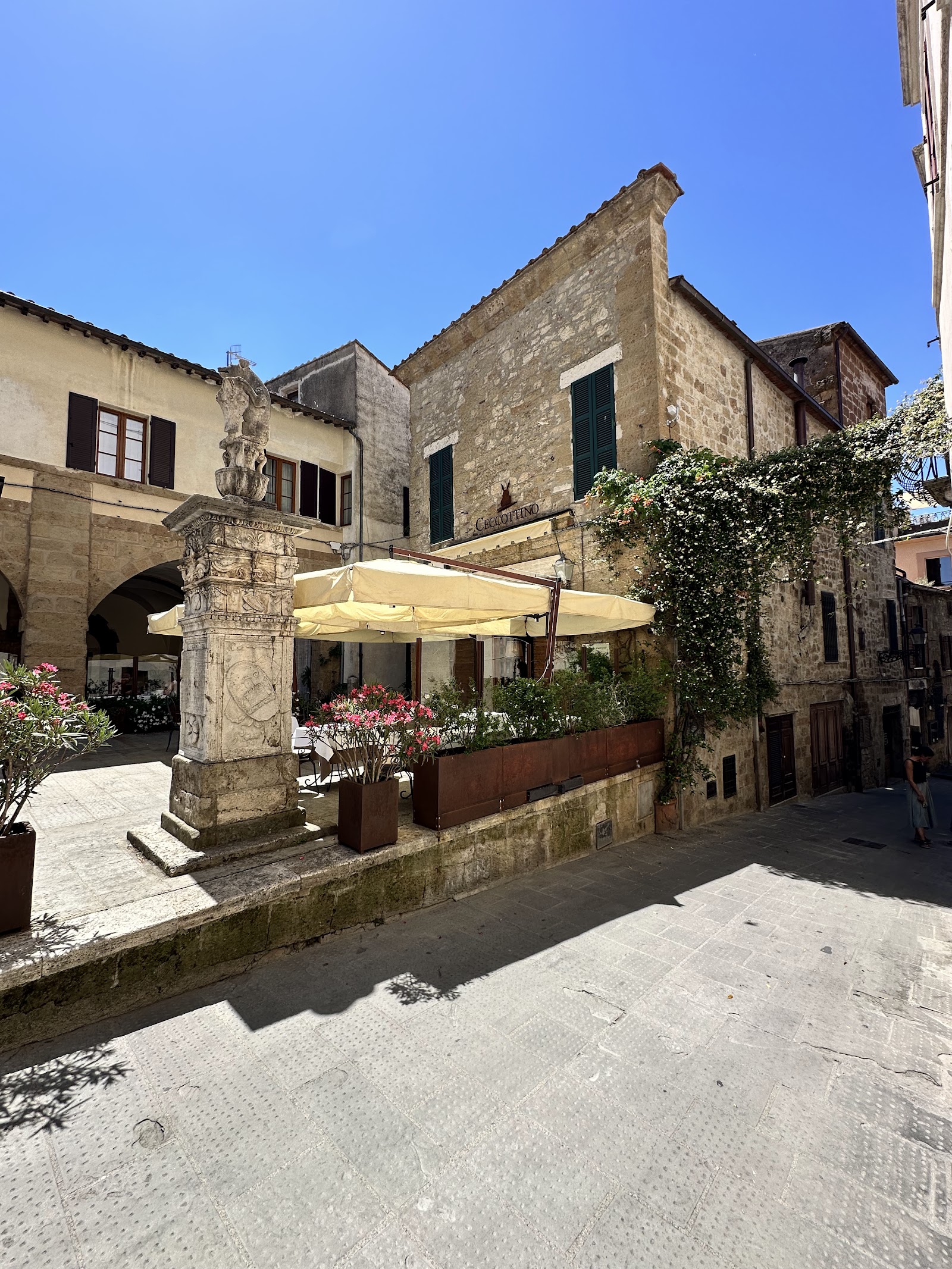
The structure ends at the Fontana delle Sette Cannelle in Piazza della Repubblica, where water drawn from the Meleta river some four miles away once discharged through five tufa arches. Stand in the piazza and the valley drops away below you on three sides.
💛 What travellers fall for
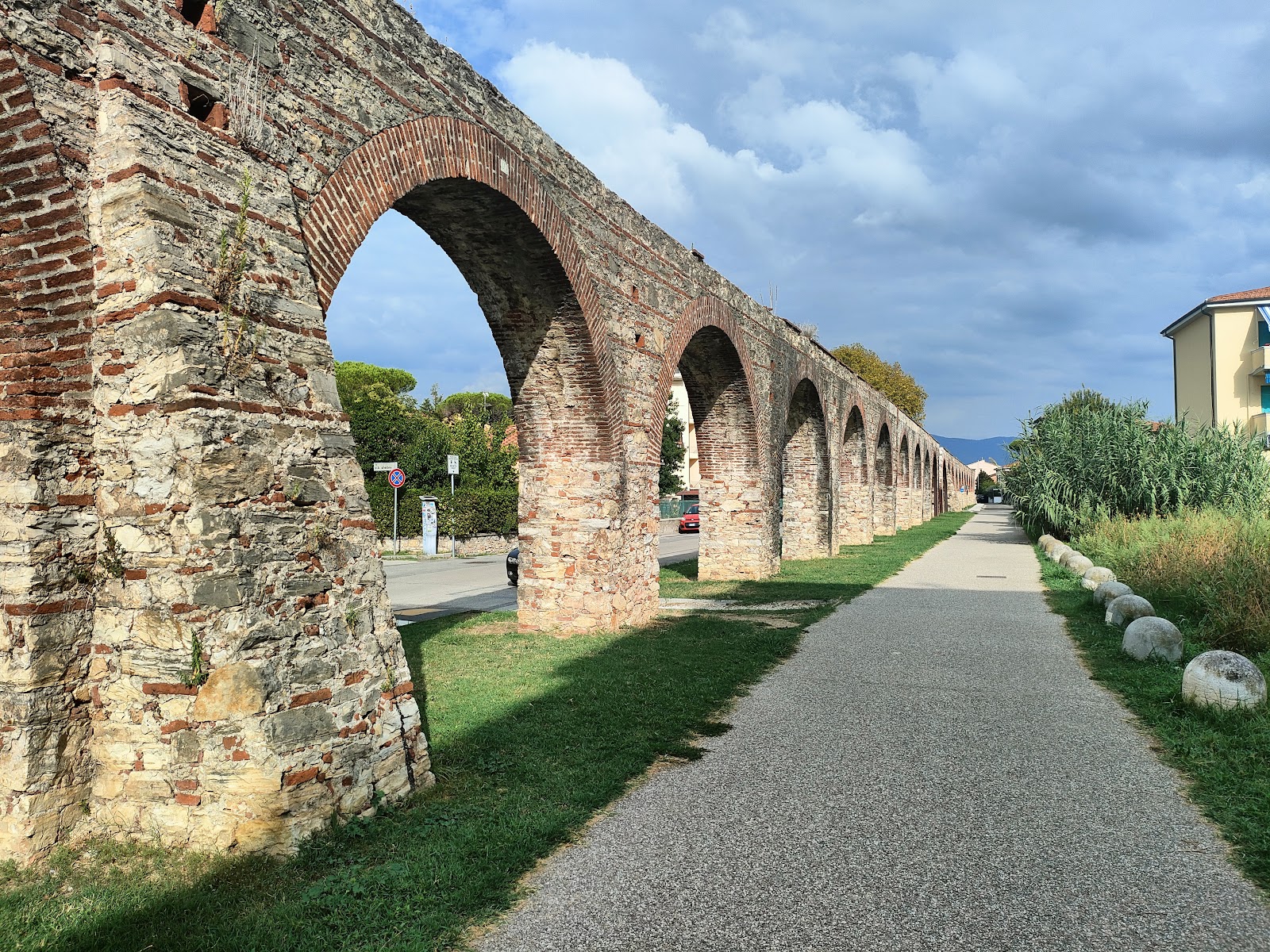
People who come back tend to time their arrival for late afternoon, when the low light turns the tufa the colour of old honey and the arches throw long shadows across the road. Walk past the fountain toward the belvedere — the view of the ravine from there, with the aqueduct in the foreground, is what most of them came for.
The story behind Acquedotto Mediceo
The Orsini family commissioned the aqueduct in the 16th century, engaging Antonio da Sangallo il Giovane to design it. The terrain proved harder than expected, and work stalled before completion. When Pitigliano passed to the Medici in the early 17th century, the project was revived: the Florentine architect Gherardo Silvani supervised the work, and Alessandro Vassalli of Viterbo was brought in as master builder. Construction finished between 1636 and 1639, making it the first aqueduct built in the Maremma.
The Lorraines restored the structure in the 18th century, adding a series of smaller arches. In 1845, thirteen of those arches were opened to allow road construction between the fortress and the aqueduct — the configuration you see today.
Good to know
No ticket, no gate — the aqueduct is freely visible from the road and the piazza. Pitigliano is best reached by car; public buses from Siena take around three hours. April through October gives the most reliable weather for being outdoors.
Spring and early autumn are the most comfortable seasons: mild temperatures, manageable crowds, and the tufa landscape at its greenest. Summer days can reach 30°C, which makes the shaded piazza a relief. Snow is possible from November through March, when the ravine takes on a quieter, starker character.
Where is Acquedotto Mediceo?
More tickets & tours for Acquedotto Mediceo
Book directly at the provider
What travellers say about Acquedotto Mediceo
Nice walk towards Asciano.
A beautiful aqueduct leads directly into the heart of Pisa. It runs right alongside a park. The route is perfect for walking or cycling. The aqueduct is unrestored and therefore retains a very original feel. Definitely worth seeing!
A magnificent aqueduct dating back to the time of the ancient Romans, and later renovated during the Medici era. Considering that the structure is 2000 years old, it commands a great deal of respect.
A dirt and asphalt trail that starts from Piazza delle Gondole in Pisa and ends in the village of Asciano. It's completely flat, skirting the old Medici Aqueduct and olive groves. You can continue on to the city of Lucca.
A preserved piece of history from Roman times. 🛕
More of Pitigliano
Discover where to stay, what to do and the best deals for your trip.
Explore Pitigliano →More attractions in Pitigliano
All of Pitigliano →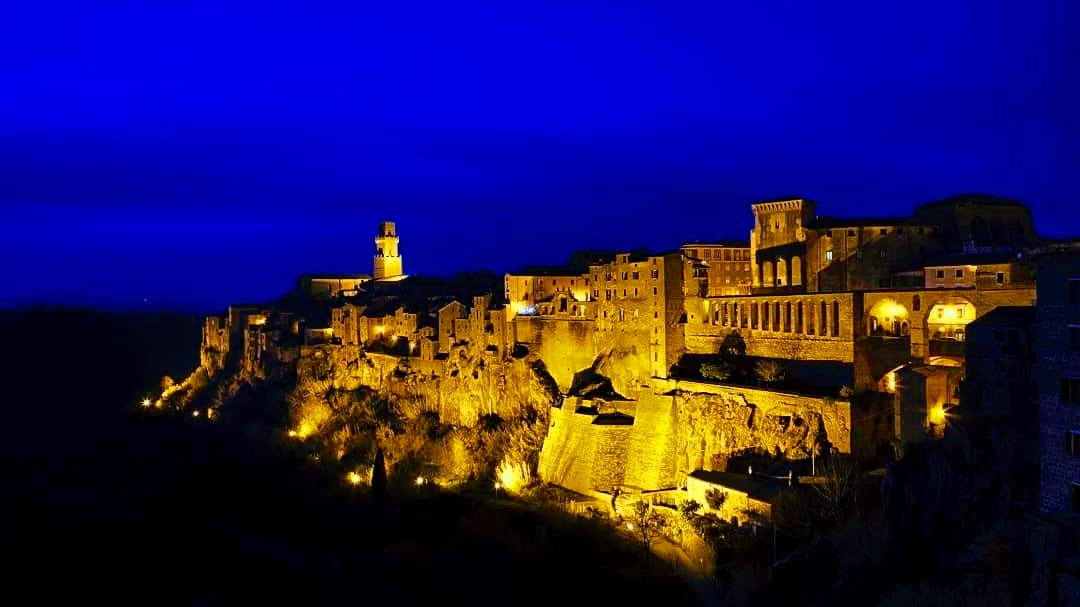
Background adapted from Wikipedia (CC BY-SA) · map data © OpenStreetMap contributors · ratings & place photos via Google · other photos with per-image credit. Ticket links may earn us a commission at no extra cost to you.