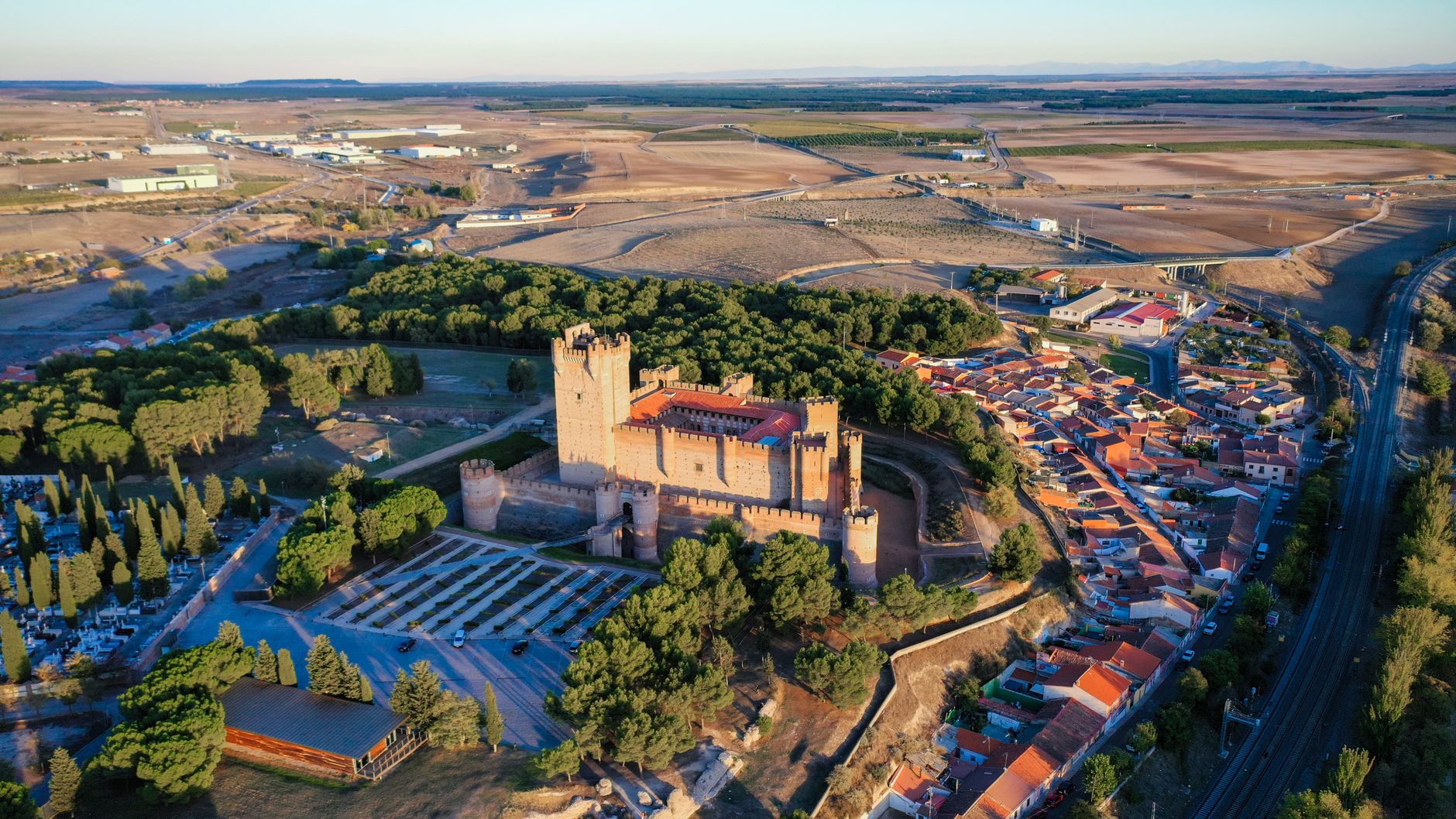
Calle Mayor & the Medieval Quarter
Sangüesa's Calle Mayor is not a reconstructed heritage zone — it is a lived-in medieval street where 12th-century arcaded palaces stand shoulder to shoulder with family-run bars and bakeries. A single stroll from the church of Santiago at one end to the banks of the Río Aragón at the other takes you through a thousand years of Navarrese history without a single tourist trap in sight.

Palaces and Pilgrim Inns
The street is lined with a remarkable concentration of Romanesque and Gothic civil architecture, including the Palacio de Vallesantoro with its exuberant Baroque wooden eave — one of the finest carved cornices in Navarre — and the Casa Consistorial, whose arcaded ground floor once sheltered pilgrims and merchants alike.
The Palacio del Príncipe de Viana, a 12th-century royal residence built for the kings of Navarre, anchors the northern end of the quarter. Its ashlar stone facade and blind arcading are textbook Romanesque civil architecture and rarely appear in guidebooks outside of Spain.

Daily Life on the Camino
What makes Calle Mayor special is that it still functions as the social spine of the town. On weekday mornings locals do their shopping under the stone arcades, children cycle past Romanesque doorways, and the smell of freshly baked migas drifts from the bakery near the ayuntamiento.
In the evening the street transforms into a gentle paseo, with families and pilgrims mingling over pintxos and cold Navarra rosé in the handful of bars that open their terraces onto the cobbles. It is the kind of authentic scene that larger Camino towns have long since lost.
More of Sangüesa
Discover where to stay, what to do and the best deals for your trip.
Explore Sangüesa →