Museo de Navarra
Hidden inside a 16th-century former hospital on Cuesta de Santo Domingo, this four-floor museum is one of Spain's most underrated regional collections – and on most days you will have the Roman mosaic gallery almost entirely to yourself.

The Collection Highlights
The ground floor houses extraordinary Roman mosaics excavated from villas across Navarre, including the 3rd-century Mosaic of Orpheus from Liédena – a 30-square-metre floor depicting animals gathered around the mythical musician, its colours still vivid after 1,700 years.
Upstairs, the medieval ivory casket of Leyre (11th century) is considered one of the finest examples of Hispano-Moorish ivory carving in existence. The detail – hunting scenes, musicians, geometric interlace – is astonishing under the museum's low spotlights.
The Goya Portrait
On the top floor hangs Francisco de Goya's Portrait of the Marqués de San Adrián (1804), a full-length masterpiece that rarely appears in international Goya surveys. The marqués leans against a tree with studied nonchalance, his red coat glowing against a stormy sky – it is as good as anything in the Prado.
The same floor holds a collection of Navarran Romanesque capitals and painted altarpieces rescued from rural churches, giving context to the pilgrimage culture that made this region a crossroads of medieval Europe.
Visiting Practicalities
The building itself is worth the entry fee: the Renaissance courtyard with its double arcade is one of the most beautiful in northern Spain. Sit on the stone bench in the centre and look up at the carved gallery – it appears in almost no travel photography, which feels like a privilege.
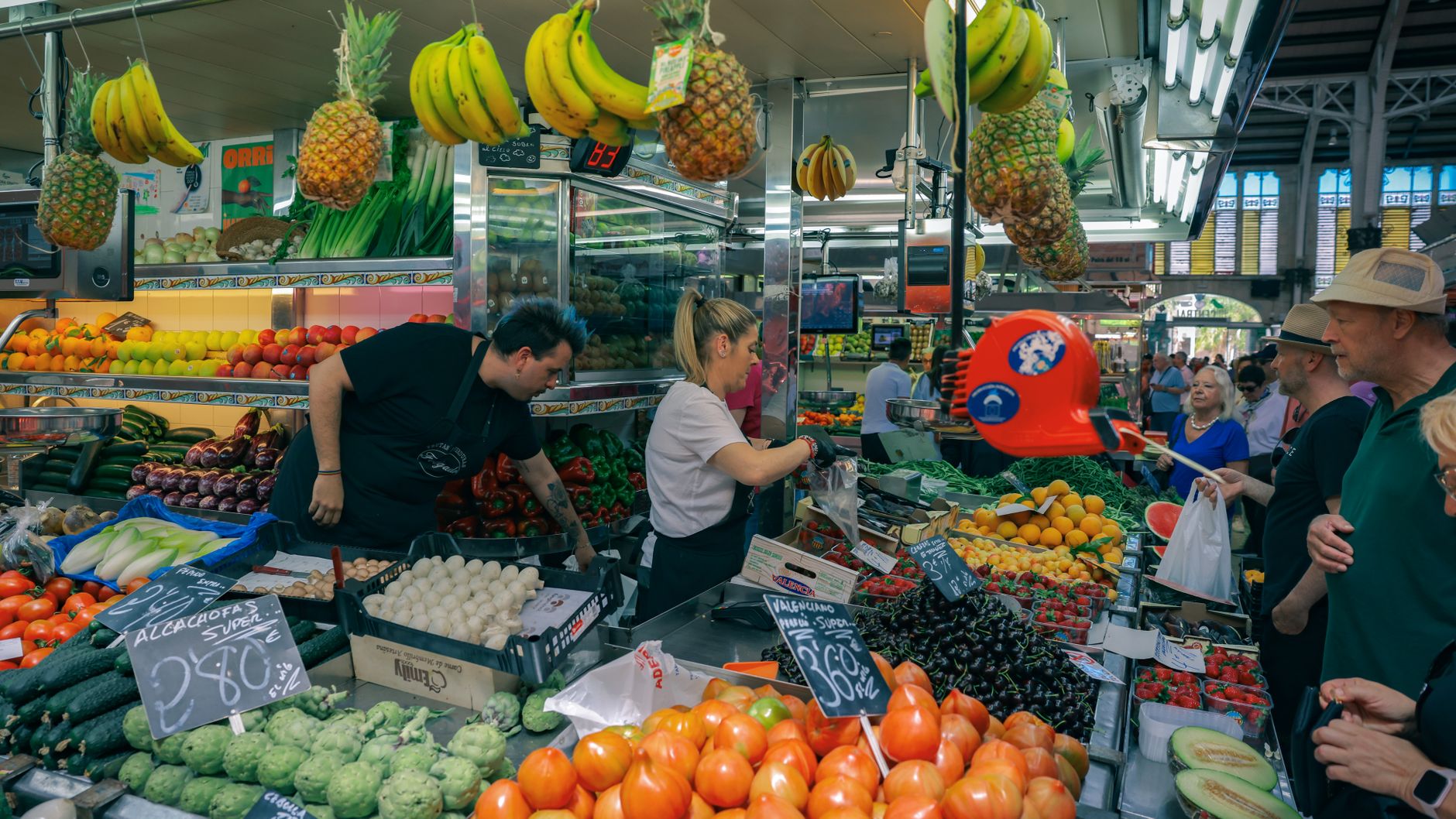
The museum is a five-minute walk from the Mercado de Santo Domingo, making a natural morning pairing: market at 9 am, museum at 11 am, pintxos lunch at 1 pm.
More of Pamplona
Discover where to stay, what to do and the best deals for your trip.
Explore Pamplona →