
Pamplona
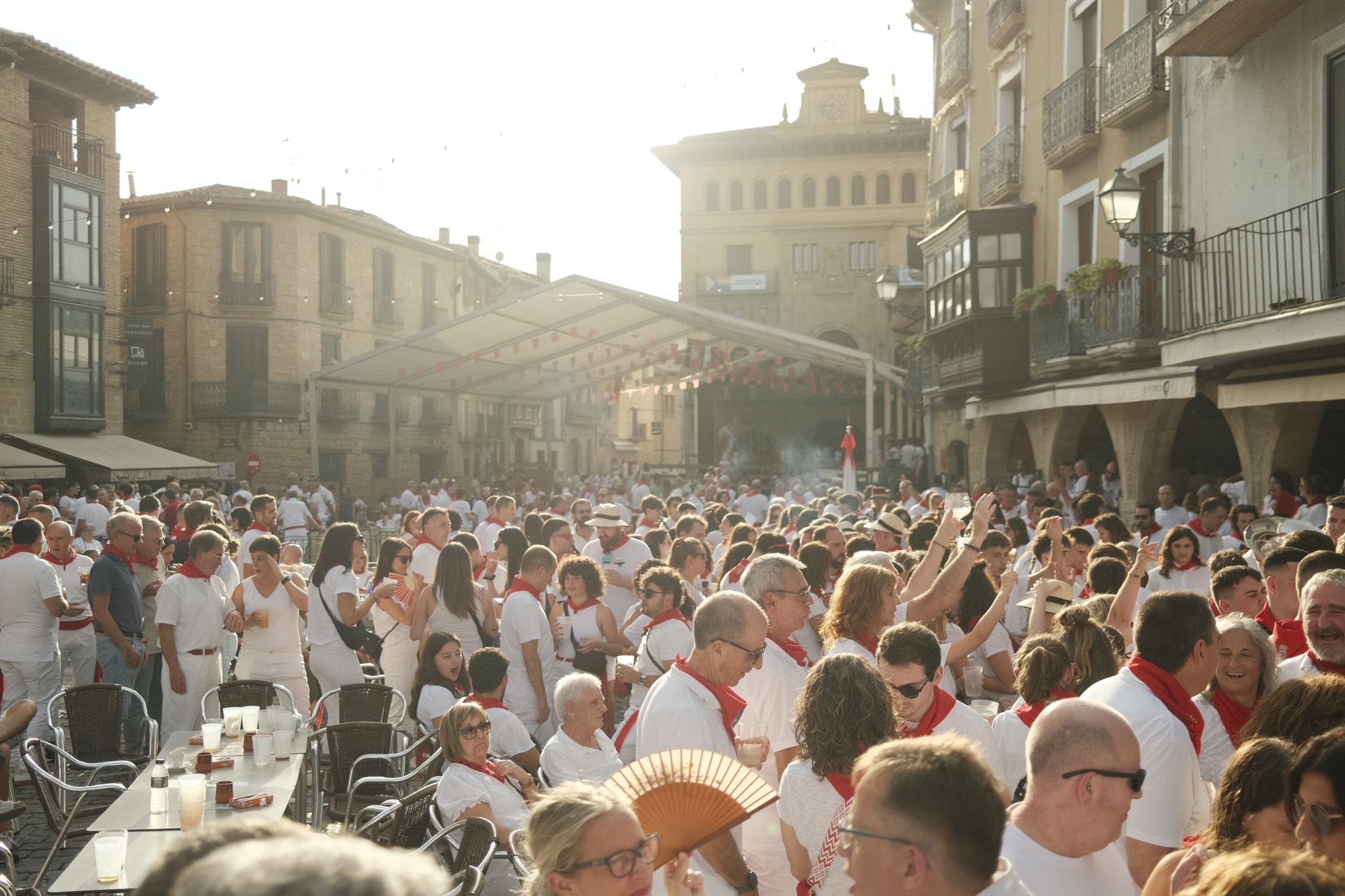
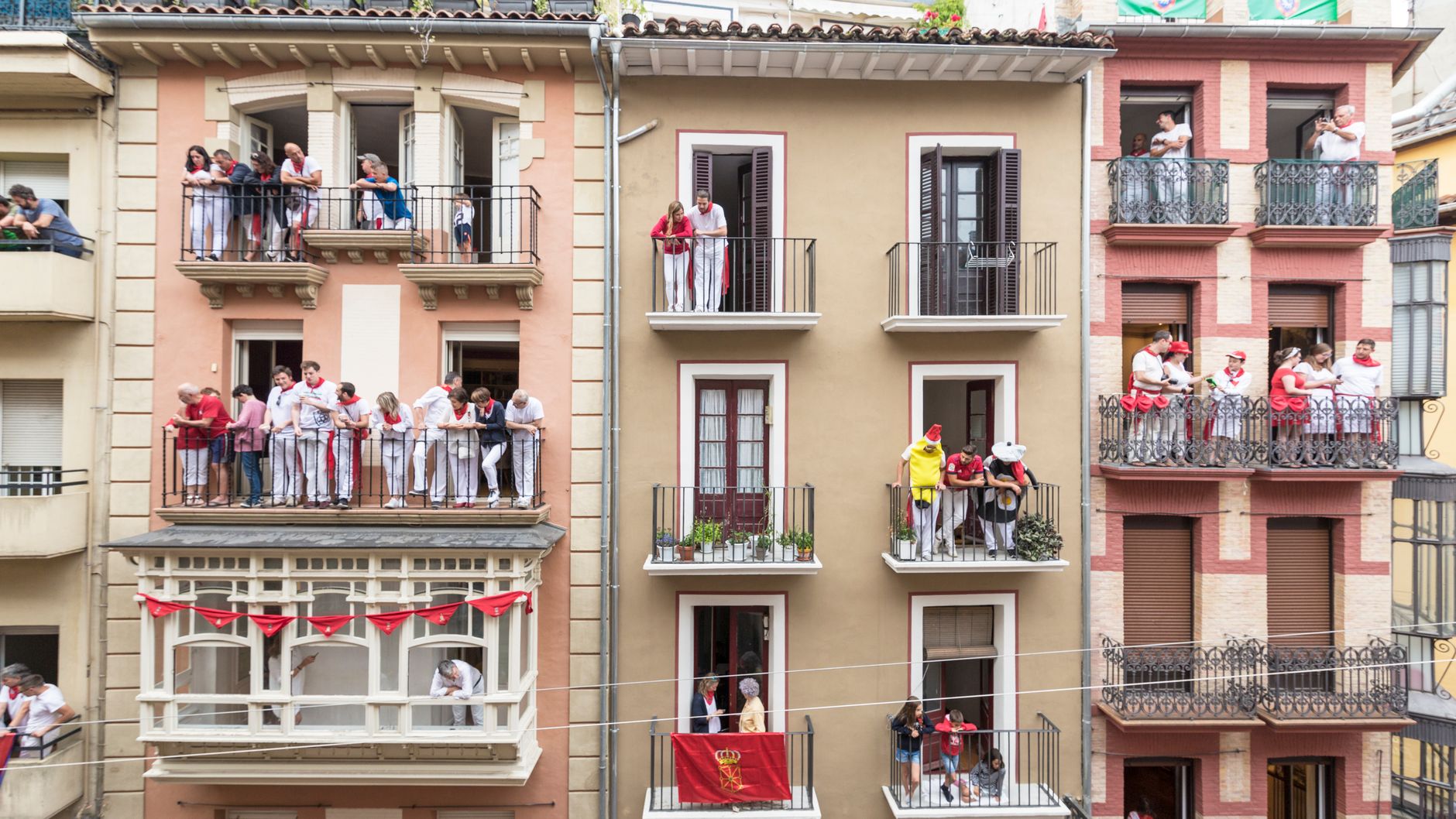
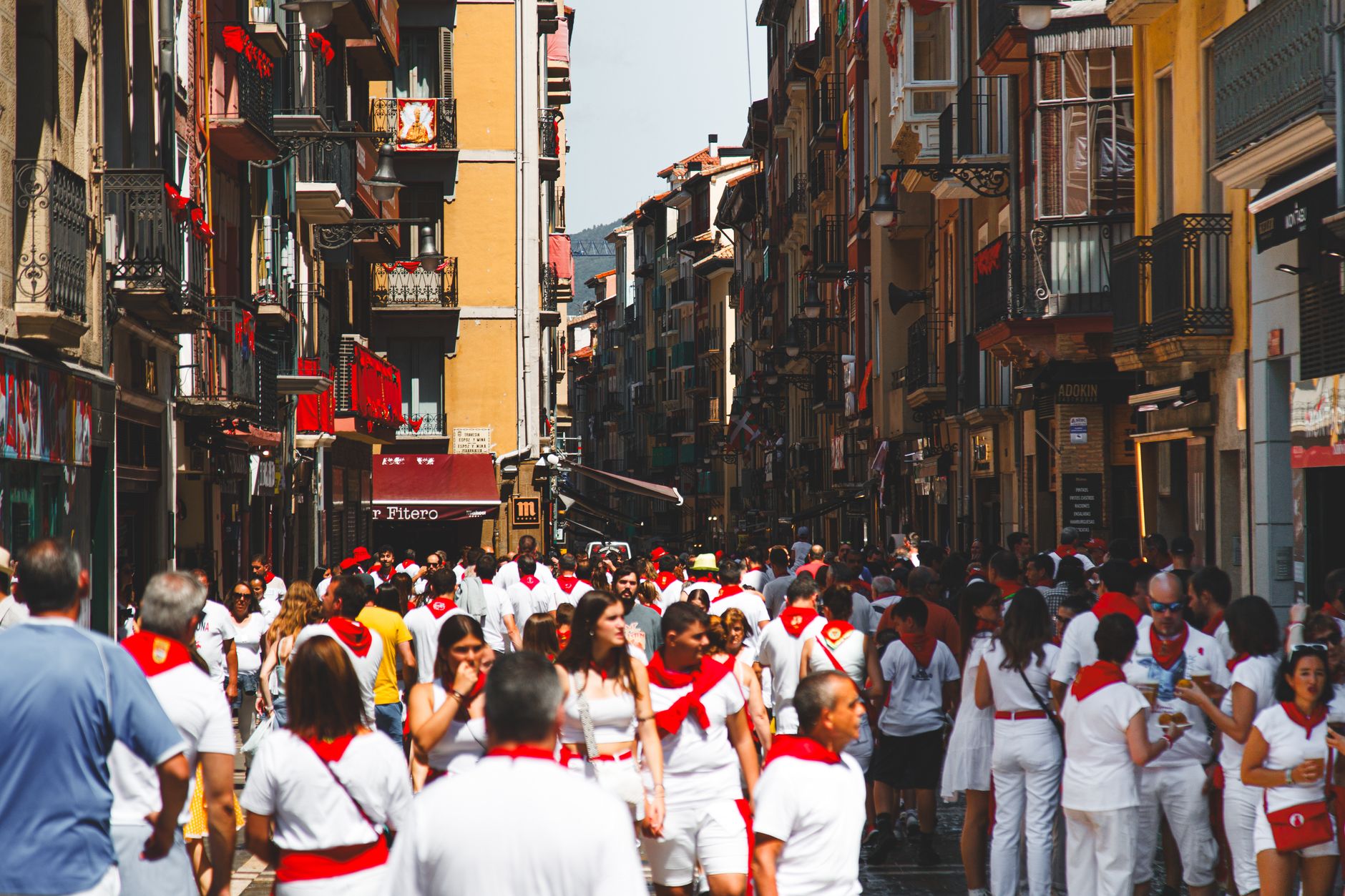
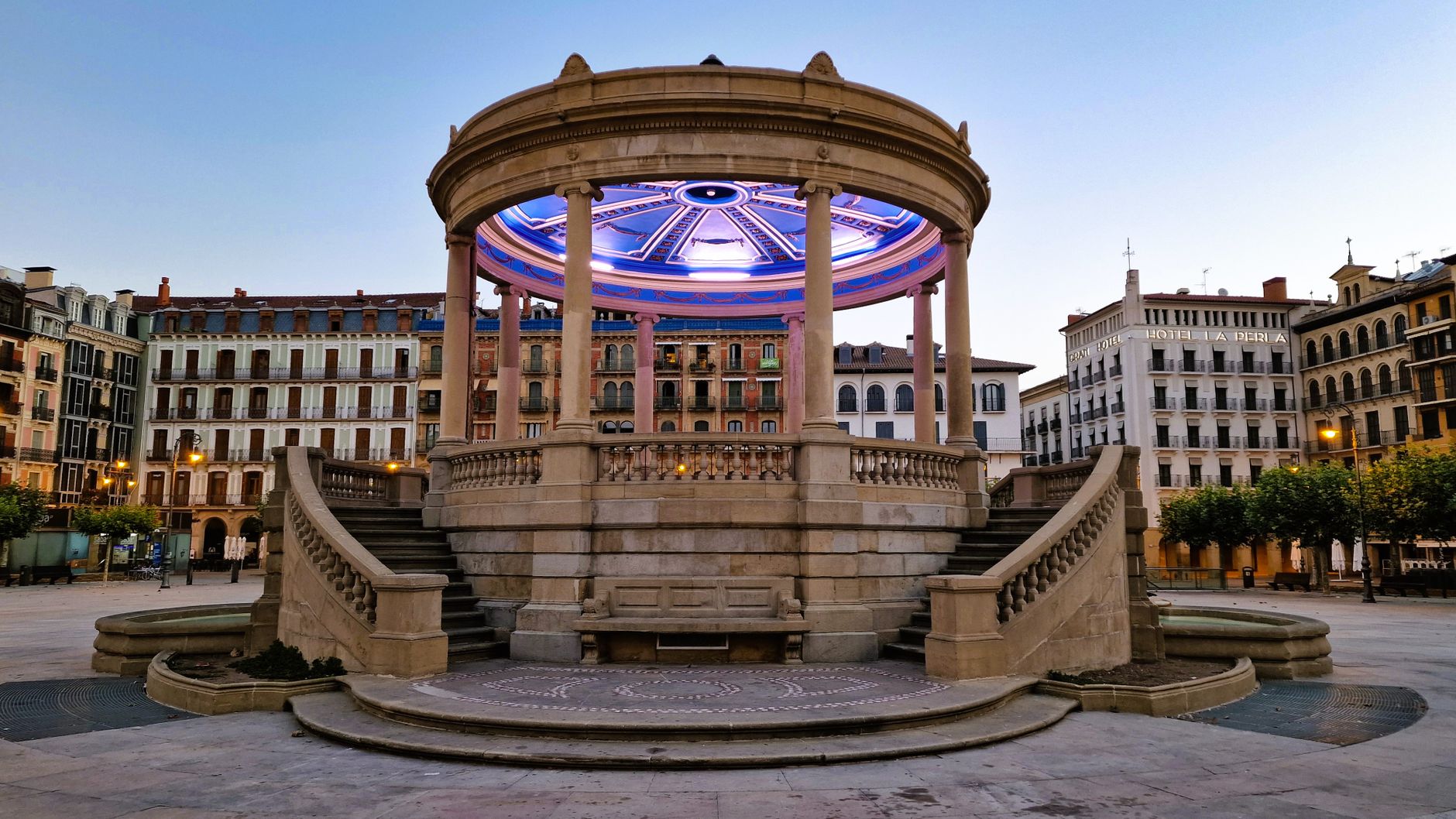
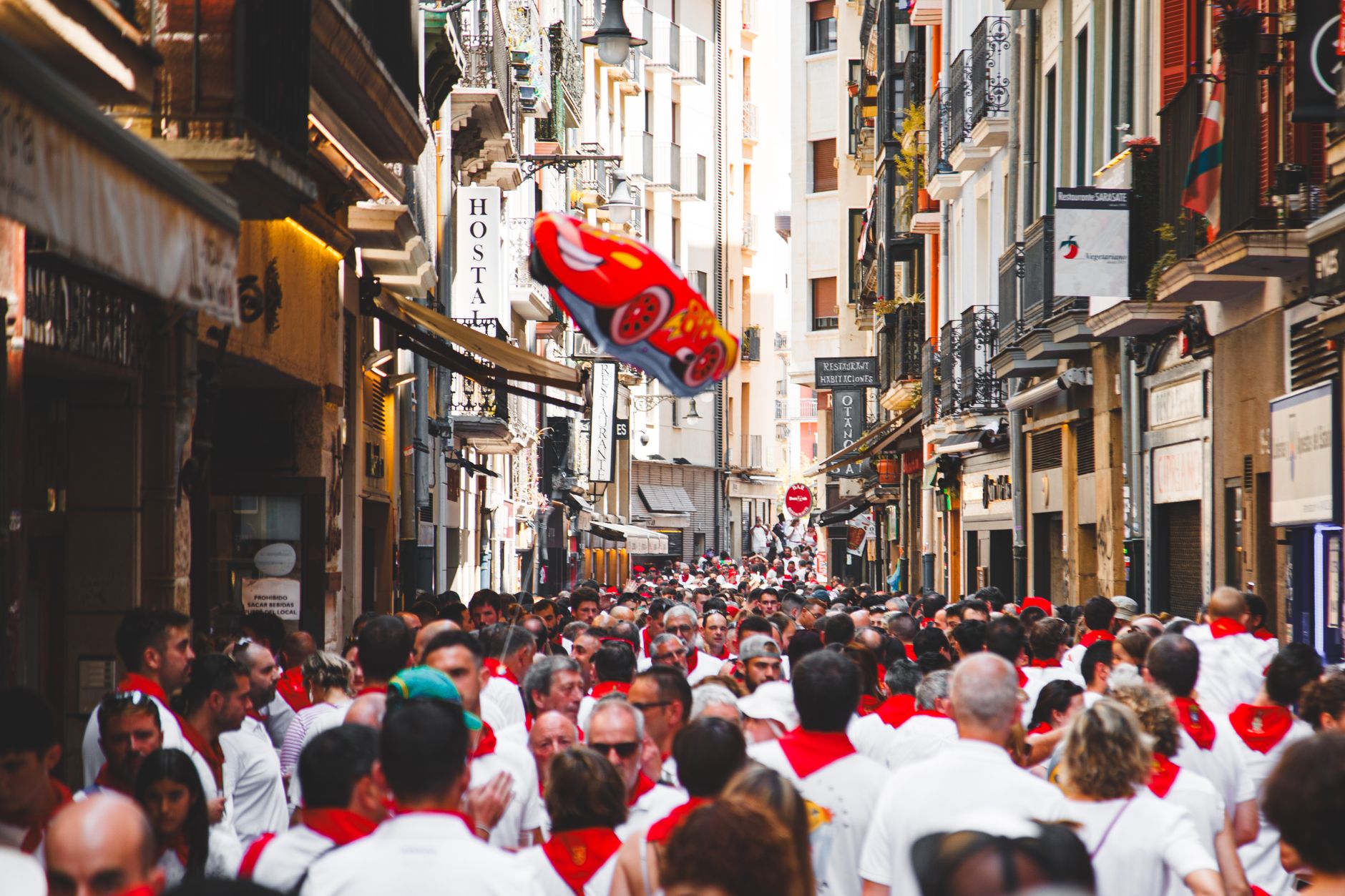
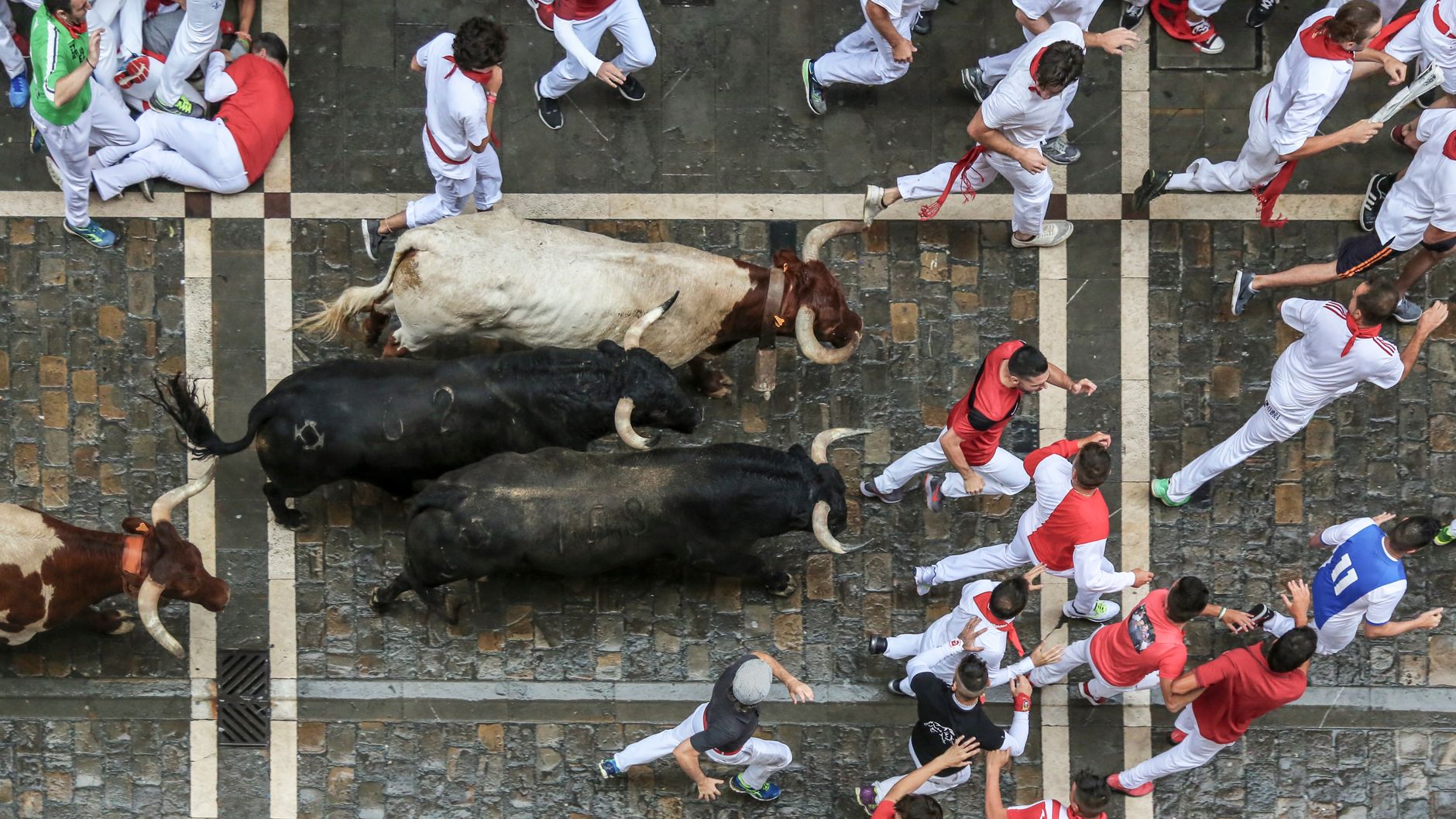
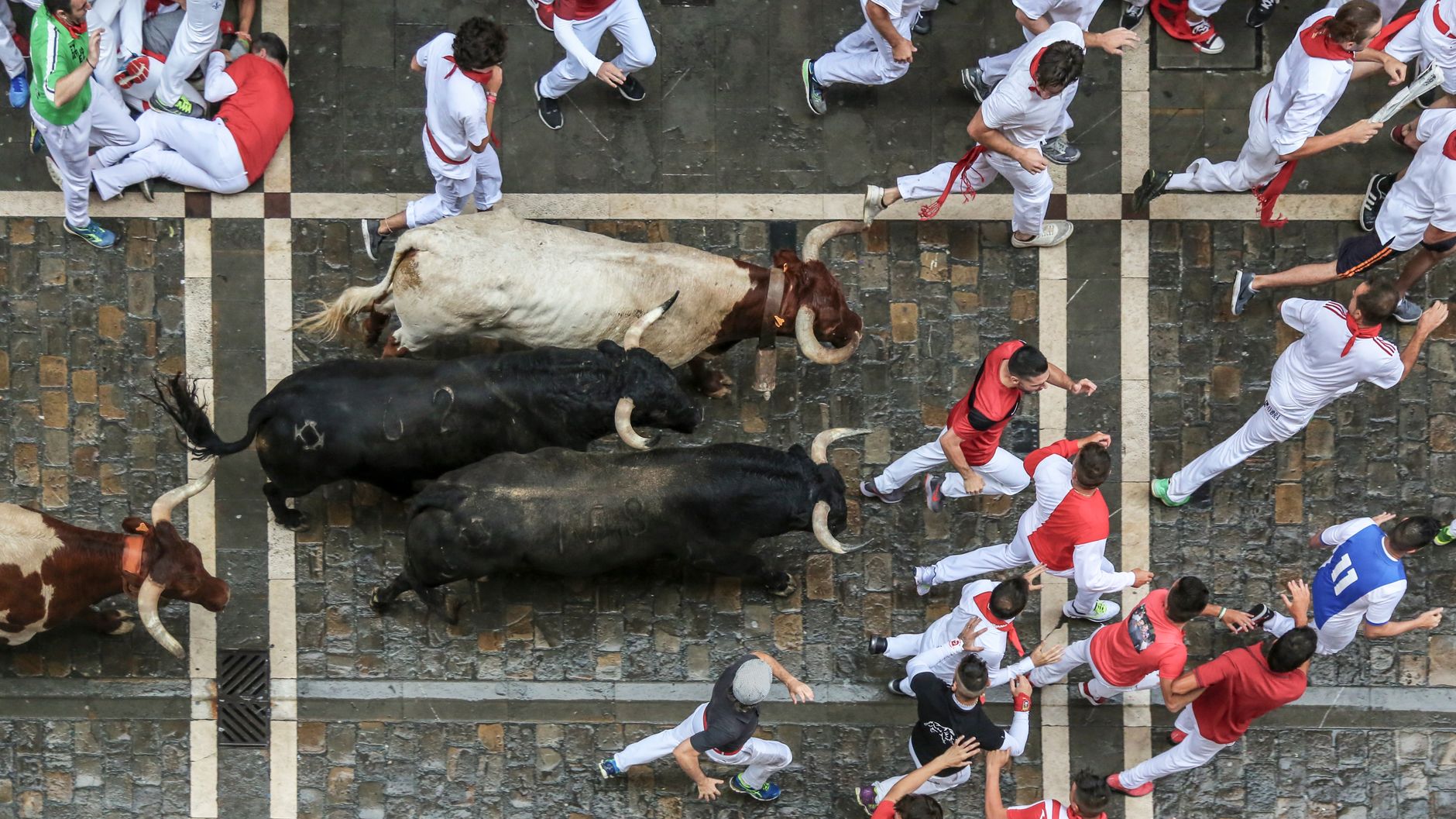
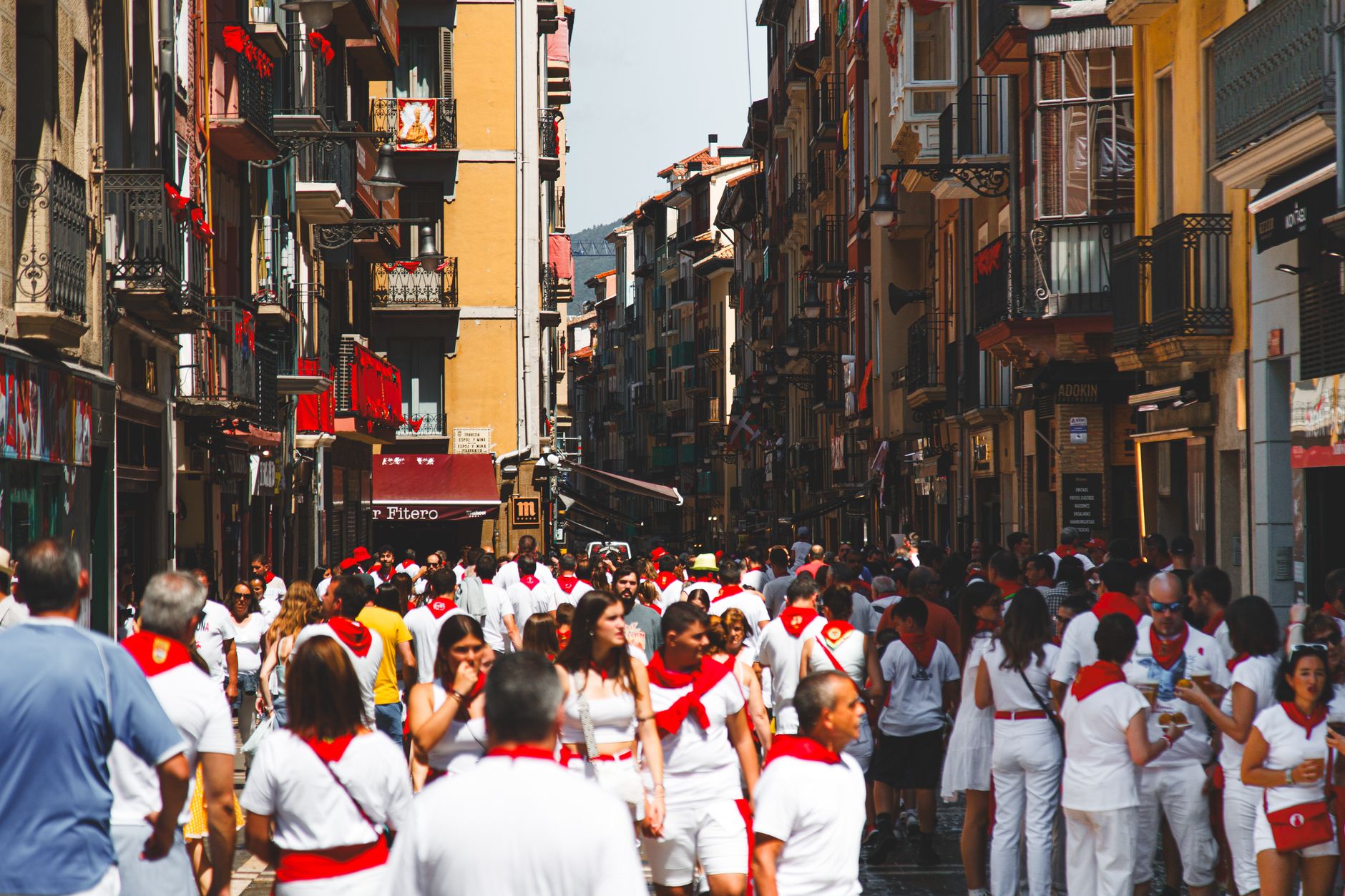
Pamplona is a city that knows how to hold two things at once: the weight of old stone and the noise of a crowd. The Ayuntamiento's central balcony is where the Chupinazo rocket goes up each July to open the San Fermín festival, and for the rest of the year that same square sits quietly, its Baroque facade catching the afternoon light. The old city is compact enough to cross on foot in twenty minutes, which means you'll pass the Gothic cloister of Santa María la Real, the 12-ton bell called María, and the porticoed Plaza del Castillo before you've had lunch.
What lingers is the layering. Roman foundations, a medieval cathedral, a 16th-century citadel now used as a park — each era left something standing rather than clearing the slate.
💛 What travellers fall for
People who come back tend to gravitate to Plaza del Castillo at the end of the day, when the light drops below the porticos and the terrace tables fill. The Ciudadela is worth a second visit too — fewer people know it runs a regular programme of art exhibitions inside the old fortress walls.
Experiences you don't want to miss



Deals in Pamplona
Book directly at the provider


How Pamplona came to be
Pamplona began as a military camp. In 75 BCE, Pompey founded it during his campaign against the rebel general Sertorius, naming it Pompaelo after himself. The settlement passed through Visigoth, Moorish and Frankish hands — Charlemagne dismantled its defenses in 778 — and spent centuries as a patchwork of rival boroughs that fought each other as readily as any outside enemy.
Sancho III made it the capital of Navarre around 1000 CE. It took another four hundred years and a royal decree to end the quarrelling: in 1423, Carlos III the Noble forced the warring districts to merge under a single charter, the Privilege of the Union. Philip II added the citadel in 1571. The defensive walls that had defined the city's shape for centuries came down only in 1915.
Who and what shaped it
People who shaped it
Landmark buildings
See Pamplona in motion
Plan your visit
On the map
When to go
Summers are warm and sunny, with August averaging around 19°C — comfortable, though the city fills considerably during San Fermín in early July. Rain is a presence year-round; even the driest months see meaningful precipitation, so a layer and a compact umbrella serve you in any season.
Right now
Background & history adapted from Wikipedia (CC BY-SA) · specs from Wikidata (CC0) · weather from Open-Meteo · map data © OpenStreetMap contributors · photos from Wikimedia Commons / Unsplash with per-image credit. No third-party reviews or social posts reproduced.