Palacio de Monterrón
Standing quietly on the edge of Mondragón's historic centre, the 16th-century Palacio de Monterrón is a Renaissance manor house of genuine architectural distinction that most visitors to the Basque Country never discover — a reward for anyone who slows down and looks up.

Architecture Worth Stopping For
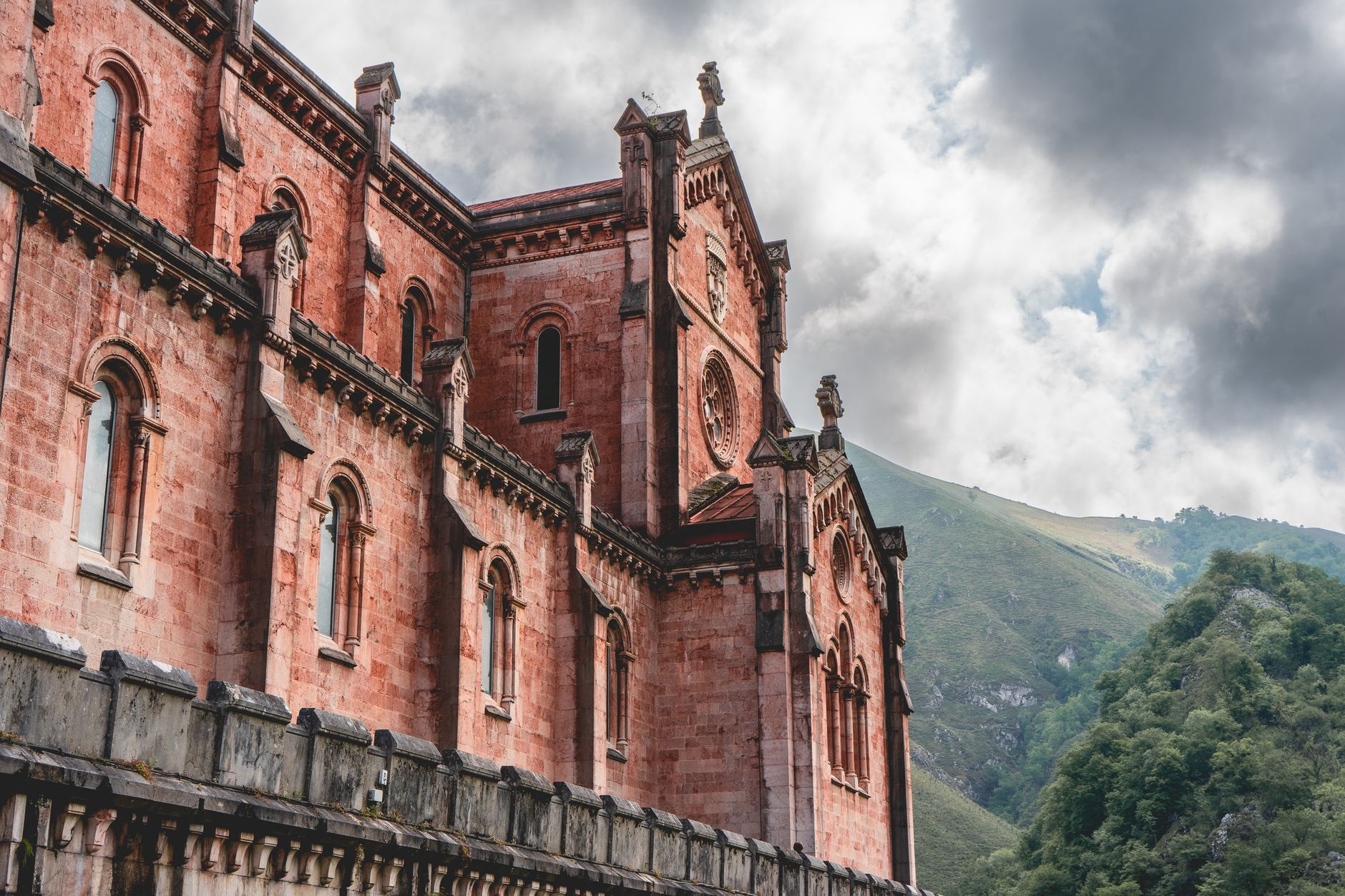
The palace's facade displays the restrained Plateresque ornamentation typical of early 16th-century Spanish Renaissance work — carved stone window surrounds, a heraldic shield above the main portal and a corner tower that once signalled the prestige of one of Mondragón's most powerful families. The stonework is in remarkably good condition for its age.
The building has served various civic functions over the centuries and is not always open to the public inside, but the exterior alone is worth a deliberate detour. Position yourself across the narrow street in the late afternoon when the low Basque sun rakes across the carved stone and brings every detail into relief.
The History Behind the Walls
Mondragón — Arrasate in Basque — received its royal charter in 1260 and was one of the earliest villa towns of Gipuzkoa, which means its historic centre holds layers of medieval and Renaissance civic architecture that most visitors overlook in favour of the region's more famous cities.
The Palacio de Monterrón is a tangible link to the era when Mondragón was a prosperous iron-trading town on the route between Castile and the Cantabrian coast. Understanding that history reframes the entire old town as something far more significant than a postindustrial backwater.
More of Mondragón
Discover where to stay, what to do and the best deals for your trip.
Explore Mondragón →