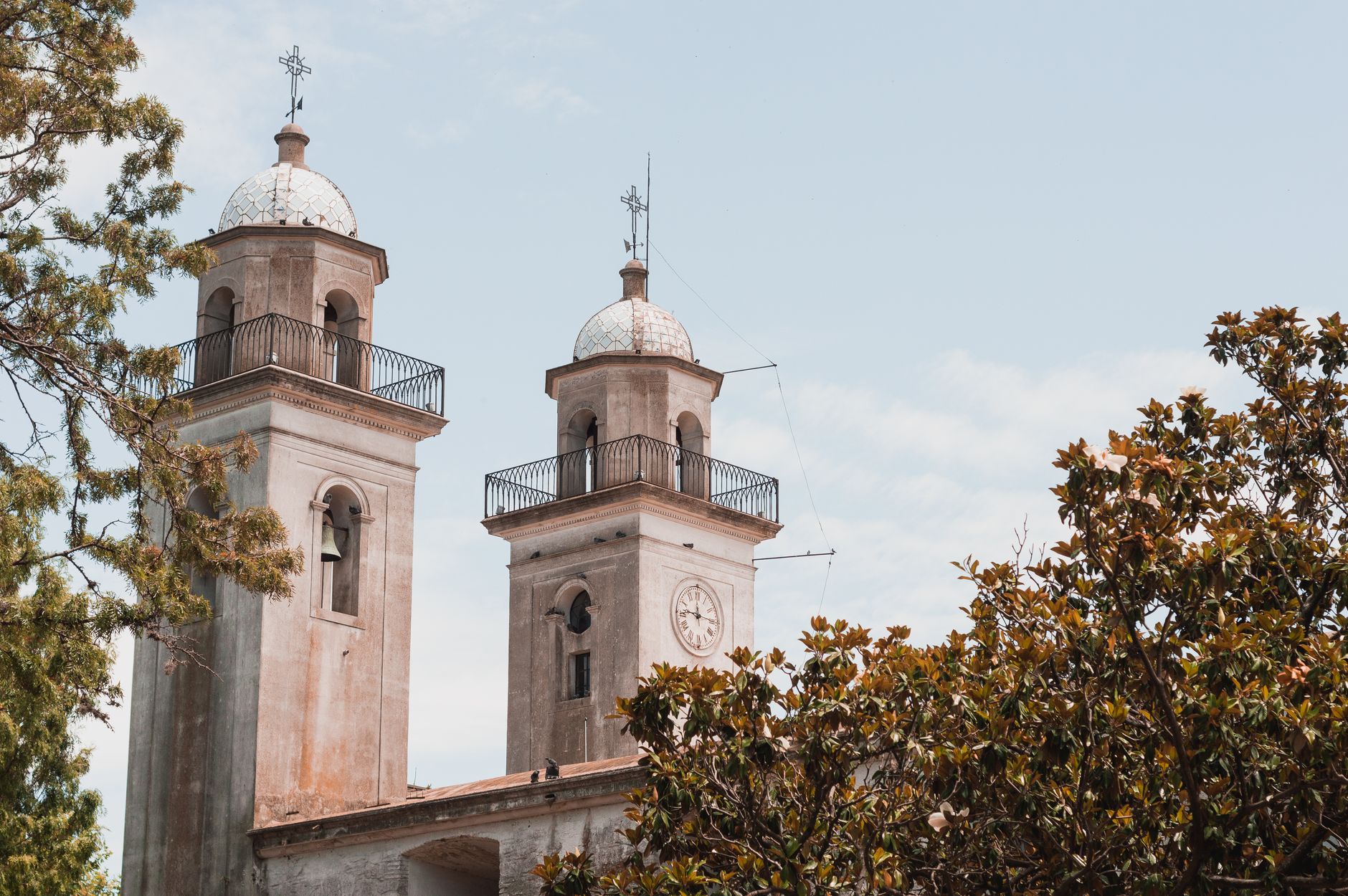
Son Peretó Early-Christian Basilica
A short drive from Manacor town centre, the archaeological site of Son Peretó preserves the mosaic floors of a 5th-century early-Christian basilica — one of the most significant late-Roman remains in the entire Balearic Islands, and visited by almost nobody outside of archaeology enthusiasts. Walking across the original geometric and floral mosaics, still vivid after 1,500 years, is a quietly asto

The Site and Its History
Son Peretó was excavated in the early 20th century and revealed a three-nave basilica with a baptistery, episcopal rooms and a necropolis. The mosaics, now partially protected under a modern canopy, feature interlocking geometric patterns in terracotta, white and black that would not look out of place in a contemporary design studio.
The most striking piece is the funerary mosaic inscription panel near the apse, which names several early Christian community members in Latin — a direct, human connection to the people who worshipped here when Mallorca was a province of the late Roman Empire.
A small interpretive panel on site (in Catalan, Spanish and English) explains the basilica's layout and historical context; more finds from the excavation, including oil lamps, ceramics and jewellery, are displayed in the Museu de Manacor in town.
Getting There and Combining Visits
Son Peretó sits about 3 km north-east of Manacor centre, off the Ma-4020 road toward Sant Llorenç des Cardassar. A car is the most practical way to reach it; the site is signposted from the main road and has a small free parking area beside the entrance gate.
Combine the visit with a drive to the nearby prehistoric talayot site of S'Hospitalet Vell (4 km further along the same road), where Bronze Age stone towers rise from an almond grove in a setting that feels entirely untouched. Together, the two sites make a compelling half-day archaeology loop.
More of Manacor
Discover where to stay, what to do and the best deals for your trip.
Explore Manacor →