Embalse de Valuengo & Dehesa Surroundings
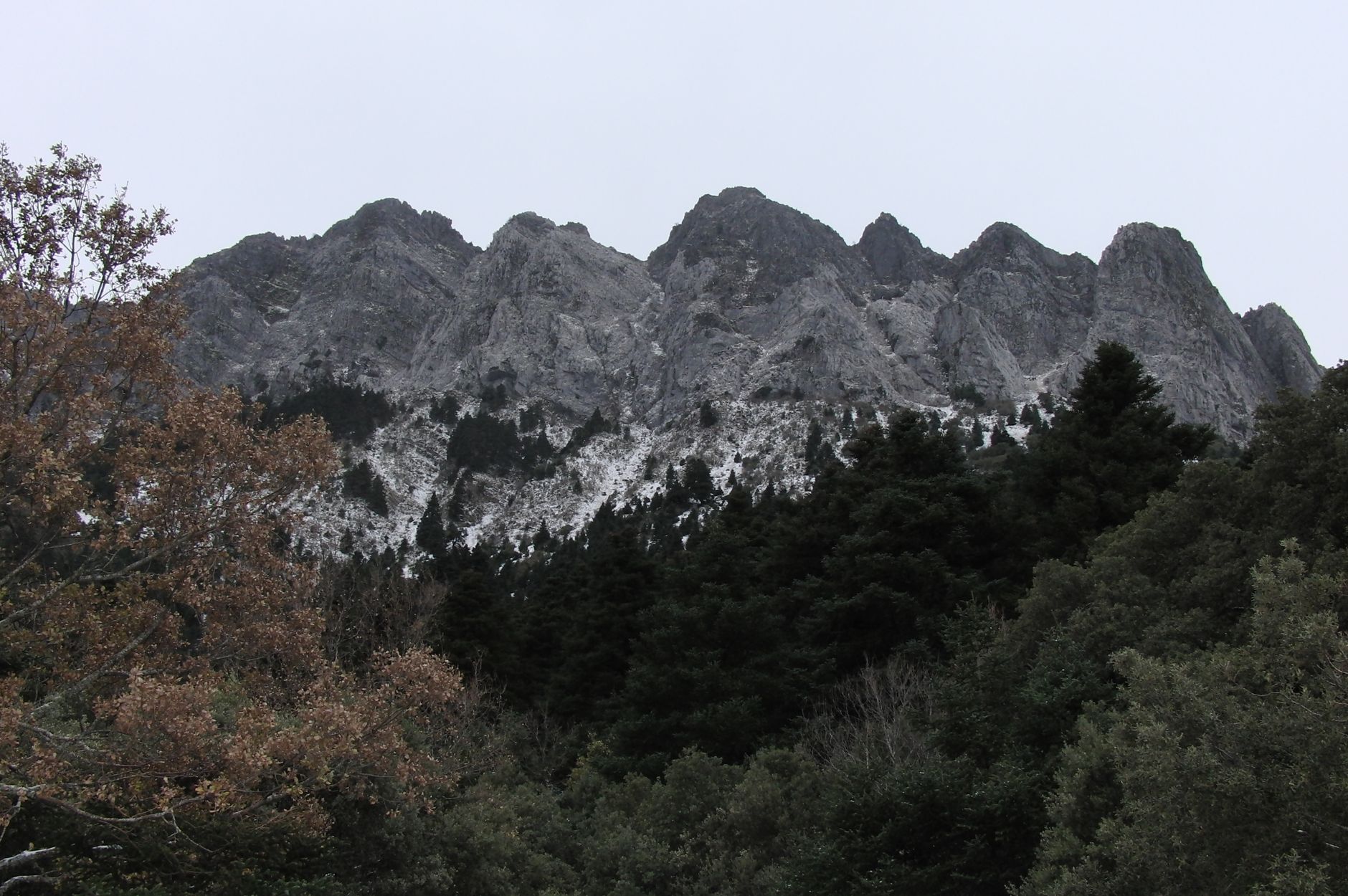
Just a few kilometres south of town, the Embalse de Valuengo reservoir sits in a fold of the dehesa like a mirror dropped into the landscape — its banks fringed with cork oaks, willows, and the nesting platforms of white storks. This is the Extremadura that nature documentaries are made of: vast, silent, and populated by more birds than people.

Wildlife of the dehesa
The dehesa ecosystem around Jerez is one of the most biodiverse landscapes in Europe — a centuries-old system of managed woodland where cork oaks and holm oaks are spaced widely enough to allow grazing beneath. White storks nest on the church towers in town and on isolated oaks in the fields; black storks, rarer and shyer, breed in the wooded ravines to the south. Spring migration (March–May) brings hoopoes, bee-eaters, and roller birds in dazzling numbers.
The reservoir itself attracts herons, egrets, and in winter large flocks of common cranes that roost on the shallows at dusk — a spectacle that draws birdwatchers from across Europe. Golden eagles and black vultures patrol the thermals above the surrounding hills year-round.
How to explore
The simplest approach is to drive the CV-432 road south from Jerez towards Oliva de la Frontera, pulling off at the signed mirador above the reservoir for an overview of the water and surrounding cork-oak woodland. A rough track leads down to the water's edge where you can walk the shoreline for an hour in near-total solitude.
For a longer excursion, the GR-14 long-distance footpath passes through this area, linking patches of dehesa and crossing the reservoir's dam. Local walking maps are available from the tourist office; the terrain is gentle and suitable for all fitness levels outside the summer heat.
More of Jerez de los Caballeros
Discover where to stay, what to do and the best deals for your trip.
Explore Jerez de los Caballeros →