Viaduc de Chaumont
Rising 52 metres above the Suize valley on 50 towering stone piers, Chaumont's 19th-century railway viaduct is one of the most dramatic pieces of civil engineering in the Grand Est. Walking beneath its arches or photographing it from the D65 road below gives an instant sense of the city's surprising ambition.

An engineering marvel in stone
Completed in 1857 and stretching 654 metres, the viaduct was designed by engineer Louis-Gustave Boulanger and carried the Paris–Mulhouse railway line across a deep river valley. Its double row of arches — a smaller tier sitting atop a larger one — was a bold solution to the sheer height required, and the warm golden limestone glows beautifully in afternoon light.
The best full-length view is from the Parc Sainte-Marie on the plateau opposite, where a dedicated belvedere frames the entire structure against a backdrop of wooded hillsides. Early morning mist rolling through the valley in autumn turns the scene almost otherworldly.
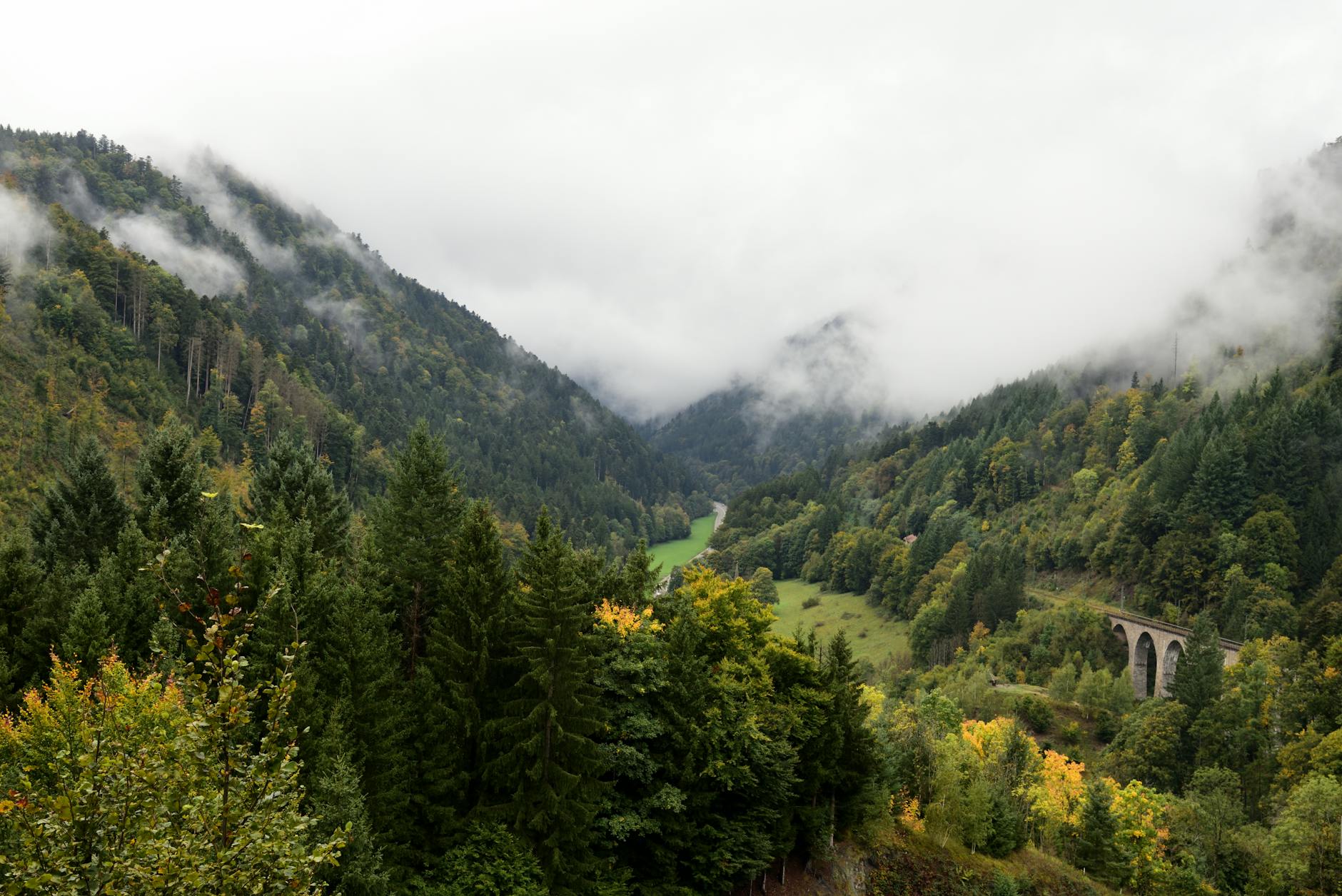
Getting close and personal
Trains still rumble across the viaduct daily, so timing a visit to coincide with a passing TGV adds genuine drama. From the riverside path along the Suize you can walk directly beneath the piers and appreciate just how massive each stone column truly is.
The surrounding lower town, known as the Basse-Ville, has a handful of riverside cafés where you can settle in with a coffee and watch the viaduct in peace — a pleasure that most visitors who stay only on the plateau entirely miss.

Viaduc de Chaumont on video
More of Chaumont
Discover where to stay, what to do and the best deals for your trip.
Explore Chaumont →