
Huchuy Qosqo Archaeological Site
Perched at 3,650 metres on a dramatic plateau above the Sacred Valley, Huchuy Qosqo — Quechua for "Little Cusco" — is one of the Andes' most rewarding and least-crowded Inca sites. Built as the royal estate of Inca Viracocha in the early 15th century, it rewards the effort of the trek with stone-and-adobe palaces, sweeping views of the Vilcanota River far below, and an almost total absence of othe

A Palace Built for an Inca King
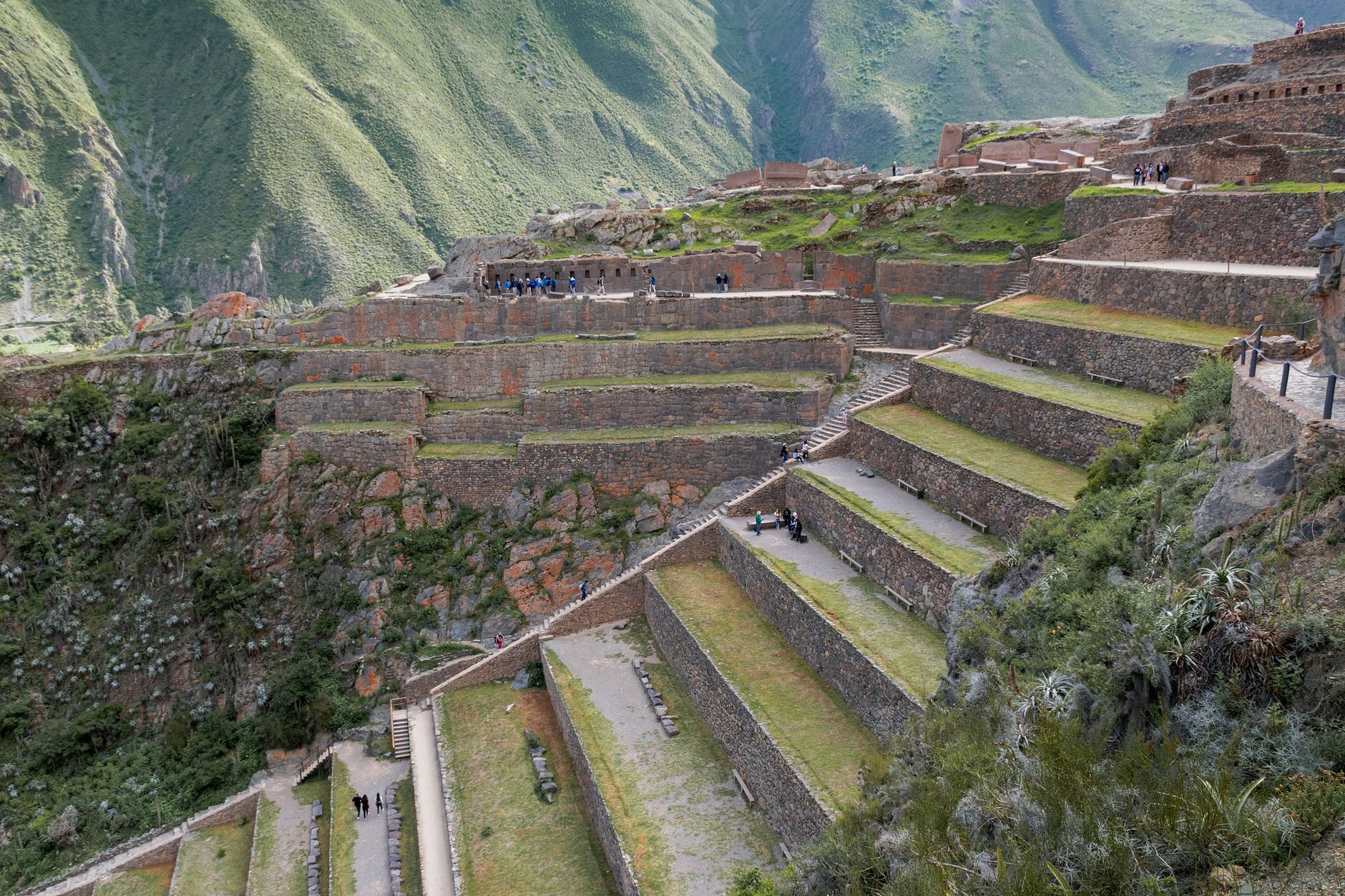
Huchuy Qosqo was commissioned by the Inca Viracocha around 1420 CE, making it one of the oldest surviving royal compounds in the Sacred Valley. Large structures of finely cut stone and adobe rise against an open Andean sky, with streams running along both flanks of the plateau — a classic Inca water-management touch that still flows today.
The site sits 800 metres above the valley floor, giving it commanding sightlines toward the snow-capped Nevado Verónica and the patchwork of agricultural terraces below. Because it is only accessible on foot, the number of daily visitors stays refreshingly small, lending the ruins an atmosphere of genuine discovery.

The Trek to Get There
The most popular day-hike route starts near Chinchero or Tambomachay and crosses a high pass at around 4,300 metres before descending steeply to the ruins — a point-to-point walk of roughly 14–18 km that takes 7–8 hours at a comfortable pace. The trail follows original Inca stone paths, passes high-altitude lakes including Qoricocha (Golden Lake), and cuts through remote farming communities where life has changed little in centuries.
Alternatively, a shorter but very steep climb of about three hours departs directly from the town of Lamay, just below the ruins. Whichever way you choose, bring layers: temperatures drop sharply in the afternoon and winds pick up at the pass.
What You'll Find at the Top
The ruins include a large kallanka (great hall), agricultural terraces, water channels, and several two-storey structures whose adobe upper walls are unusually well preserved. Stand at the northern edge of the plateau and the entire Sacred Valley unfolds before you — Pisac's terraces visible to the south-east, the Urubamba River a silver ribbon far below.
Entrance to the site is free, a rarity among Peruvian archaeological parks, largely because the hike itself acts as a natural filter. Bring your own food and plenty of water; there are no vendors at the ruins.
Huchuy Qosqo Archaeological Site on video
More of Calca
Discover where to stay, what to do and the best deals for your trip.
Explore Calca →


