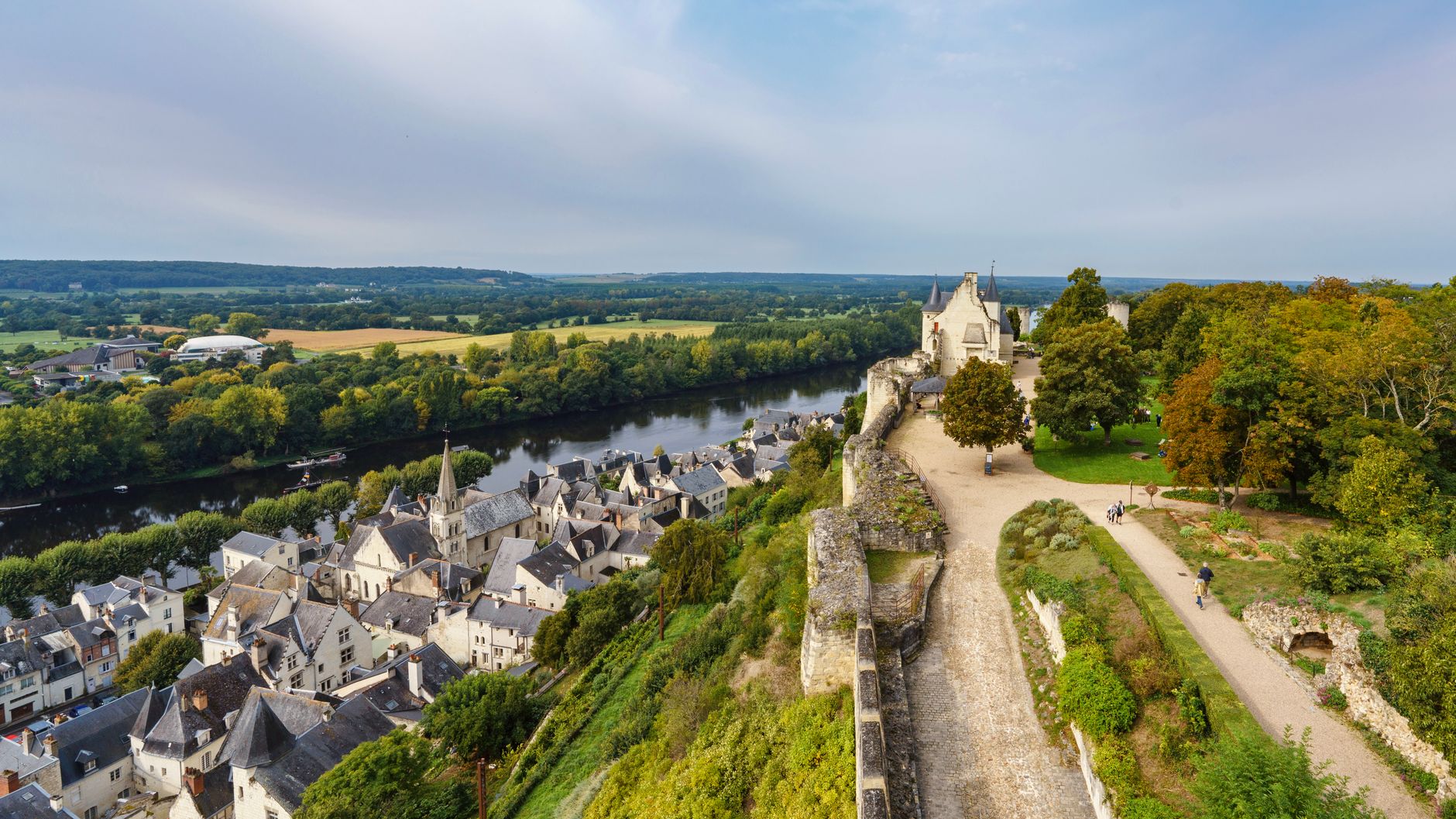
Abbaye aux Hommes & Église Saint-Étienne
Built by William the Conqueror as penance for his controversial marriage, this soaring Romanesque abbey has watched over Caen since 1063 and survived the 1944 bombings by sheltering 10,000 civilians inside its walls. Standing in the nave, the scale of Norman ambition becomes visceral.
Romanesque power, Gothic ambition
The west façade of Saint-Étienne is one of the finest examples of Norman Romanesque architecture in Europe — two massive towers flanking a restrained stone front that influenced church design across England after the Conquest.
Inside, the choir was rebuilt in Gothic style in the 13th century, creating a fascinating collision of styles: thick Norman pillars below, soaring pointed arches above, and William's tomb slab set quietly into the choir floor.

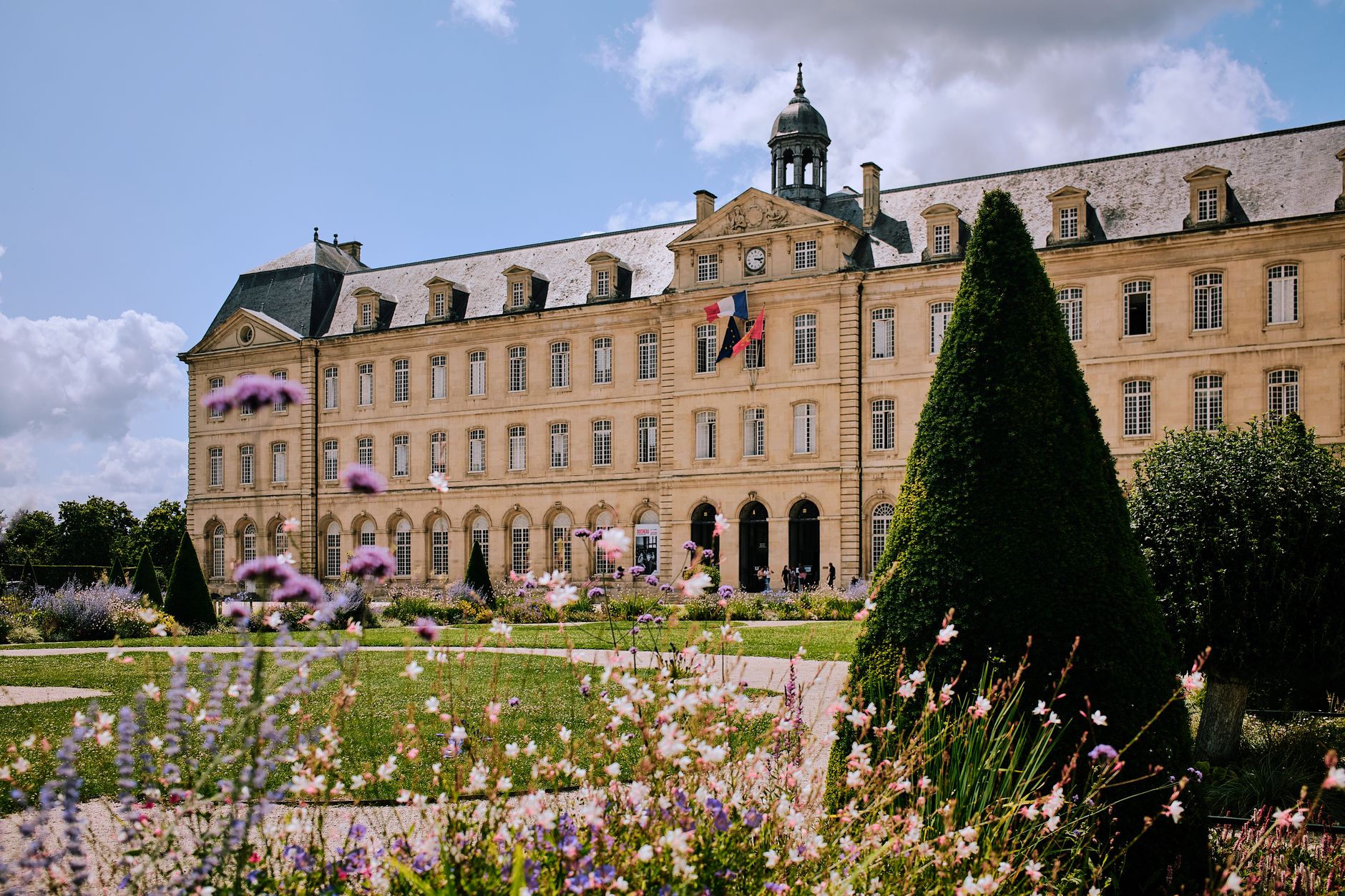
The abbey buildings next door
The monastic buildings adjoining the church now serve as Caen's City Hall, but free guided tours (in French and English) take you through the cloister, the chapter house and the monks' dormitory, all beautifully preserved.
The cloister garden is a peaceful rectangle of clipped box hedges and gravel paths — one of the most underrated quiet spots in the city centre, especially on a weekday morning before tour groups arrive.

More of Caen
Discover where to stay, what to do and the best deals for your trip.
Explore Caen →