Brunico Old Town (Centro Storico)
Brunico's compact historic core climbs toward a 13th-century bishop's castle and rewards every turn with pastel-painted townhouses, carved wooden shop signs and the unhurried rhythm of a South Tyrolean market town. It feels like a film set, except the butchers, bakers and wine merchants are entirely real.
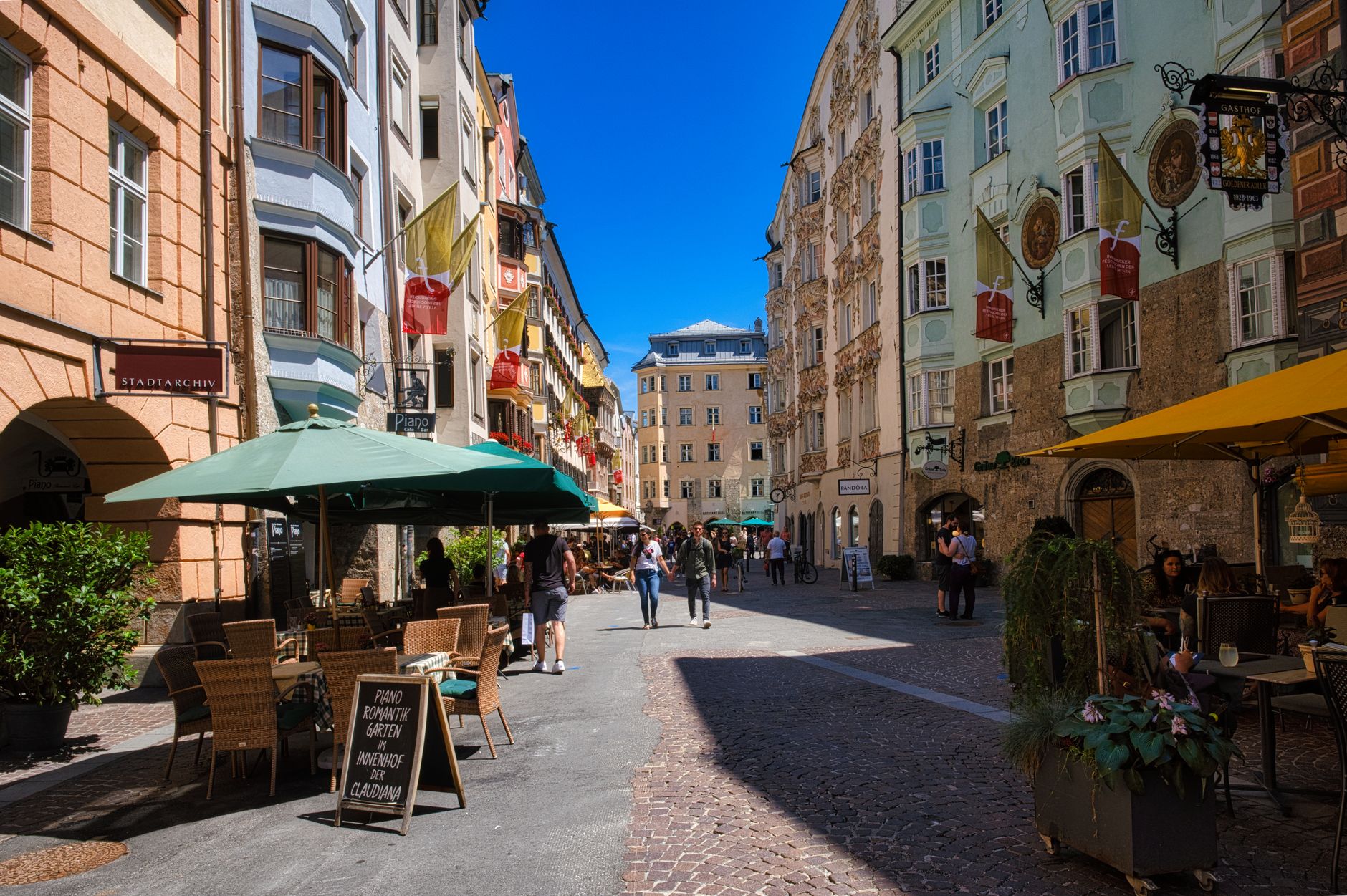
Walking the Main Street
Via Centrale (Stadtgasse) is the spine of the old town, a car-free lane lined with arcaded buildings whose ground floors shelter family-run delis, loden-cloth outfitters and espresso bars pouring coffee the Italian way. Give yourself at least an hour to drift in and out of doorways.
At the eastern end, the parish church of Maria Assunta anchors a small square where locals congregate on market mornings. The Romanesque bell tower dates to the 12th century and its clock face is visible from almost every corner of the centro.

Castel Brunico
The bishop's castle crowning the hill above town is the defining silhouette of Brunico and was built by the Prince-Bishops of Brixen around 1250. The steep lane up to it passes through the original town gate, still intact and satisfyingly narrow.
The castle interior is not always open to the public, but the terrace in front offers a free, unobstructed view over the rooftops and down the Puster Valley — worth the five-minute climb even if the doors are shut.

Evening Aperitivo Culture
By 6 pm the old-town bars pivot to Aperol Spritz and local Lagrein wine, and the cobblestones fill with a cheerful mix of farmers, skiers and day-trippers. Pull up a stool at Café Monika or Weinbar Hopfen & Malz and order a Törggelen plate of speck, chestnuts and new wine if the autumn season is on.
This hybrid Italian-Austrian drinking culture is genuinely unique to South Tyrol and Brunico is one of the best small towns in which to experience it without a tourist surcharge.
More of Brunico
Discover where to stay, what to do and the best deals for your trip.
Explore Brunico →