
Brunico
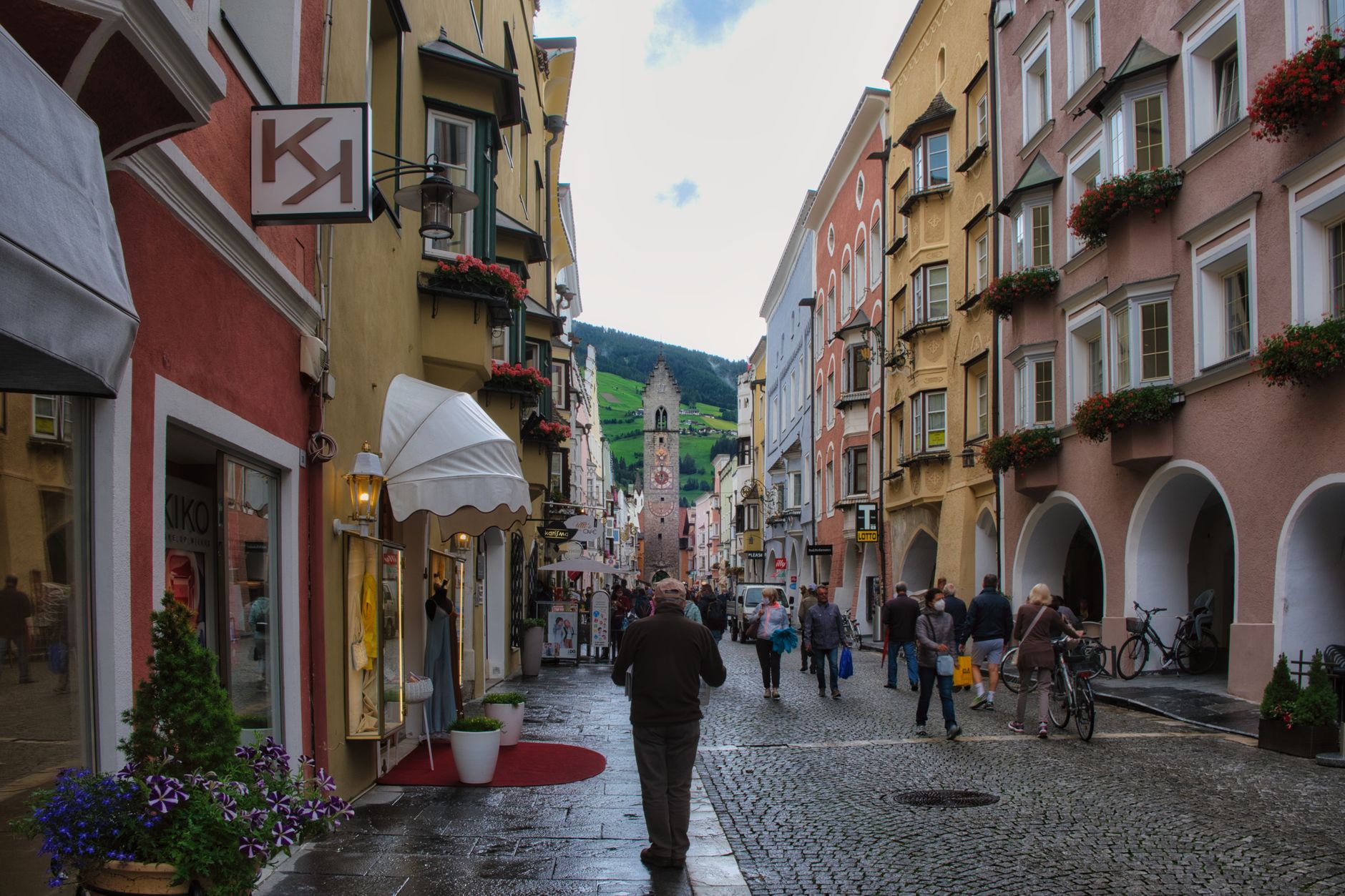
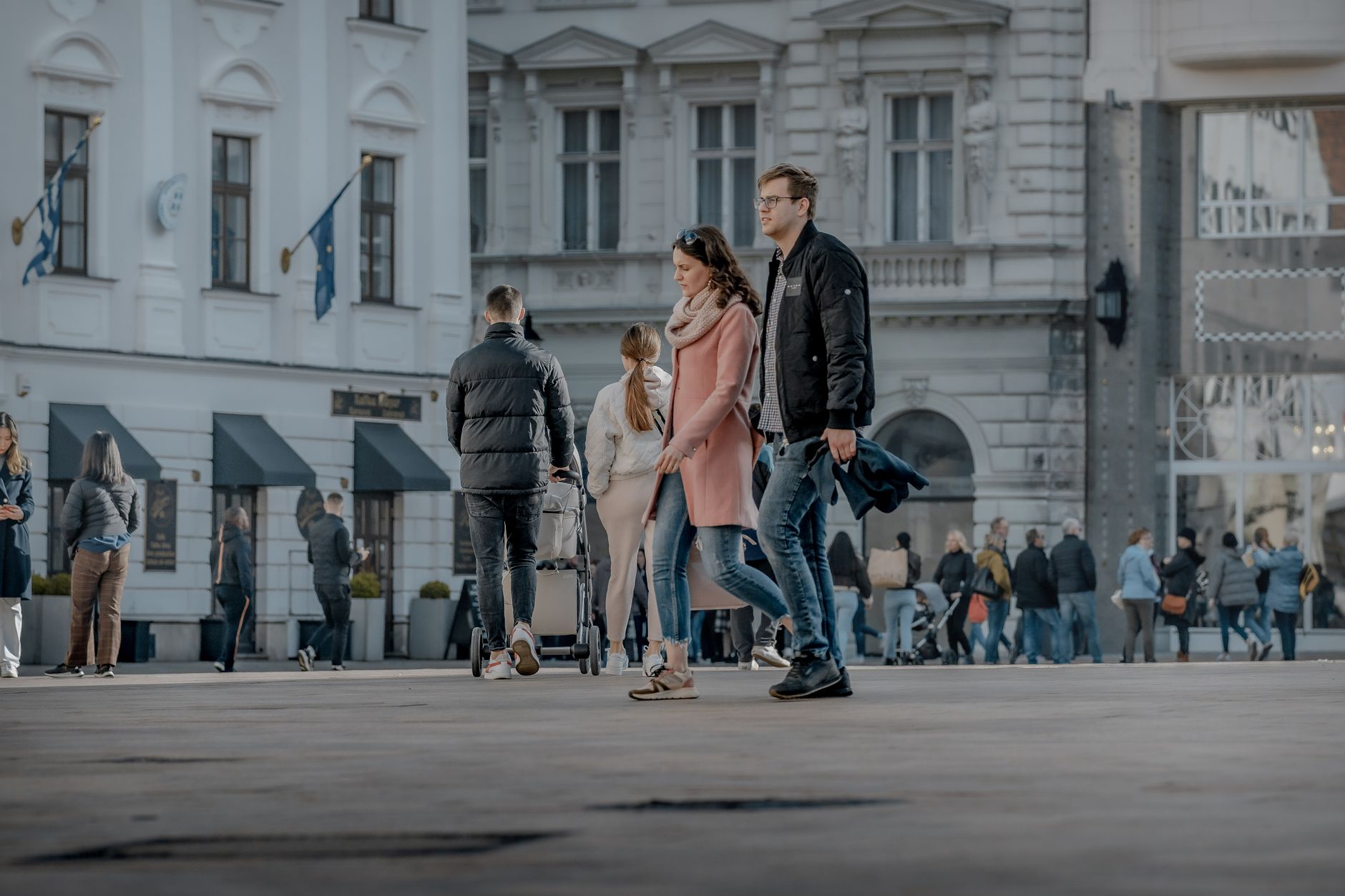
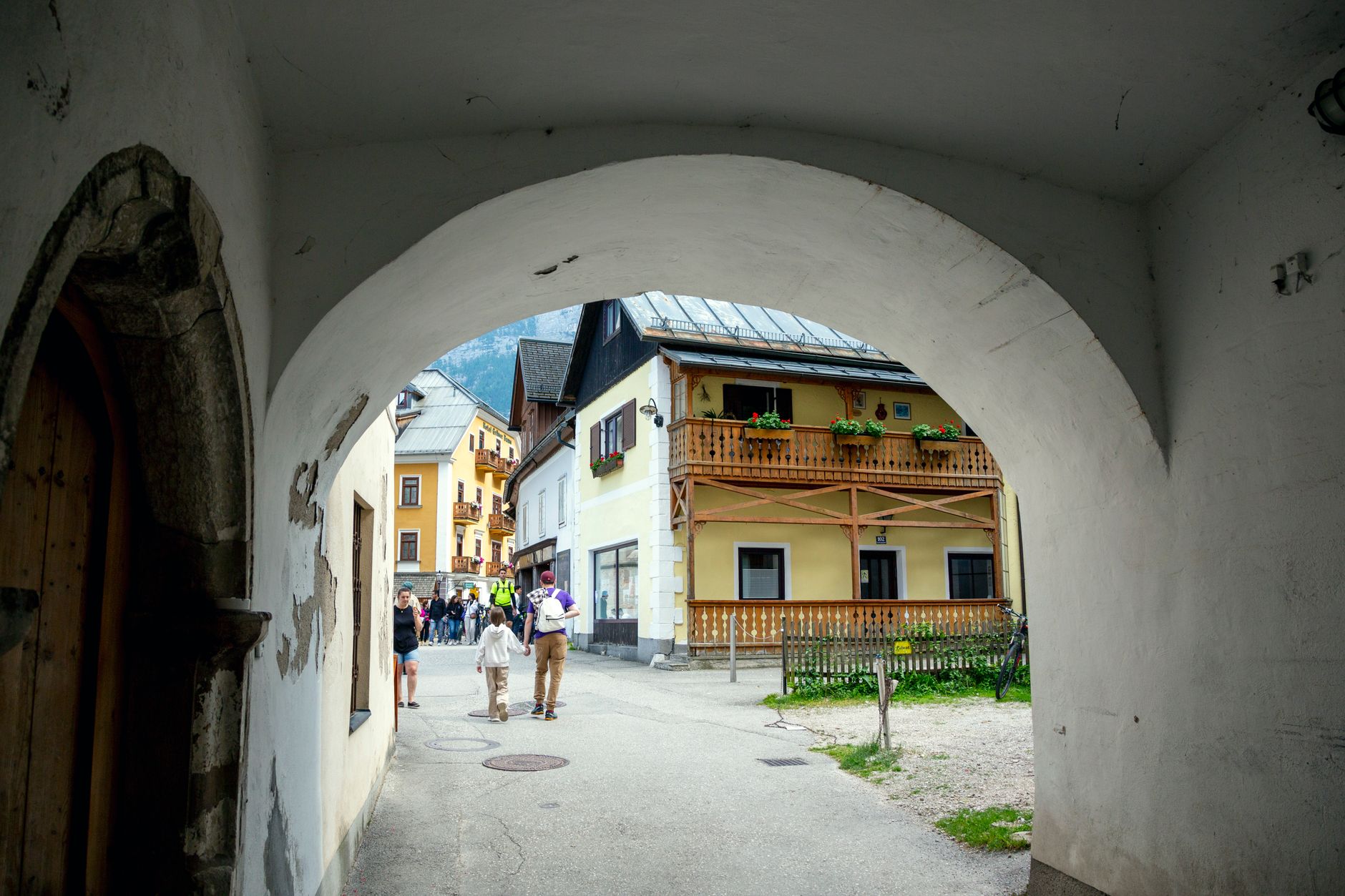
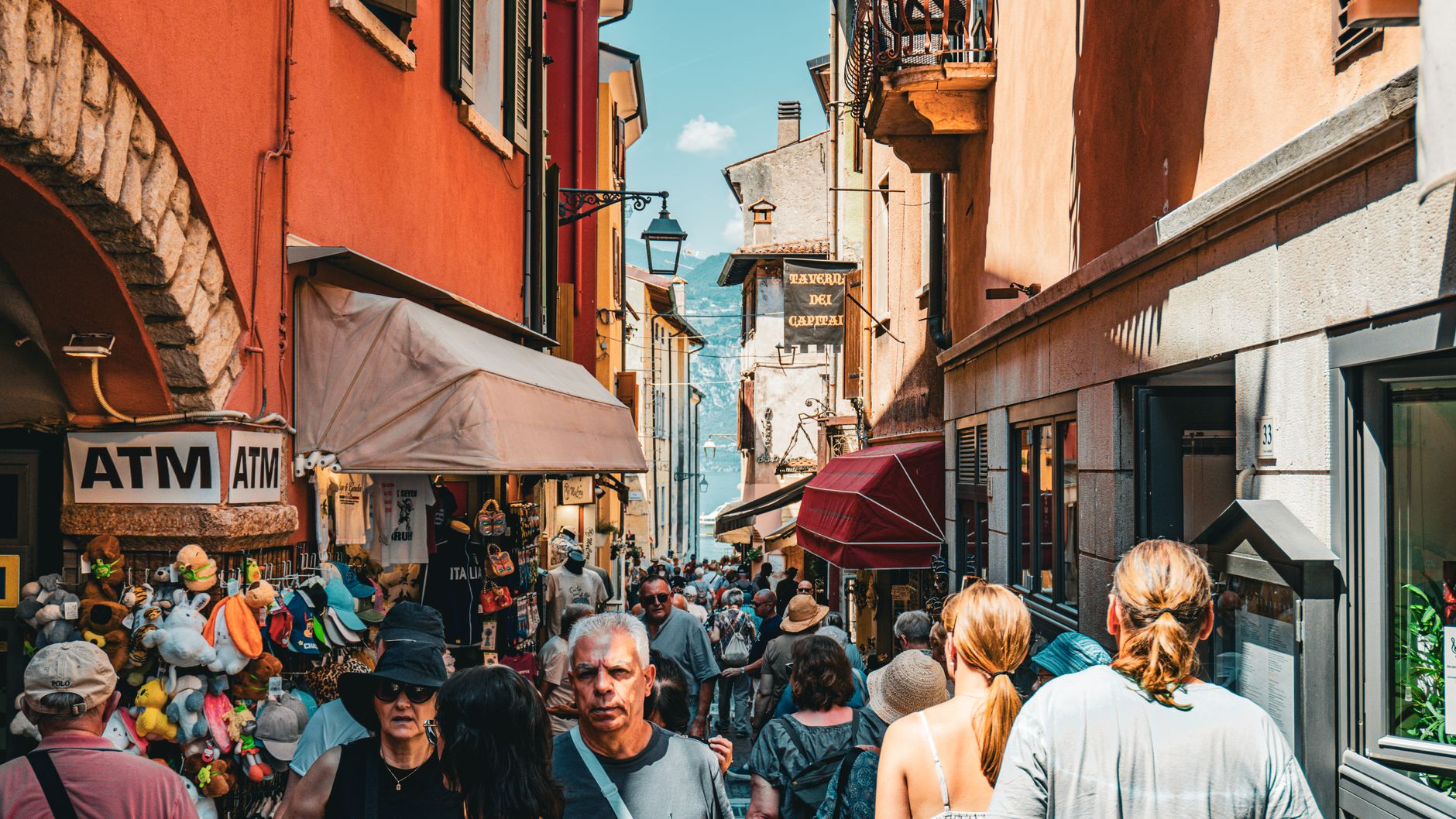
The two clock towers of Santa Maria Assunta rise above Brunico's rooflines in a yellow so bright it reads almost as a provocation against the grey Dolomite rock behind them. The town sits in the Puster Valley, compact enough to cross on foot in twenty minutes, with a castle on the hill that has watched over the main street since a prince-bishop decided to build his power base here in the thirteenth century.
What makes Brunico worth more than a lunch stop is the layering: Gothic churches, a Zaha Hadid museum embedded in a mountaintop, a war cemetery kept by the Commonwealth War Graves Commission, and the former home of Michael Pacher — a painter who was translating Italian Renaissance light into carved altarpieces before most of Europe knew what Renaissance meant.
💛 What travellers fall for
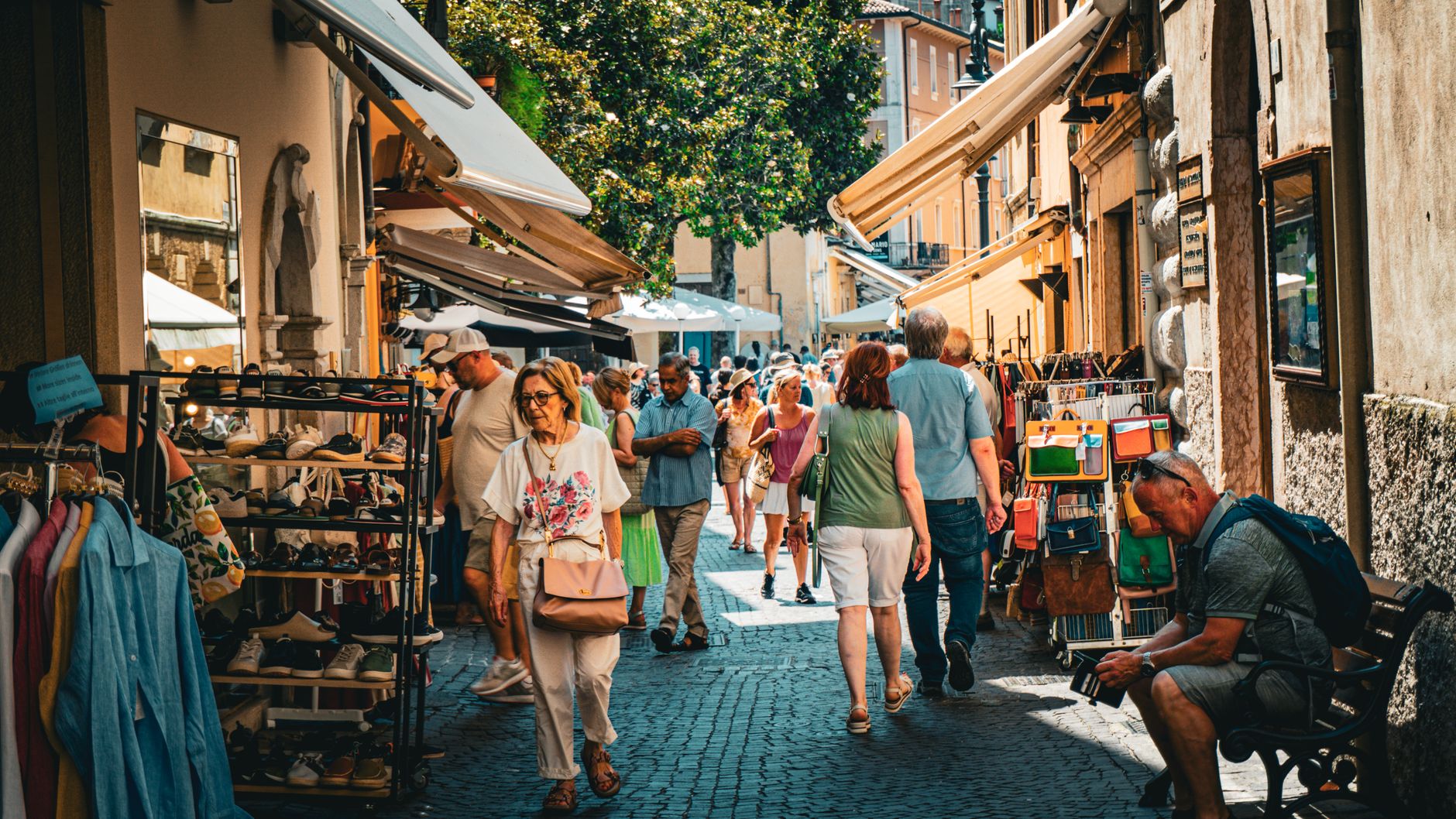
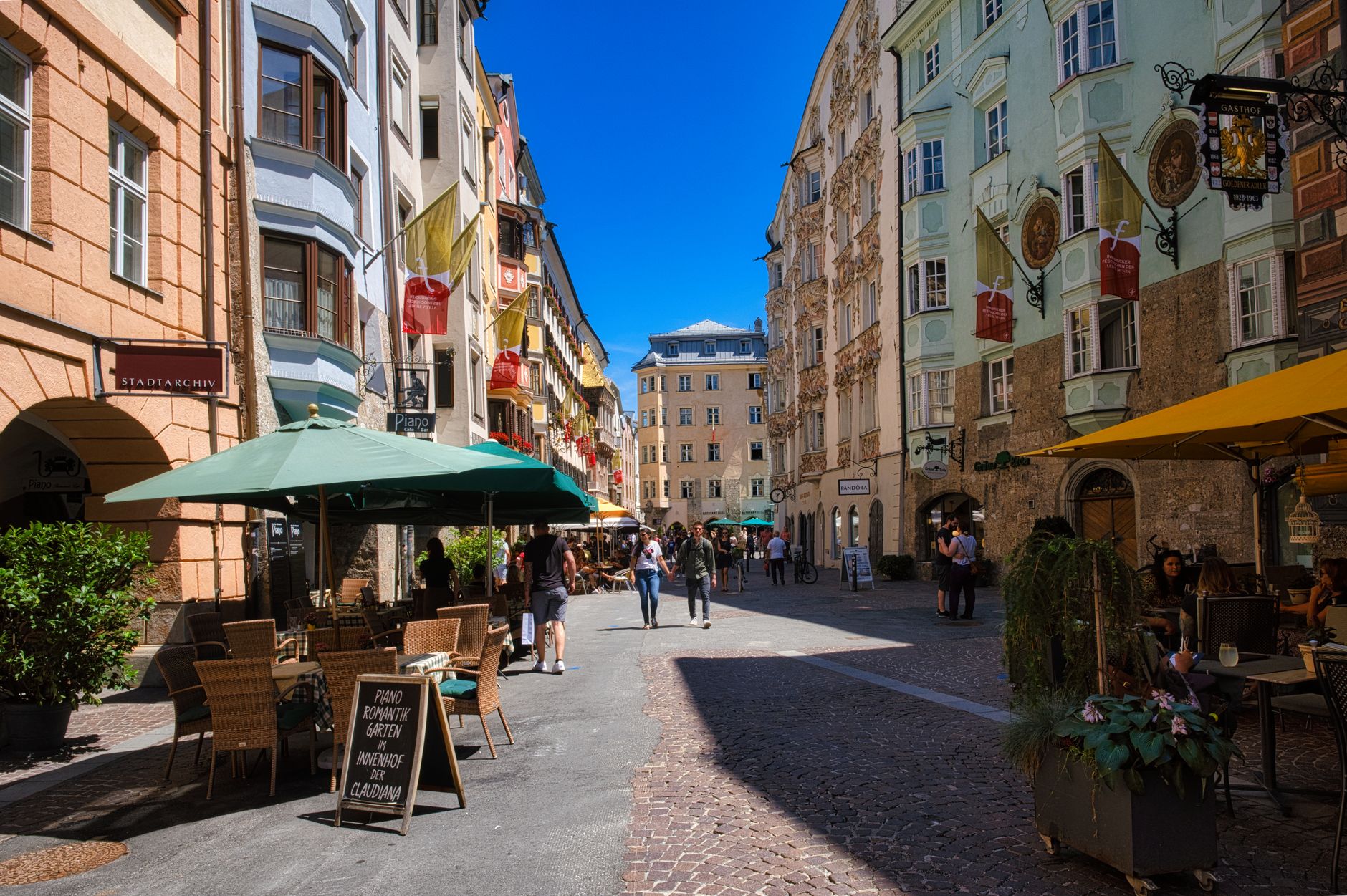
People who come back tend to time a visit around the cable car to Plan de Corones — not just for MMM Corones, but for the particular quality of the Dolomite panorama from up there. Down in town, Via Centrale rewards a slow morning: the pastel facades change colour as the light moves, and the cafés fill early with people who clearly have no intention of rushing.
Experiences you don't want to miss





Deals in Brunico
Book directly at the provider


How Brunico came to be
On 23 February 1256, a deed first recorded the settlement as Bruneke — a name almost certainly borrowed from the man who created it. Prince-Bishop Bruno von Kirchberg had begun building a castle here around 1250 to protect his Brixen diocese's valley estates, and a town grew around that ambition. By 1370, Emperor Charles IV had granted Brunico the right of jurisdiction, confirming its status as more than a garrison.
The town that stands today was largely rebuilt after 11 April 1723, when a fire started in the Oberragen quarter and, driven by a strong east wind, destroyed most of what existed. The St. Catherine Church acquired its two peaks in the aftermath, and its bell became the city's emblem. South Tyrol passed to Italy after World War I, and Bruneck became Brunico — a renaming that sits lightly on a place still as German-speaking as it ever was.
Who and what shaped it
People who shaped it
Landmark buildings
See Brunico in motion
Plan your visit
On the map
When to go
Summers in the Puster Valley are warm and clear, ideal for the cable car to Plan de Corones. Winters are cold and reliably snowy — the town functions as a base for the Kronplatz ski area, so accommodation fills fast from December onward. Spring and autumn are quieter but shoulder the castle's closure periods.
Right now
Background & history adapted from Wikipedia (CC BY-SA) · specs from Wikidata (CC0) · weather from Open-Meteo · map data © OpenStreetMap contributors · photos from Wikimedia Commons / Unsplash with per-image credit. No third-party reviews or social posts reproduced.