Restaurante El Pollo de Barú (Barú Village Eateries)
The cluster of family-run comedores lining the main street of Barú village is where locals eat, and where the peninsula's freshest catch ends up on the plate. Forget the tourist-priced beach restaurants — a COP 15,000 set lunch here will be one of the most memorable meals of your trip.
What to Order
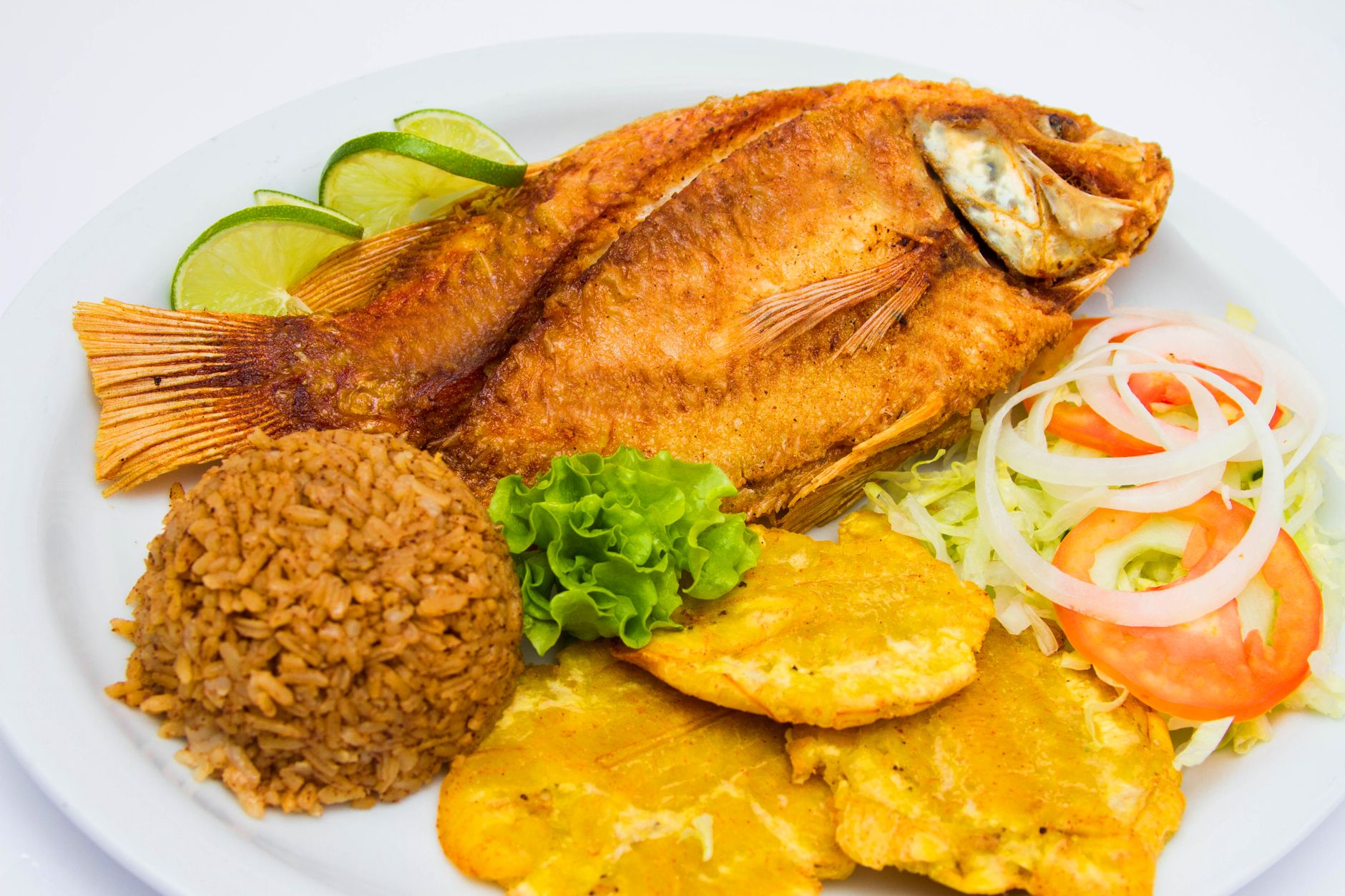
The non-negotiable order is pargo frito entero — a whole red snapper fried in a cast-iron pan until the skin blisters and crisps, served with arroz con coco (coconut rice cooked until the coconut milk caramelises slightly at the bottom of the pot), patacones and a simple tomato-and-onion curtido salad.
Wash it down with a cold corozo juice — a tart, deep-red drink made from the fruit of the corozo palm that grows wild across the peninsula. It's sweet, slightly astringent and completely addictive.

The Village Dining Scene
Barú village itself is a tight-knit Afro-Colombian community of around 2,000 people, and the comedores are run almost exclusively by local women who learned their recipes from their grandmothers. Eating here is as much a cultural experience as a culinary one.
There's no formal restaurant row — look for plastic chairs under corrugated-tin roofs with hand-painted menus on the wall. The comedor nearest the main dock tends to have the fastest turnover of fish, meaning the freshest fry.

Timing Your Meal
Lunch is served from around noon and the best fish is gone by 2 pm. If you're arriving on a day trip from Cartagena, head to the village before hitting the beach rather than after.
On Sunday mornings, a small informal market sets up near the church where women sell homemade dulces de coco (coconut sweets) and bollos de mazorca — worth grabbing as a beach snack.
More of Barú
Discover where to stay, what to do and the best deals for your trip.
Explore Barú →