Manglares de Barú (Baru Mangrove Channels)
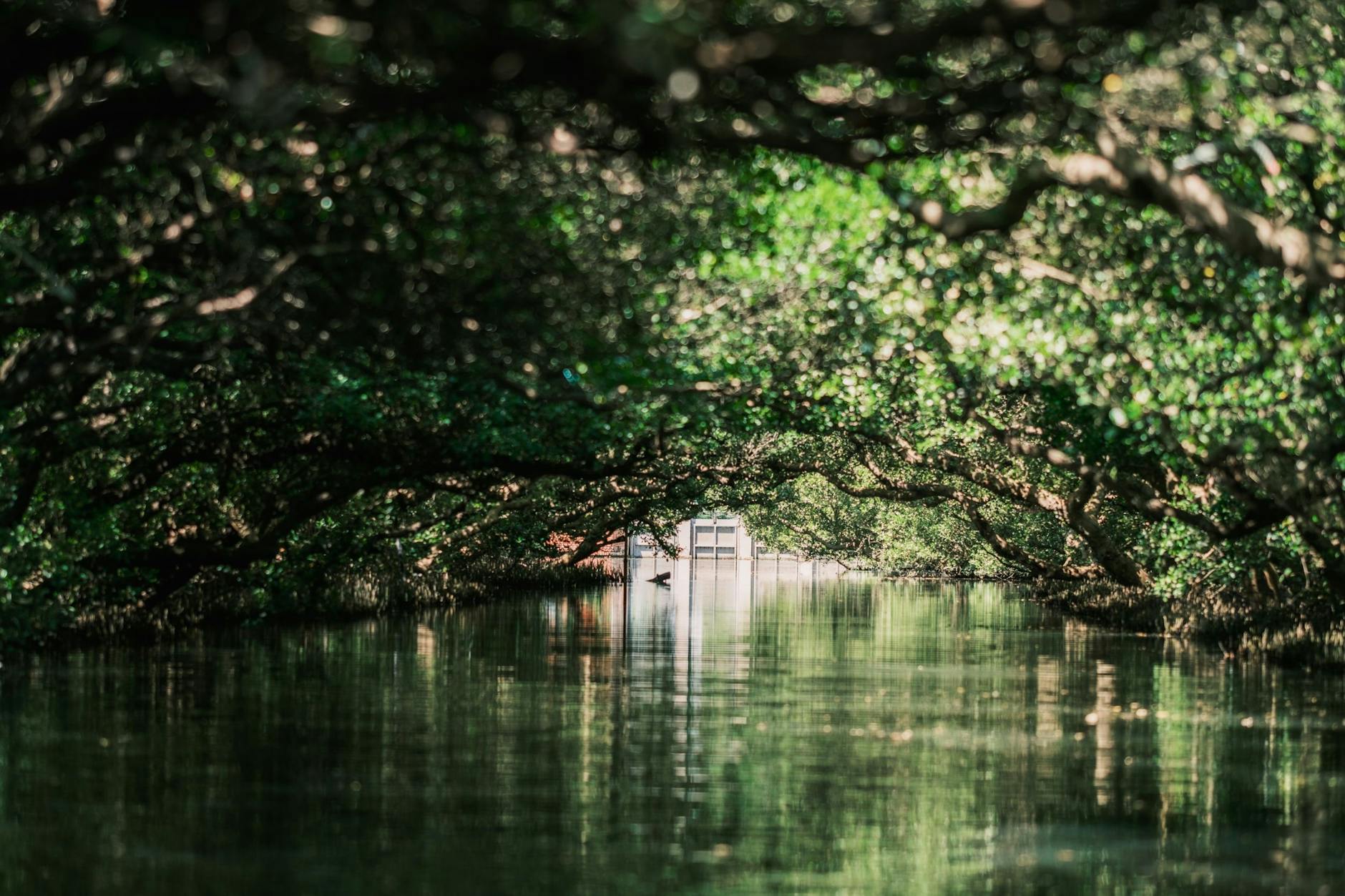
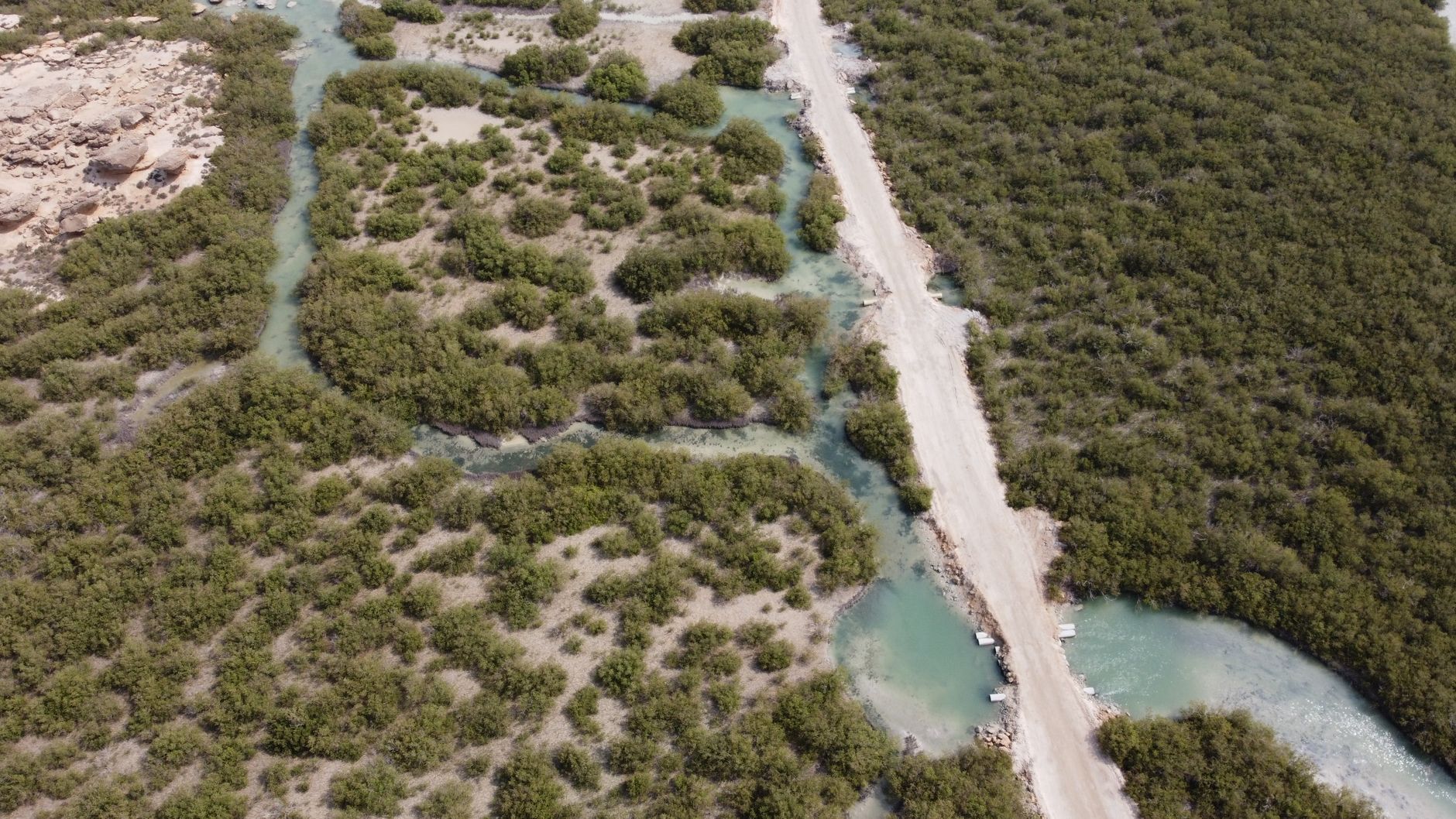
Threading through the mangrove channels that fringe the peninsula's inner lagoons feels like paddling through a cathedral built entirely from roots and leaves. These protected forests are a nursery for fish, a highway for herons and one of the most photogenic ecosystems on Colombia's Caribbean coast.
The Ecosystem Up Close
Red mangroves arch their prop-roots directly into the brackish water, creating a labyrinth of natural arches low enough to duck under in a kayak. Frigatebirds roost in the canopy above while fiddler crabs pick their way across the exposed mud at low tide.
The channels connect the open sea with the Ciénaga de los Vásquez, a shallow lagoon where local fishermen still cast hand-thrown atarraya nets at dawn — a scene unchanged for generations.
How to Explore
Several local guides based near the Barú village offer two-hour kayak tours through the channels for around COP 50,000–70,000 per person, including the kayak. Asking at the main dock or through your guesthouse will connect you with community-run operations that reinvest in conservation.
Stand-up paddleboard tours are also available in calm conditions and offer a higher vantage point for spotting birds in the canopy. Early morning (6–8 am) delivers the best light and the most wildlife activity.

Conservation Context
Barú's mangroves form part of the Corales del Rosario y San Bernardo National Natural Park buffer zone, giving them a degree of legal protection. Avoid touching or breaking roots — mangroves grow only a few centimetres per year and a snapped prop-root takes decades to replace.
Local community groups are working to reforest sections damaged by earlier shrimp farming, and some tours include a short replanting activity that you can join.
Manglares de Barú (Baru Mangrove Channels) on video
More of Barú
Discover where to stay, what to do and the best deals for your trip.
Explore Barú →