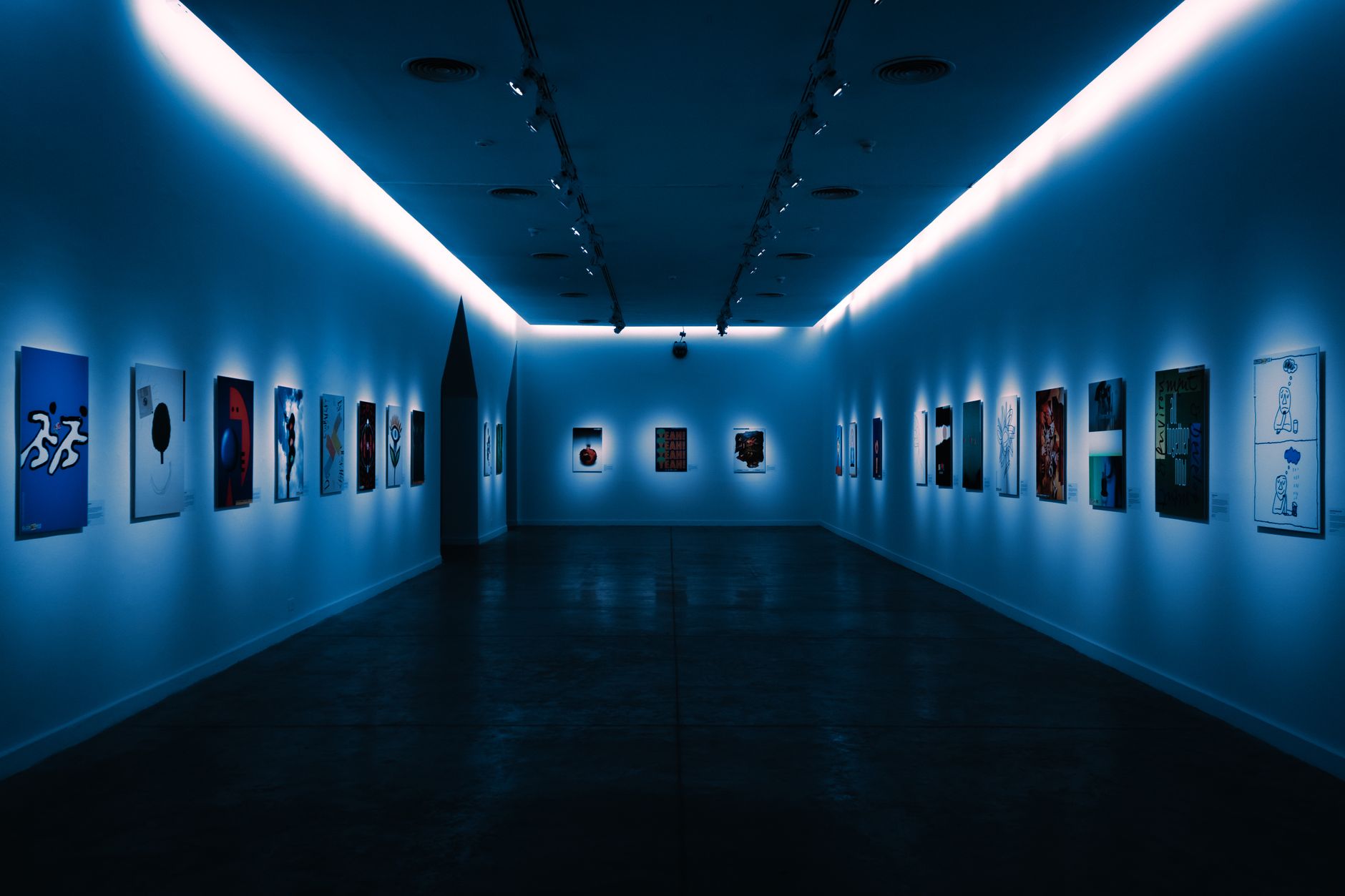
Barrio Español and the Sociedad Española de Azul
Few visitors realise that Azul received one of the largest waves of Spanish immigration in Buenos Aires province, and the legacy is a tight cluster of streets near the train station where Galician and Basque architecture sits incongruously but magnificently among the flat Argentine landscape. The centrepiece is the Sociedad Española, a social club that still hosts flamenco nights and serves pintxo

Exploring the Neighbourhood
Wander along Calle España and Calle Rivadavia between the old train station and the Sociedad Española building, and you'll pass ornate facades with azulejo tile details, a small Galician cultural centre with a hand-painted mural, and at least two family-run bars serving vermouth at zinc counters in a way that feels lifted directly from a Madrid neighbourhood.
The neighbourhood is quieter and less polished than the city centre, which is precisely its charm. Locals sit on stoops in the late afternoon, kids play football in the narrow street, and the pace drops to something approaching siesta-era slowness.

The Sociedad Española Experience
The Sociedad Española de Azul was founded in 1896 and its main hall retains original wood panelling, portraits of Spanish royalty and a bar that has been serving cold Quilmes and Spanish wine without interruption ever since. On Friday evenings from 20:00 a small kitchen opens and serves a rotating menu of Spanish-inflected snacks — tortilla española, croquetas, and occasionally a surprisingly good pulpo a la gallega.
Check the club's Facebook page before you visit because monthly flamenco and folk music performances sell out among locals and are genuinely spectacular in the intimate hall setting. Entry is typically AR$800–1,200 and includes one drink.
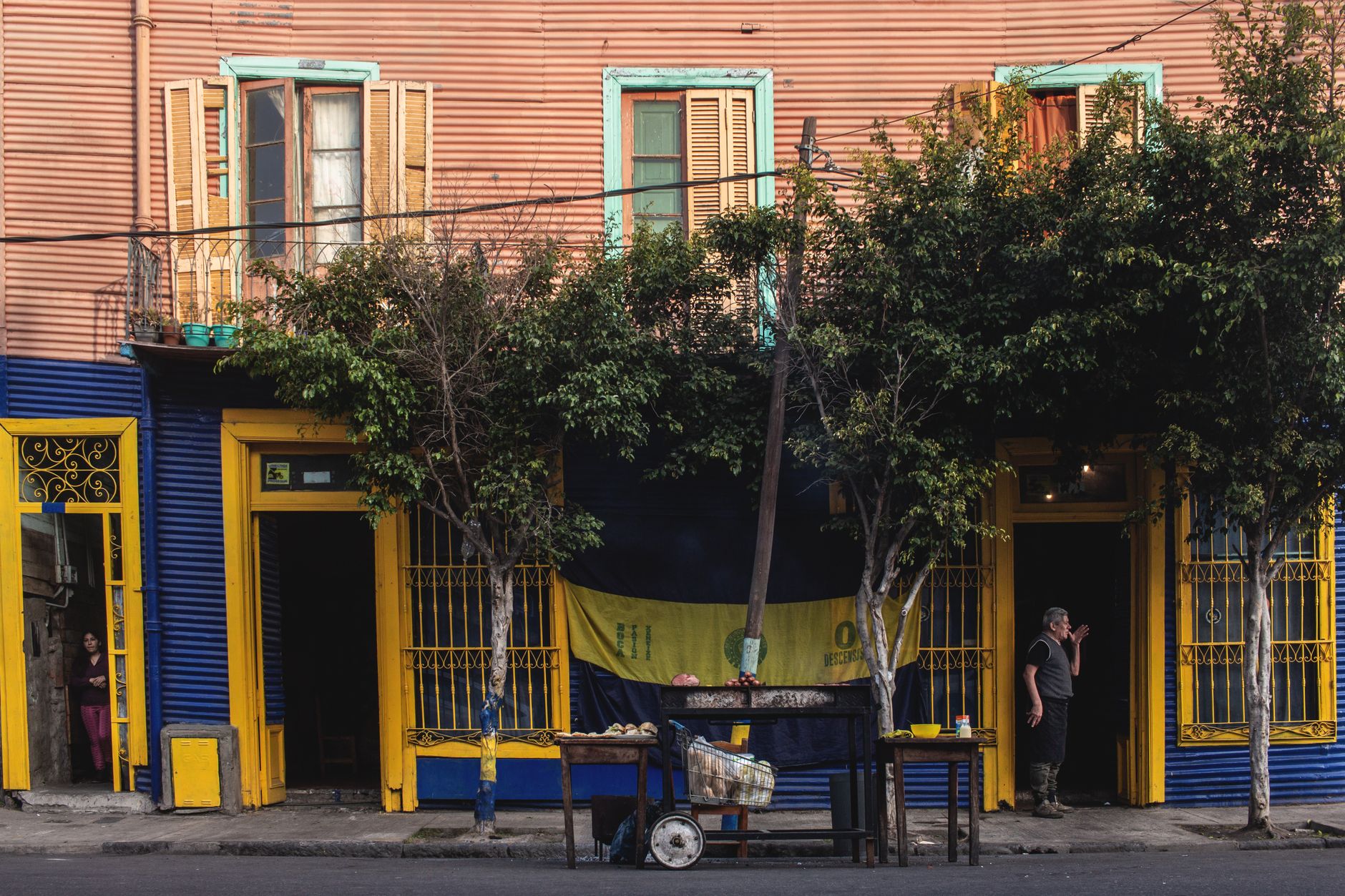
Barrio Español and the Sociedad Española de Azul on video
More of Azul
Discover where to stay, what to do and the best deals for your trip.
Explore Azul →