Tombeau du Roi Pōmare V
Standing on the headland at 'Outu'ai'ai Point, this coral-block pyramid is the final resting place of Tahiti's last monarch — a man who ceded his kingdom to France and then commandeered his own mother's tomb so he could spend eternity gazing at the sea. It is one of the most quietly dramatic monuments in all of French Polynesia.
A Royal Drama in Coral and Stone
The tomb sits at PK 7.4 in Arue, right on the north coast, and its architecture is unlike anything else on the island. Constructed from blocks of coral cemented together, it rises as a pyramid with a rectangular base and is crowned by a Grecian urn — a jarring blend of Polynesian material and European form that tells the whole story of 19th-century Tahiti in a single glance.
Pōmare V reigned from 1877 to 1880 before ceding Tahiti and its dependencies to France. The tomb was originally built for his mother, Queen Pōmare IV, who had ruled for 50 years. Her son had her remains moved to the nearby Royal Pomare Cemetery so he could claim the oceanfront monument for himself — reportedly because he wanted his corpse to enjoy the view.
Even Paul Gauguin, who attended the funeral, found the monument in stark contrast with the natural beauty surrounding it, seeing it as a symbol of imposed Westernization. That tension — between Polynesian identity and colonial history — is exactly what makes it so worth lingering over.

What to See Nearby
A two-minute walk brings you to the Royal Pomare Cemetery, where Queen Pōmare IV and other members of the dynasty are buried. The contrast between the grand coral tomb and the more modest royal graves nearby adds a poignant layer to the visit.
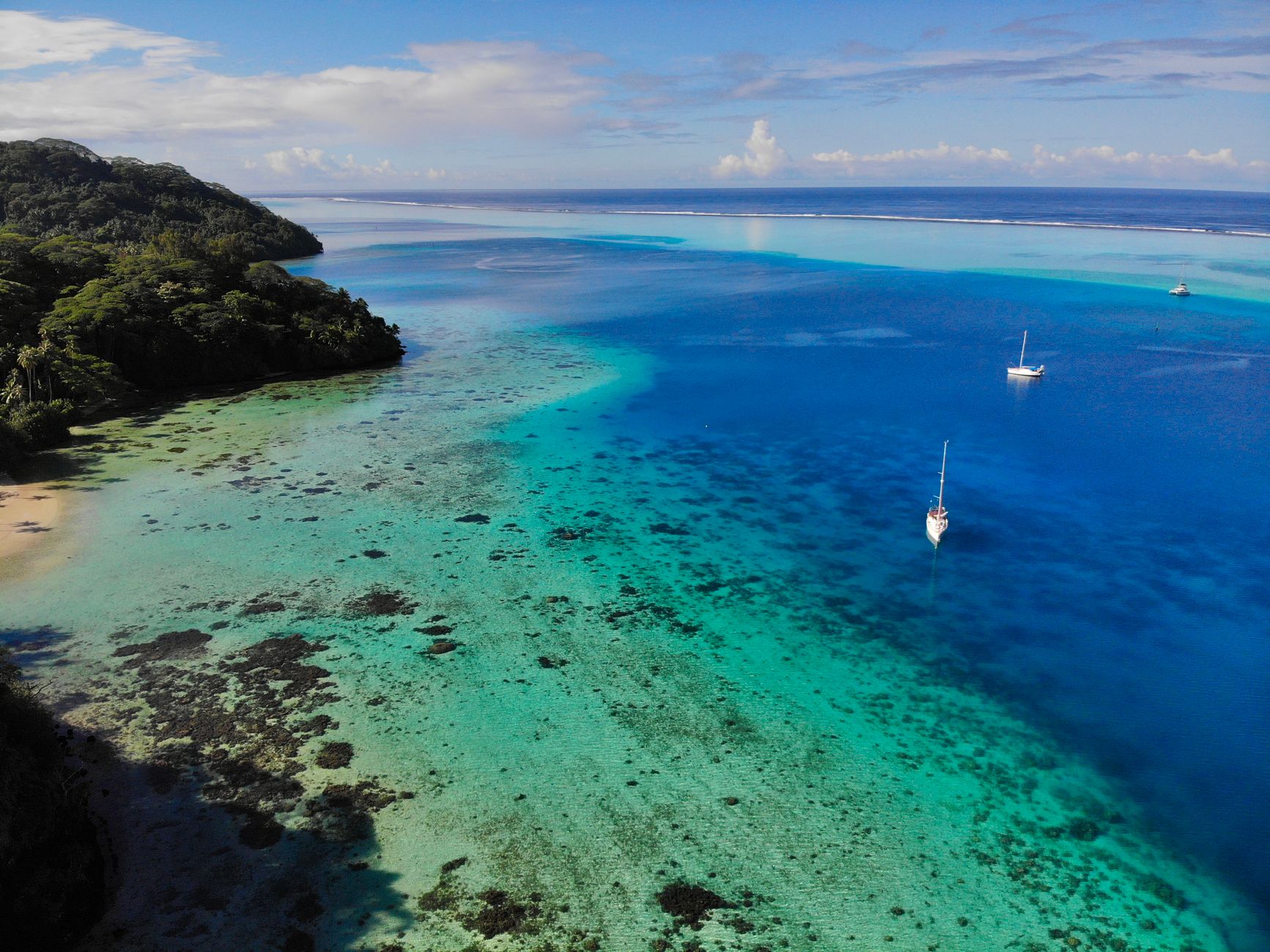
The headland itself offers open views of the South Pacific, and early mornings are especially peaceful — the light is soft, the tour buses haven't arrived, and you may well have the place to yourself.

Tombeau du Roi Pōmare V on video
More of Arue
Discover where to stay, what to do and the best deals for your trip.
Explore Arue →