
Senlis

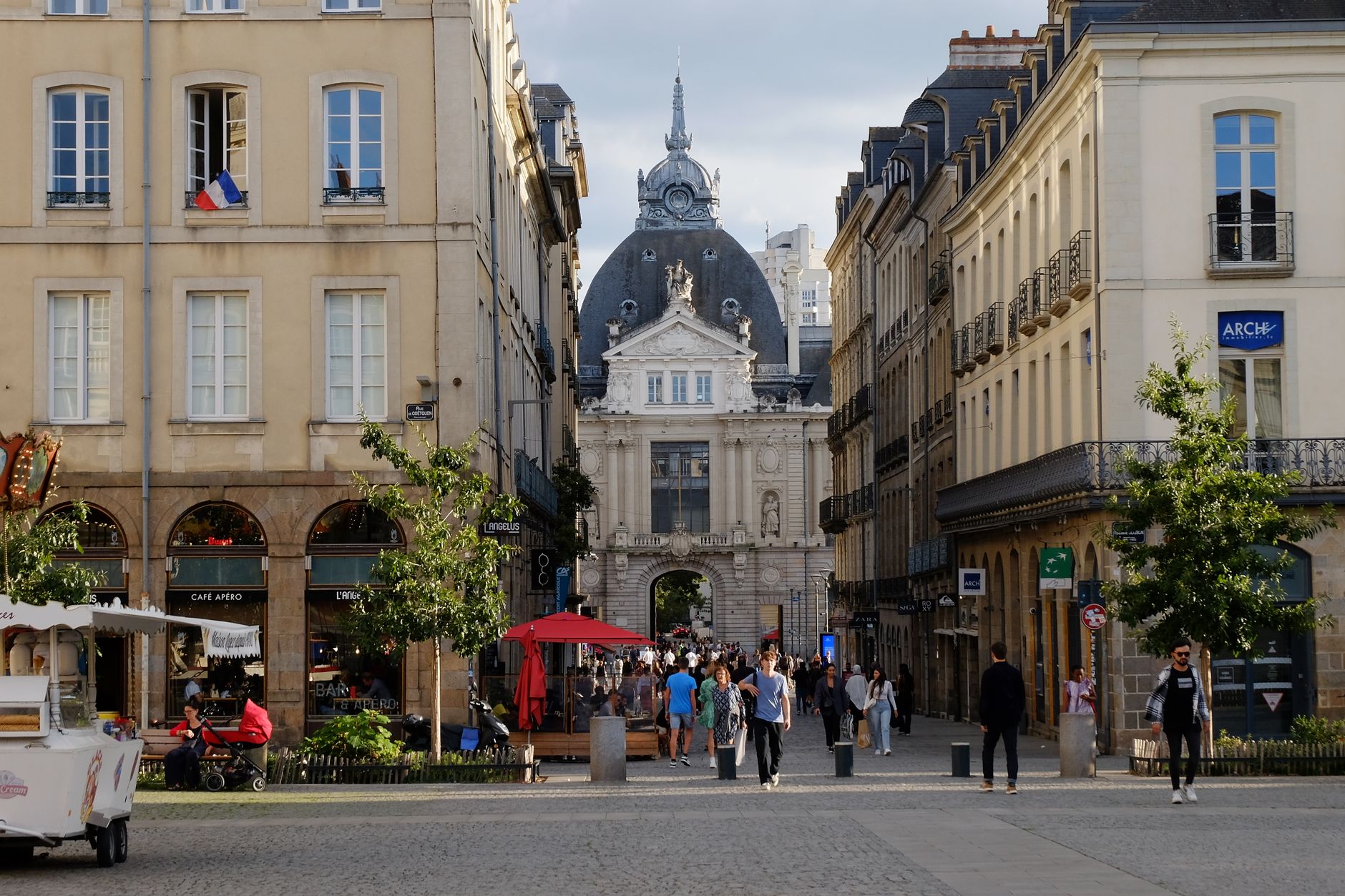
Forty kilometres north of Paris, Senlis wears its age openly. The Gallo-Roman defensive wall — seven metres high, two-thirds of it still standing after seventeen centuries — runs right through the middle of town, past garden gates and parked bicycles, as if no one thought to make a fuss about it. The cathedral spire, a 78-metre Gothic needle from the 13th century, rises above streets narrow enough that you can touch both walls with your arms half-extended.
This is a small city with an outsized past: Capetian kings hunted here, a treaty that reshaped European borders was signed here in 1493, and its mayor was executed by German forces in September 1914. None of that is particularly signposted. You find it by walking slowly.
💛 What travellers fall for
People who come back tend to time it around the Tuesday or Friday market, when the main street closes to traffic and the town reclaims its own pace. The amphitheatre — 1st century, capacity 10,000, half a kilometre west of the walls — gets visited on the first Sunday of the month when guided tours run. Most first-timers miss it entirely.
Experiences you don't want to miss



Deals in Senlis
Book directly at the provider
How Senlis came to be
Senlis began as Augustomagus, a Roman market town whose amphitheatre once seated 10,000. By the 3rd century, facing Frankish raids, the town wrapped itself in a defensive wall that still defines the old centre. The Capetian chapter opened in 981 when Hugh Capet acquired the city; six years later, the barons elected him king, and he was crowned at Noyon. Under his dynasty, Senlis reached its economic peak — trade in leather, wool and fur — and its cathedral was begun in 1153, consecrated in 1191 by Archbishop William White Hands.
The city's diplomatic moment came in 1493 when Charles VIII and Maximilian I of Burgundy signed the Treaty of Senlis here, redrawing territorial lines across western Europe. The 20th century left a darker mark: in September 1914, German troops occupied the town and executed mayor Eugène Odent along with six civilian hostages before French forces liberated it that same year.
Who and what shaped it
People who shaped it
Landmark buildings
See Senlis in motion
Plan your visit
On the map
When to go
Spring and early summer are the most comfortable seasons — highs in the mid-teens to low twenties Celsius, with occasional rainy days that clear quickly. Winters are long and genuinely cold, often windy, with temperatures that can drop below freezing; the cathedral and the Roman wall read differently under a grey January sky, which has its own appeal.
Right now
Background & history adapted from Wikipedia (CC BY-SA) · specs from Wikidata (CC0) · weather from Open-Meteo · map data © OpenStreetMap contributors · photos from Wikimedia Commons / Unsplash with per-image credit. No third-party reviews or social posts reproduced.